Barbara A. Hanawalt – Författare
Visar alla böcker från författaren Barbara A. Hanawalt. Handla med fri frakt och snabb leverans.
16 produkter
16 produkter
1 576 kr
Skickas inom 5-8 vardagar
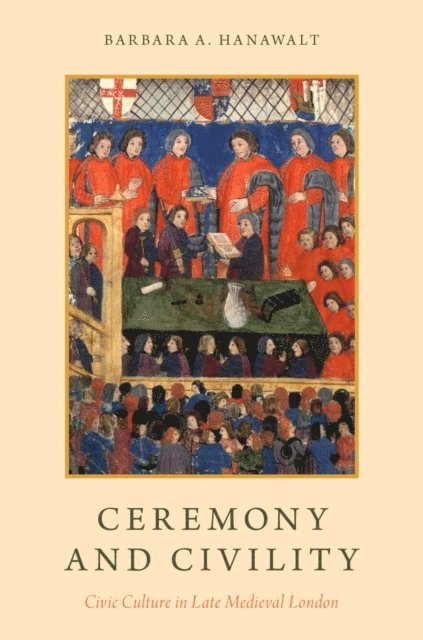
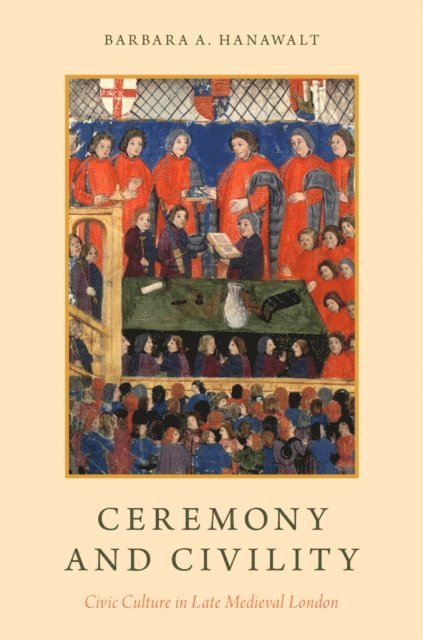
In Ceremony and Civility, Barbara Hanawalt shows how, in the late Middle Ages, London's elected officials and elites used ceremony and ritual to establish their legitimacy and power. These civic ceremonies helped delineate the relationship between London's mayors and the crown, but also between denizens and their government, between gild wardens and their members, between masters and apprentices, and between parishioners and their churches. London, like all premodern cities, had a largely immigrant population--only a small proportion of the inhabitants were citizens--and the newly arrived needed to be taught the civic culture of the city in order for that city to function peacefully. Ritual and ceremony played key roles in this acculturation process. In a society in which hierarchical authority was most commonly determined by inheritance of title and office, or sanctified by ordination, civic officials who had been elected to their posts relied on rituals to cement their authority, power, and dominance. Since the typical term of elected office was a year, elections and inaugurations had to be very public and visually distinct in order to quickly communicate with the masses: the robes of office needed to distinguish the officers so that everyone would know who they were. The result was a colorful civic pageantry. Newcomers themselves found their places within this structure in various ways. Apprentices entering the city to take up a trade were educated in civic culture by their masters. Gilds similarly used rituals, oath swearing, and distinctive livery to mark their members' belonging. But these public shows of belonging and orderly civic life also had a dark side. Those who rebelled against authority and broke the civic ordinances were made spectacles through ritual humiliations and public parades through the streets so that others could take heed of these offenders of the law. At the parish level, and even at the level of the street, civic behavior was taught through example, through proclamations, and even through performances, like ballads.An accessible look at late medieval London through the lens of civic ceremonies and dispute resolution, Ceremony and Civility synthesizes archival research in London with existing scholarship to show how newcomers in an ever-shifting population were enculturated into premodern London.
410 kr
Skickas inom 5-8 vardagar
In Ceremony and Civility, Barbara Hanawalt shows how, in the late Middle Ages, London's elected officials and elites used ceremony and ritual to establish their legitimacy and power. These civic ceremonies helped delineate the relationship between London's mayors and the crown, but also between denizens and their government, between gild wardens and their members, between masters and apprentices, and between parishioners and their churches. London, like all premodern cities, had a largely immigrant population--only a small proportion of the inhabitants were citizens--and the newly arrived needed to be taught the civic culture of the city in order for that city to function peacefully. Ritual and ceremony played key roles in this acculturation process. In a society in which hierarchical authority was most commonly determined by inheritance of title and office, or sanctified by ordination, civic officials who had been elected to their posts relied on rituals to cement their authority, power, and dominance. Since the typical term of elected office was a year, elections and inaugurations had to be very public and visually distinct in order to quickly communicate with the masses: the robes of office needed to distinguish the officers so that everyone would know who they were. The result was a colorful civic pageantry. Newcomers themselves found their places within this structure in various ways. Apprentices entering the city to take up a trade were educated in civic culture by their masters. Gilds similarly used rituals, oath swearing, and distinctive livery to mark their members' belonging. But these public shows of belonging and orderly civic life also had a dark side. Those who rebelled against authority and broke the civic ordinances were made spectacles through ritual humiliations and public parades through the streets so that others could take heed of these offenders of the law. At the parish level, and even at the level of the street, civic behavior was taught through example, through proclamations, and even through performances, like ballads.An accessible look at late medieval London through the lens of civic ceremonies and dispute resolution, Ceremony and Civility synthesizes archival research in London with existing scholarship to show how newcomers in an ever-shifting population were enculturated into premodern London.
207 kr
Skickas inom 5-8 vardagar
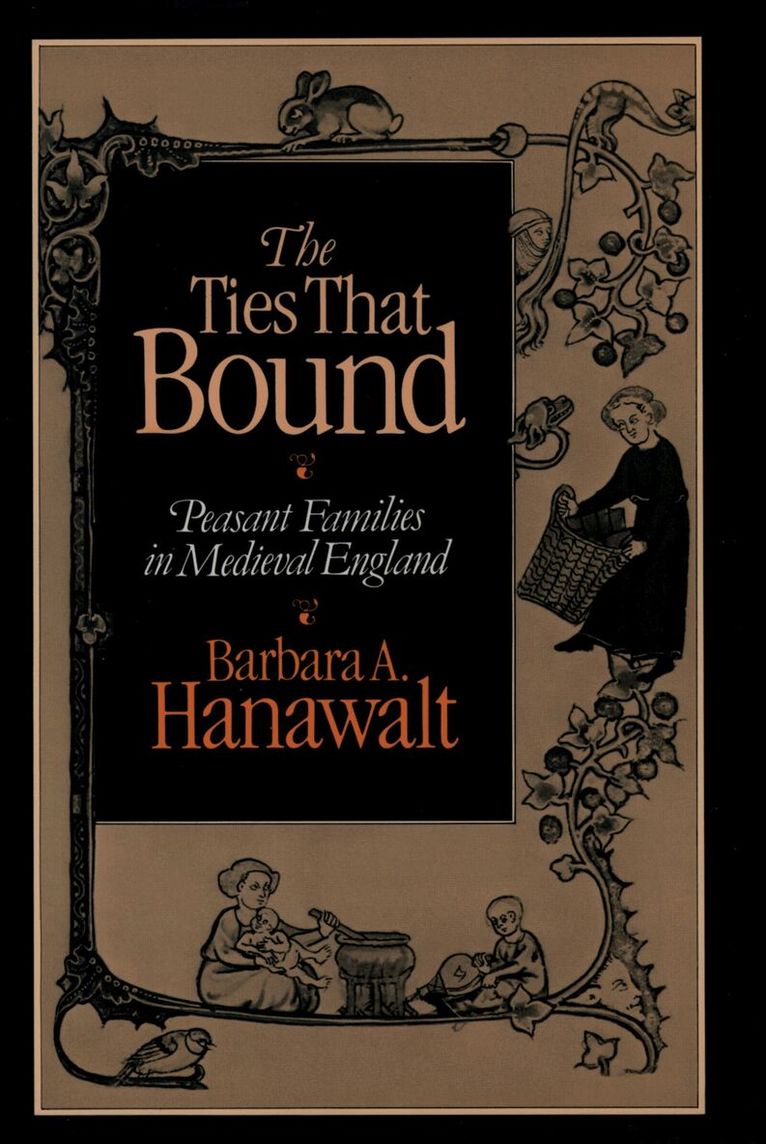
Barbara A. Hanawalt's richly detailed account offers an intimate view of everyday life in Medieval England that seems at once surprisingly familiar and yet at odds with what many experts have told us. She argues that the biological needs served by the family do not change and that the ways fourteenth- and fifteenth-century peasants coped with such problems as providing for the newborn and the aged, controlling premarital sex, and alleviating the harshness of theirmaterial environment in many ways correspond with our twentieth-century solutions.Using a remarkable array of sources, including over 3,000 coroners' inquests into accidentaldeaths, Hanawalt emphasizes the continuity of the nuclear family from the middle ages into the modern period by exploring the reasons that families served as the basic unit of society and the economy. Providing such fascinating details as a citation of an incantation against rats, evidence of the hierarchy of bread consumption, and descriptions of the games people played, her study illustrates the flexibility of the family and its capacity to adapt to radical changes in society. She notes thateven the terrible population reduction that resulted from the Black Death did not substantially alter the basic nature of the family.
790 kr
Skickas inom 3-6 vardagar
478 kr
Skickas inom 5-8 vardagar
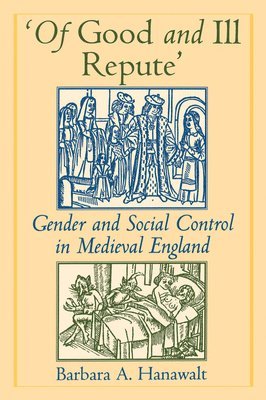
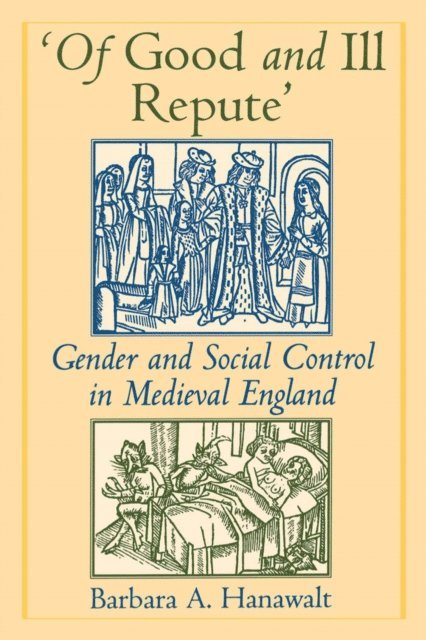
In eleven interrelated essays, including three previously unpublished works, Hanawalt explores the roles that community, family and society played in maintaining social control in Medieval England. Focusing on gender, criminal behavior, law enforcement, village arbitration, and cultural rituals on inclusion and exclusion, Of Good and Ill Repute reflects the most current scholarship on medieval legal history, cultural history, and women's cultural studies.
760 kr
Skickas inom 3-6 vardagar
301 kr
Skickas inom 3-6 vardagar
433 kr
Skickas inom 3-6 vardagar
1 433 kr
Skickas inom 5-8 vardagar
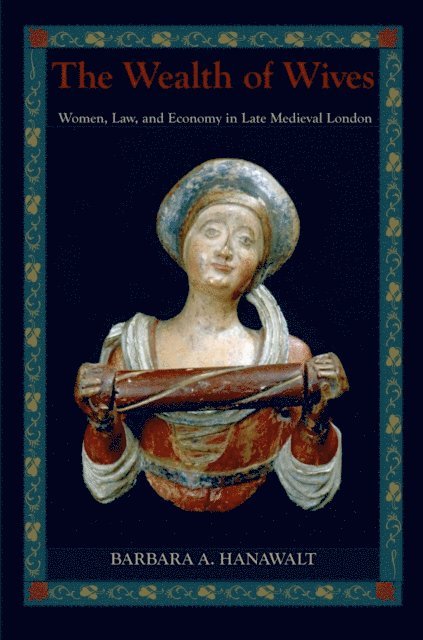
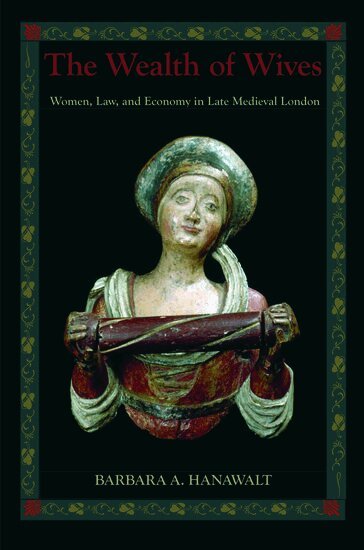
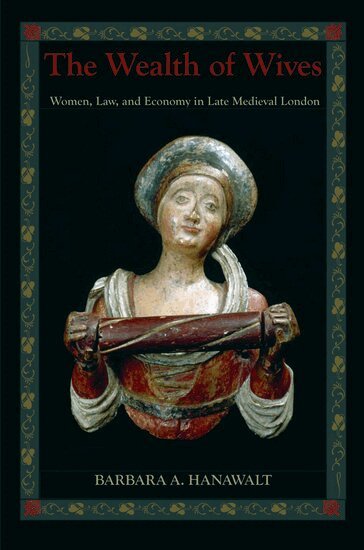
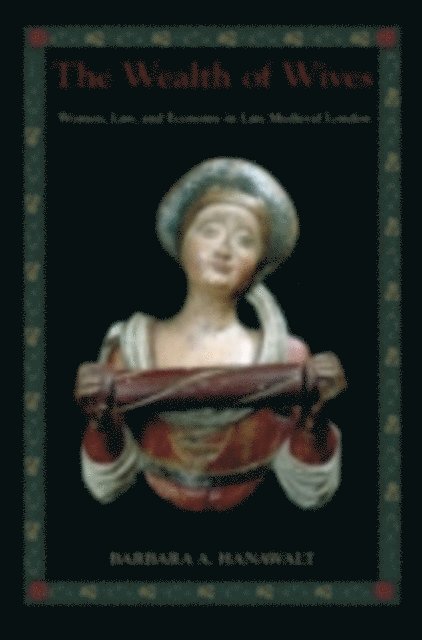
London became an international center for import and export trade in the late Middle Ages. The export of wool, the development of luxury crafts and the redistribution of goods from the continent made London one of the leading commercial cities of Europe. While capital for these ventures came from a variety of sources, the recirculation of wealth through London women was important in providing both material and social capital for the growth of London's economy. A shrewd Venetian visiting England around 1500 commented about the concentration of wealth and property in women's hands. He reported that London law divided a testator's property three ways allowing a third to the wife for her life use, a third for immediate inheritance of the heirs, and a third for burial and the benefit of the testator's soul. Women inherited equally with men and widows had custody of the wealth of minor children. In a society in which marriage was assumed to be a natural state for women, London women married and remarried. Their wealth followed them in their marriages and was it was administered by subsequent husbands. This study, based on extensive use of primary source materials, shows that London's economic growth was in part due to the substantial wealth that women transmitted through marriage. The Italian visitor observed that London men, unlike Venetians, did not seek to establish long patrilineages discouraging women to remarry, but instead preferred to recirculate wealth through women. London's social structure, therefore, was horizontal, spreading wealth among guilds rather than lineages. The liquidity of wealth was important to a growing commercial society and women brought not only wealth but social prestige and trade skills as well into their marriages. But marriage was not the only economic activity of women. London law permitted women to trade in their own right as femmes soles and a number of women, many of them immigrants from the countryside, served as wage laborers. But London's archives confirm women's chief economic impact was felt in the capital and skill they brought with them to marriages, rather than their profits as independent traders or wage labourers.
318 kr
Skickas inom 5-8 vardagar
London became an international center for import and export trade in the late Middle Ages. The export of wool, the development of luxury crafts and the redistribution of goods from the continent made London one of the leading commercial cities of Europe. While capital for these ventures came from a variety of sources, the recirculation of wealth through London women was important in providing both material and social capital for the growth of London's economy. A shrewd Venetian visiting England around 1500 commented about the concentration of wealth and property in women's hands. He reported that London law divided a testator's property three ways allowing a third to the wife for her life use, a third for immediate inheritance of the heirs, and a third for burial and the benefit of the testator's soul. Women inherited equally with men and widows had custody of the wealth of minor children. In a society in which marriage was assumed to be a natural state for women, London women married and remarried. Their wealth followed them in their marriages and was it was administered by subsequent husbands. This study, based on extensive use of primary source materials, shows that London's economic growth was in part due to the substantial wealth that women transmitted through marriage. The Italian visitor observed that London men, unlike Venetians, did not seek to establish long patrilineages discouraging women to remarry, but instead preferred to recirculate wealth through women. London's social structure, therefore, was horizontal, spreading wealth among guilds rather than lineages. The liquidity of wealth was important to a growing commercial society and women brought not only wealth but social prestige and trade skills as well into their marriages. But marriage was not the only economic activity of women. London law permitted women to trade in their own right as femmes soles and a number of women, many of them immigrants from the countryside, served as wage laborers. But London's archives confirm women's chief economic impact was felt in the capital and skill they brought with them to marriages, rather than their profits as independent traders or wage labourers.
296 kr
Skickas inom 10-15 vardagar
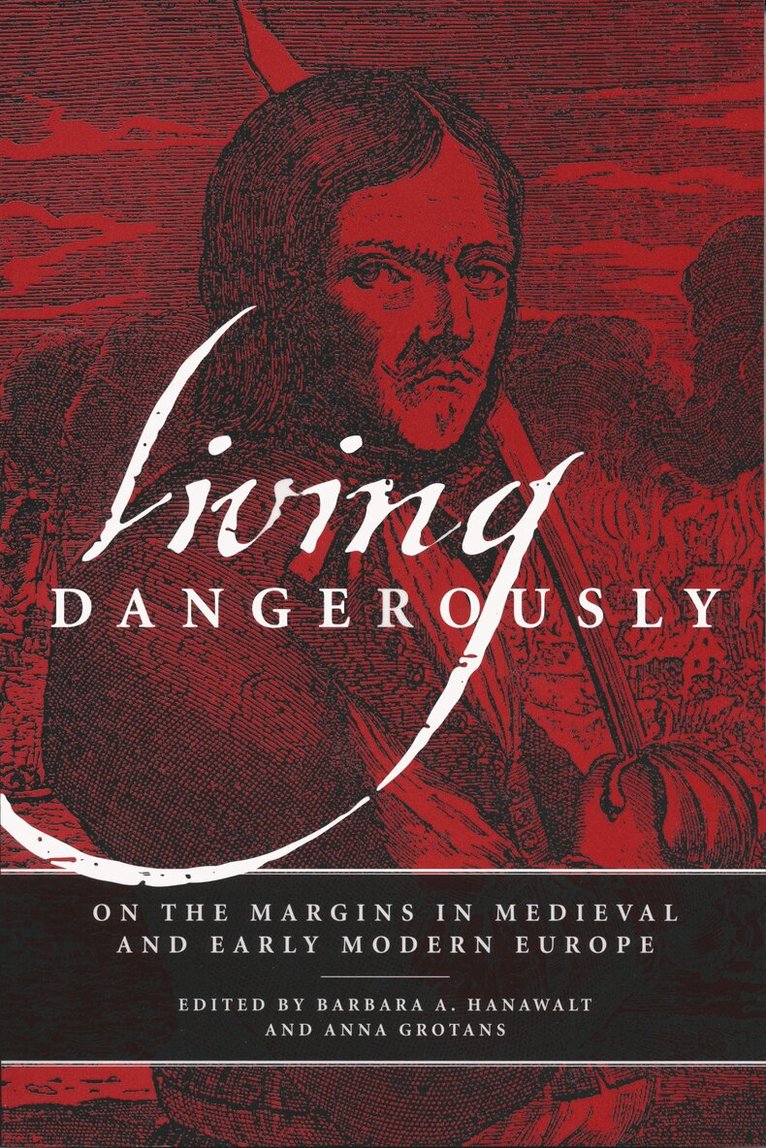
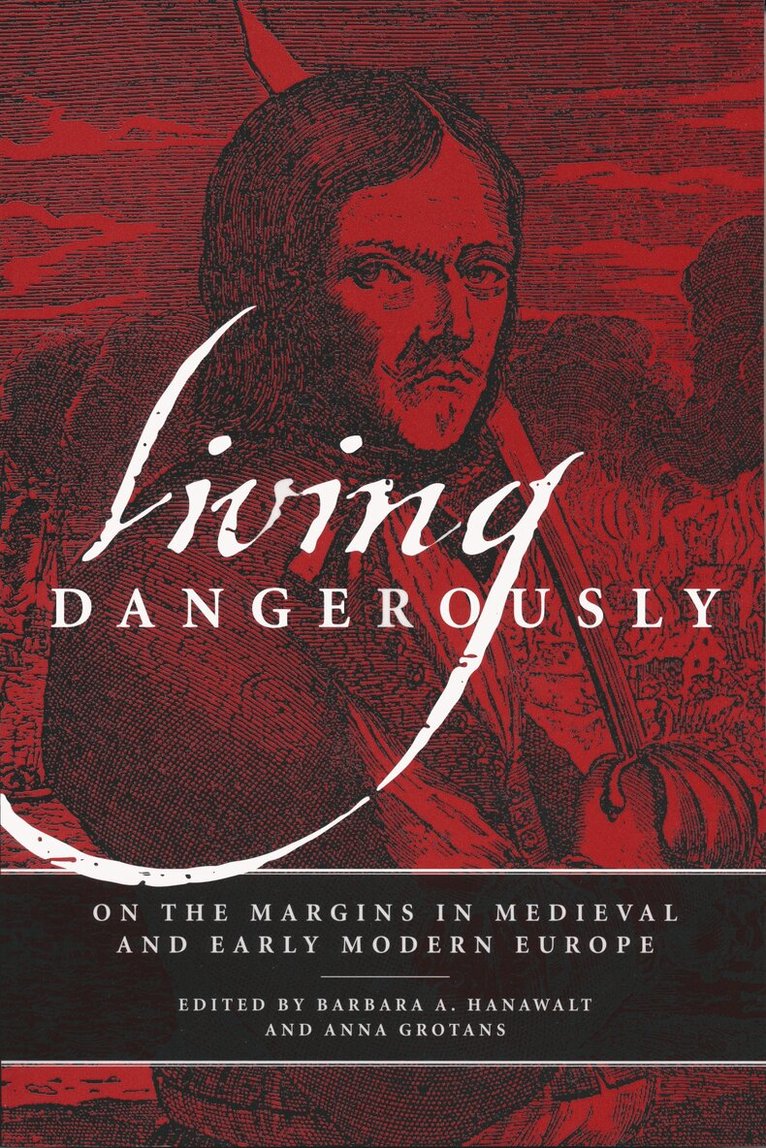
The essays in Living Dangerously, written by some of the leading scholars in the fields of history and literature, examine the lives of those who lived on the margins of medieval and early modern European society. While some essays explore obvious marginalized classes, such as criminals, gypsies, and prostitutes, others challenge traditional understandings of the margin by showing that female mystics, speculators in the Dutch mercantile empire, and writers of satire, for example, could fall into the margins. These essays reveal the symbiotic relationship that exists between the marginalized and the social establishment: the dominant culture needs its margins. This well-written and lively collection covers a wide geographical area, including England, Spain, Germany, Italy, France, and the Netherlands, making it an ideal resource for a broad range of courses in European history and literature. Contributors: Barbara A. Hanawalt, Richard Firth Green, Vickie Ziegler, Dyan Elliott, Anne J. Cruz, Ian Frederick Moulton, and Mary Lindemann.
Engaging with Nature
Essays on the Natural World in Medieval and Early Modern Europe
Häftad, Engelska, 2008
324 kr
Skickas inom 10-15 vardagar
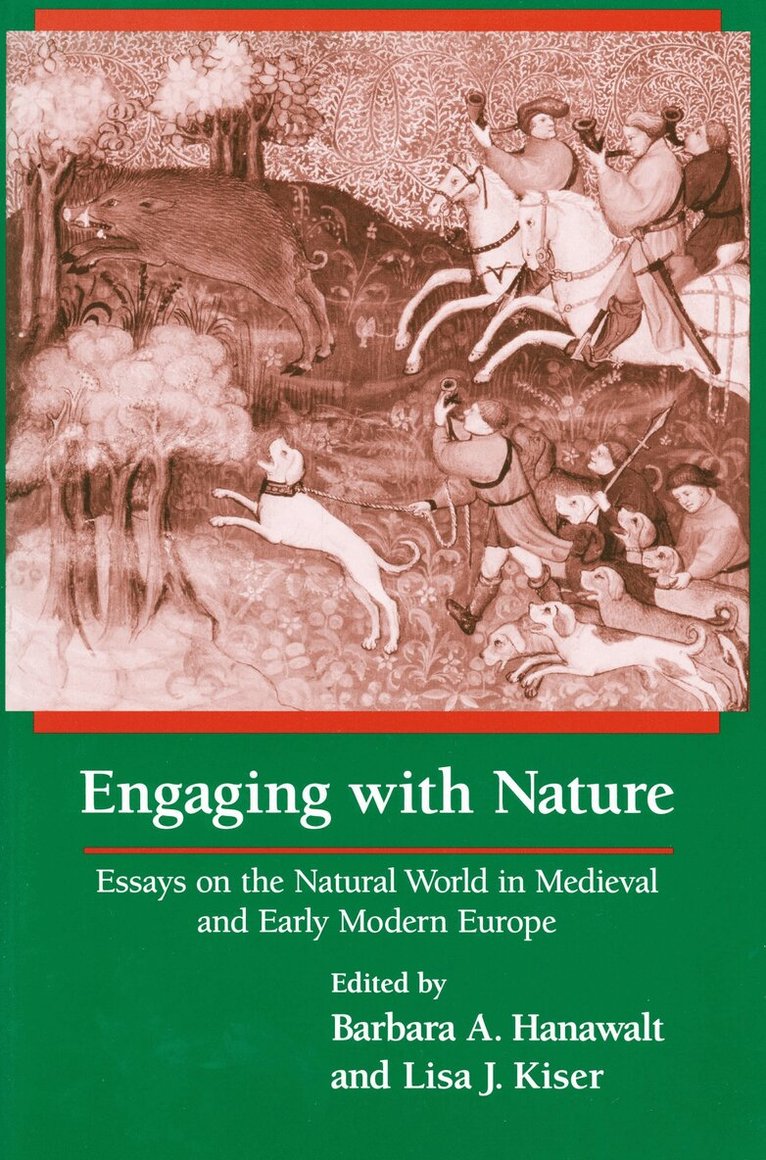
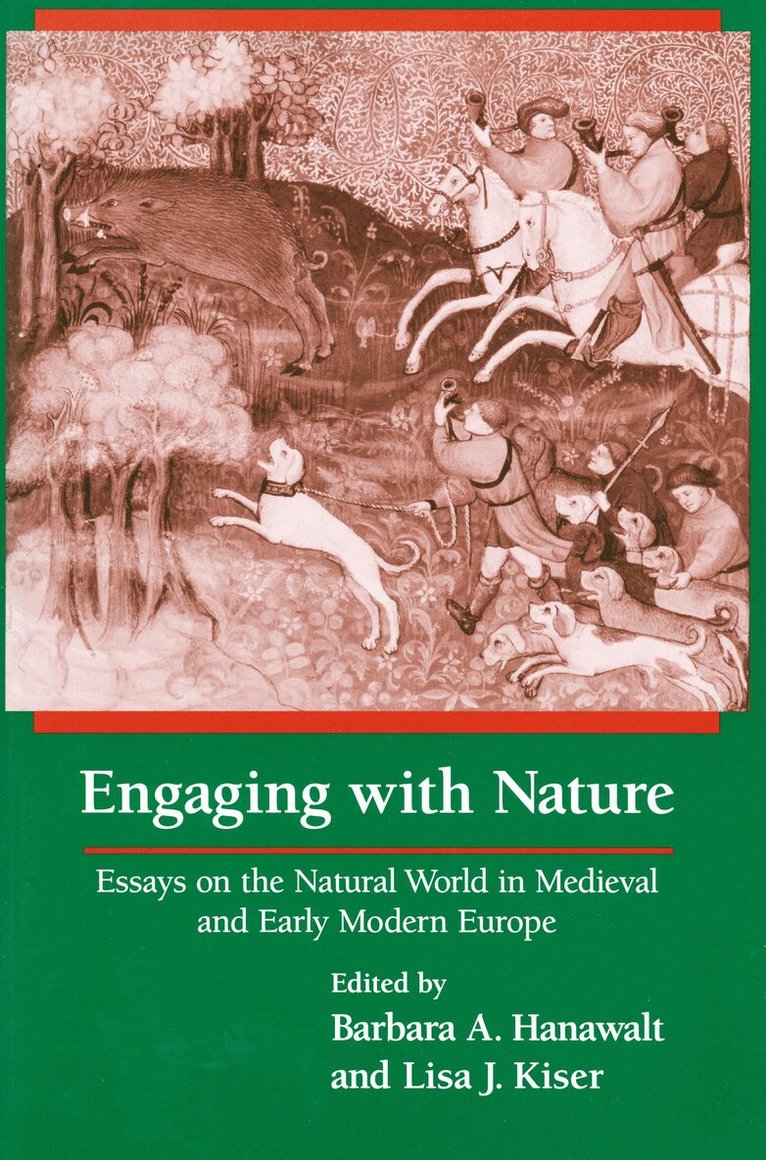
Historians and cultural critics face special challenges when treating the nonhuman natural world in the medieval and early modern periods. Their most daunting problem is that in both the visual and written records of the time, nature seems to be both everywhere and nowhere. In the broadest sense, nature was everywhere, for it was vital to human survival. Agriculture, animal husbandry, medicine, and the patterns of human settlement all have their basis in natural settings. Humans also marked personal, community, and seasonal events by natural occurrences and built their cultural explanations around the workings of nature, which formed the unspoken backdrop for every historical event and document of the time. Yet in spite of the ubiquity of nature's continual presence in the physical surroundings and the artistic and literary cultures of these periods, overt discussion of nature is often hard to find. Until the sixteenth century, responses to nature were quite often recorded only in the course of investigating other subjects. In a very real sense, nature went without saying. As a result, modern scholars analyzing the concept of nature in the history of medieval and early modern Europe must often work in deeply interdisciplinary ways. This challenge is deftly handled by the contributors to Engaging with Nature, whose essays provide insights into such topics as concepts of animal/human relationships; environmental and ecological history; medieval hunting; early modern collections of natural objects; the relationship of religion and nature; the rise of science; and the artistic representations of exotic plants and animals produced by Europeans encountering the New World.
Engaging with Nature
Essays on the Natural World in Medieval and Early Modern Europe
Inbunden, Engelska, 2022
1 109 kr
Skickas inom 10-15 vardagar
Historians and cultural critics face special challenges when treating the nonhuman natural world in the medieval and early modern periods. Their most daunting problem is that in both the visual and written records of the time, nature seems to be both everywhere and nowhere. In the broadest sense, nature was everywhere, for it was vital to human survival. Agriculture, animal husbandry, medicine, and the patterns of human settlement all have their basis in natural settings. Humans also marked personal, community, and seasonal events by natural occurrences and built their cultural explanations around the workings of nature, which formed the unspoken backdrop for every historical event and document of the time. Yet in spite of the ubiquity of nature's continual presence in the physical surroundings and the artistic and literary cultures of these periods, overt discussion of nature is often hard to find. Until the sixteenth century, responses to nature were quite often recorded only in the course of investigating other subjects. In a very real sense, nature went without saying. As a result, modern scholars analyzing the concept of nature in the history of medieval and early modern Europe must often work in deeply interdisciplinary ways. This challenge is deftly handled by the contributors to Engaging with Nature, whose essays provide insights into such topics as concepts of animal/human relationships; environmental and ecological history; medieval hunting; early modern collections of natural objects; the relationship of religion and nature; the rise of science; and the artistic representations of exotic plants and animals produced by Europeans encountering the New World.
1 109 kr
Skickas inom 10-15 vardagar
The essays in Living Dangerously, written by some of the leading scholars in the fields of history and literature, examine the lives of those who lived on the margins of medieval and early modern European society. While some essays explore obvious marginalized classes, such as criminals, gypsies, and prostitutes, others challenge traditional understandings of the margin by showing that female mystics, speculators in the Dutch mercantile empire, and writers of satire, for example, could fall into the margins. These essays reveal the symbiotic relationship that exists between the marginalized and the social establishment: the dominant culture needs its margins. This well-written and lively collection covers a wide geographical area, including England, Spain, Germany, Italy, France, and the Netherlands, making it an ideal resource for a broad range of courses in European history and literature. Contributors: Barbara A. Hanawalt, Richard Firth Green, Vickie Ziegler, Dyan Elliott, Anne J. Cruz, Ian Frederick Moulton, and Mary Lindemann.
284 kr
Skickas inom 7-10 vardagar
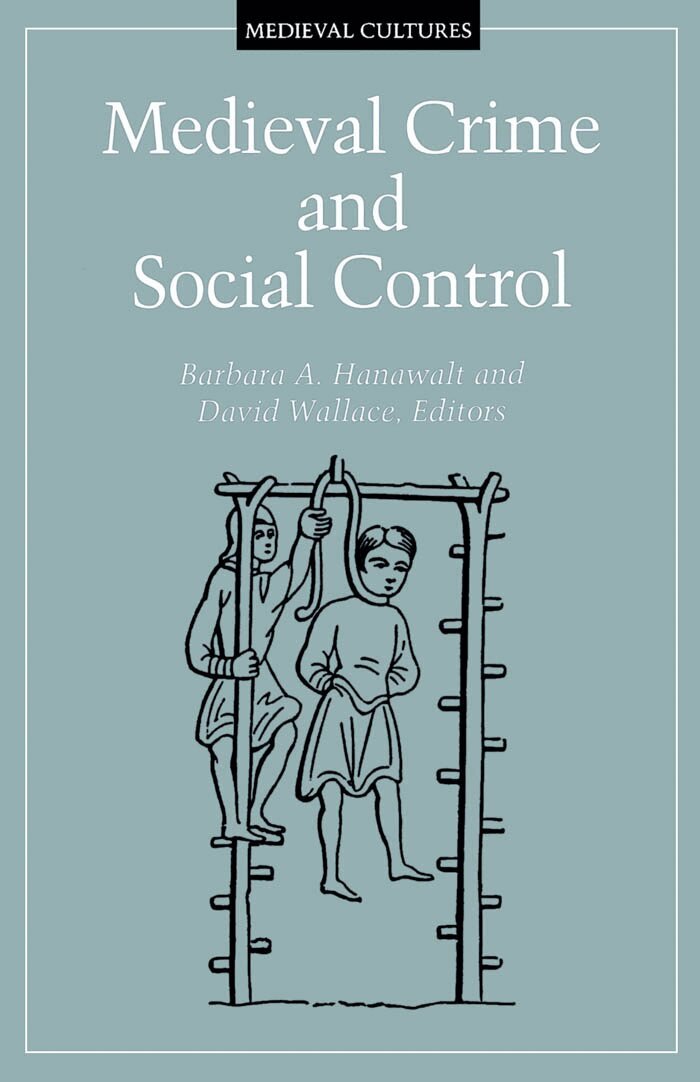
Uses historical and literary insights to consider crime and punishment in the Middle Ages.Crime is a matter of interpretation, and never was this truer than in the Middle Ages, when societies faced with new ideas and pressures were continually forced to rethink what a crime was-and what was a crime. This collection undertakes a thorough exploration of shifting definitions of crime and changing attitudes toward social control in medieval Europe. These essays-by leading specialists in European history and literature-reveal how various forces in medieval society interacted and competed in interpreting and influencing mechanisms for social control. They also demonstrate how well the different methods of history and literature combine to illuminate these developments.The essays show how the play with boundaries between legitimate and illegitimate actions took place not only in laws and courts, but also in the writing of social commentators such as John Fortescue and Jean Gerson, in the works of authors such as William Langland and Geoffrey Chaucer, and in popular literature such as sagas and romances. Drawing on a wide range of historical and literary sources-legal treatises, court cases, statutes, poems, romances, and comic tales-the contributors consider topics including fear of crime, rape and violence against women, revenge and condemnations of crime, learned dispute about crime and social control, and legal and political struggles over hunting rights. Their work shows how medieval society also defined its boundaries in contested spaces such as taverns and forests and in the different rules applying to the behavior and treatment of men and women.Contributors: Christopher Cannon, Oxford U; Elizabeth Fowler, Yale U; Louise O. Fradenburg, U of California, Santa Barbara; Claude Gauvard, Sorbonne; James H. Landman, U of North Texas; William Perry Marvin, Colorado State U; William Ian Miller, U of Michigan; Louise Mirrer, CUNY; Walter Prevenier, U of Ghent.ISBN 0-8166-3168-9 Cloth $49.95xxISBN 0-8166-3169-7 Paper $19.95x268 pages 5 7/8 x 9 JanuaryMedieval Cultures Series, volume 16Translation inquiries: University of Minnesota Press
319 kr
Skickas inom 7-10 vardagar
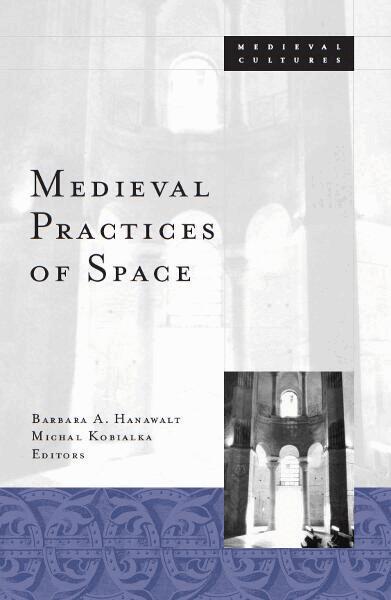
Interprets space and place in the medieval era.Interprets space and place in the medieval era. A glance at medieval maps tells us that cartographers of the Middle Ages divided space differently than we do today. In the great mappae mundi, for instance, Jerusalem takes center stage, with an image of the crucified Christ separating one place from another. The architects of medieval cathedrals manipulated space to clarify the roles and status of all who entered. Even in the most everyday context, space was allotted according to gender and class and was freighted with infinitely subtle meanings. The contributors to this volume cross disciplinary and theoretical boundaries to read the words, metaphors, images, signs, poetic illusions, and identities with which medieval men and women used space and place to add meaning to the world.Contributors: Kathleen Biddick, U of Notre Dame; Charles Burroughs, SUNY, Binghamton; Michael Camille, U of Chicago; Tom Conley, Harvard U; Donnalee Dox, U of Arizona; Jody Enders, U of California, Santa Barbara; Valerie K. J. Flint, U of Hull, UK; Andrzej Piotrowski, U of Minnesota; Daniel Lord Smail, Fordham U.Barbara A. Hanawalt is King George III Professor of British History at Ohio State University. Michal Kobialka is associate professor of theatre at University of Minnesota.