Barbara A. Holdrege - Böcker
Visar alla böcker från författaren Barbara A. Holdrege. Handla med fri frakt och snabb leverans.
8 produkter
8 produkter
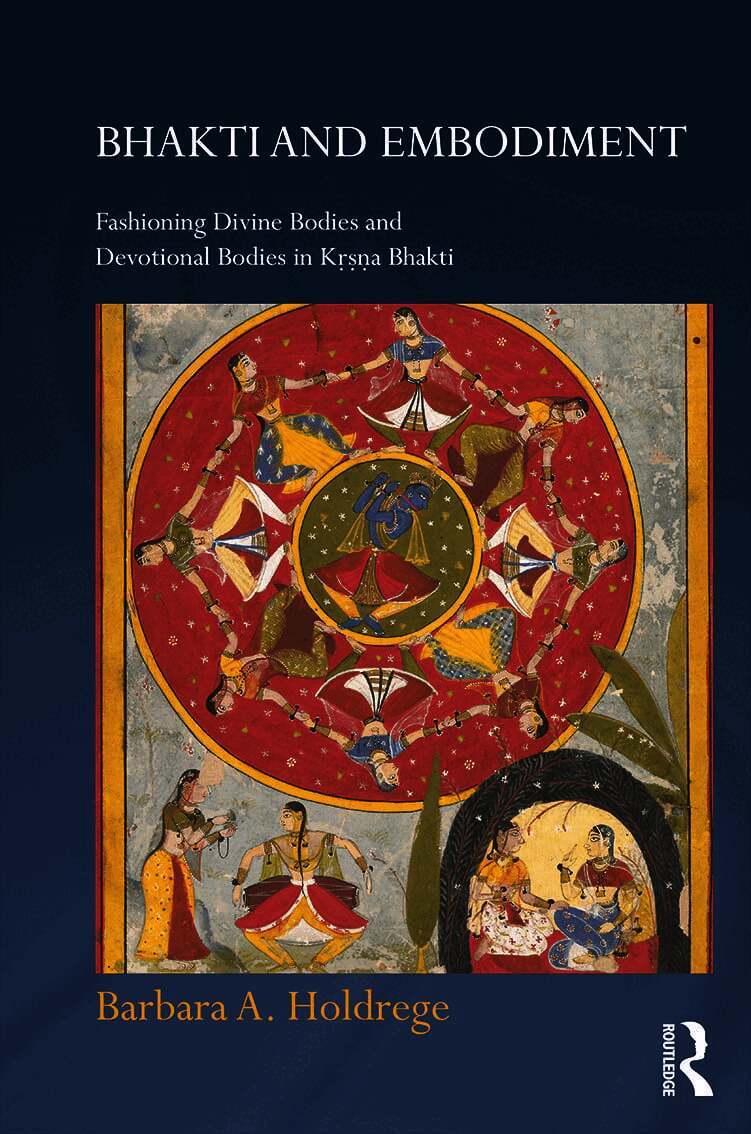
Bhakti and Embodiment
Fashioning Divine Bodies and Devotional Bodies in Krsna Bhakti
Inbunden, Engelska, 2015
2 289 kr
Skickas inom 10-15 vardagar
The historical shift from Vedic traditions to post-Vedic bhakti (devotional) traditions is accompanied by a shift from abstract, translocal notions of divinity to particularized, localized notions of divinity and a corresponding shift from aniconic to iconic traditions and from temporary sacrificial arenas to established temple sites. In Bhakti and Embodiment Barbara Holdrege argues that the various transformations that characterize this historical shift are a direct consequence of newly emerging discourses of the body in bhakti traditions in which constructions of divine embodiment proliferate, celebrating the notion that a deity, while remaining translocal, can appear in manifold corporeal forms in different times and different localities on different planes of existence. Holdrege suggests that an exploration of the connections between bhakti and embodiment is critical not only to illuminating the distinctive transformations that characterize the emergence of bhakti traditions but also to understanding the myriad forms that bhakti has historically assumed up to the present time.This study is concerned more specifically with the multileveled models of embodiment and systems of bodily practices through which divine bodies and devotional bodies are fashioned in Krsna bhakti traditions and focuses in particular on two case studies: the Bhagavata Purana, the consummate textual monument to Vaisnava bhakti, which expresses a distinctive form of passionate and ecstatic bhakti that is distinguished by its embodied nature; and the Gaudiya Vaisnava tradition, an important bhakti tradition inspired by the Bengali leader Caitanya in the sixteenth century, which articulates a robust discourse of embodiment pertaining to the divine bodies of Krsna and the devotional bodies of Krsna bhaktas that is grounded in the canonical authority of the Bhagavata Purana.
1 057 kr
Tillfälligt slut
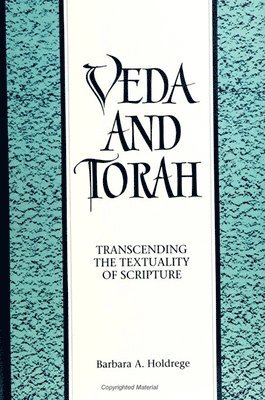
Enlarges our understanding of the term "scripture" through a comparative study of Veda and Torah.In Veda and Torah, Barbara Holdrege offers a groundbreaking study of two of the world's most revered spiritual traditions. This scholarly work delves into the Veda and the Torah not just as sacred scriptures, but as complex systems of meaning, each with its own symbolic context and history of interpretation. By approaching the Veda and the Torah as dynamic, living traditions rather than static texts, Holdrege expands our understanding of what constitutes scripture and how these texts function within their respective religious and cultural worlds.Holdrege explores the profound relationship between word and creation in both traditions, examining the role of sacred texts in shaping cosmology and the human experience of the divine. From the Vedic concepts of creation and cognition to the Torah's role in revelation and spiritual practice, the book offers a nuanced comparative analysis that bridges the intellectual and theological divides between Hinduism and Judaism. By engaging with diverse sources—from Vedic mythologies and post-Vedic philosophical systems to Kabbalistic teachings and Midrashic exegesis—Holdrege provides a rich, multi-dimensional view of these traditions' sacred writings.The book is divided into three thematic parts: "The Word in Creation," "From Word to Text," and "Text in Practice," each of which draws on detailed textual analysis and comparative studies. Holdrege illuminates how both Veda and Torah serve as more than texts—they are vibrant, living forces that shape religious practice, authority, and identity. This work is essential reading for scholars of religion, comparative theology, and philosophy, as well as those interested in the intricate ways sacred words shape our world.
462 kr
Tillfälligt slut
Enlarges our understanding of the term "scripture" through a comparative study of Veda and Torah.In Veda and Torah, Barbara Holdrege offers a groundbreaking study of two of the world's most revered spiritual traditions. This scholarly work delves into the Veda and the Torah not just as sacred scriptures, but as complex systems of meaning, each with its own symbolic context and history of interpretation. By approaching the Veda and the Torah as dynamic, living traditions rather than static texts, Holdrege expands our understanding of what constitutes scripture and how these texts function within their respective religious and cultural worlds.Holdrege explores the profound relationship between word and creation in both traditions, examining the role of sacred texts in shaping cosmology and the human experience of the divine. From the Vedic concepts of creation and cognition to the Torah's role in revelation and spiritual practice, the book offers a nuanced comparative analysis that bridges the intellectual and theological divides between Hinduism and Judaism. By engaging with diverse sources—from Vedic mythologies and post-Vedic philosophical systems to Kabbalistic teachings and Midrashic exegesis—Holdrege provides a rich, multi-dimensional view of these traditions' sacred writings.The book is divided into three thematic parts: "The Word in Creation," "From Word to Text," and "Text in Practice," each of which draws on detailed textual analysis and comparative studies. Holdrege illuminates how both Veda and Torah serve as more than texts—they are vibrant, living forces that shape religious practice, authority, and identity. This work is essential reading for scholars of religion, comparative theology, and philosophy, as well as those interested in the intricate ways sacred words shape our world.
Bhakti and Embodiment
Fashioning Divine Bodies and Devotional Bodies in Krsna Bhakti
Häftad, Engelska, 2018
698 kr
Skickas inom 10-15 vardagar
The historical shift from Vedic traditions to post-Vedic bhakti (devotional) traditions is accompanied by a shift from abstract, translocal notions of divinity to particularized, localized notions of divinity and a corresponding shift from aniconic to iconic traditions and from temporary sacrificial arenas to established temple sites. In Bhakti and Embodiment Barbara Holdrege argues that the various transformations that characterize this historical shift are a direct consequence of newly emerging discourses of the body in bhakti traditions in which constructions of divine embodiment proliferate, celebrating the notion that a deity, while remaining translocal, can appear in manifold corporeal forms in different times and different localities on different planes of existence. Holdrege suggests that an exploration of the connections between bhakti and embodiment is critical not only to illuminating the distinctive transformations that characterize the emergence of bhakti traditions but also to understanding the myriad forms that bhakti has historically assumed up to the present time.This study is concerned more specifically with the multileveled models of embodiment and systems of bodily practices through which divine bodies and devotional bodies are fashioned in Krsna bhakti traditions and focuses in particular on two case studies: the Bhagavata Purana, the consummate textual monument to Vaisnava bhakti, which expresses a distinctive form of passionate and ecstatic bhakti that is distinguished by its embodied nature; and the Gaudiya Vaisnava tradition, an important bhakti tradition inspired by the Bengali leader Caitanya in the sixteenth century, which articulates a robust discourse of embodiment pertaining to the divine bodies of Krsna and the devotional bodies of Krsna bhaktas that is grounded in the canonical authority of the Bhagavata Purana.
402 kr
Tillfälligt slut
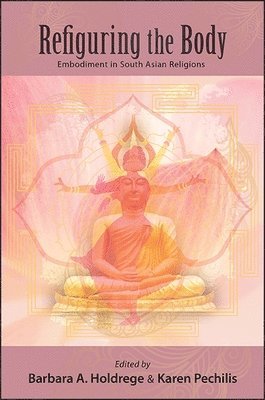
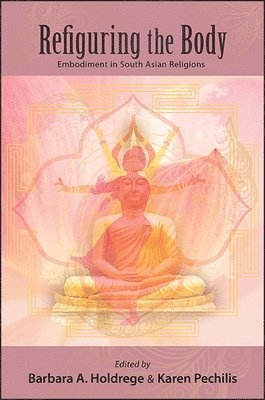
Examines how embodiment is conceived and experienced in South Asian religions.Refiguring the Body provides a sustained interrogation of categories and models of the body grounded in the distinctive idioms of South Asian religions, particularly Hindu and Buddhist traditions. The contributors engage prevailing theories of the body in the Western academy that derive from philosophy, social theory, and feminist and gender studies. At the same time, they recognize the limitations of applying Western theoretical models as the default epistemological framework for understanding notions of embodiment that derive from non-Western cultures. Divided into three sections, this collection of essays explores material bodies, embodied selves, and perfected forms of embodiment; divine bodies and devotional bodies; and gendered logics defining male and female bodies. The contributors seek to establish theory parity in scholarly investigations and to re-figure body theories by taking seriously the contributions of South Asian discourses to theorizing the body.
1 057 kr
Skickas inom 5-8 vardagar
Examines how embodiment is conceived and experienced in South Asian religions.Refiguring the Body provides a sustained interrogation of categories and models of the body grounded in the distinctive idioms of South Asian religions, particularly Hindu and Buddhist traditions. The contributors engage prevailing theories of the body in the Western academy that derive from philosophy, social theory, and feminist and gender studies. At the same time, they recognize the limitations of applying Western theoretical models as the default epistemological framework for understanding notions of embodiment that derive from non-Western cultures. Divided into three sections, this collection of essays explores material bodies, embodied selves, and perfected forms of embodiment; divine bodies and devotional bodies; and gendered logics defining male and female bodies. The contributors seek to establish theory parity in scholarly investigations and to re-figure body theories by taking seriously the contributions of South Asian discourses to theorizing the body.
Hindus, Jews, and the Politics of Comparison
Embodied Communities and Models of Religious Tradition
Inbunden, Engelska, 2026
1 276 kr
Skickas inom 10-15 vardagar
In Hindus, Jews, and the Politics of Comparison: Embodied Communities and Models of Religious Tradition, Barbara A. Holdrege emphasizes the role of comparative study as a method of critical interrogation that can serve as a means to challenge hegemonic taxonomies and categories in the academy and to reconstitute our scholarly discourse to allow for a multiplicity of epistemologies. Holdrege provides an extended series of reflections on the politics, problematics, and dynamics of comparison in which she explores how certain analytical categories in the study of religion—such as the body, scripture, sacrifice, purity, and food—can be fruitfully reimagined through a comparative analysis of their Hindu and Jewish instantiations. The author argues that this re-visioning of analytical categories through sustained comparative historical studies of a range of Hindu and Jewish traditions can provide the basis for generating alternative imaginaries to the prevailing Eurocentric and Protestant-based paradigms in the academy that have perpetuated the ideals of Enlightenment discourse and colonial and neocolonial projects. Such studies can serve as an important corrective to the scholarly practices through which certain categories and models have been privileged over others in the social sciences and humanities and in religious studies more specifically.
Hindus, Jews, and the Politics of Comparison: Embodied Communities and Models of Religious Tradition
Häftad, Engelska, 2027
635 kr
Kommande