Barbara Engelking – författare
Visar alla böcker från författaren Barbara Engelking. Handla med fri frakt och snabb leverans.
5 produkter
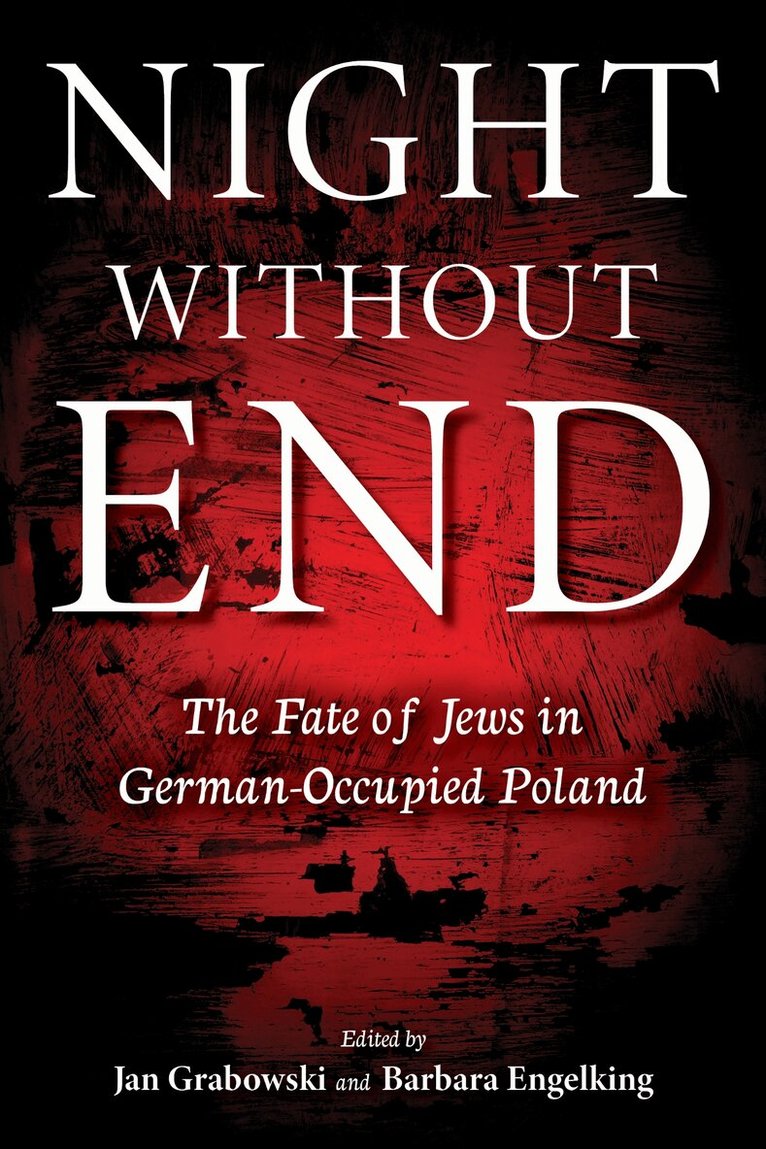
Night Without End
The Fate of Jews in German-Occupied Poland
Av Jan Grabowski, Jan Grabowski m. fl.
Inbunden, 2022
1164 kr
Lägg i varukorg
Three million Polish Jews were murdered in the Holocaust, wiping out nearly 98 percent of the Jewish population who had lived and thrived there for generations. Night Without End tells the stories of their resistance, suffering, and death in unflinching, horrific detail. Based on meticulous …
Night Without End
The Fate of Jews in German-Occupied Poland
Av Jan Grabowski, Jan Grabowski m. fl.
Häftad, 2022
419 kr
Lägg i varukorg
Three million Polish Jews were murdered in the Holocaust, wiping out nearly 98 percent of the Jewish population who had lived and thrived there for generations. Night Without End tells the stories of their resistance, suffering, and death in unflinching, horrific detail. Based on meticulous …
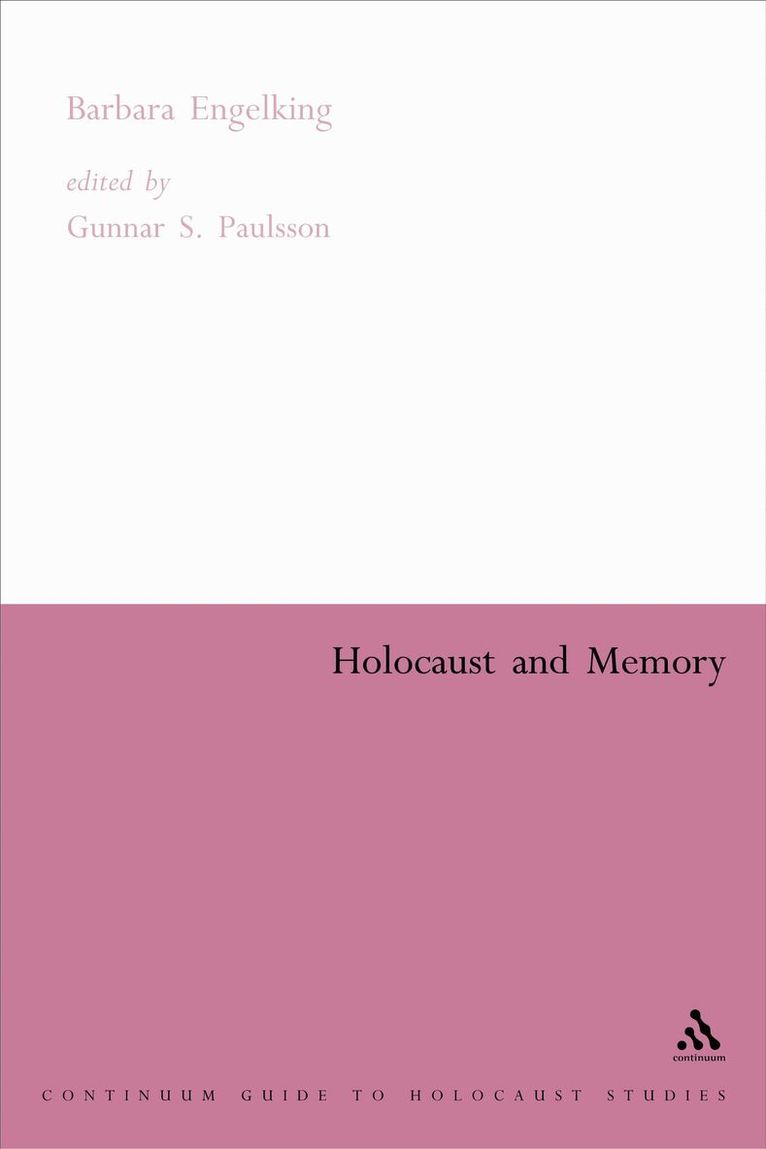
Holocaust and Memory
Av Barbara Engelking, Gunnar Paulsson m. fl.
E-bok, 2002
1204 kr
Lägg i varukorg
"The book is the product of a protracted, laborious and scrupulous research and draws on a most extensive and varied assembly of documents. But the archival evidence, factual accounts and even personal narratives would have remained remote, dry and cold if not for the author''s remarkable gift of …
Holocaust and Memory
The Experience of the Holocaust and Its Consequences - An Investigation Based on Personal Narratives
Av Barbara Engelking, Gunnar Paulsson m. fl.
Inbunden, 2002
1096 kr
Lägg i varukorg
Based on interviews with Holocaust survivors, this book describes their life during the war and the sense which they made of it. It assumes that oral testimony is of more value than written, forcing the researcher to take on the role of active participant in a common effort to construct meaning. …
Holocaust and Memory
Av Barbara Engelking, Gunnar Paulsson m. fl.
Häftad, 2004
1319 kr
Lägg i varukorg
Originally published in Polish to great acclaim and based on interviews with survivors of the Holocaust in Poland, Holocaust and Memory provides a moving description of their life during the war and the sense they made of it. The book begins by looking at the differences between the wartime …