Basil A. Reid – författare
Visar alla böcker från författaren Basil A. Reid. Handla med fri frakt och snabb leverans.
8 produkter
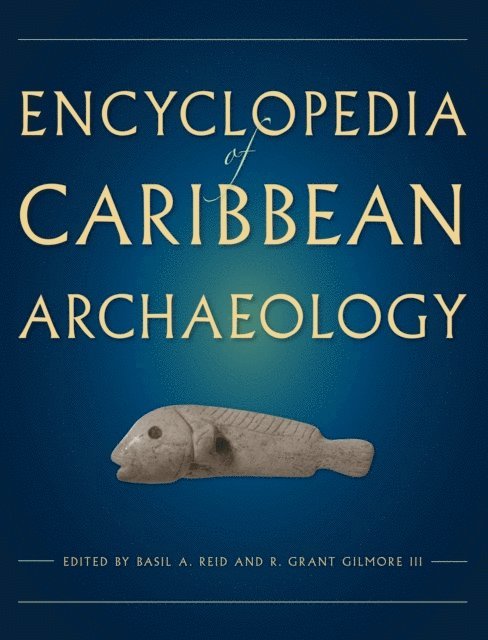
Encyclopedia of Caribbean Archaeology
Av R. Grant Gilmore III, Basil A. Reid
E-bok, 2014
1745 kr
Lägg i varukorg
Encyclopedia of Caribbean Archaeology offers a comprehensive overview of the available archaeological research conducted in the region. Beginning with the earliest native migrations and moving through contemporary issues of heritage management, the contributors tackle the usual questions of …
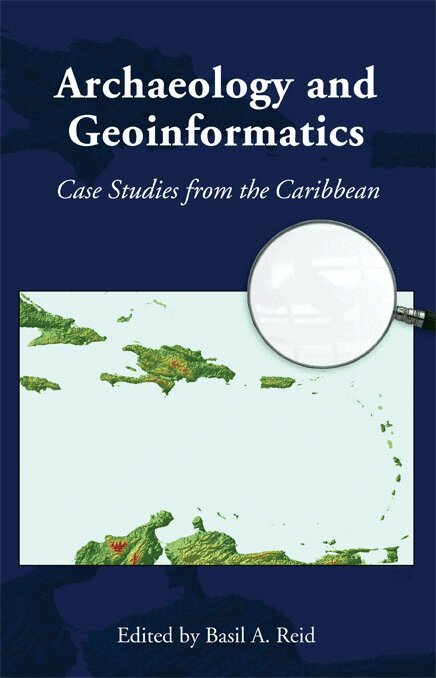
Archaeology and Geoinformatics
Case Studies from the Caribbean
Häftad, 2008
396 kr
Lägg i varukorg
This book contains tremendous insight and an excellent grasp of the special geoinformatics needs of Caribbean researchers. Addressing the use of geoinformatics in Caribbean archaeology, this volume is based on case studies drawn from specific island territories, namely, Barbados, St. John, Puerto …
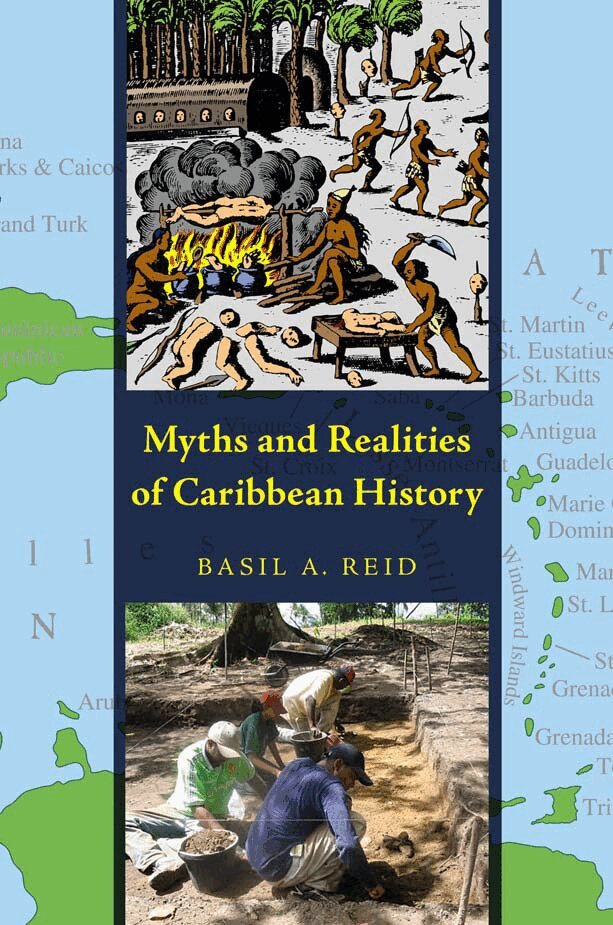
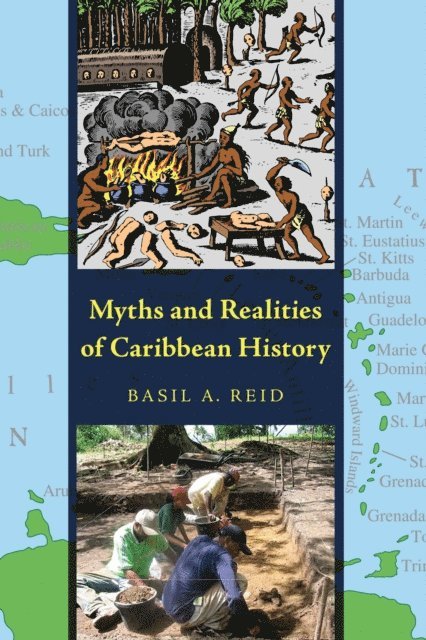
Myths and Realities of Caribbean History
Häftad, 2009
223 kr
Lägg i varukorg
This book seeks to debunk eleven popular and prevalent myths about Caribbean history. Using archaeological evidence, it corrects many previous misconceptions promulgated by history books and oral tradition as they specifically relate to the pre-Colonial and European-contact periods. It informs …
Archaeology and Geoinformatics
Case Studies from the Caribbean
E-bok, 2009
682 kr
Lägg i varukorg
Provides tremendous insight and an excellent grasp of the special geoinformatics needs of Caribbean researchers Addressing the use of geoinformatics in Caribbean archaeology, this volume is based on case studies drawn from specific island territories, namely, Barbados, St. John, Puerto Rico, …
Myths and Realities of Caribbean History
E-bok, 2009
293 kr
Lägg i varukorg
This book seeks to debunk eleven popular and prevalent myths about Caribbean history. Using archaeological evidence, it corrects many previous misconceptions promulgated by history books and oral tradition as they specifically relate to the pre-Colonial and European-contact periods. It informs …
Crime Solving Toolkit
Forensics in the Caribbean
Häftad, 2009
388 kr
Lägg i varukorg
Unacceptably high murder and crime rates in the Caribbean have captured the attention of the world and Caribbean policymakers, and forensics provides a key tool in prosecuting criminals and reducing crime. Although forensic sciences have been judiciously applied in the Caribbean for decades, the …
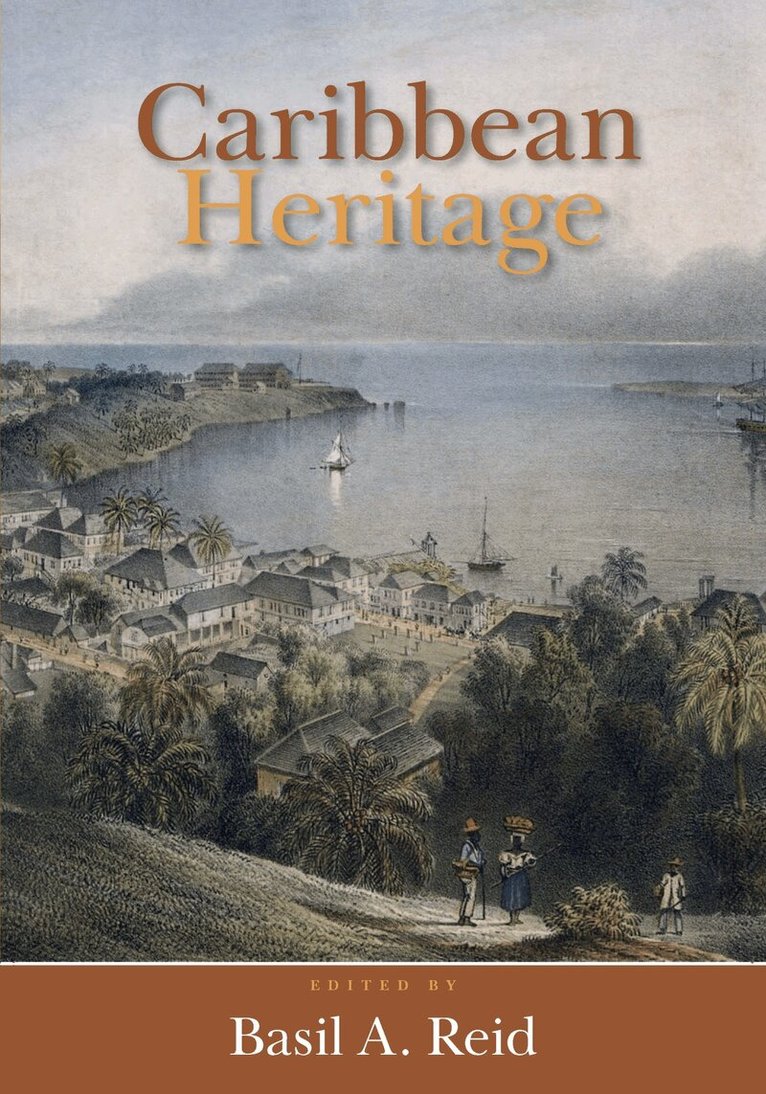
Caribbean Heritage
Häftad, 2012
495 kr
Lägg i varukorg
This volume provides an important entrée into the current thinking and rethinking on Caribbean heritage. Included are several topics that represent the rich plurality of the Caribbean experience, such as symbolism, popular culture, literature, linguistics, pedagogy, philanthropy, natural history, …
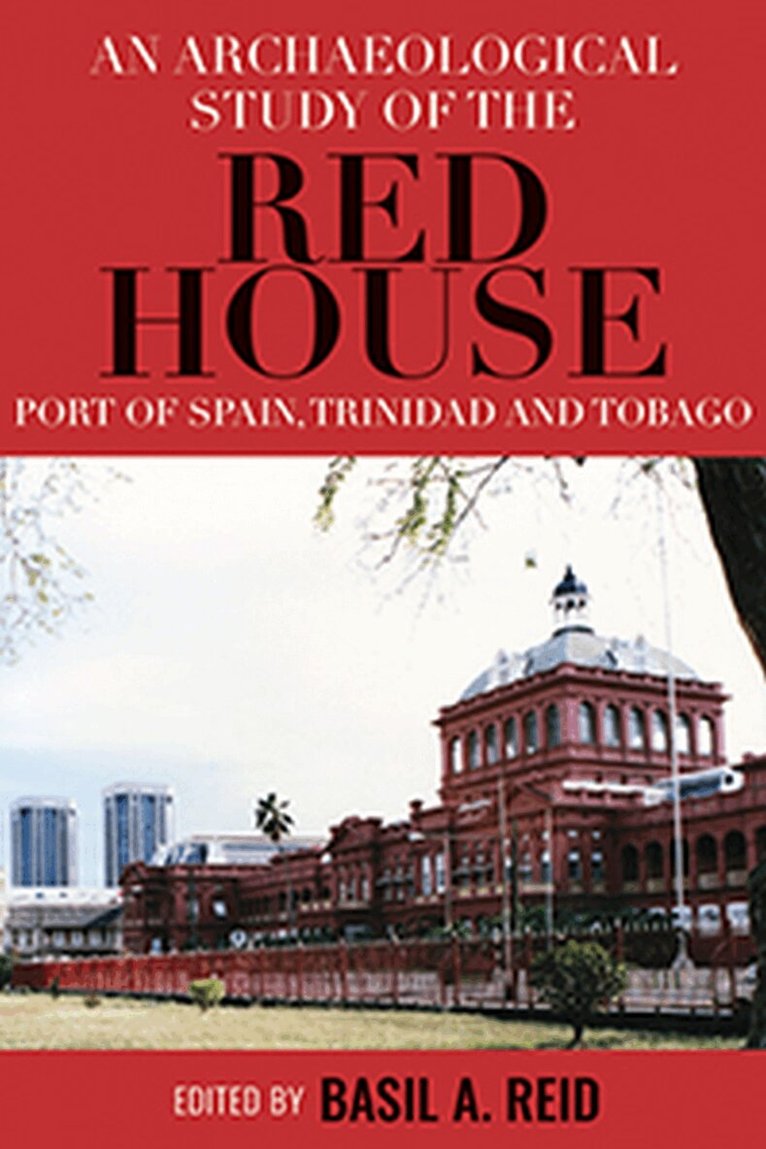
Archaeological Study of the Red House, Port of Spain, Trinidad and Tobago
Häftad, 2018
561 kr
Lägg i varukorg
Originally built in 1844 and rebuilt in 1907 after being gutted by fire during the 1903 water riots, the Red House has been the seat of Trinidad and Tobago’s parliament for over one hundred years. As a result of archaeological discoveries made in the basement of the Red House in March–April 2013, …