Benjamin Houston – Författare
Visar alla böcker från författaren Benjamin Houston. Handla med fri frakt och snabb leverans.
5 produkter
5 produkter
1 162 kr
Tillfälligt slut
351 kr
Skickas inom 11-20 vardagar
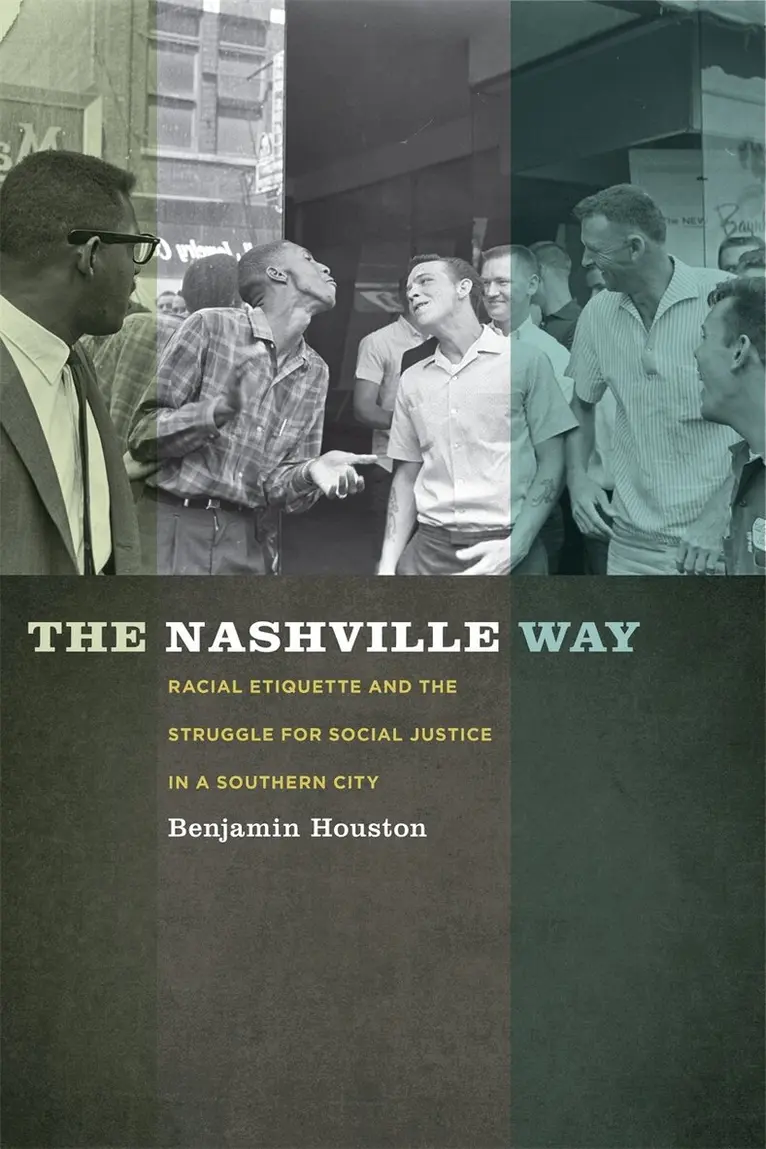
Nashville Way
Racial Etiquette and the Struggle for Social Justice in a Southern City
Inbunden, Engelska, 2012
1 236 kr
Skickas inom 5-8 vardagar
Among Nashville’s many slogans, the one that best reflects its emphasis on manners and decorum is the Nashville Way, a phrase coined by boosters to tout what they viewed as the city’s amicable race relations. Benjamin Houston offers the first scholarly book on the history of civil rights in Nashville, providing new insights and critiques of this moderate progressivism for which the city has long been credited.Civil rights leaders such as John Lewis, James Bevel, Diane Nash, and James Lawson who came into their own in Nashville were devoted to nonviolent direct action, or what Houston calls the “black Nashville Way.” Through the dramatic story of Nashville’s 1960 lunch counter sit-ins, Houston shows how these activists used nonviolence to disrupt the coercive script of day-to-day race relations. Nonviolence brought the threat of its opposite—white violence— into stark contrast, revealing that the Nashville Way was actually built on a complex relationship between etiquette and brute force. Houston goes on to detail how racial etiquette forged in the era of Jim Crow was updated in the civil rights era. Combined with this updated racial etiquette, deeper structural forces of politics and urban renewal dictate racial realities to this day.In The Nashville Way, Houston shows that white power was surprisingly adaptable. But the black Nashville Way also proved resilient as it was embraced by thousands of activists who continued to fight battles over schools, highway construction, and economic justice even after most Americans shifted their focus to southern hotspots like Birmingham and Memphis.
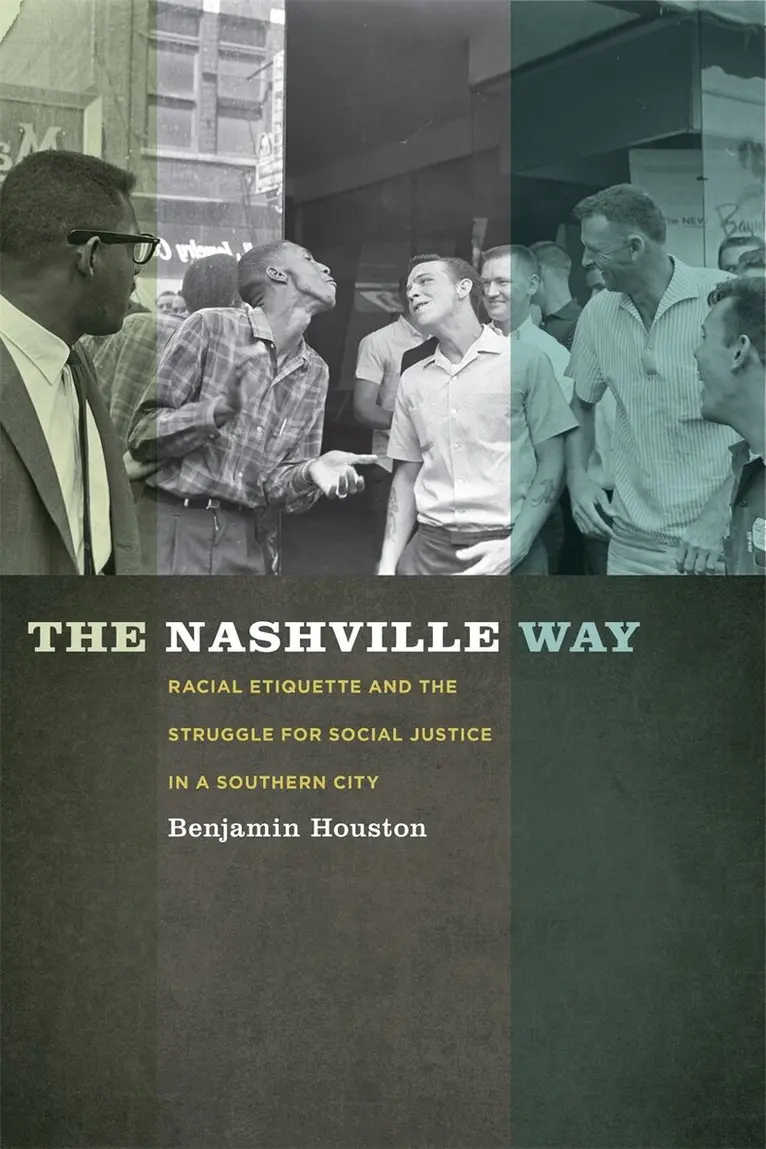
Nashville Way
Racial Etiquette and the Struggle for Social Justice in a Southern City
Häftad, Engelska, 2012
502 kr
Skickas inom 5-8 vardagar
Among Nashville’s many slogans, the one that best reflects its emphasis on manners and decorum is the Nashville Way, a phrase coined by boosters to tout what they viewed as the city’s amicable race relations. Benjamin Houston offers the first scholarly book on the history of civil rights in Nashville, providing new insights and critiques of this moderate progressivism for which the city has long been credited.Civil rights leaders such as John Lewis, James Bevel, Diane Nash, and James Lawson who came into their own in Nashville were devoted to nonviolent direct action, or what Houston calls the “black Nashville Way.” Through the dramatic story of Nashville’s 1960 lunch counter sit-ins, Houston shows how these activists used nonviolence to disrupt the coercive script of day-to-day race relations. Nonviolence brought the threat of its opposite—white violence— into stark contrast, revealing that the Nashville Way was actually built on a complex relationship between etiquette and brute force. Houston goes on to detail how racial etiquette forged in the era of Jim Crow was updated in the civil rights era. Combined with this updated racial etiquette, deeper structural forces of politics and urban renewal dictate racial realities to this day.In The Nashville Way, Houston shows that white power was surprisingly adaptable. But the black Nashville Way also proved resilient as it was embraced by thousands of activists who continued to fight battles over schools, highway construction, and economic justice even after most Americans shifted their focus to southern hotspots like Birmingham and Memphis.
208 kr
Skickas inom 7-10 vardagar
In February 1960, as lunch counter sit-ins began in Southern cities, national attention focused on Nashville, where demonstrations were carried out by an unusually organized and disciplined group of students tutored extensively in nonviolent direct action. Their mentor was Reverend James Lawson, a graduate student at Vanderbilt University Divinity School with longstanding nonviolent credentials. His workshops with Nashville students, exploring Gandhian style philosophies and tactics, had predated the famed Greensboro sit-ins.As demonstrations continued in Nashville and successive sit-ins saw violence erupt downtown, local Black ministers demanded an audience with Mayor Ben West. At this meeting, an exchange occurred that was misconstrued by subsequent newspaper reportage. Shortly thereafter, Lawson was summarily expelled from Vanderbilt, one semester shy of graduating.Lawson’s ouster triggered a wave of repercussions and headlines. After extended negotiations with their superiors were rebuffed, a large contingent of Divinity School faculty resigned en masse. Simmering dissension between the university’s professors, Board of Trust, and administrators kept the crisis ongoing. Sustained criticism of Vanderbilt both within the city and nationally made for a turbulent situation as Lawson’s expulsion came to symbolize profound tensions about civil rights and racial justice.