Beshara Doumani – författare
Visar alla böcker från författaren Beshara Doumani. Handla med fri frakt och snabb leverans.
2 produkter
2 produkter
292 kr
Skickas inom 7-10 vardagar
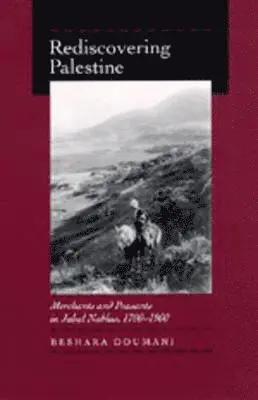
Drawing on previously unused primary sources, this book paints an intimate and vivid portrait of Palestinian society on the eve of modernity. Through the voices of merchants, peasants, and Ottoman officials, Beshara Doumani offers a major revision of standard interpretations of Ottoman history by investigating the ways in which urban-rural dynamics in a provincial setting appropriated and gave meaning to the larger forces of Ottoman rule and European economic expansion. He traces the relationship between culture, politics, and economic change by looking at how merchant families constructed trade networks and cultivated political power, and by showing how peasants defined their identity and formulated their notions of justice and political authority. Original and accessible, this study challenges nationalist constructions of history and provides a context for understanding the Palestinian-Israeli conflict. It is also the first comprehensive work on the Nablus region, Palestine's trade, manufacturing, and agricultural heartland, and a bastion of local autonomy. Doumani rediscovers Palestine by writing the inhabitants of this ancient land into history.
611 kr
Skickas inom 3-6 vardagar
Challenges conventional assumptions about the family and the modern Middle East.Despite the constant refrain that family is the most important social institution in Middle Eastern societies, only recently has it become the focus for rethinking the modern history of the Middle East. This book introduces exciting new findings by historians, anthropologists, and historical demographers that challenge pervasive assumptions about family made in the past. Using specific case studies based on original archival research and fieldwork, the contributors focus on the interplay between micro and macro processes of change and bridge the gap between materialist and discursive frameworks of analysis. They reveal the flexibility and dynamism of family life and show the complex juxtaposition of different rhythms of time (individual time, family time, historical time). These findings interface directly with and demonstrate the need for a critical reassessment of current debates on gender, modernity, and Islam.