Bethany Aram – författare
Visar alla böcker från författaren Bethany Aram. Handla med fri frakt och snabb leverans.
5 produkter
Juana the Mad
Sovereignty and Dynasty in Renaissance Europe
Av Bethany Aram
Inbunden, 2005
5,0 utav 5 stjärnor. Totalt antal röster: (1)
613 kr
Lägg i varukorg
Born to Isabel and Ferdinand, the Catholic Monarchs whose marriage united the realms of Castile and Aragon, Juana "the Mad" (1479-1555) is one of the most infamous but least studied monarchs of the Renaissance. Conventional accounts of Juana portray her as a sullen woman prone to depression, a …
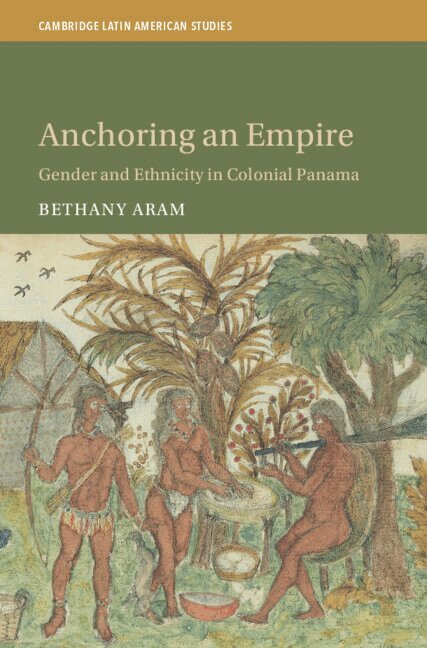
Anchoring an Empire
Gender and Ethnicity in Colonial Panama
Av Bethany Aram
Inbunden, 2025
1526 kr
Lägg i varukorg
Anchoring an Empire is a bottom-up exploration of how gender and ethnicity shaped the lived experience of Spanish subjects across the sixteenth- and seventeenth-century isthmus of Panama. Focusing on understudied historical actors, Bethany Aram sheds light on how indigenous Americans, …
Anchoring an Empire
Gender and Ethnicity in Colonial Panama
Av Bethany Aram
E-bok, 2025
1511 kr
Lägg i varukorg
Anchoring an Empire
Gender and Ethnicity in Colonial Panama
Av Bethany Aram
E-bok, 2025
1511 kr
Lägg i varukorg
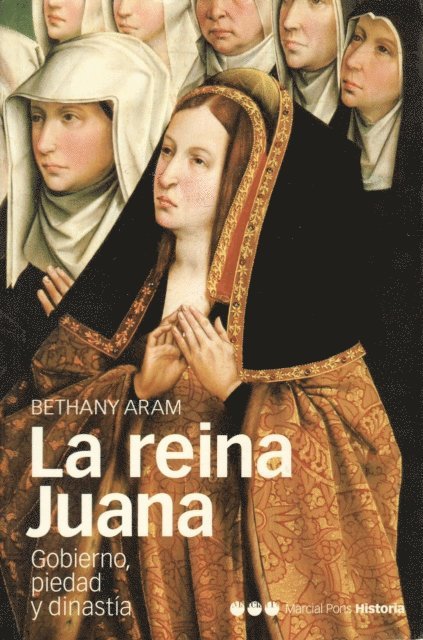
La reina Juana
Gobierno, piedad y dinastía
Av Bethany Aram
E-bok, 2017
93 kr
Lägg i varukorg
Heredera de Castilla y de León a la muerte de su madre, Isabel “la Católica” (1504), Juana “la Loca” (1479-1555) nunca reinó en su propio nombre. Su marido, Felipe, su padre, Fernando, y su hijo, Carlos, gobernaron tanto su casa como sus territorios. Juana, por su parte, intentó asegurar la …