Bipin Jojo – författare
Visar alla böcker från författaren Bipin Jojo. Handla med fri frakt och snabb leverans.
3 produkter
3 produkter
2 053 kr
Skickas inom 10-15 vardagar
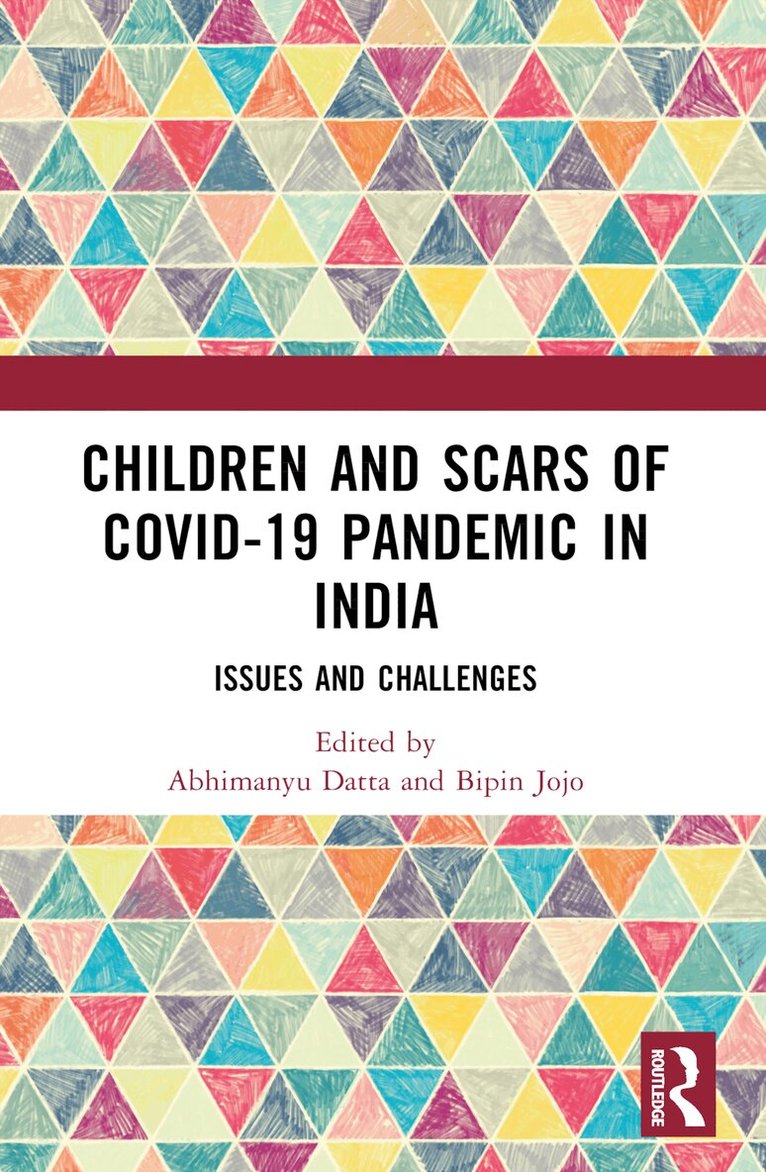
This volume discusses the various challenges faced by children in India from different perspectives such as education, psychology, and sociology during the COVID-19 pandemic. It highlights the nature of undocumented struggles of refugees, children with special needs, girl children/ girl child, child labourers, children from SC/ST and other disadvantaged communities and migrant children in India. The book examines the lack of a social justice framework to cater to children’s needs and wellbeing. It discusses how intersectional location of these children in caste, class, gender, ethnicity, and religious locations shape their ability to access welfare and rights across sectors such as health, education, nutrition, and security. The book puts forth recommendations to ensure better intervention mechanisms to address issues faced by children from all sections of society and paves the way to counter the emerging challenges in future.This book will be of interest to students, teachers, and researchers of education, psychology, sociology, social work, childhood studies, and development studies. It will also be useful for educationalists, sociologists, social psychologists, lay public and those interested in exploring the condition of various marginalized children in India.
614 kr
Skickas inom 10-15 vardagar
This volume discusses the various challenges faced by children in India from different perspectives such as education, psychology, and sociology during the COVID-19 pandemic. It highlights the nature of undocumented struggles of refugees, children with special needs, girl children/ girl child, child labourers, children from SC/ST and other disadvantaged communities and migrant children in India. The book examines the lack of a social justice framework to cater to children’s needs and wellbeing. It discusses how intersectional location of these children in caste, class, gender, ethnicity, and religious locations shape their ability to access welfare and rights across sectors such as health, education, nutrition, and security. The book puts forth recommendations to ensure better intervention mechanisms to address issues faced by children from all sections of society and paves the way to counter the emerging challenges in future.This book will be of interest to students, teachers, and researchers of education, psychology, sociology, social work, childhood studies, and development studies. It will also be useful for educationalists, sociologists, social psychologists, lay public and those interested in exploring the condition of various marginalized children in India.
2 644 kr
Skickas inom 10-15 vardagar
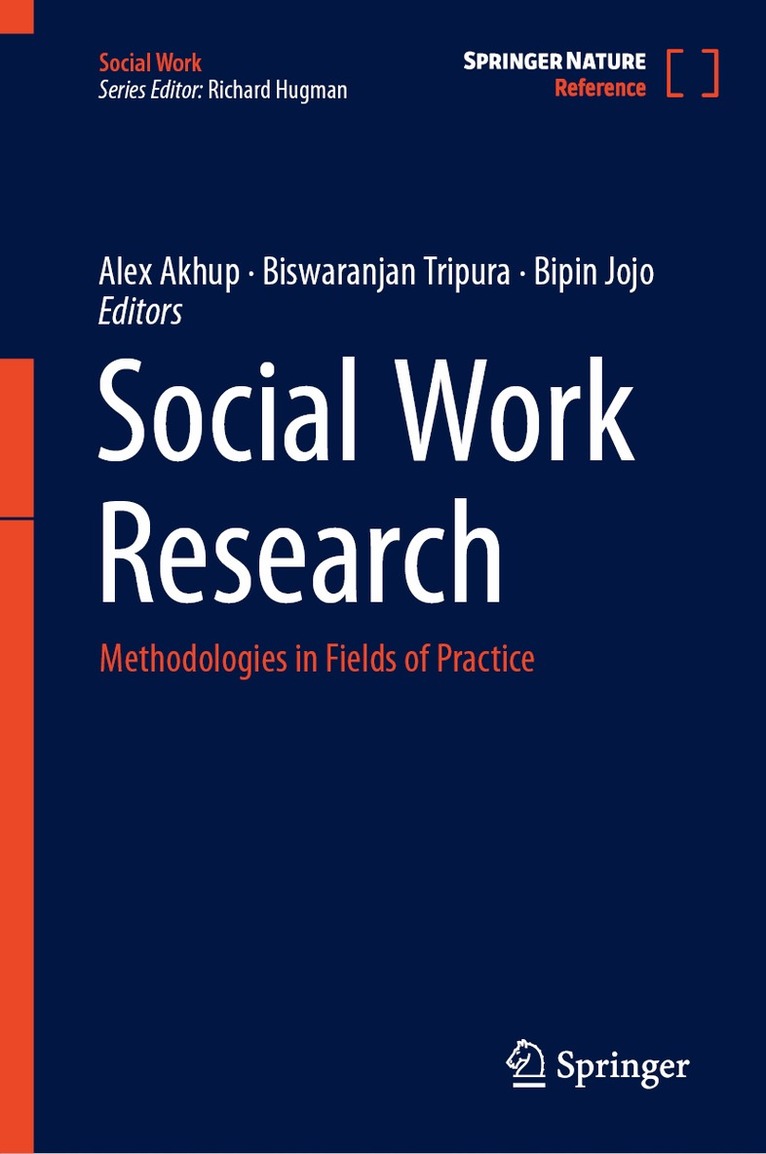
This book, sourced from the experience of the social work researchers, educators and practitioners, offers, for the first time from the Indian context, a reflexively situated and insightful pathways to social work research and theorising practice that underlines the importance of 'methodologies in fields of practice'– epistemologies, locationalities and positionalities embedded at varied sites of practices. This understanding is built on the observation that research capturing specific ‘Fields of subjectivities’ (rural tribal communities, women, children and youth, and persons with disabilities) located in the Indian contexts responds to social issues in complex and diverse situations - a relational ontology. It underscores the scope and new possibilities of research in the Social Work discipline, and its function in contextualizing ‘fields of practice’. The strength of the book lies in capturing and visibilizing these varied sites of practices through ‘research-practice continuum’ approach while demonstrating the primacy of ‘methodologies of practice’ in building a social work knowledge i.e. democratic, emancipatory and locally empowering. Accordingly, the book suggests that strengthening of social work research and theorising practice would entail recognition of 'methodologies in fields of practice' in the context. In doing so, the book underlines the need to take a decolonial approach and intends to strengthen practice-based knowledge for an immediate reference point for social work scholars, researchers, educators, practitioners, administrators and policymakers.