Biswaranjan Tripura - Böcker
Visar alla böcker från författaren Biswaranjan Tripura. Handla med fri frakt och snabb leverans.
2 produkter
2 produkter
2 104 kr
Skickas inom 10-15 vardagar
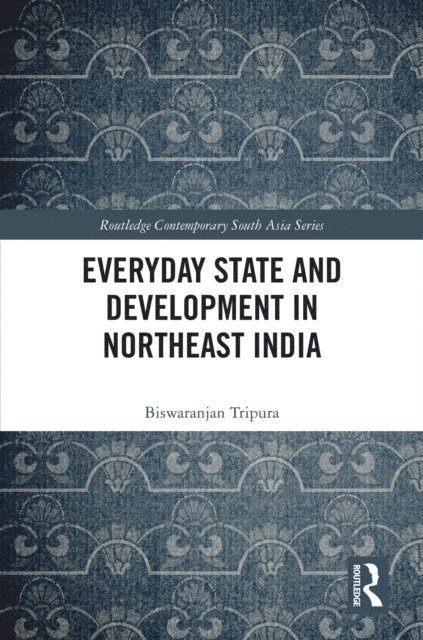
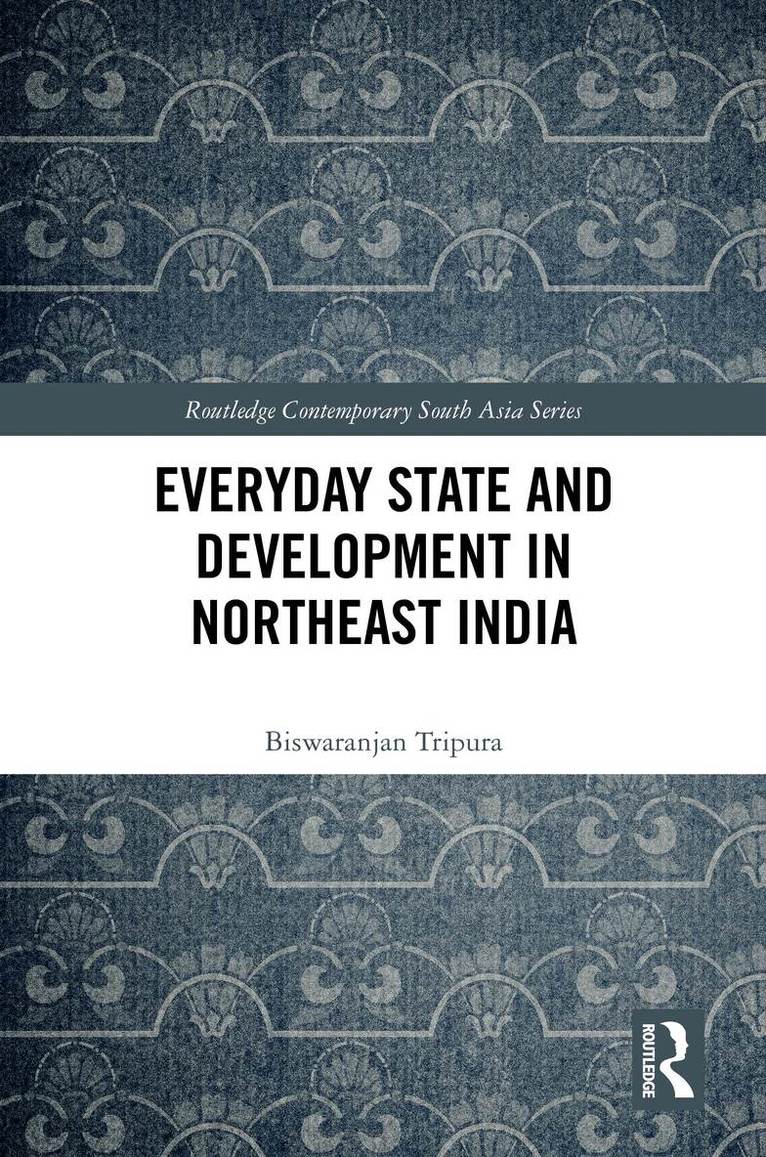
This book examines the everyday state from the perspective of the lived experiences of peripheralized Indigenous tribal peoples in contemporary Tripura, Northeast India.Building on discussions in the anthropology of the state and development literature and based on rich ethnography data, this book examines the concrete rural Indigenous people’s experiences of the state and how they negotiate those interactions to their advantage and for their own empowerment. The author addresses the following questions: How do members of peripheralized Indigenous tribal communities imagine, perceive, and experience the state in their everyday practices? What are the various strategies and approaches that they use to undermine and negotiate the complex power relations to their advantage in their relations with the state? This book argues that the state is experienced as both hope and despair and broken promises by the peripheralized Indigenous community.A fresh perspective of studying Indigenous/tribal in Northeast India, this book will be useful for researchers and scholars of the anthropology of state and development, development studies, social work, sociology, political science, tribal/ Adivasi/Indigenous studies, Northeast India studies, and South Asian studies.
2 643 kr
Skickas inom 10-15 vardagar
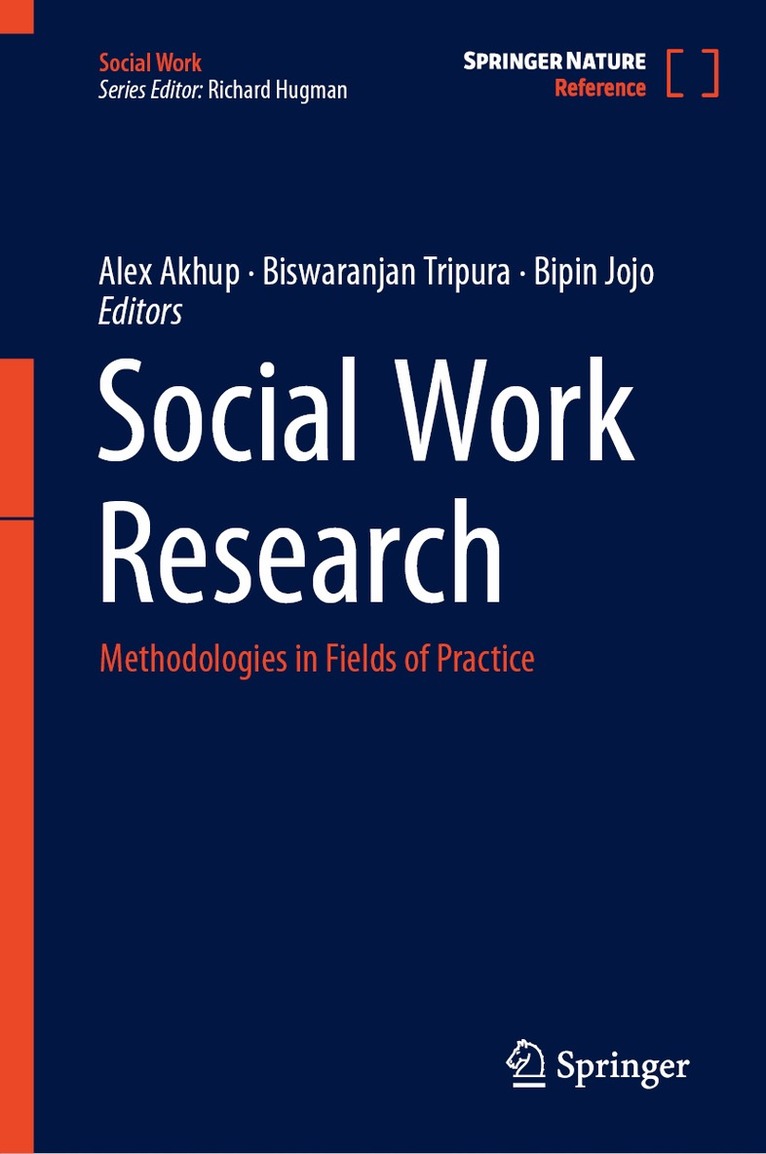
This book, sourced from the experience of the social work researchers, educators and practitioners, offers, for the first time from the Indian context, a reflexively situated and insightful pathways to social work research and theorising practice that underlines the importance of 'methodologies in fields of practice'– epistemologies, locationalities and positionalities embedded at varied sites of practices. This understanding is built on the observation that research capturing specific ‘Fields of subjectivities’ (rural tribal communities, women, children and youth, and persons with disabilities) located in the Indian contexts responds to social issues in complex and diverse situations - a relational ontology. It underscores the scope and new possibilities of research in the Social Work discipline, and its function in contextualizing ‘fields of practice’. The strength of the book lies in capturing and visibilizing these varied sites of practices through ‘research-practice continuum’ approach while demonstrating the primacy of ‘methodologies of practice’ in building a social work knowledge i.e. democratic, emancipatory and locally empowering. Accordingly, the book suggests that strengthening of social work research and theorising practice would entail recognition of 'methodologies in fields of practice' in the context. In doing so, the book underlines the need to take a decolonial approach and intends to strengthen practice-based knowledge for an immediate reference point for social work scholars, researchers, educators, practitioners, administrators and policymakers.