Björn Dressel - Böcker
Visar alla böcker från författaren Björn Dressel. Handla med fri frakt och snabb leverans.
8 produkter
8 produkter
2 059 kr
Skickas inom 10-15 vardagar
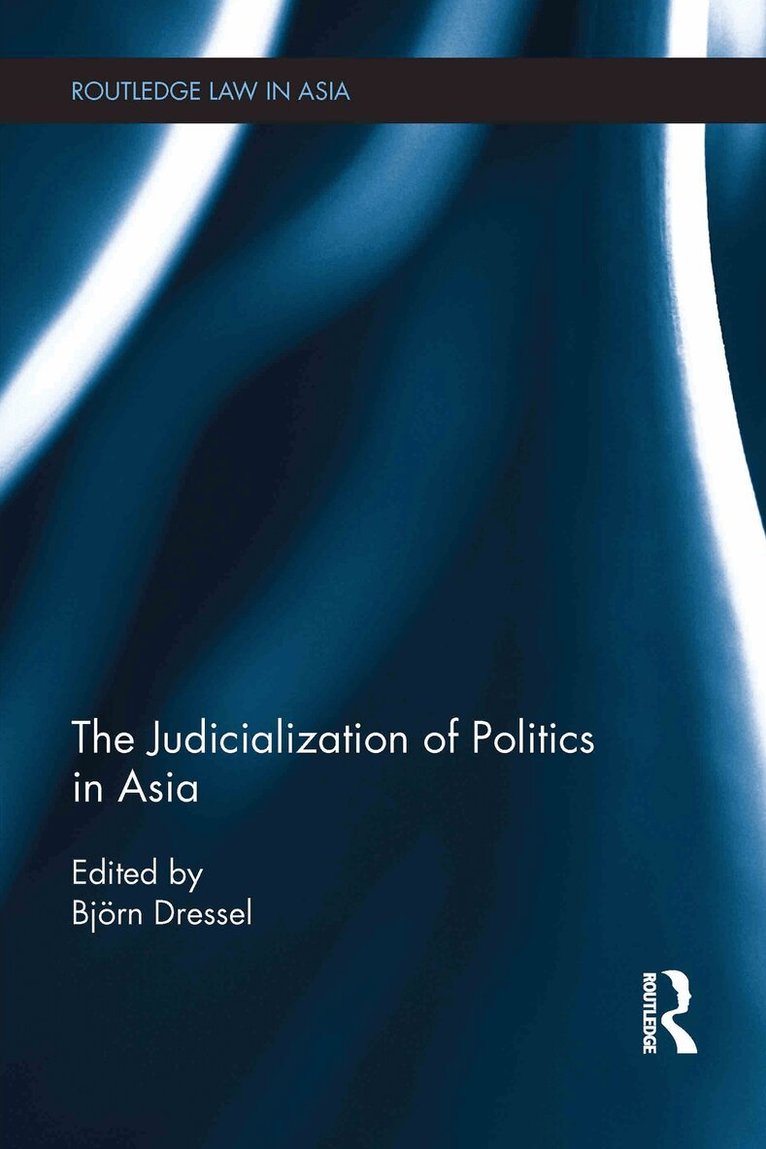
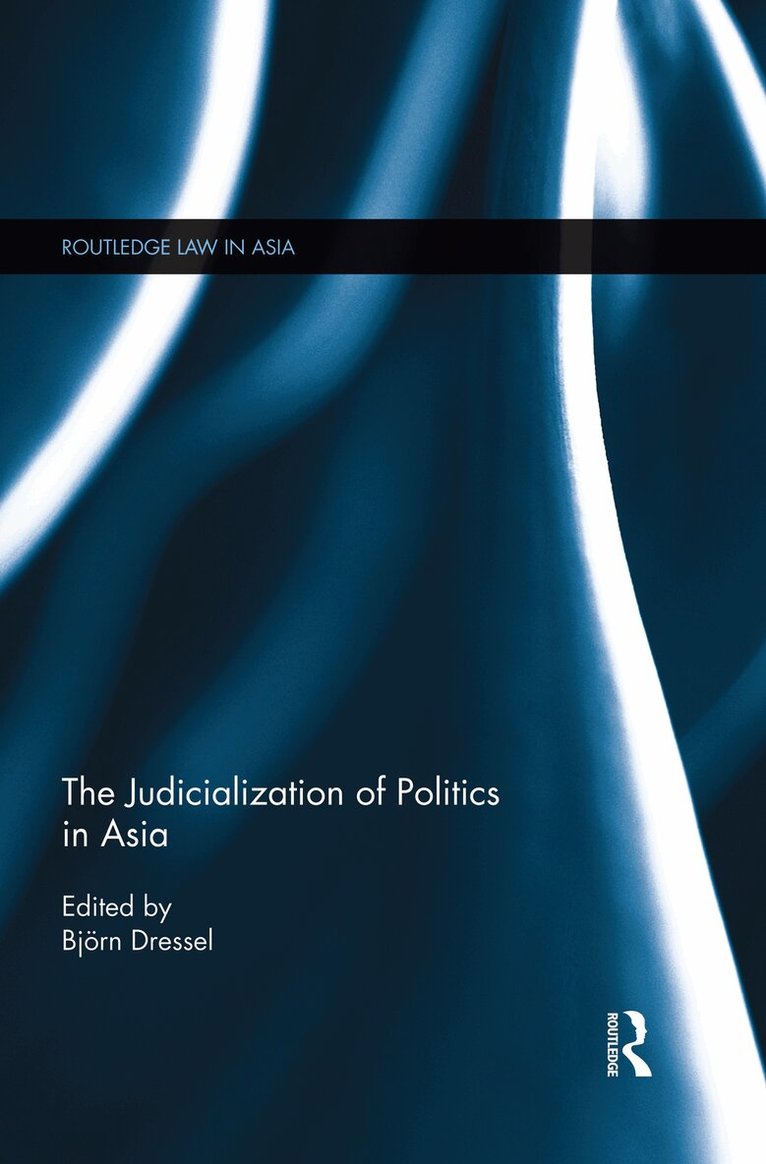
Over the last two decades courts have become major players in the political landscape in Asia. This book assesses what is driving this apparent trend toward judicialization in the region. It looks at the variations within the judicialization trend, and how these variations affect political practice and policy outcomes. The book goes on to examine how this new trend is affecting aspects of the rule of law, democratic governance and state-society relations. It investigates how the experiences in Asia add to the debate on the judicialization of politics globally; in particular how judicial behaviour in Asia differs from that in the West, and the implications of the differences on the theoretical debate.
641 kr
Skickas inom 10-15 vardagar
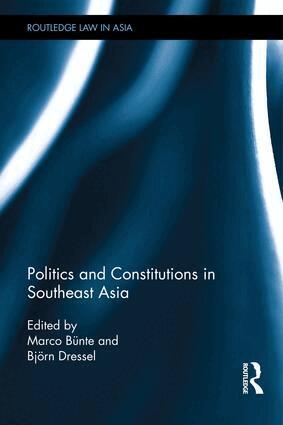
In recent years the constitutional landscape of Southeast Asia has changed tremendously. Against a worldwide background of liberalization, globalization, and democratization, states in the region have begun to alter their constitutions, reinforcing human rights provisions, and putting in place institutional safeguards, such as constitutional courts and human rights commissions. On closer examination, however, the picture is very complex, with constitutional developments differing greatly between states. This book explores a range of current constitutional developments in the different states of Southeast Asia through a distinct political lens. Drawing on comparative and single case studies, it considers various constitutional areas, including constitution drafting, human rights, legal safeguards and the continuing role of the military, sets constitutional developments in the wider political and historical context of each country, and makes comparisons both with Western democracies and with other developing regions. The book concludes by assessing overall how far constitutional practices and trajectories are converging towards a liberal Western model or towards a distinctly Southeast Asian model.
692 kr
Skickas inom 7-10 vardagar
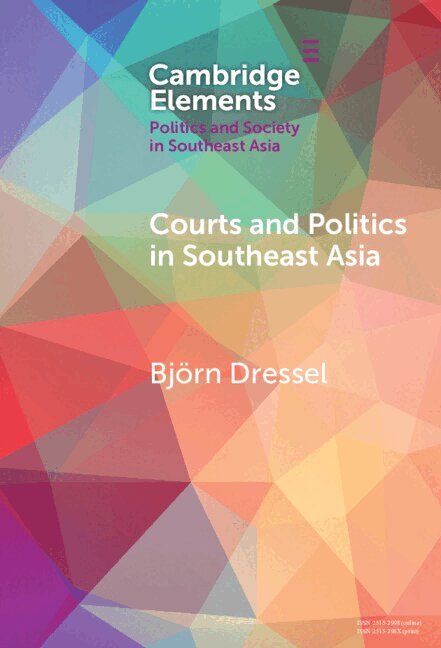
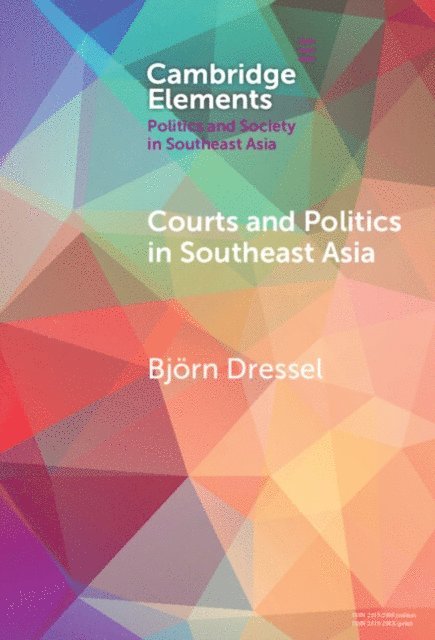
Courts around the globe have become central players in governance, those in Southeast Asia have been no exception. This Element analyses the historical foundations, patterns, and drivers of judicialization of politics by mapping critical junctures that have shaped the emergence of modern courts in the region and providing a basic typology of courts and politics that extends the analysis to the contemporary situation. It also offers a new relational theory that helps explain the dynamics of judicial recruitment, decision-making, court performance-and ultimately perceptions of judicial legitimacy. In a region where power is often concentrated among oligarchs and clientelist political dynamics persist, it posits that courts are best comprehended as institutional hybrids. These hybrids seamlessly blend formal and informal practices, with profound implications for how Southeast Asian courts are molding both the rule of law and political governance.
215 kr
Skickas inom 7-10 vardagar
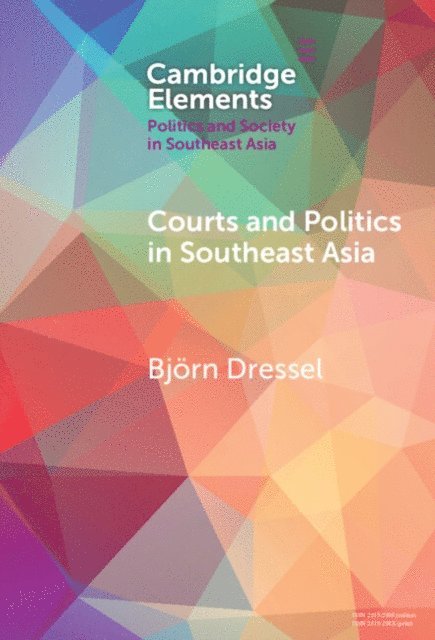
Courts around the globe have become central players in governance, those in Southeast Asia have been no exception. This Element analyses the historical foundations, patterns, and drivers of judicialization of politics by mapping critical junctures that have shaped the emergence of modern courts in the region and providing a basic typology of courts and politics that extends the analysis to the contemporary situation. It also offers a new relational theory that helps explain the dynamics of judicial recruitment, decision-making, court performance-and ultimately perceptions of judicial legitimacy. In a region where power is often concentrated among oligarchs and clientelist political dynamics persist, it posits that courts are best comprehended as institutional hybrids. These hybrids seamlessly blend formal and informal practices, with profound implications for how Southeast Asian courts are molding both the rule of law and political governance.
691 kr
Skickas inom 10-15 vardagar
Over the last two decades courts have become major players in the political landscape in Asia. This book assesses what is driving this apparent trend toward judicialization in the region. It looks at the variations within the judicialization trend, and how these variations affect political practice and policy outcomes. The book goes on to examine how this new trend is affecting aspects of the rule of law, democratic governance and state-society relations. It investigates how the experiences in Asia add to the debate on the judicialization of politics globally; in particular how judicial behaviour in Asia differs from that in the West, and the implications of the differences on the theoretical debate.
2 059 kr
Skickas inom 10-15 vardagar
In recent years the constitutional landscape of Southeast Asia has changed tremendously. Against a worldwide background of liberalization, globalization, and democratization, states in the region have begun to alter their constitutions, reinforcing human rights provisions, and putting in place institutional safeguards, such as constitutional courts and human rights commissions. On closer examination, however, the picture is very complex, with constitutional developments differing greatly between states. This book explores a range of current constitutional developments in the different states of Southeast Asia through a distinct political lens. Drawing on comparative and single case studies, it considers various constitutional areas, including constitution drafting, human rights, legal safeguards and the continuing role of the military, sets constitutional developments in the wider political and historical context of each country, and makes comparisons both with Western democracies and with other developing regions. The book concludes by assessing overall how far constitutional practices and trajectories are converging towards a liberal Western model or towards a distinctly Southeast Asian model.
1 182 kr
Skickas
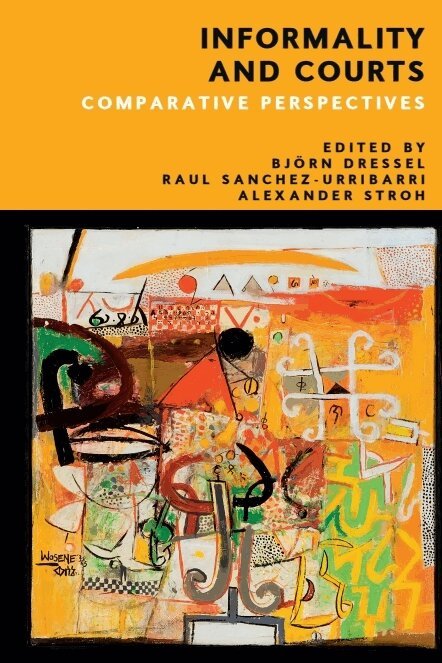
This volume explores an understudied aspect of courts: The extent to which informal institutions and relational networks (e.g., professional, clientelist, family etc.) relations affect how courts are organised and operate. For instance, to what extent can 'good personal relations' outweigh professional merits in judicial appointment processes? Or in what ways do international or domestic judicial networks help protect courts against other branches of power? Our relational-institutional perspective allows us to better understand a variety of important processes for the comparative study of courts including judicial appointments, judicial decision-making, judicial administration, institutional development, inter-branch relations, corruption, and court reform, among others. More importantly, an emphasis on informality sheds new light on the accountability role of courts in democratic regimes, at a time when democracy worldwide is at risk and authoritarian regimes are on the rise. Bringing together the thoughts of scholars with different levels of seniority and disciplinary expertise, this volume offers cross-national engagement with theory, providing systematic analyses of the configuration, operation, and roles of informal institutions and relations, and their importance in different socio-political contexts and legal systems.
327 kr
Kommande
This volume explores an understudied aspect of courts: The extent to which informal institutions and relational networks (e.g., professional, clientelist, family etc.) relations affect how courts are organised and operate. For instance, to what extent can ‘good personal relations’ outweigh professional merits in judicial appointment processes? Or in what ways do international or domestic judicial networks help protect courts against other branches of power? Our relational-institutional perspective allows us to better understand a variety of important processes for the comparative study of courts – including judicial appointments, judicial decision-making, judicial administration, institutional development, inter-branch relations, corruption, and court reform, among others. More importantly, an emphasis on informality sheds new light on the accountability role of courts in democratic regimes, at a time when democracy worldwide is at risk and authoritarian regimes are on the rise. Bringing together the thoughts of scholars with different levels of seniority and disciplinary expertise, this volume offers cross-national engagement with theory, providing systematic analyses of the configuration, operation, and roles of informal institutions and relations, and their importance in different socio-political contexts and legal systems.