Board on Neuroscience and Behavioral Health – författare
Visar alla böcker från författaren Board on Neuroscience and Behavioral Health. Handla med fri frakt och snabb leverans.
38 produkter
Suicide Prevention and Intervention
Summary of a Workshop
Av Institute of Medicine, Board on Neuroscience and Behavioral Health m. fl.
Häftad, 2001
751 kr
Lägg i varukorg
For many, thoughts of suicide are abundant and frequent. There exists a fear of death but an even greater fear of life due to the latter's hardships. Participants of the committee on the Pathophysiology and Prevention of Adult and Adolescent Suicide of the Institute of Medicine's workshop on …
Preparing for the Psychological Consequences of Terrorism
A Public Health Strategy
Av Institute of Medicine, Board on Neuroscience and Behavioral Health m. fl.
Häftad, 2003
729 kr
Lägg i varukorg
The Oklahoma City bombing, intentional crashing of airliners on September 11, 2001, and anthrax attacks in the fall of 2001 have made Americans acutely aware of the impacts of terrorism. These events and continued threats of terrorism have raised questions about the impact on the psychological …
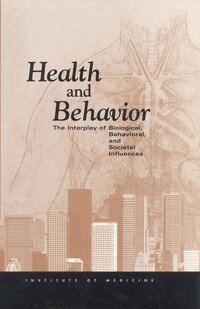
Health and Behavior
The Interplay of Biological, Behavioral, and Societal Influences
Av Practice and Policy Committee on Health and Behavior: Research, Board on Neuroscience and Behavioral Health m. fl.
E-bok, 2001
785 kr
Lägg i varukorg
Health and Behavior reviews our improved understanding of the complex interplay among biological, psychological, and social influences and explores findings suggested by recent research—including interventions at multiple levels that we can employ to improve human health. The book covers three main …
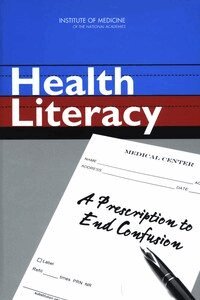
Health Literacy
A Prescription to End Confusion
Av Committee on Health Literacy, Board on Neuroscience and Behavioral Health m. fl.
E-bok, 2004
785 kr
Lägg i varukorg
To maintain their own health and the health of their families and communities, consumers rely heavily on the health information that is available to them. This information is at the core of the partnerships that patients and their families forge with today''s complex modern health systems. This …
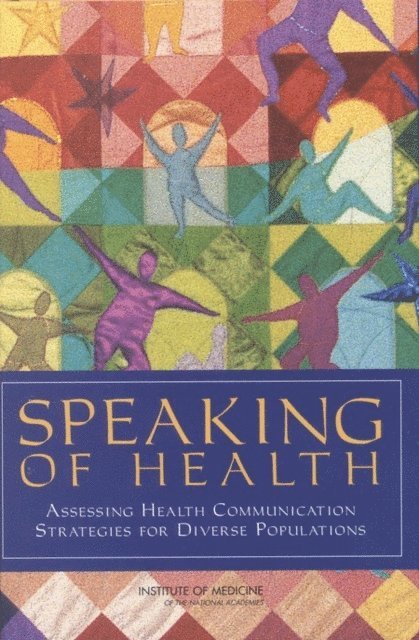
Speaking of Health
Assessing Health Communication Strategies for Diverse Populations
Av Committee on Communication for Behavior Change in the 21st Century: Improving the Health of Diverse Populations, Board on Neuroscience and Behavioral Health m. fl.
E-bok, 2002
856 kr
Lägg i varukorg
We are what we eat. That old expression seems particularly poignant every time we have our blood drawn for a routine physical to check our cholesterol levels. And, it''s not just what we eat that affects our health. Whole ranges of behaviors ultimately make a difference in how we feel and how we …
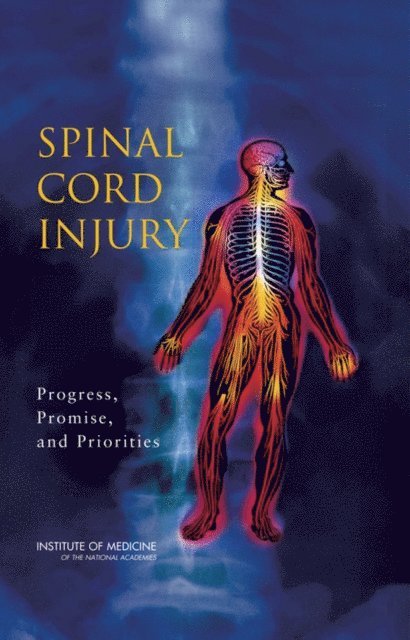
Spinal Cord Injury
Progress, Promise, and Priorities
Av Committee on Spinal Cord Injury, Board on Neuroscience and Behavioral Health m. fl.
E-bok, 2005
981 kr
Lägg i varukorg
An estimated 11,000 spinal cord injuries occur each year in the UnitedStates and more than 200,000 Americans suffer from maladies associatedwith spinal cord injury. This includes paralysis, bowel and bladder dysfunction,sexual dysfunction, respiratory impairment, temperature regulationproblems, and …
Improving Medical Education
Enhancing the Behavioral and Social Science Content of Medical School Curricula
Av Committee on Behavioral and Social Sciences in Medical School Curricula, Board on Neuroscience and Behavioral Health m. fl.
E-bok, 2004
696 kr
Lägg i varukorg
Roughly half of all deaths in the United States are linked to behavioral and social factors. The leading causes of preventable death and disease in the United States are smoking, sedentary lifestyle, along with poor dietary habits, and alcohol consumption. To make measurable improvements in the …
New Treatments for Addiction
Behavioral, Ethical, Legal, and Social Questions
Av Committee on Immunotherapies and Sustained-Release Formulations for Treating Drug Addiction, and Sensory Sciences Board on Behavioral, Cognitive m. fl.
E-bok, 2004
803 kr
Lägg i varukorg
New and improved therapies to treat and protect against drug dependence andabuse are urgently needed. In the United States alone about 50 million people regularlysmoke tobacco and another 5 million are addicted to other drugs. In a givenyear, millions of these individuals attempt—with or without …
Preparing for the Psychological Consequences of Terrorism
A Public Health Strategy
Av Committee on Responding to the Psychological Consequences of Terrorism, Board on Neuroscience and Behavioral Health m. fl.
E-bok, 2003
693 kr
Lägg i varukorg
The Oklahoma City bombing, intentional crashing of airliners on September 11,2001, and anthrax attacks in the fall of 2001 have made Americans acutely awareof the impacts of terrorism. These events and continued threats of terrorism haveraised questions about the impact on the psychological health …
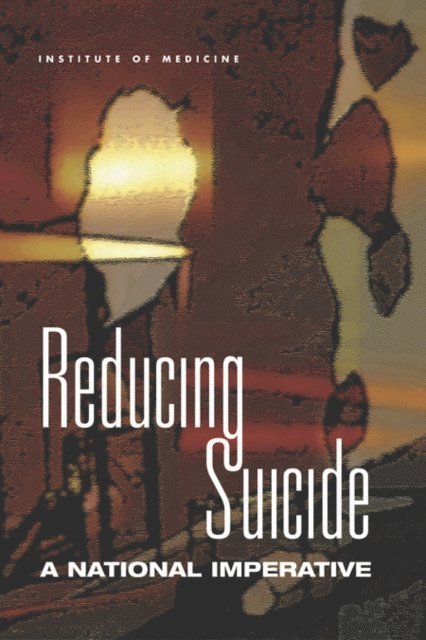
Reducing Suicide
A National Imperative
Av Committee on Pathophysiology and Prevention of Adolescent and Adult Suicide, Board on Neuroscience and Behavioral Health m. fl.
E-bok, 2002
892 kr
Lägg i varukorg
Every year, about 30,000 people die by suicide in the U.S., and some 650,000 receive emergency treatment after a suicide attempt. Often, those most at risk are the least able to access professional help. Reducing Suicide provides a blueprint for addressing this tragic and costly problem: how we can …
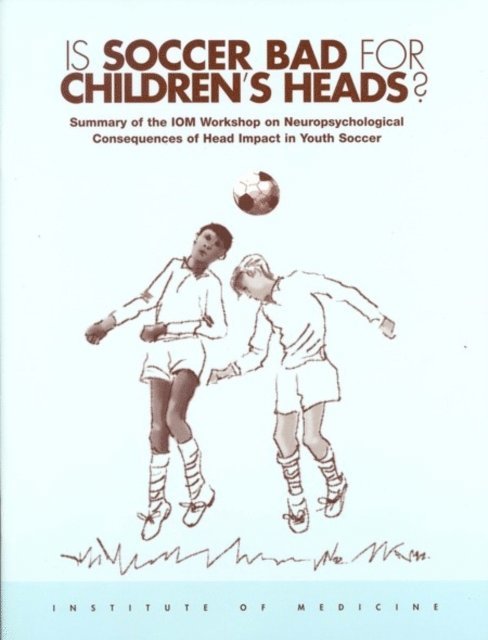
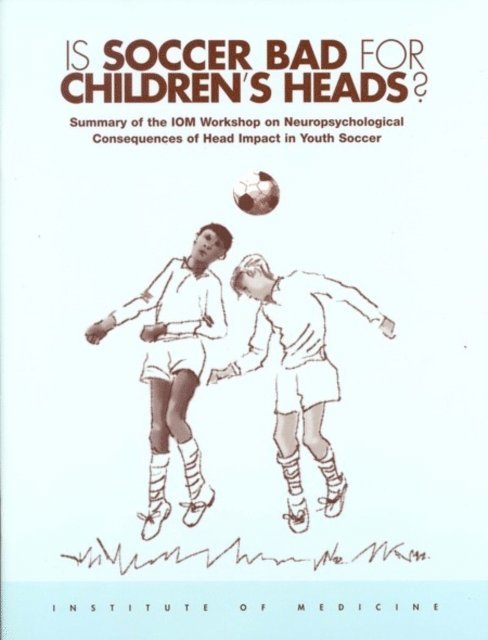
Is Soccer Bad for Children's Heads?
Summary of the IOM Workshop on Neuropsychological Consequences of Head Impact in Youth Soccer
Av Margie Patlak, Janet E. Joy m. fl.
E-bok, 2002
303 kr
Lägg i varukorg
To explore whether soccer playing puts youths at risk for lasting brain damage, the Institute of Medicine brought together experts in head injury, sports medicine, pediatrics, and bioengineering. In a workshop entitled "Youth Soccer: Neuropsychological Consequences of Head Impact in Sports," that …
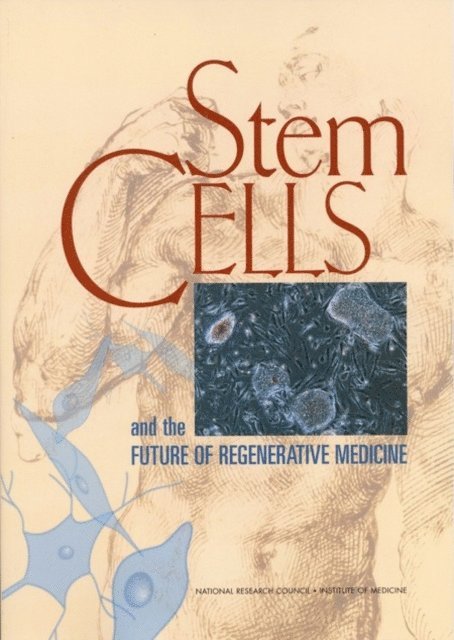
Stem Cells and the Future of Regenerative Medicine
Av Committee on the Biological and Biomedical Applications of Stem Cell Research, Board on Life Sciences m. fl.
E-bok, 2002
571 kr
Lägg i varukorg
Recent scientific breakthroughs, celebrity patient advocates, and conflicting religious beliefs have come together to bring the state of stem cell research—specifically embryonic stem cell research—into the political crosshairs. President Bush''s watershed policy statement allows federal funding …
Multiple Sclerosis
Current Status and Strategies for the Future
Av Committee on Multiple Sclerosis: Current Status and Strategies for the Future, Board on Neuroscience and Behavioral Health m. fl.
E-bok, 2001
1047 kr
Lägg i varukorg
Multiple sclerosis is a chronic and often disabling disease of the nervous system, affecting about 1 million people worldwide. Even though it has been known for over a hundred years, no cause or cure has yet been discovered—but now there is hope. New therapies have been shown to slow the disease …
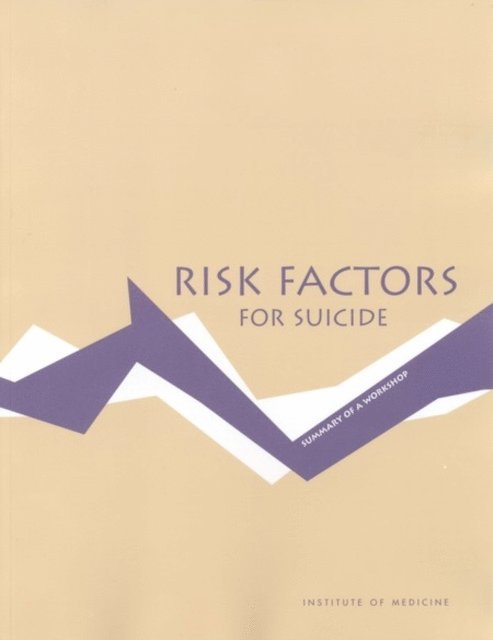
Risk Factors for Suicide
Summary of a Workshop
Av Sara K. Goldsmith, Board on Neuroscience and Behavioral Health m. fl.
E-bok, 2001
450 kr
Lägg i varukorg
Thoughts of suicide can be abundant and frequent for some. These thoughts easily disrupt the lives of not only the suicidal person but the world around said person. It may, however, be possible to tell someone is suicidal before it''s too late. Participants of committee on the Pathophysiology and …
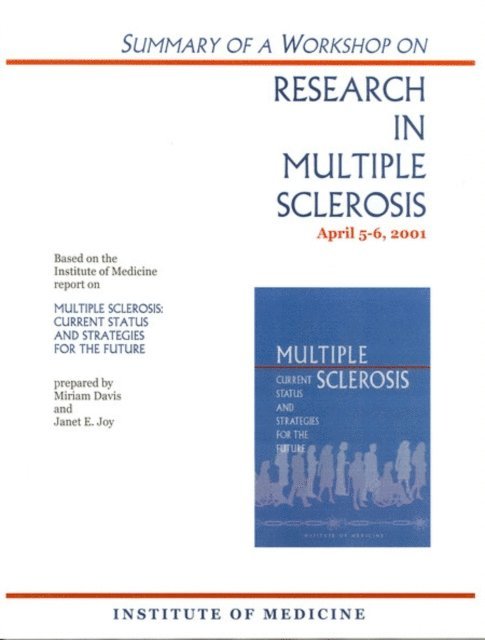
Summary of a Workshop on Research in Multiple Sclerosis, April 5-6, 2001
Av Miriam Davis, Janet E. Joy m. fl.
E-bok, 2001
303 kr
Lägg i varukorg
Multiple Sclerosis: Current Status and Strategies for the Future identifies promising areas of multiple sclerosis (MS) research based on a strategic analysis of the current state of knowledge. The report was written by the Institute of Medicine (IOM) Committee on MS Research Strategies, and on …
Suicide Prevention and Intervention
Summary of a Workshop
Av Sara K. Goldsmith, Board on Neuroscience and Behavioral Health m. fl.
E-bok, 2001
678 kr
Lägg i varukorg
For many, thoughts of suicide are abundant and frequent. There exists a fear of death but an even greater fear of life due to the latter''s hardships. Participants of the committee on the Pathophysiology and Prevention of Adult and Adolescent Suicide of the Institute of Medicine''s workshop on …
Health and Behavior
The Interplay of Biological, Behavioral, and Societal Influences
Av Institute of Medicine, Board on Neuroscience and Behavioral Health m. fl.
Häftad, 2001
775 kr
Lägg i varukorg
Health and Behavior reviews our improved understanding of the complex interplay among biological, psychological, and social influences and explores findings suggested by recent research-including interventions at multiple levels that we can employ to improve human health. The book covers three main …
Health Literacy
A Prescription to End Confusion
Av Institute of Medicine, Board on Neuroscience and Behavioral Health m. fl.
Häftad, 2004
775 kr
Lägg i varukorg
To maintain their own health and the health of their families and communities, consumers rely heavily on the health information that is available to them. This information is at the core of the partnerships that patients and their families forge with today?s complex modern health systems. This …
Reducing Suicide
A National Imperative
Av Committee on Pathophysiology and Prevention of Adolescent and Adult Suicide, Board on Neuroscience and Behavioral Health m. fl.
E-bok, 2002
714 kr
Lägg i varukorg
Every year, about 30,000 people die by suicide in the U.S., and some 650,000 receive emergency treatment after a suicide attempt. Often, those most at risk are the least able to access professional help. Reducing Suicide provides a blueprint for addressing this tragic and costly problem: how we can …
Is Soccer Bad for Children's Heads?
Summary of the IOM Workshop on Neuropsychological Consequences of Head Impact in Youth Soccer
Av Margie Patlak, Janet E. Joy m. fl.
E-bok, 2002
206 kr
Lägg i varukorg
To explore whether soccer playing puts youths at risk for lasting brain damage, the Institute of Medicine brought together experts in head injury, sports medicine, pediatrics, and bioengineering. In a workshop entitled "Youth Soccer: Neuropsychological Consequences of Head Impact in Sports," that …
Stem Cells and the Future of Regenerative Medicine
Av Committee on the Biological and Biomedical Applications of Stem Cell Research, Board on Life Sciences m. fl.
E-bok, 2002
277 kr
Lägg i varukorg
Recent scientific breakthroughs, celebrity patient advocates, and conflicting religious beliefs have come together to bring the state of stem cell research—specifically embryonic stem cell research—into the political crosshairs. President Bush''s watershed policy statement allows federal funding …
Multiple Sclerosis
Current Status and Strategies for the Future
Av Committee on Multiple Sclerosis: Current Status and Strategies for the Future, Board on Neuroscience and Behavioral Health m. fl.
E-bok, 2001
794 kr
Lägg i varukorg
Multiple sclerosis is a chronic and often disabling disease of the nervous system, affecting about 1 million people worldwide. Even though it has been known for over a hundred years, no cause or cure has yet been discovered—but now there is hope. New therapies have been shown to slow the disease …
Speaking of Health
Assessing Health Communication Strategies for Diverse Populations
Av Committee on Communication for Behavior Change in the 21st Century: Improving the Health of Diverse Populations, Board on Neuroscience and Behavioral Health m. fl.
E-bok, 2002
616 kr
Lägg i varukorg
We are what we eat. That old expression seems particularly poignant every time we have our blood drawn for a routine physical to check our cholesterol levels. And, it''s not just what we eat that affects our health. Whole ranges of behaviors ultimately make a difference in how we feel and how we …
Health and Behavior
The Interplay of Biological, Behavioral, and Societal Influences
Av Practice and Policy Committee on Health and Behavior: Research, Board on Neuroscience and Behavioral Health m. fl.
E-bok, 2001
687 kr
Lägg i varukorg
Health and Behavior reviews our improved understanding of the complex interplay among biological, psychological, and social influences and explores findings suggested by recent research—including interventions at multiple levels that we can employ to improve human health. The book covers three main …
Preparing for the Psychological Consequences of Terrorism
A Public Health Strategy
Av Committee on Responding to the Psychological Consequences of Terrorism, Board on Neuroscience and Behavioral Health m. fl.
E-bok, 2003
485 kr
Lägg i varukorg
The Oklahoma City bombing, intentional crashing of airliners on September 11,2001, and anthrax attacks in the fall of 2001 have made Americans acutely awareof the impacts of terrorism. These events and continued threats of terrorism haveraised questions about the impact on the psychological health …
Research Training in Psychiatry Residency
Strategies for Reform
Av Committee on Incorporating Research into Psychiatry Residency Training, Board on Neuroscience and Behavioral Health m. fl.
E-bok, 2003
580 kr
Lägg i varukorg
The number of psychiatric researchers does not seem to be keeping pace with theneeds and opportunities that exist in brain and behavioral medicine. An Institute ofMedicine committee conducted a broad review of the state of patient-orientedresearch training in the context of the psychiatry residency …
Improving Medical Education
Enhancing the Behavioral and Social Science Content of Medical School Curricula
Av Committee on Behavioral and Social Sciences in Medical School Curricula, Board on Neuroscience and Behavioral Health m. fl.
E-bok, 2004
482 kr
Lägg i varukorg
Roughly half of all deaths in the United States are linked to behavioral and social factors. The leading causes of preventable death and disease in the United States are smoking, sedentary lifestyle, along with poor dietary habits, and alcohol consumption. To make measurable improvements in the …
Spinal Cord Injury
Progress, Promise, and Priorities
Av Committee on Spinal Cord Injury, Board on Neuroscience and Behavioral Health m. fl.
E-bok, 2005
687 kr
Lägg i varukorg
An estimated 11,000 spinal cord injuries occur each year in the UnitedStates and more than 200,000 Americans suffer from maladies associatedwith spinal cord injury. This includes paralysis, bowel and bladder dysfunction,sexual dysfunction, respiratory impairment, temperature regulationproblems, and …
Risk Factors for Suicide
Summary of a Workshop
Av Sara K. Goldsmith, Board on Neuroscience and Behavioral Health m. fl.
E-bok, 2001
314 kr
Lägg i varukorg
Thoughts of suicide can be abundant and frequent for some. These thoughts easily disrupt the lives of not only the suicidal person but the world around said person. It may, however, be possible to tell someone is suicidal before it''s too late. Participants of committee on the Pathophysiology and …
Summary of a Workshop on Research in Multiple Sclerosis, April 5-6, 2001
Av Miriam Davis, Janet E. Joy m. fl.
E-bok, 2001
206 kr
Lägg i varukorg
Multiple Sclerosis: Current Status and Strategies for the Future identifies promising areas of multiple sclerosis (MS) research based on a strategic analysis of the current state of knowledge. The report was written by the Institute of Medicine (IOM) Committee on MS Research Strategies, and on …