Bobby J. Smith II – författare
Visar alla böcker från författaren Bobby J. Smith II. Handla med fri frakt och snabb leverans.
10 produkter
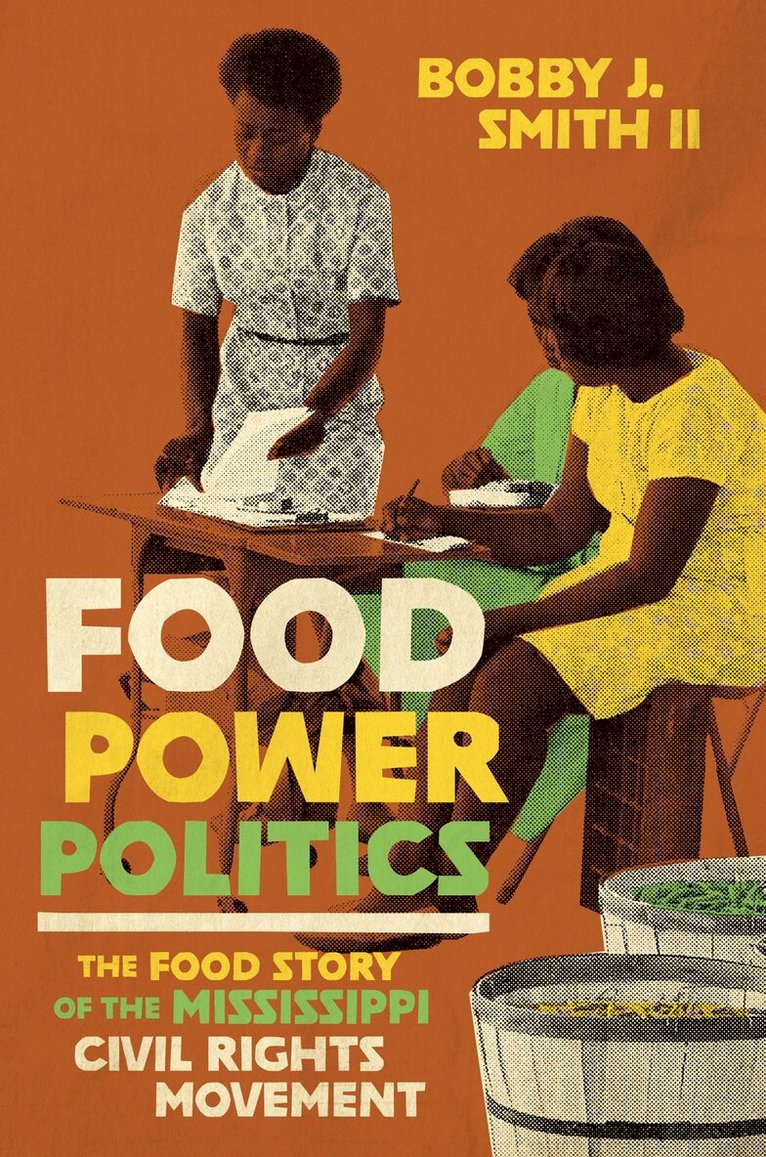
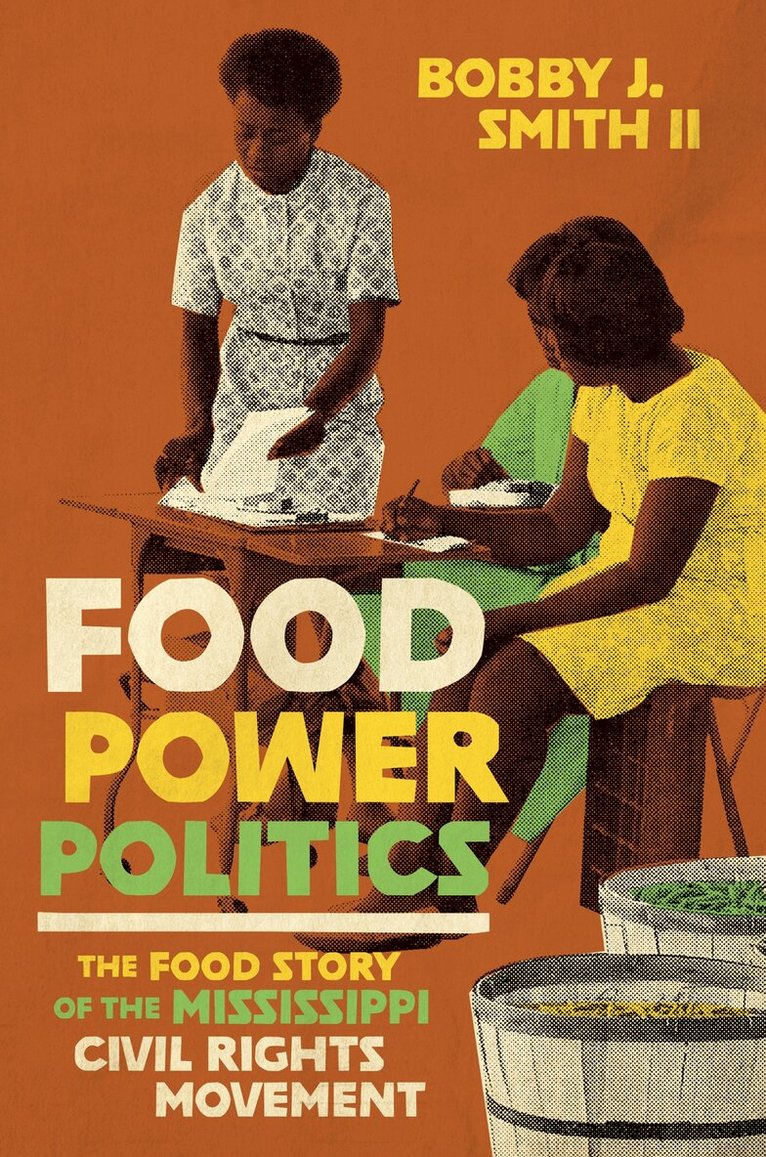
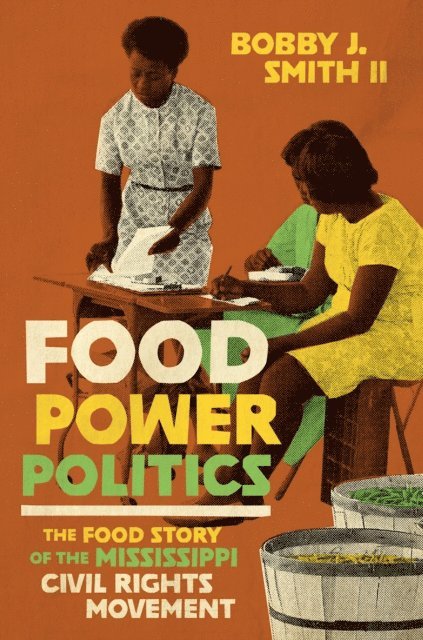
Food Power Politics
The Food Story of the Mississippi Civil Rights Movement
Inbunden, 2023
1190 kr
Lägg i varukorg
This book unearths a food story buried deep within the soil of American civil rights history. Drawing on archival research, interviews, and oral histories, Bobby J. Smith II re-examines the Mississippi civil rights movement as a period when activists expanded the meaning of civil rights to address …
Food Power Politics
The Food Story of the Mississippi Civil Rights Movement
Häftad, 2023
289 kr
Lägg i varukorg
This book unearths a food story buried deep within the soil of American civil rights history. Drawing on archival research, interviews, and oral histories, Bobby J. Smith II re-examines the Mississippi civil rights movement as a period when activists expanded the meaning of civil rights to address …
Food Power Politics
The Food Story of the Mississippi Civil Rights Movement
E-bok, 2023
277 kr
Lägg i varukorg
This book unearths a food story buried deep within the soil of American civil rights history. Drawing on archival research, interviews, and oral histories, Bobby J. Smith II re-examines the Mississippi civil rights movement as a period when activists expanded the meaning of civil rights to address …
Food Power Politics
The Food Story of the Mississippi Civil Rights Movement
E-bok, 2023
2165 kr
Lägg i varukorg
This book unearths a food story buried deep within the soil of American civil rights history. Drawing on archival research, interviews, and oral histories, Bobby J. Smith II re-examines the Mississippi civil rights movement as a period when activists expanded the meaning of civil rights to address …
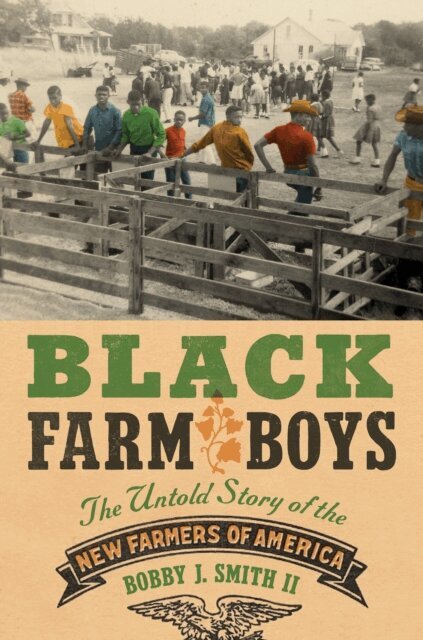
Black Farm Boys
The Untold Story of the New Farmers of America
E-bok, 2026
1860 kr
Lägg i varukorg
Founded in 1935, the New Farmers of America (NFA) was the first national organization for Black farm boys studying vocational agriculture at segregated public high schools across the Southand as far north as New Jersey. Sociologist and award-winning author Bobby J. Smith II charts new terrain in …
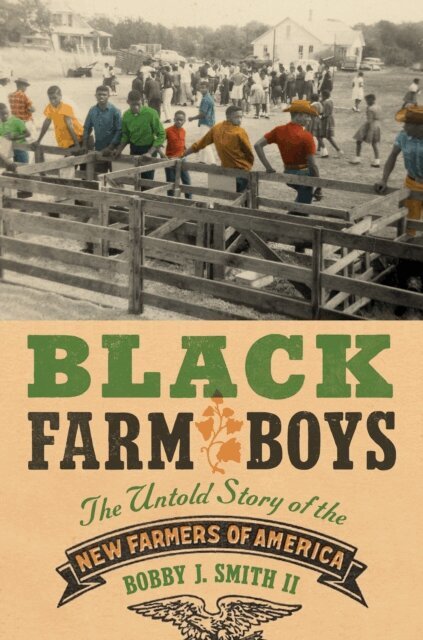
Black Farm Boys
The Untold Story of the New Farmers of America
E-bok, 2026
2292 kr
Lägg i varukorg
Founded in 1935, the New Farmers of America (NFA) was the first national organization for Black farm boys studying vocational agriculture at segregated public high schools across the Southand as far north as New Jersey. Sociologist and award-winning author Bobby J. Smith II charts new terrain in …
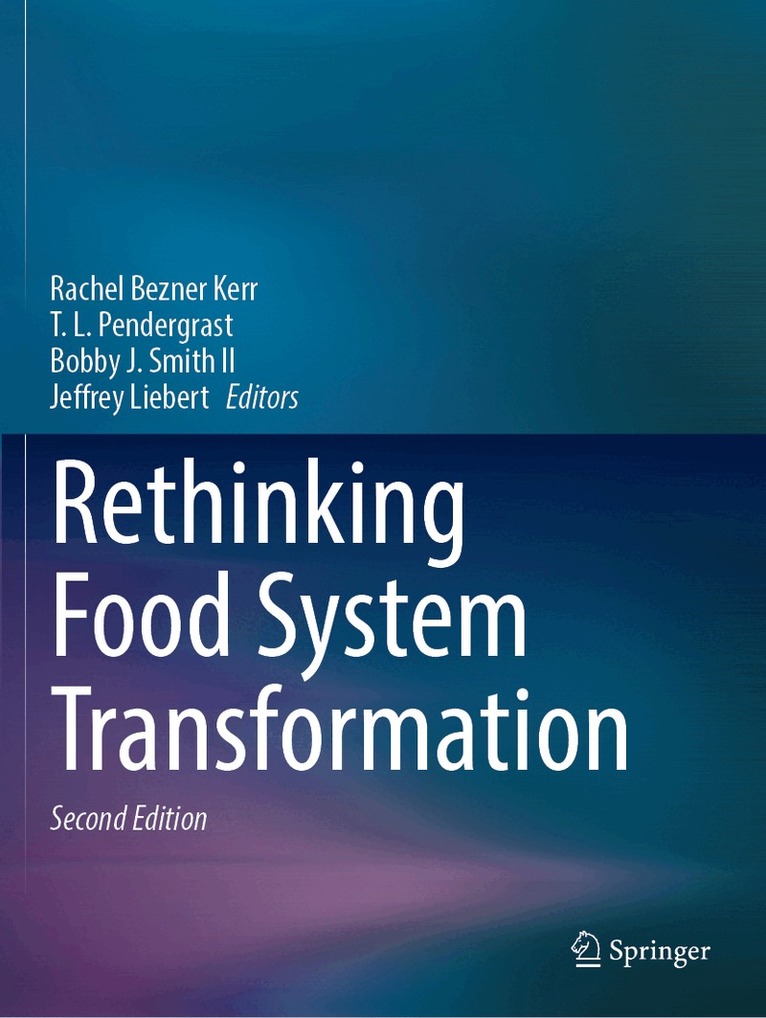
Rethinking Food System Transformation
Av Rachel Bezner Kerr, T. L. Pendergrast m. fl.
Inbunden, 2023
1098 kr
Lägg i varukorg
This book contains a collection of selected papers from the 2017 Farm-to-Plate: Uniting for a Just and Sustainable Food System conference in Ithaca, New York, which explored what different advocates, stakeholders, growers, and community members today prioritize when it comes to justice, action, and …
Rethinking Food System Transformation
Av Jeffrey Liebert, Bobby J. Smith II m. fl.
E-bok, 2023
1435 kr
Lägg i varukorg
This book contains a collection of selected papers from the 2017 Farm - to - Plate: Uniting for a Just and Sustainable Food System conference in Ithaca, New York, which explored what different advocates, stakeholders, growers, and community members today prioritize when it comes to justice, action, …
Rethinking Food System Transformation
Av Rachel Bezner Kerr, T. L. Pendergrast m. fl.
Häftad, 2024
1098 kr
Lägg i varukorg
This book contains a collection of selected papers from the 2017 Farm-to-Plate: Uniting for a Just and Sustainable Food System conference in Ithaca, New York, which explored what different advocates, stakeholders, growers, and community members today prioritize when it comes to justice, action, and …
Food Power Politics
The Food Story of the Mississippi Civil Rights Movement
E-bok, 2023
2118 kr
Lägg i varukorg
This book unearths a food story buried deep within the soil of American civil rights history. Drawing on archival research, interviews, and oral histories, Bobby J. Smith II re-examines the Mississippi civil rights movement as a period when activists expanded the meaning of civil rights to address …