Bongani Ngqulunga – författare
Visar alla böcker från författaren Bongani Ngqulunga. Handla med fri frakt och snabb leverans.
6 produkter
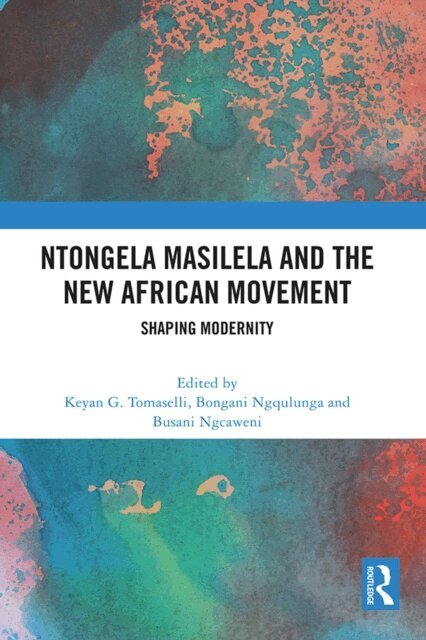
Ntongela Masilela and the New African Movement
Shaping Modernity
Av Busani Ngcaweni, Bongani Ngqulunga m. fl.
E-bok, 2026
3226 kr
Lägg i varukorg
This book explores the profound intellectual legacy of the late Ntongela Masilela, a groundbreaking literary historian whose analytical significance surged following his death in 2020. Part biography and part scholarly dialogue, the book examines Masilela''s extensive unpublished online archive …
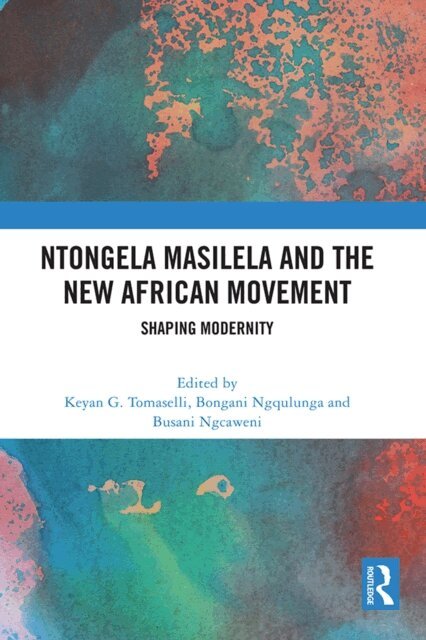
Ntongela Masilela and the New African Movement
Shaping Modernity
Av Busani Ngcaweni, Bongani Ngqulunga m. fl.
E-bok, 2026
3226 kr
Lägg i varukorg
This book explores the profound intellectual legacy of the late Ntongela Masilela, a groundbreaking literary historian whose analytical significance surged following his death in 2020. Part biography and part scholarly dialogue, the book examines Masilela''s extensive unpublished online archive …
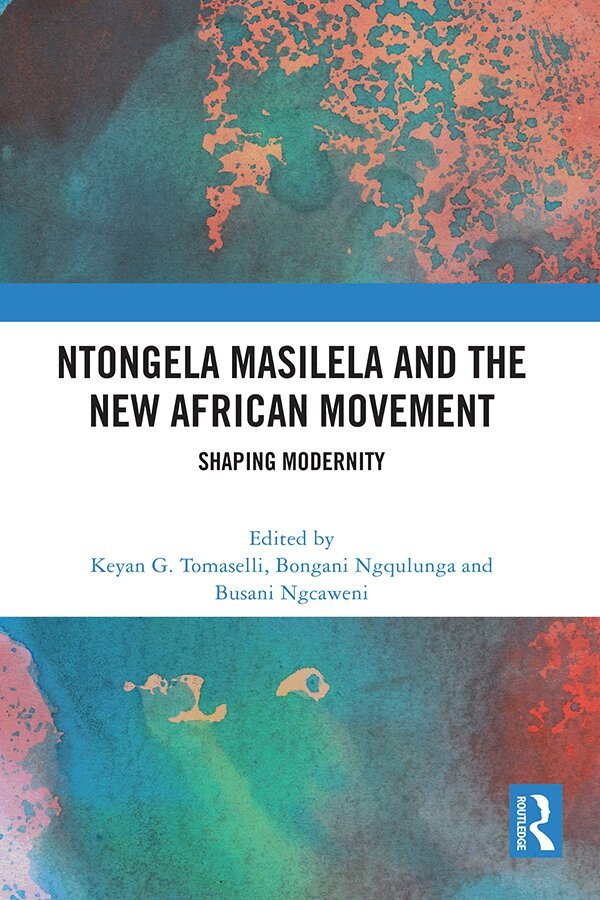
Ntongela Masilela and the New African Movement
Shaping Modernity
Av Keyan G. Tomaselli, Bongani Ngqulunga m. fl.
Inbunden, 2026
2879 kr
Lägg i varukorg
This book explores the profound intellectual legacy of the late Ntongela Masilela, a groundbreaking literary historian whose analytical significance surged following his death in 2020. Part biography and part scholarly dialogue, the book examines Masilela's extensive unpublished online archive …
Ulibambe Lingashoni!
The Centenary History of Ilanga lase Natal Newspaper
Häftad, 2025
214 kr
Kommande
This book examines the early history of Ilanga lase Natal, a groundbreaking newspaper founded by John and Nokutela Dube in colonial Natal. It traces the paper's role in advancing black modernism and literary innovation amidst colonial oppression. The Dubes' commitment to education and political …
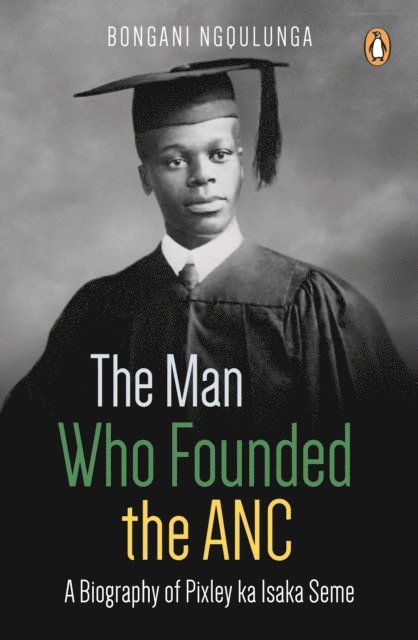
Man Who Founded the ANC
A Biography of Pixley ka Isaka Seme
E-bok, 2017
197 kr
Lägg i varukorg
In 1912, just over a year after returning from his studies at Columbia and Oxford, the thirty-year-old Pixley ka Isaka Seme succeeded where others had failed in forming a political organisation that represented all black South Africans. Seme also established a national newspaper, became one of the …
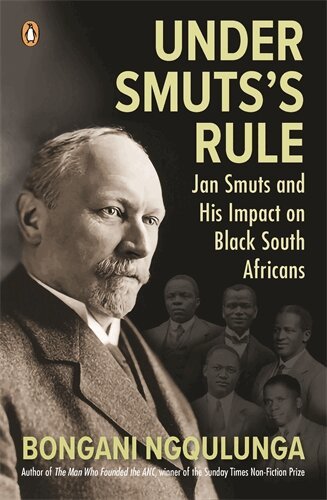
Under Smuts's Rule
Jan Smuts and His Impact on Black South Africans
Häftad, 2025
215 kr
Lägg i varukorg
Jan Smuts is revered by some as a national and international statesman, but he is condemned by others as an architect of segregation. In his new book, prize-winning author Bongani Ngqulunga examines how Smuts’s political life affected black South Africans. The book considers Smuts’s role in the …