Bonnie Kime Scott - Böcker
Visar alla böcker från författaren Bonnie Kime Scott. Handla med fri frakt och snabb leverans.
8 produkter
8 produkter
435 kr
Skickas inom 11-20 vardagar
Selects the best from the last fifteen years of feminist literary and modernist scholarship
683 kr
Skickas inom 10-15 vardagar
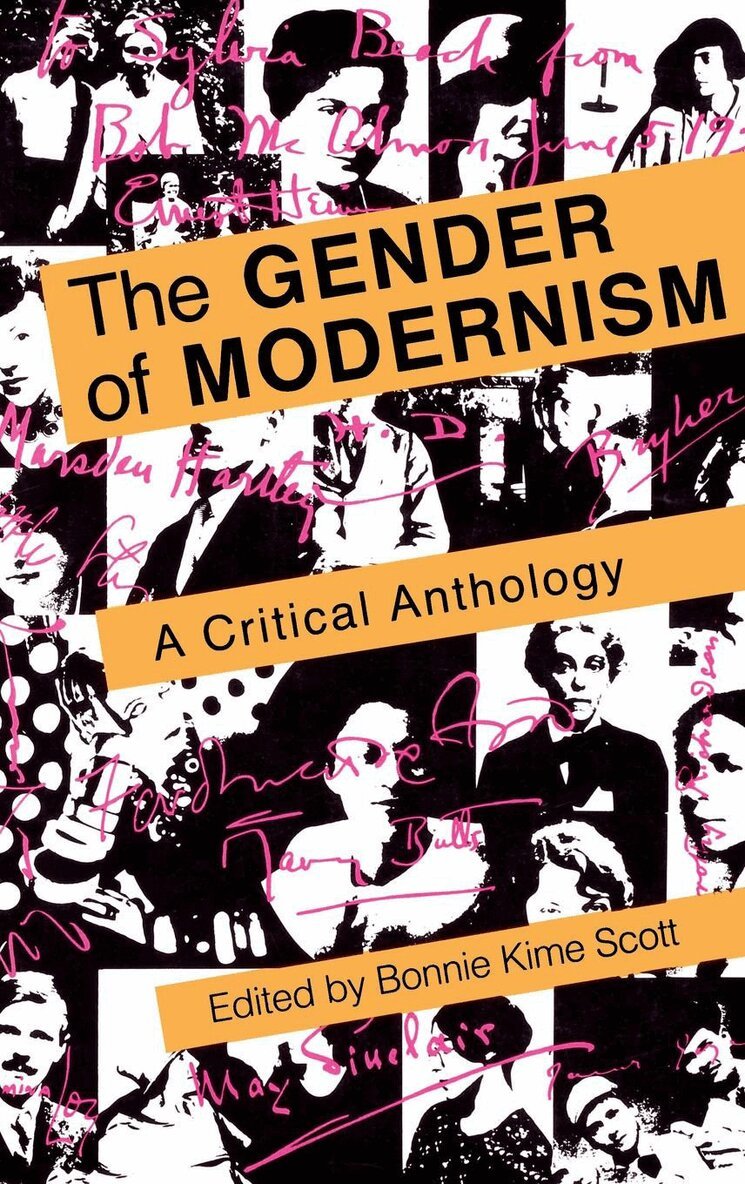
"This is the book we've been waiting for: a distinguished collection that demonstrates how revisions of Modernist definitions might proceed. . . . The Gender of Modernism . . . will be nothing less than an absolutely necessary text for Modernist studies." —Shari Benstock"Scott and her contributing editors . . . effectively [bring] together the issues of gender and modernism into a volume recommended for reference and classroom use." —James Joyce Literary Supplement" . . . a treasure trove for anyone interested in the literature and history of modern times." —Susan GubarAuthors included are: Djuna Barnes, Willa Cather, Nancy Cunard, H.D., T.S. Eliot, Jessie Redmond Fauset, Zora Neale Hurston, James Joyce, Nella Larsen, D.H. Lawrence, Mina Loy, Rose Macaulay, Hugh MacDiarmid, Katherine Mansfield, Charlotte Mew, Marianne Moore, Ezra Pound, Jean Rhys, Dorothy Richardson, May Sinclair, Gertrude Stein, Sylvia Townsend Warner, Rebecca West, Antonia White, Anna Wickham, and Virginia Woolf.
1 163 kr
Skickas inom 5-8 vardagar
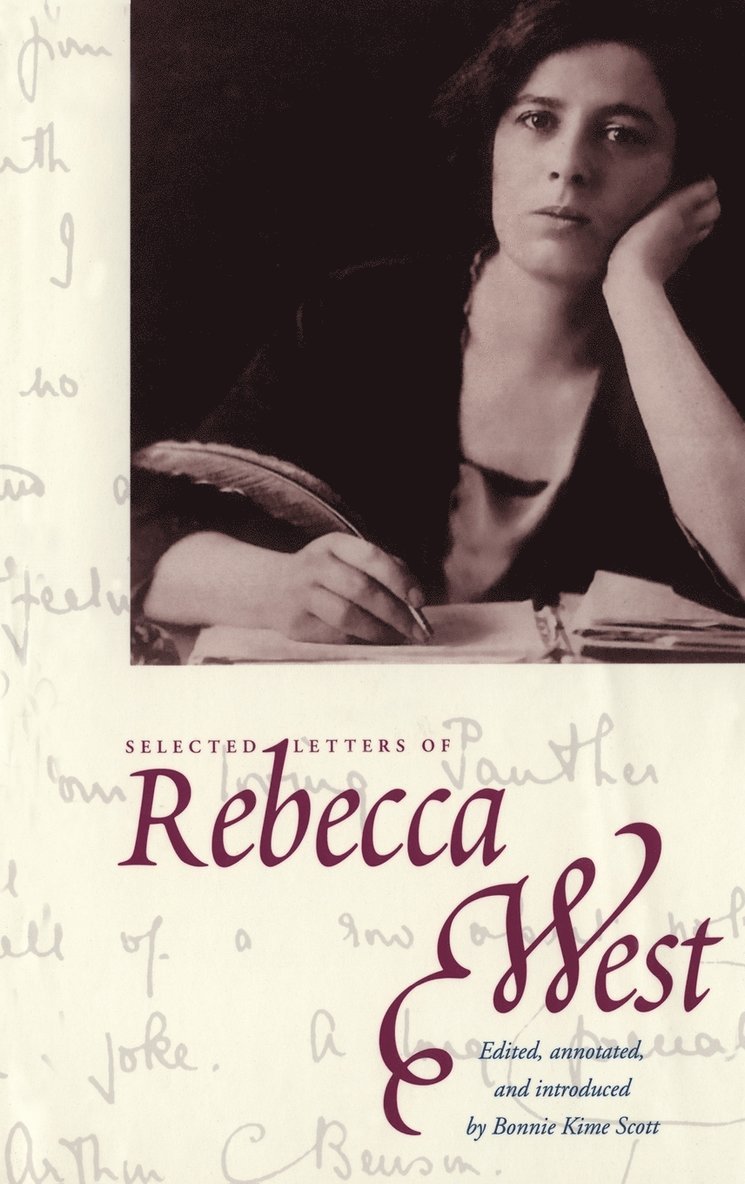
The politics and writings of Rebecca West have always ellicited strong reactions. This collection of her letters includes correspondence with such luminaries as George Bernard Shaw, Virginia Woolf, and her famous lover H.G. Wells, and offers pronouncements on misogyny, fascism and communism.
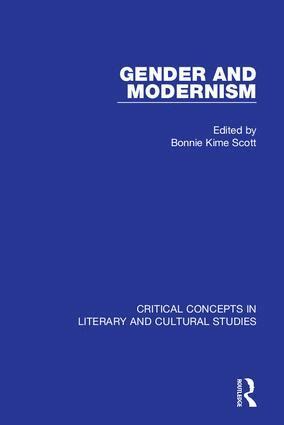
Gender and Modernism: Critical Concepts 4 vols
Critical Concepts in Literary and Cultural Studies
2008
16 166 kr
Skickas inom 10-15 vardagar
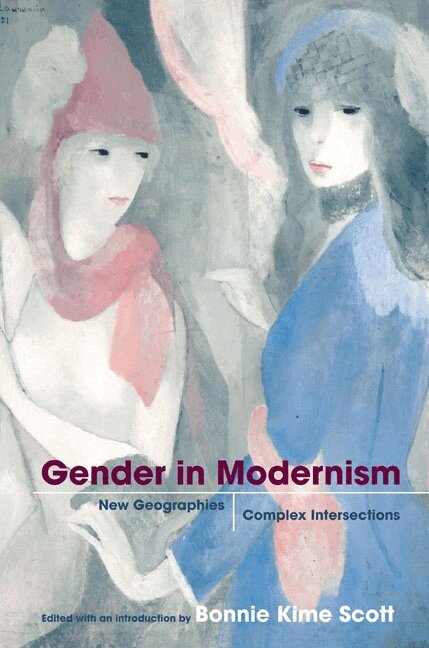
Modernism, whether seen as a period designation, a manifestation of formal experimentation, or an aspect of modernity, has since its inception been marked, consciously or unconsciously, by gender. The dates 1890-1940, typically accepted as encompassing the modernist period, coincide with the first wave of feminism and its educational, suffragist, socialist, and professional agendas. Feminist activism and ideology of the period, as well as reactions against them, made gender a field of contention, sometimes labelled the "sex wars." The long shadow left by the Oscar Wilde trials, and the flourishing of gay and lesbian cultures, particularly in the urban centres of modernism in the teens and twenties, also queered normative notions of masculinity and femininity. In response to global consumer culture, diverse images of the modern girl emerged, also putting conventional notions of gender to the test. The Harlem Renaissance had its own gendered politics and expressions, as did modernism’s venturing into and emergence from colonial situations around the globe.The discussion of gender in modernism arose in the 1970s, along with the second wave of feminism and the introduction of feminist theory and criticism to the academy. It challenged the ways that the modernist canon, and the experimental forms associated with modernism, had been fashioned as normatively male. Early on, various approaches to the exploration of gender were available, including the gendering of style available in French Feminist theory, psychoanalytic approaches, materialist feminism, and gyno-critical attention to women writers. Raising questions of gender concerning modernist texts had become an expectation by the 1990s. Debates about the adequacy of gender as the central concern of feminist theory have led to the useful concept of intersectionality, which heeds the ways that other social categories, such as race, class, sexuality, dis/ability, and global/colonial location, intersect with gender in creating the standpoint of an individual. Equally valuable are challenges to binary divisions encouraged by gendered oppositions, and the study of ways that gender is produced by culture or performed.
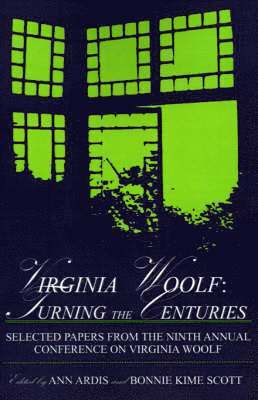
Virginia Woolf: Turning the Centuries: Selected Papers from the Ninth Annual Conference on Virginia Woolf, University of Delaware, June 10-13, 1999
Häftad, Engelska, 2000
631 kr
Skickas inom 3-6 vardagar
489 kr
Skickas inom 7-10 vardagar
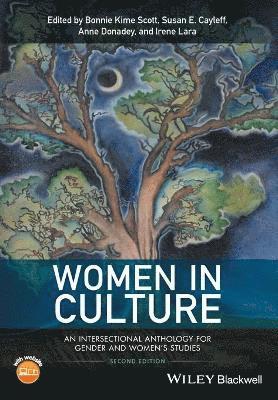
The thoroughly revised Women in Culture 2/e explores the intersections of gender, race, sexuality, gender identity, and spirituality from the perspectives of diverse global locations. Its strong humanities content, including illustrations and creative writing, uniquely embraces the creative aspects of the field. Each of the ten thematic chapters lead to creative readings, introducing a more Readings throughout the text encourage intersectional thinking amongst students humanistic angle than is typical of textbooks in the fieldThis textbook is queer inclusive and allows students to engage with postcolonial/decolonial thinking, spirituality, and reproductive/environmental justiceA detailed timeline of feminist history, criticism and theory is provided, and the glossary encourages the development of critical vocabularyA variety of illustrations supplement the written materials, and an accompanying website offers instructors pedagogical resources
1 397 kr
Skickas inom 10-15 vardagar
Taking Place: Environmental Change in Literature and Art explores how works of literature and art help us to rethink the ways that we have perceived, imagined, inhabited, explored, conquered, and shared places. The book offers chapters on India, Southern Africa, Ireland, Australia, and New York City. The literary and artistic works investigated range in time from early indigenous rock art to contemporary literary representations of place. Bonnie Kime Scott participates in ongoing interdisciplinary discussions of ecocritical, feminist, postcolonial, post-humanist and place studies.
1 397 kr
Skickas inom 10-15 vardagar
?Taking Place: Environmental Change in Literature and Art explores how works of literature and art help us to rethink the ways that we have perceived, imagined, inhabited, explored, conquered, and shared places.