Bradley Adams – författare
Visar alla böcker från författaren Bradley Adams. Handla med fri frakt och snabb leverans.
8 produkter
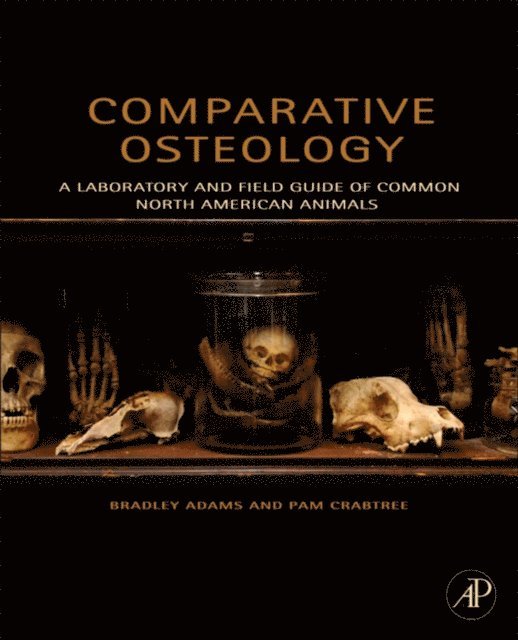
Comparative Osteology
A Laboratory and Field Guide of Common North American Animals
Av Bradley Adams, Pam Crabtree
Häftad, 2011
628 kr
Lägg i varukorg
In the forensic context it is quite common for nonhuman bones to be confused with human remains and end up in the medical examiner or coroner system. It is also quite common for skeletal remains (both human and nonhuman) to be discovered in archaeological contexts. While the difference between …
Comparative Osteology
A Laboratory and Field Guide of Common North American Animals
Av Pam Crabtree, Bradley Adams
E-bok, 2011
608 kr
Lägg i varukorg
In the forensic context it is quite common for nonhuman bones to be confused with human remains and end up in the medical examiner or coroner system. It is also quite common for skeletal remains (both human and nonhuman) to be discovered in archaeological contexts. While the difference between …
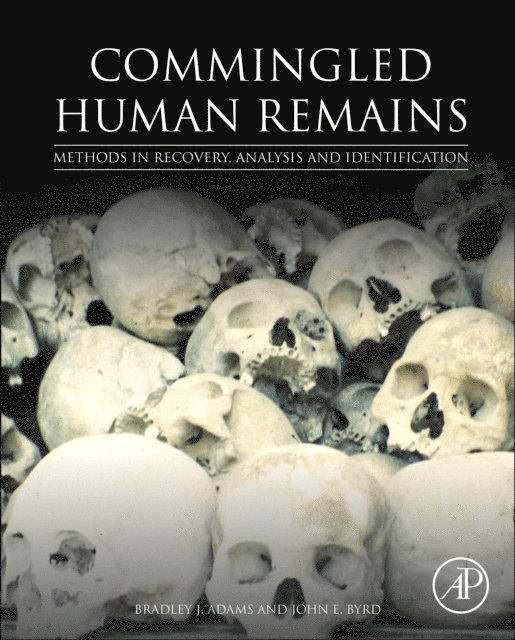
Commingled Human Remains
Methods in Recovery, Analysis, and Identification
Häftad, 2014
662 kr
Lägg i varukorg
Commingled human remains are encountered in situations ranging from prehistoric ossuaries to recent mass fatality incidents. Commingled Human Remains: Methods in Recovery, Analysis, and Identification brings together tools from diverse sources within the forensic science community to offer a set of …
Commingled Human Remains
Methods in Recovery, Analysis, and Identification
E-bok, 2014
772 kr
Lägg i varukorg
Commingled human remains are encountered in situations ranging from prehistoric ossuaries to recent mass fatality incidents. Commingled Human Remains: Methods in Recovery, Analysis, and Identification brings together tools from diverse sources within the forensic science community to offer a set of …
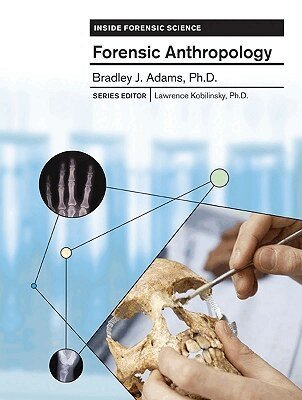
Forensic Anthropology
Inbunden, 2006
372 kr
Tillfälligt slut
Forensic anthropologists may be consulted when human remains are found at an archaeological excavation or at a crime scene. Here's a look at how anthropologists analyze skeletal remains to learn about the deceased--their age and gender, how they may have lived, and their overall state of health …