Bradley W. Carpenter - Böcker
Visar alla böcker från författaren Bradley W. Carpenter. Handla med fri frakt och snabb leverans.
4 produkter
4 produkter
646 kr
Skickas inom 7-10 vardagar
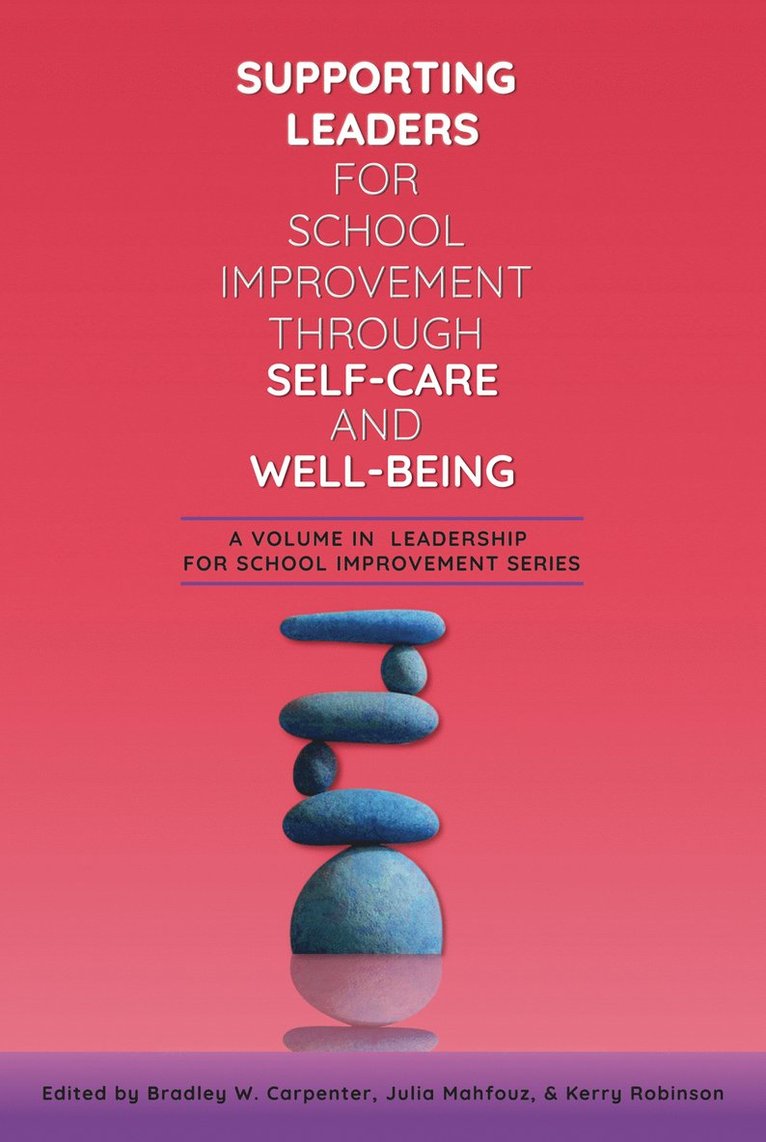
School leadership instability is particularly problematic for scholars and practitioners concerned with PK-12 school improvement, as second only to teachers, campus leadership has been identified as a primary factor in students' academic success (Young et al., 2007). Yet, while principals play an indispensable role in students' academic success, the job has become considerably more stressful as the role of a school leader continues to evolve. Specifically, added responsibilities, increased work intensity, and the ever-present menace of high stakes accountability have intensified the stress levels encountered by today's school leaders (Carpenter & Brewer, 2012; Chaplain, 2001; Darmody & Smyth, 2016; Wang, et al., 2018). This intensification negatively impacts a school’s teaching staff and its students, as the overall quality of the school experience can deteriorate if principals are unable to meet their potential due to the burnout and fatigue associated with chronic stress (Darmody & Smyth, 2016; Devos, et al., 2007).For principals to fully realize their ability to serve as catalysts for school improvement, they should be allowed to prioritize physical, mental, cognitive, and emotional health. Desired levels of wellbeing occur in the absence of chronic physical, social, psychological, emotional, economic, and cognitive distress (La Placa, et al., 2013). As authors in this volume demonstrate, many school leaders have commenced specific practices targeting cognitive, emotional, and behavioral wellbeing to cope with occupational stress and flourishing- or, at the very least, surviving in such a challenging environment. Among coping strategies leaders have adopted include mindfulness and other wellbeing interventions/strategies intended to facilitate healthier lifestyles, relieve stress, and improve personal resilience (Aviles & Dent, 2015; Mahfouz, 2018; Wells, 2015).Recently, there has been a call to consider educational leadership through a positive human flourishing lens. Research in this area focuses on integrating wellbeing practices in professional development programs for teachers and school administrators to highlight the positive effects of personal and collective wellbeing in schools (Cherkowski & Walker, 2014). For example, empirical studies have examined how incorporating mindfulness practice promotes positive adaptive skills, stress resilience, and social and emotional skills needed in a school environment (Abenavoli, et al., 2013; Benn, et al., 2012; Dvor a kova et al., 2017; Jennings, 2015; Meiklejohn et al., 2012; Mahfouz et al., 2018). New understandings about the relationship between school administrators' wellbeing and school improvement efforts should ignite interest within the field. As such, this book’s chapters are organized into four distinct sections that provide: (a) an overview of the field (Section I), (b) an empirical argument for why such research is essential (Section II), (c) wellbeing models to be considered for use in the PK-12 setting (Section III), and, (d) specific wellbeing practices and frameworks currently being in PK-12 (Section IV).
1 093 kr
Skickas inom 7-10 vardagar
School leadership instability is particularly problematic for scholars and practitioners concerned with PK-12 school improvement, as second only to teachers, campus leadership has been identified as a primary factor in students' academic success (Young et al., 2007). Yet, while principals play an indispensable role in students' academic success, the job has become considerably more stressful as the role of a school leader continues to evolve. Specifically, added responsibilities, increased work intensity, and the ever-present menace of high stakes accountability have intensified the stress levels encountered by today's school leaders (Carpenter & Brewer, 2012; Chaplain, 2001; Darmody & Smyth, 2016; Wang, et al., 2018). This intensification negatively impacts a school’s teaching staff and its students, as the overall quality of the school experience can deteriorate if principals are unable to meet their potential due to the burnout and fatigue associated with chronic stress (Darmody & Smyth, 2016; Devos, et al., 2007).For principals to fully realize their ability to serve as catalysts for school improvement, they should be allowed to prioritize physical, mental, cognitive, and emotional health. Desired levels of wellbeing occur in the absence of chronic physical, social, psychological, emotional, economic, and cognitive distress (La Placa, et al., 2013). As authors in this volume demonstrate, many school leaders have commenced specific practices targeting cognitive, emotional, and behavioral wellbeing to cope with occupational stress and flourishing- or, at the very least, surviving in such a challenging environment. Among coping strategies leaders have adopted include mindfulness and other wellbeing interventions/strategies intended to facilitate healthier lifestyles, relieve stress, and improve personal resilience (Aviles & Dent, 2015; Mahfouz, 2018; Wells, 2015).Recently, there has been a call to consider educational leadership through a positive human flourishing lens. Research in this area focuses on integrating wellbeing practices in professional development programs for teachers and school administrators to highlight the positive effects of personal and collective wellbeing in schools (Cherkowski & Walker, 2014). For example, empirical studies have examined how incorporating mindfulness practice promotes positive adaptive skills, stress resilience, and social and emotional skills needed in a school environment (Abenavoli, et al., 2013; Benn, et al., 2012; Dvor a kova et al., 2017; Jennings, 2015; Meiklejohn et al., 2012; Mahfouz et al., 2018). New understandings about the relationship between school administrators' wellbeing and school improvement efforts should ignite interest within the field. As such, this book’s chapters are organized into four distinct sections that provide: (a) an overview of the field (Section I), (b) an empirical argument for why such research is essential (Section II), (c) wellbeing models to be considered for use in the PK-12 setting (Section III), and, (d) specific wellbeing practices and frameworks currently being in PK-12 (Section IV).
518 kr
Skickas inom 7-10 vardagar
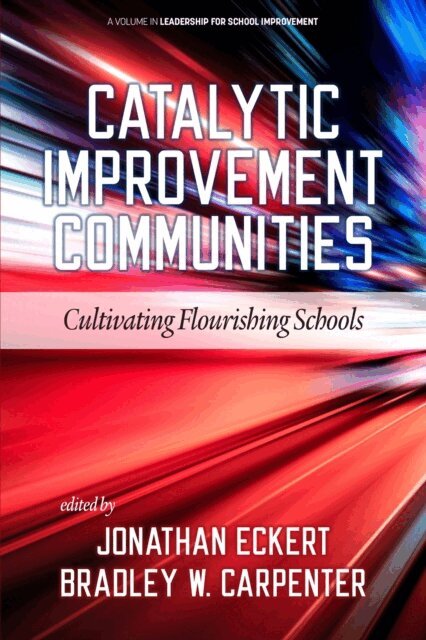
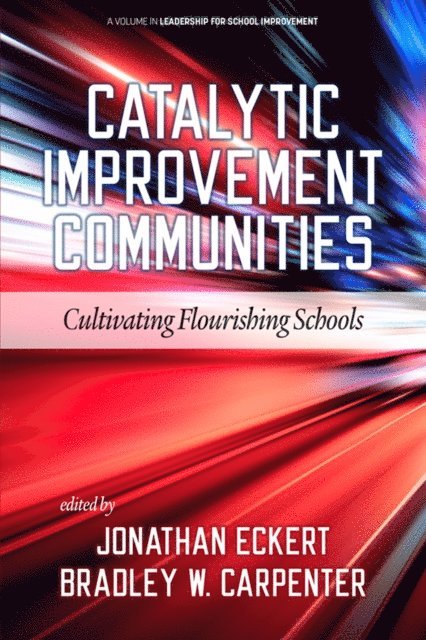
In chemistry, a catalyst accelerates change without being depleted. As we seek school improvement, we need sustainable, scalable changes, and therefore catalytic structures are ideal. From communities of practice to professional learning communities to Networked Improvement Communities (NICs) much has been made in the scholarly and consultancy literature about collaborative approaches to improvement. The benefit of improvement communities that operate in networks over professional learning communities or isolated communities of practice is that they allow for broader experimentation, more rapid iteration, and greater possibility for scaling improvement. Educators have many tools and protocols to support the various approaches to improvement, evidenced by the many tools the Carnegie Foundation has developed for NICs alone. However, we need to understand how these are being used in a wide range of contexts and iterations. This book answers three questions:1) How can improvement communities act as catalysts? 2) How do improvement communities serve as discipline, creative inquiry? 3) Most importantly, how do improvement communities support flourishing individuals? These three questions serve as the drivers of three sections with practical recommendations and insights for teachers, administrators, and policymakers that will lead to more sustainable leadership practices and thriving educators, students, and communities.
953 kr
Skickas inom 7-10 vardagar
In chemistry, a catalyst accelerates change without being depleted. As we seek school improvement, we need sustainable, scalable changes, and therefore catalytic structures are ideal. From communities of practice to professional learning communities to Networked Improvement Communities (NICs) much has been made in the scholarly and consultancy literature about collaborative approaches to improvement. The benefit of improvement communities that operate in networks over professional learning communities or isolated communities of practice is that they allow for broader experimentation, more rapid iteration, and greater possibility for scaling improvement. Educators have many tools and protocols to support the various approaches to improvement, evidenced by the many tools the Carnegie Foundation has developed for NICs alone. However, we need to understand how these are being used in a wide range of contexts and iterations. This book answers three questions:1) How can improvement communities act as catalysts? 2) How do improvement communities serve as discipline, creative inquiry? 3) Most importantly, how do improvement communities support flourishing individuals? These three questions serve as the drivers of three sections with practical recommendations and insights for teachers, administrators, and policymakers that will lead to more sustainable leadership practices and thriving educators, students, and communities.