Jonathan Eckert – författare
Visar alla böcker från författaren Jonathan Eckert. Handla med fri frakt och snabb leverans.
8 produkter
Happiness Crisis
How Adversity Can Build a Resilient and Joyful Next Generation
Häftad, 2026
161 kr
Lägg i varukorg
Chasing what feels easy is a human instinct—but it's only when young people embrace challenges that they become stronger versions of themselves and lead more joyful, meaningful lives.In our happiness-obsessed society, we can become isolated in comfort zones and overly focused on temporary …
Happiness Crisis
How Adversity Can Build a Resilient and Joyful Next Generation
E-bok, 2026
136 kr
Lägg i varukorg
Chasing what feels easy is a human instinctbut it's only when young people embrace challenges that they become stronger versions of themselves and lead more joyful, meaningful lives.In our happiness-obsessed society, we can become isolated in comfort zones and overly focused on temporary pleasures. …
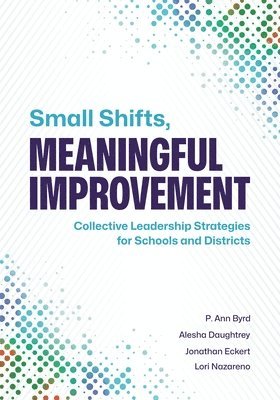
Small Shifts, Meaningful Improvement
Collective Leadership Strategies for Schools and Districts
Av P. Ann Byrd, Alesha Daughtrey m. fl.
Häftad, 2023
363 kr
Lägg i varukorg
The Novice Advantage
Fearless Practice for Every Teacher
Häftad, 2016
480 kr
Lägg i varukorg
Capture the novice mindset! Get ready to teach as never before, powered by a fresh, brave mindset. With humor and insight, this down-to-earth guide reveals a fundamental principle: the best teachers grow through risk, reflection, and revision. Readers will learn how to: Sustain the energy and …
Catalytic Improvement Communities
Cultivating Flourishing Schools
Av Bradley W. Carpenter, Jonathan Eckert
E-bok, 2024
594 kr
Lägg i varukorg
In chemistry, a catalyst accelerates change without being depleted. As we seek school improvement, we need sustainable, scalable changes, and therefore catalytic structures are ideal. From communities of practice to professional learning communities to Networked Improvement Communities (NICs) much …
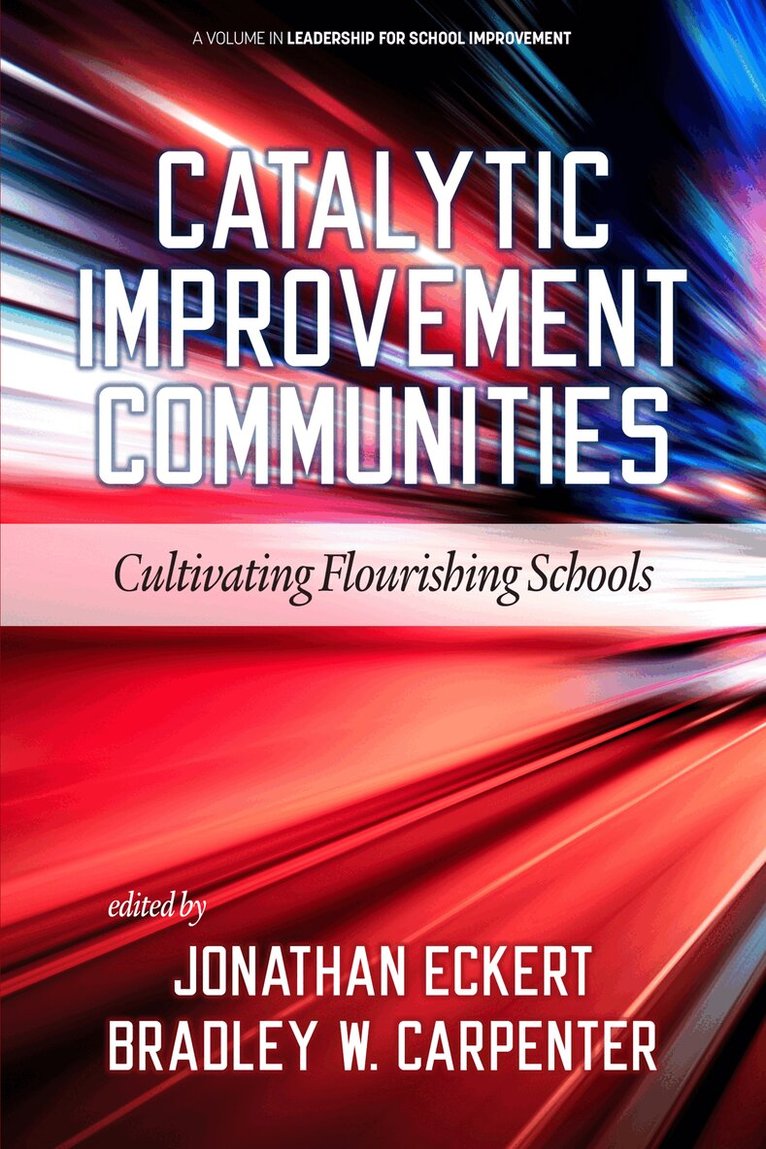
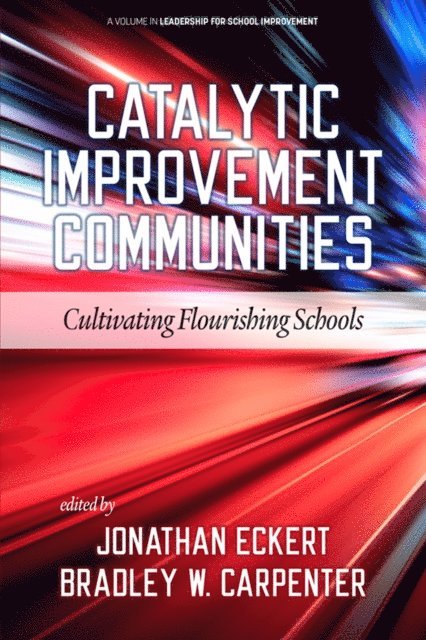
Catalytic Improvement Communities
Cultivating Flourishing Schools
Av Jonathan Eckert, Bradley W. Carpenter
Häftad, 2024
551 kr
Lägg i varukorg
In chemistry, a catalyst accelerates change without being depleted. As we seek school improvement, we need sustainable, scalable changes, and therefore catalytic structures are ideal. From communities of practice to professional learning communities to Networked Improvement Communities (NICs) much …
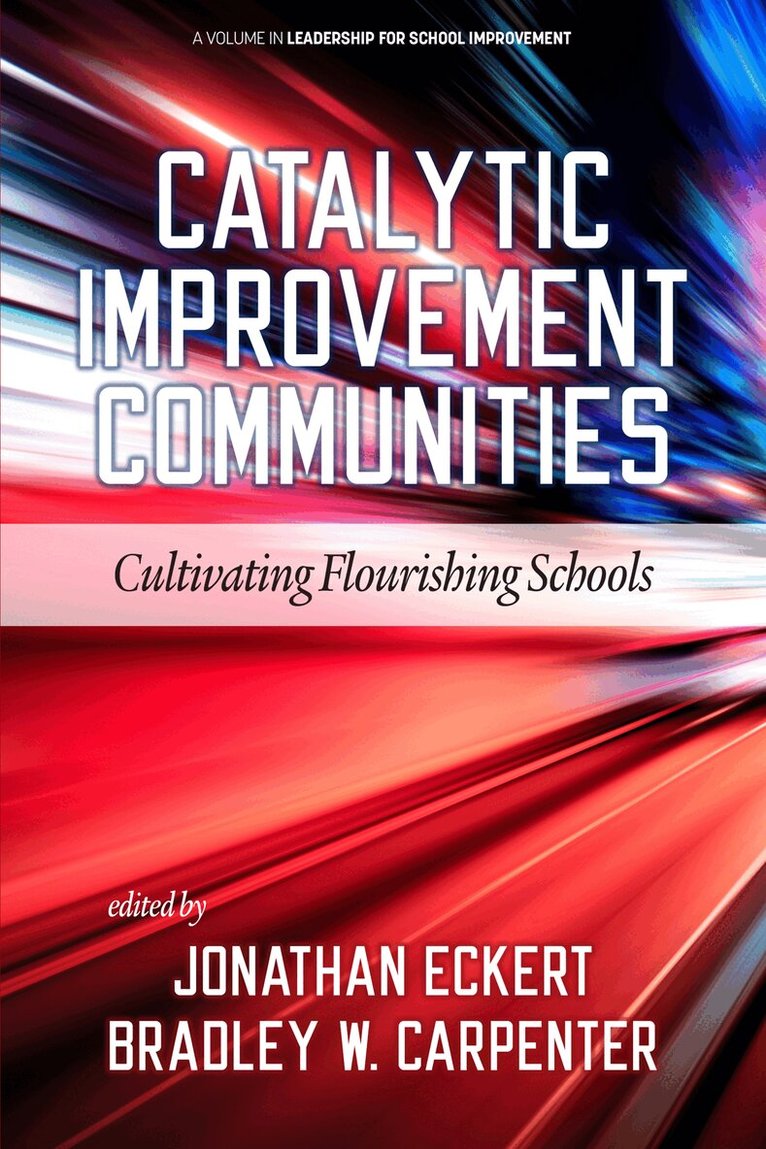
Catalytic Improvement Communities
Cultivating Flourishing Schools
Av Jonathan Eckert, Bradley W. Carpenter
Inbunden, 2024
1027 kr
Lägg i varukorg
In chemistry, a catalyst accelerates change without being depleted. As we seek school improvement, we need sustainable, scalable changes, and therefore catalytic structures are ideal. From communities of practice to professional learning communities to Networked Improvement Communities (NICs) much …
Catalytic Improvement Communities
Cultivating Flourishing Schools
Av Bradley W. Carpenter, Jonathan Eckert
E-bok, 2024
515 kr
Lägg i varukorg
In chemistry, a catalyst accelerates change without being depleted. As we seek school improvement, we need sustainable, scalable changes, and therefore catalytic structures are ideal. From communities of practice to professional learning communities to Networked Improvement Communities (NICs) much …