Brent K. S. Woodfill - Böcker
Visar alla böcker från författaren Brent K. S. Woodfill. Handla med fri frakt och snabb leverans.
5 produkter
5 produkter
448 kr
Skickas inom 10-15 vardagar
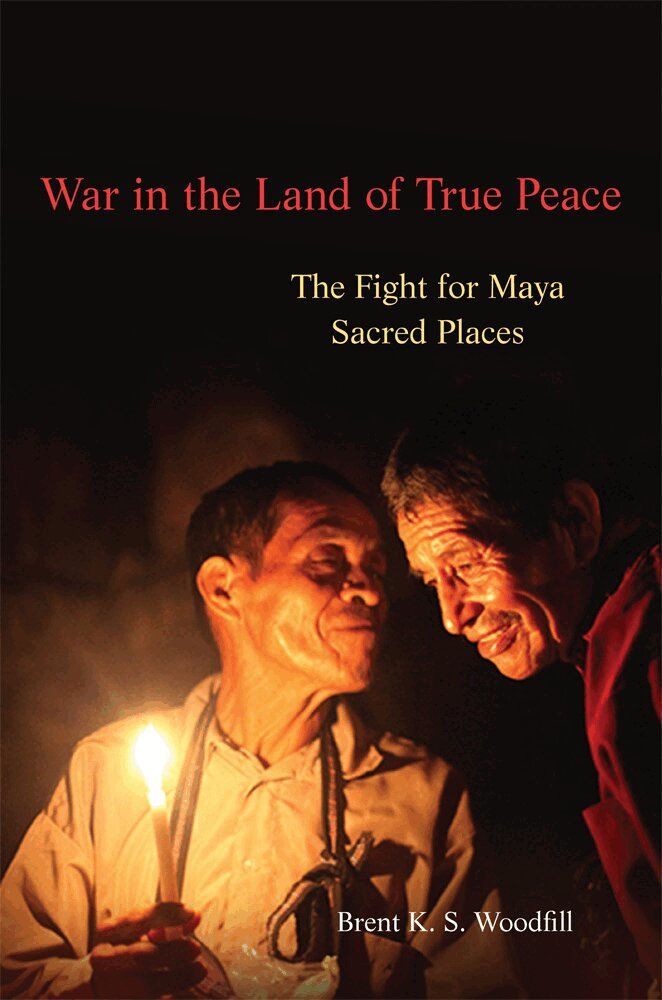
For the ancient and modern Maya, the landscape is ruled by powerful entities in the form of geographic features like caves, mountains, springs, and abandoned cities - spirits who must be entreated, through visits and rituals, for permission to plant, harvest, build, or travel their territories. Consequently, such places have served as points of domination and resistance over the millennia - and nowhere is this truer than in Guatemala's Northern Transversal Strip, the subject of Brent K. S. Woodfill's War in the Land of True Peace.This strategic region with its wealth of resources - fertile soil, petroleum, and the only noncoastal salt in the Maya lowlands - is the site of some of the most sacred Maya places, and thus also the focus of some of the signal struggles for power in Maya history. In War in the Land of True Peace Woodfill delves into archaeology, epigraphy, ethnohistory, and ethnography to write the biographies of several of these places, covering their histories from the rise of the Preclassic Maya through the spread of transnational corporations in our time. Again and again the region, known since Spanish conquest as Vera Paz, or True Peace, has seen incursion by a foreign group - including the great Maya cities of Tikal and Calakmul, the Hapsburg Empire, Guatemalan military dictatorships, and contemporary corporations - seeking to expand its power. Each outsider, intentionally or not, used the Maya need for access to these places to ensure loyalty. And each time, local Maya pushed back to reclaim the sacred places for their own.From early struggles to remove foreign influence to present-day battles over land tenure and indigenous-run ecotourism parks, this book documents a continuity in Maya culture over several thousand years - and illuminates the world view, with its sense of personhood and religion so different from the West's, that informs this enduring culture.
269 kr
Skickas inom 10-15 vardagar
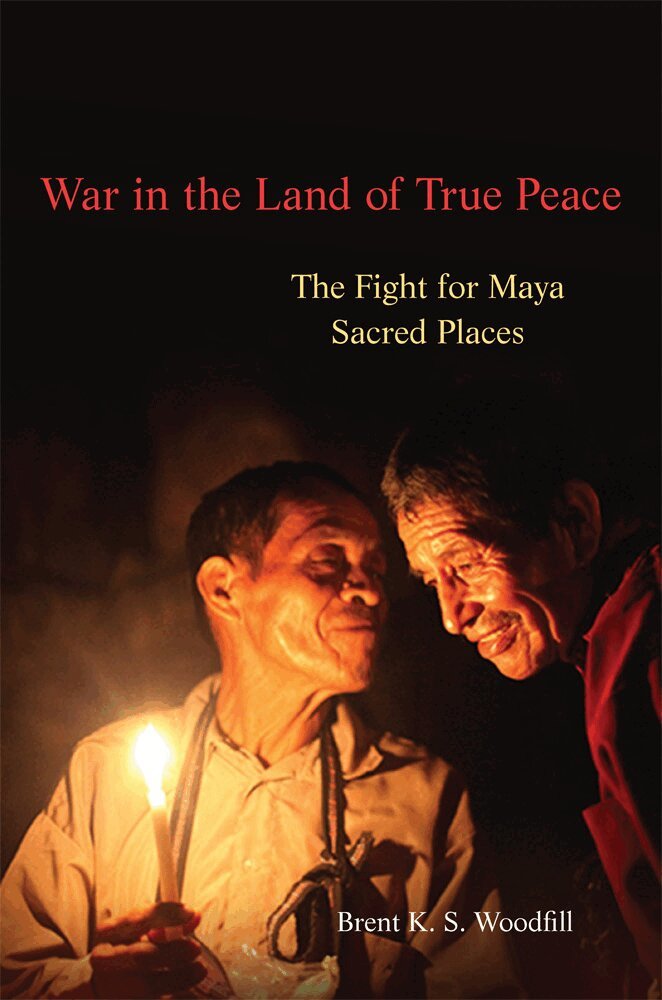
For the ancient and modern Maya, the landscape is ruled by powerful entities in the form of geographic features like caves, mountains, springs, and abandoned cities - spirits who must be entreated, through visits and rituals, for permission to plant, harvest, build, or travel their territories. Consequently, such places have served as points of domination and resistance over the millennia - and nowhere is this truer than in Guatemala's Northern Transversal Strip, the subject of Brent K. S. Woodfill's War in the Land of True Peace.This strategic region with its wealth of resources - fertile soil, petroleum, and the only noncoastal salt in the Maya lowlands - is the site of some of the most sacred Maya places, and thus also the focus of some of the signal struggles for power in Maya history. In War in the Land of True Peace Woodfill delves into archaeology, epigraphy, ethnohistory, and ethnography to write the biographies of several of these places, covering their histories from the rise of the Preclassic Maya through the spread of transnational corporations in our time. Again and again the region, known since Spanish conquest as Vera Paz, or True Peace, has seen incursion by a foreign group - including the great Maya cities of Tikal and Calakmul, the Hapsburg Empire, Guatemalan military dictatorships, and contemporary corporations - seeking to expand its power. Each outsider, intentionally or not, used the Maya need for access to these places to ensure loyalty. And each time, local Maya pushed back to reclaim the sacred places for their own.From early struggles to remove foreign influence to present-day battles over land tenure and indigenous-run ecotourism parks, this book documents a continuity in Maya culture over several thousand years - and illuminates the world view, with its sense of personhood and religion so different from the West's, that informs this enduring culture.
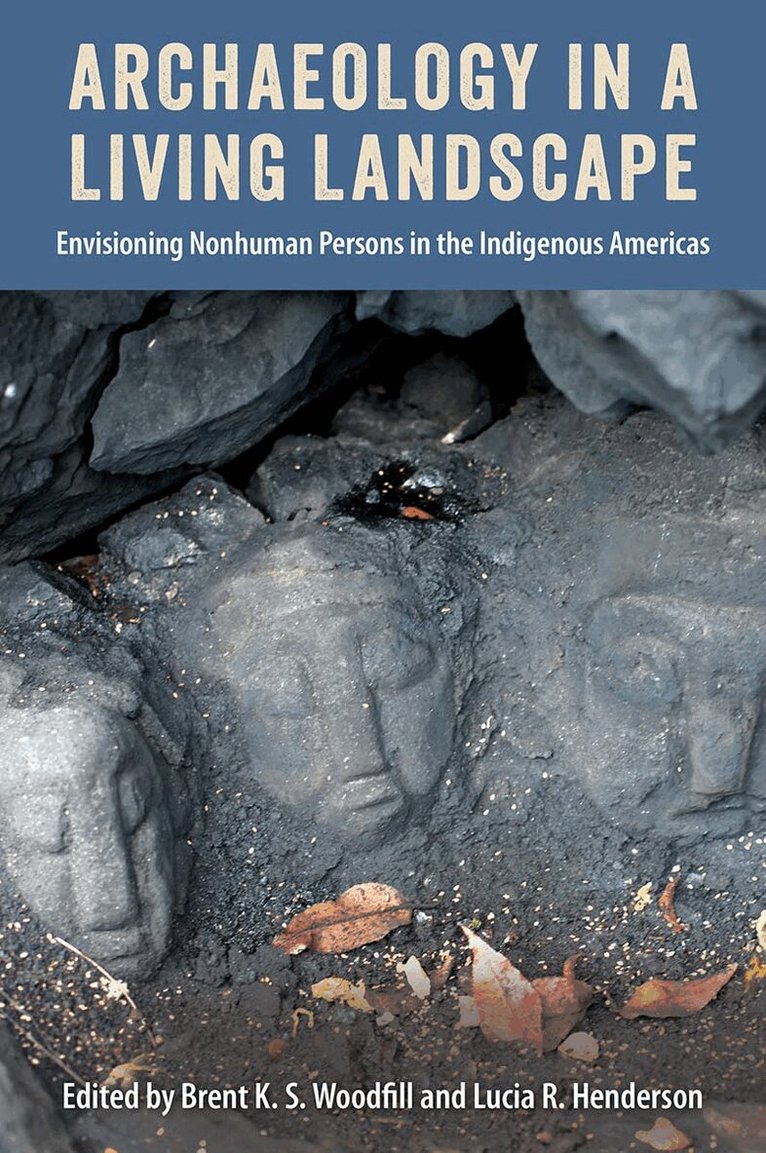
Archaeology in a Living Landscape
Envisioning Nonhuman Persons in the Indigenous Americas
Inbunden, Engelska, 2024
1 109 kr
Skickas inom 10-15 vardagar
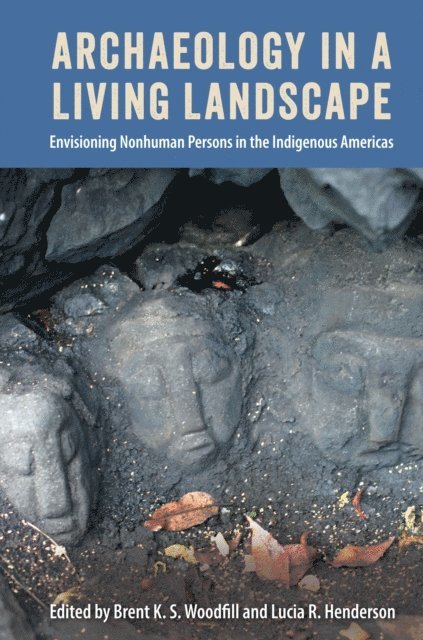
Recognizing and incorporating Indigenous knowledge systems in archaeological studies of the Americas This book explores the diverse range of other-than-human persons that inhabited and affected the landscape of the ancient Americas. These case studies acknowledge what is often dismissed by Western scholars: that Indigenous communities have long recognized degrees of personhood in mountains, volcanoes, caves, springs, rivers, rocks, plants, archaeological sites, trees, and animals and that this worldview should be taken seriously in archaeological investigations, community relations, and interpretations. In Archaeology in a Living Landscape, contributors examine the role of nonhuman agents in the ancient world, from land management and tenure to economics, politics, migration, pilgrimage, trade routes, conquest, ethics, and philosophy. Chapters describe Tlingit cosmology, lightning beings and magnetism in the Minnesota River Region, linguistic approaches to animacy in the United States Southeast, nonhuman persons in the ancient Maya economy, and Lacandon Maya ritual landscapes. They investigate the role of quarries in the building of Inka huacas (sacred spaces or objects), clay procurement and Andean apus (powerful mountains), Amazonian animism in polychrome ceramics, and the built and unbuilt landscape of the Mapuche. An epilogue by Dakota elder James Wa?bdí Ha?yetu Rock highlights how Western academic discourse often diverges from the viewpoints of Indigenous subjects. The contributors to this volume use language accessible to readers of diverse backgrounds. They focus on the centrality of nonhuman persons in the lives of Indigenous communities, working to move away from Western biases to embrace and integrate Indigenous belief frameworks in their studies. Archaeology in a Living Landscape highlights the value of Indigenous knowledge systems not just as archaeological evidence but as a body of theory.Contributors: Steve J. Langdon | Lisa J. Lucero | Alexei Vranich | James Rock | Eleanor Harrison-Buck | Lucia R. Henderson | Nicola Sharratt | Patrick Ryan Williams | Bill Sillar | Brent K.S. Woodfill | Jacob J. Sauer | Margaret Spivey-Faulkner | Sigrid Arnott | Dianne Desrosiers | Joshua Feinberg | David Maki | Carolyn Dean | Alice Balsanelli | Joel W. Palka | A.C. Roosevelt | Dennis Ogburn
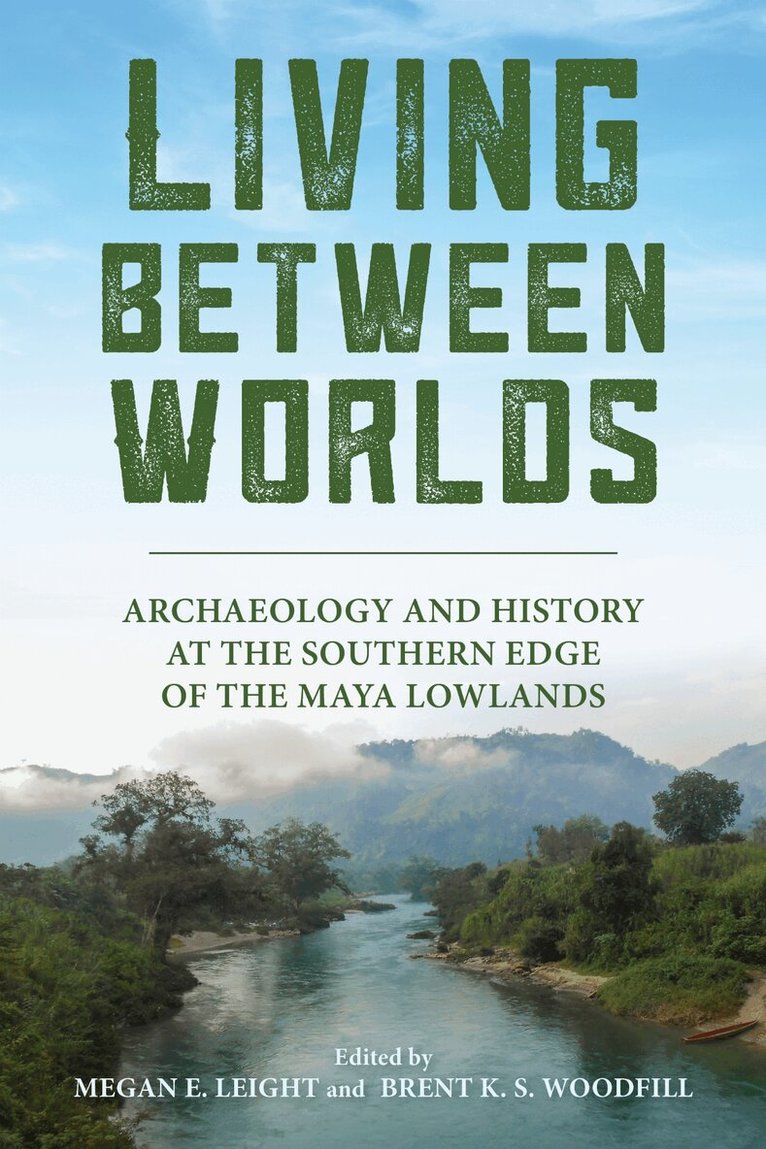
Living Between Worlds
Archaeology and History at the Southern Edge of the Maya Lowlands
Inbunden, Engelska, 2025
1 202 kr
Skickas inom 7-10 vardagar
The first in-depth exploration of the narrow but vital region between the pre-Columbian Maya highlands and lowlands in Guatemala called the Northern Transversal Strip.Living between Worlds: Archaeology and History at the Southern Edge of the Maya Lowlands is the first in-depth exploration of the narrow but vital region between the pre-Columbian Maya highlands and lowlands in Guatemala. This groundbreaking volume brings together the results of a twenty-five-year, multidisciplinary collaboration that reshapes our understanding of Maya civilization.Long overlooked due to the absence of towering monuments and stone cities, the Northern Transversal Strip was nevertheless a hub of commerce, culture, and political interaction. Spanning multiple Classic Maya city-states, conquest-era ethnic groups, and modern geopolitical boundaries, the region played a crucial role as a transportation corridor and resource center. Archaeologists, art historians, ethnohistorians, biologists, and paleoecologists join forces in this volume to reconstruct its complex past, uncovering its deep connections to the broader Maya world.From its role in the trade of cacao, salt, and quetzal feathers to its enduring significance through the Spanish conquest and modern conflicts, the Northern Transversal Strip emerges as a dynamic and pivotal region. Through detailed analyses of ceramics, figurines, obsidian exchange networks, and settlement patterns, this volume reveals the intricate web of interregional ties that defined the Maya civilization.With cutting-edge research and fresh perspectives, Living Between Worlds offers a comprehensive synthesis of archaeological discoveries, historical insights, and environmental studies. By literally and metaphorically bridging the highland-lowland divide, this volume transforms how scholars and readers alike perceive this once-marginalized but essential part of the Maya world.
Living Between Worlds
Archaeology and History at the Southern Edge of the Maya Lowlands
Häftad, Engelska, 2025
428 kr
Skickas inom 7-10 vardagar
The first set of essays presenting in-depth investigations of the narrow area known as the Northern Transversal Strip, situated between the pre-Columbian Maya highlands and lowlands in Guatemala. It showcases the fruits of a multidisciplinary, five-project collaboration among archaeologists, art historians, ethnohistorians, biologists, and paleoecologists that has been twenty-five years in the making.