Brent Nongbri - Böcker
Visar alla böcker från författaren Brent Nongbri. Handla med fri frakt och snabb leverans.
4 produkter
4 produkter
212 kr
Skickas inom 7-10 vardagar
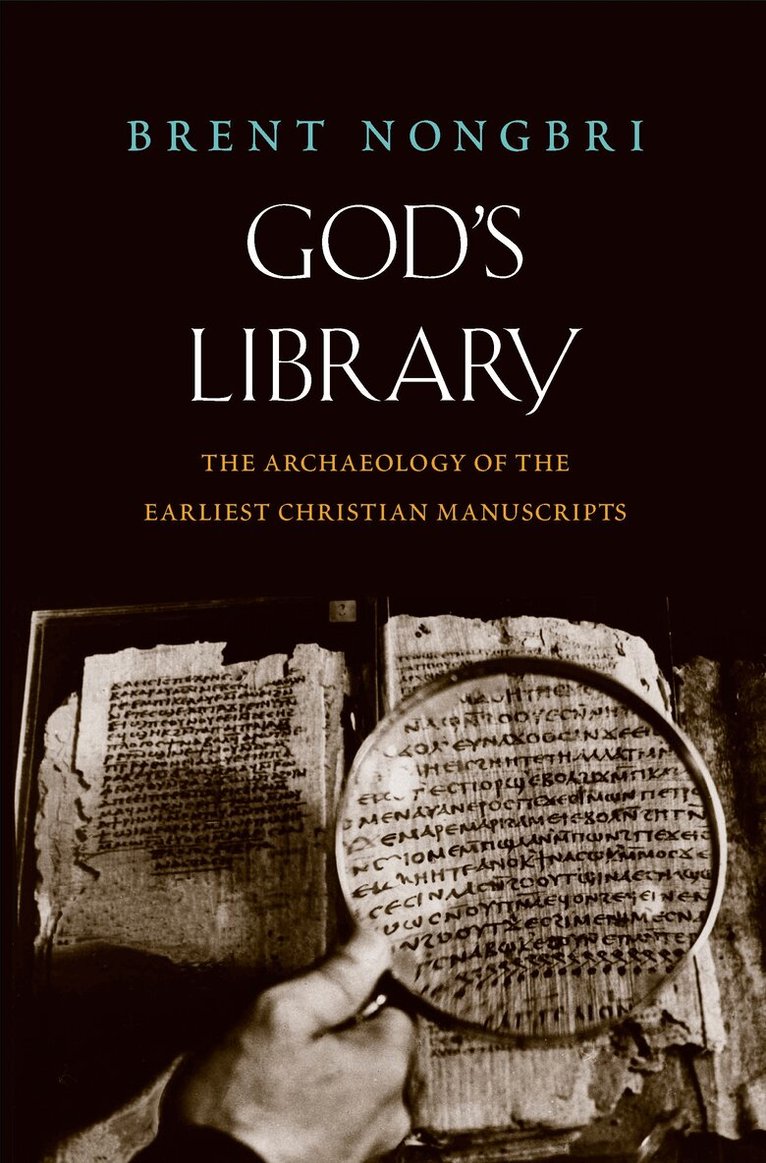
A provocative book from a highly original scholar, challenging much of what we know about early Christian manuscripts “[Nongbri] sets out to demystify the ‘discovery’ of ancient writings, advancing a more sober and realistic framework for assessing the breathless claims and counterclaims that appear in the media. . . . For those wanting to know something of the material basis for the world’s most published (and possibly, read) book, Nongbri’s own book is a gift.”—Luke Timothy Johnson, Commonweal In this bold and groundbreaking book, Brent Nongbri provides an up-to-date introduction to the major collections of early Christian manuscripts and demonstrates that much of what we thought we knew about these books and fragments is mistaken. While biblical scholars have expended much effort in their study of the texts contained within the earliest Christian manuscripts, there has been a surprising lack of interest in thinking about these books as material objects with individual, unique histories. We have too often ignored the ways that the antiquities market obscures our knowledge of the origins of these manuscripts. Through painstaking archival research and detailed studies of the most important collections of early Christian manuscripts, Nongbri vividly shows that the earliest Christian books are more than just carriers of texts or samples of handwriting. They are three-dimensional archaeological artifacts with fascinating stories to tell, if we’re willing to listen.
237 kr
Skickas inom 7-10 vardagar
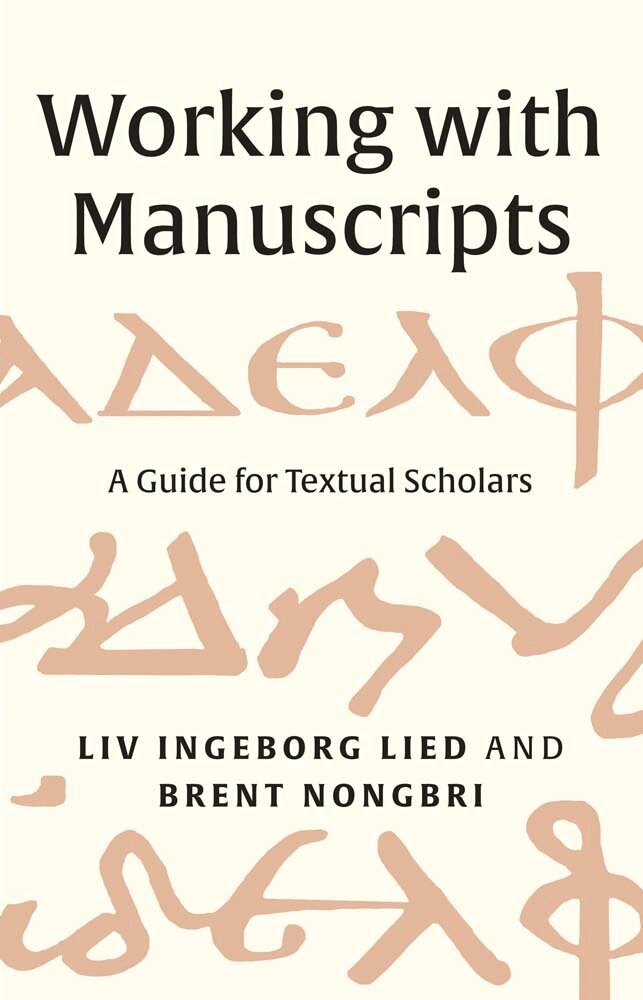
A first-of-its-kind handbook outlining best practices and common pitfalls for students and textual scholars interested in beginning to work with manuscripts While manuscripts are rare in most of the world today, they were once ubiquitous. Before the printing press, literature was preserved and transmitted through handwritten copies containing variant readings, mistakes, corrections, and other unique features. Those who study premodern texts, however, often use as their primary sources not these diverse artifacts but critical editions that present a single convenient hybrid text. Brent Nongbri and Liv Ingeborg Lied argue that knowledge of manuscripts is important for all interpreters of ancient texts, even if learning how to study them can be confusing and intimidating. In this book they draw on their decades of experience with Jewish and Christian manuscripts to demystify manuscript work. Combining their interests in manuscripts as material artifacts with the ethical issues surrounding the study of manuscripts, Lied and Nongbri guide students through the main phases of research, from considerations of provenance and access to the practicalities of on-site research, analysis, and publication. The book includes aids for locating manuscripts, helpful case studies, tips for organizing data, a glossary, suggestions for further reading, and more. Written in an engaging style with students in mind, this handbook provides an invaluable resource for anyone who wants to study a manuscript for the first time.
1 182 kr
Skickas inom 5-8 vardagar
A first-of-its-kind handbook outlining best practices and common pitfalls for students and textual scholars interested in beginning to work with manuscripts While manuscripts are rare in most of the world today, they were once ubiquitous. Before the printing press, literature was preserved and transmitted through handwritten copies containing variant readings, mistakes, corrections, and other unique features. Those who study premodern texts, however, often use as their primary sources not these diverse artifacts but critical editions that present a single convenient hybrid text. Brent Nongbri and Liv Ingeborg Lied argue that knowledge of manuscripts is important for all interpreters of ancient texts, even if learning how to study them can be confusing and intimidating. In this book they draw on their decades of experience with Jewish and Christian manuscripts to demystify manuscript work. Combining their interests in manuscripts as material artifacts with the ethical issues surrounding the study of manuscripts, Lied and Nongbri guide students through the main phases of research, from considerations of provenance and access to the practicalities of on-site research, analysis, and publication. The book includes aids for locating manuscripts, helpful case studies, tips for organizing data, a glossary, suggestions for further reading, and more. Written in an engaging style with students in mind, this handbook provides an invaluable resource for anyone who wants to study a manuscript for the first time.
272 kr
Slutsåld
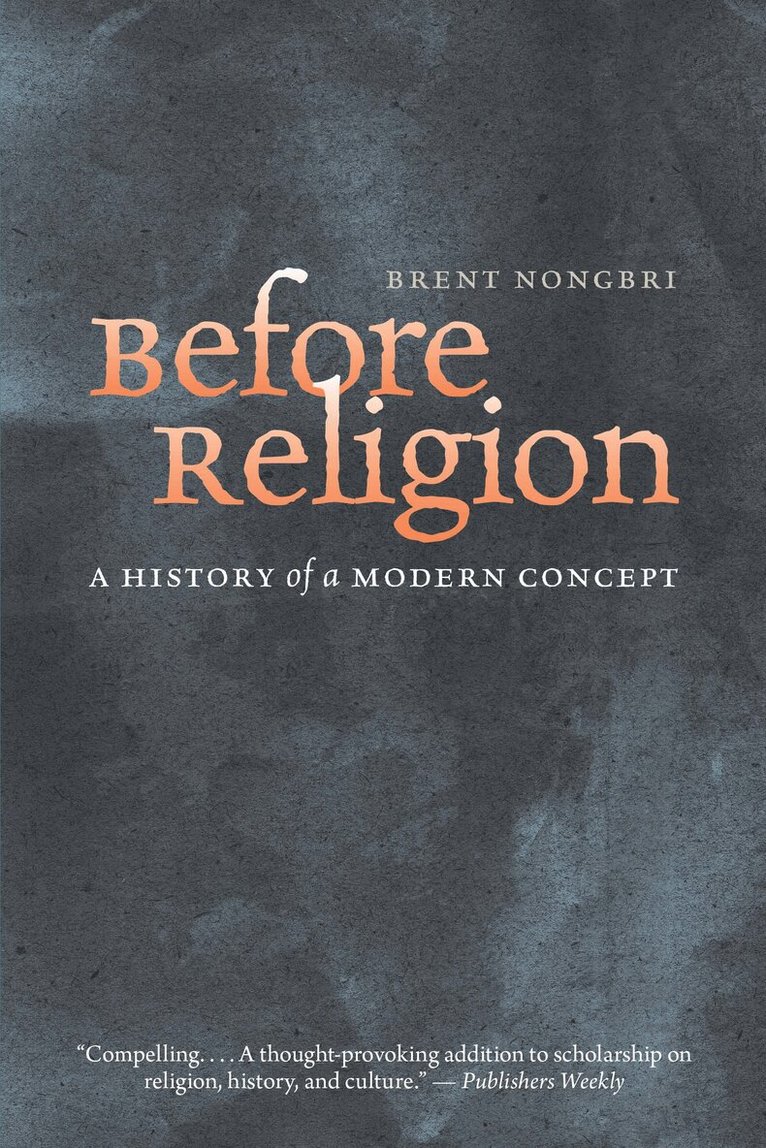
For much of the past two centuries, religion has been understood as a universal phenomenon, a part of the “natural” human experience that is essentially the same across cultures and throughout history. Individual religions may vary through time and geographically, but there is an element, religion, that is to be found in all cultures during all time periods. Taking apart this assumption, Brent Nongbri shows that the idea of religion as a sphere of life distinct from politics, economics, or science is a recent development in European history—a development that has been projected outward in space and backward in time with the result that religion now appears to be a natural and necessary part of our world.Examining a wide array of ancient writings, Nongbri demonstrates that in antiquity, there was no conceptual arena that could be designated as “religious” as opposed to “secular.” Surveying representative episodes from a two-thousand-year period, while constantly attending to the concrete social, political, and colonial contexts that shaped relevant works of philosophers, legal theorists, missionaries, and others, Nongbri offers a concise and readable account of the emergence of the concept of religion.