Brian Glenney - Böcker
Visar alla böcker från författaren Brian Glenney. Handla med fri frakt och snabb leverans.
8 produkter
8 produkter
3 163 kr
Skickas inom 10-15 vardagar
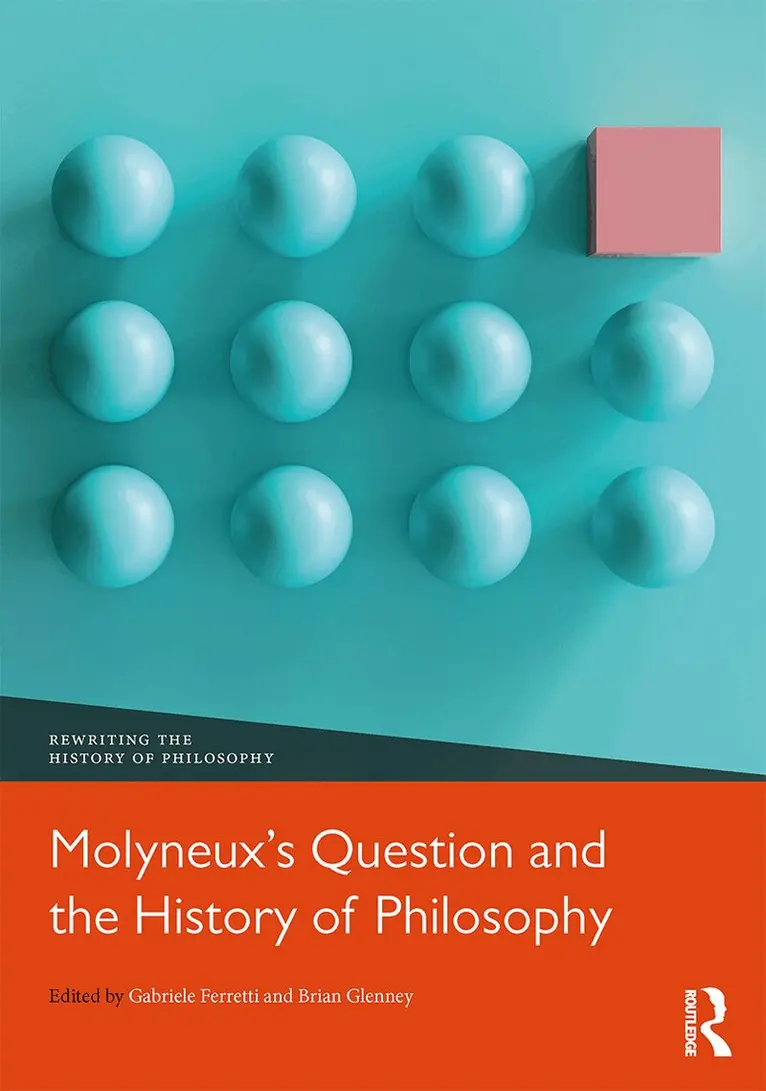
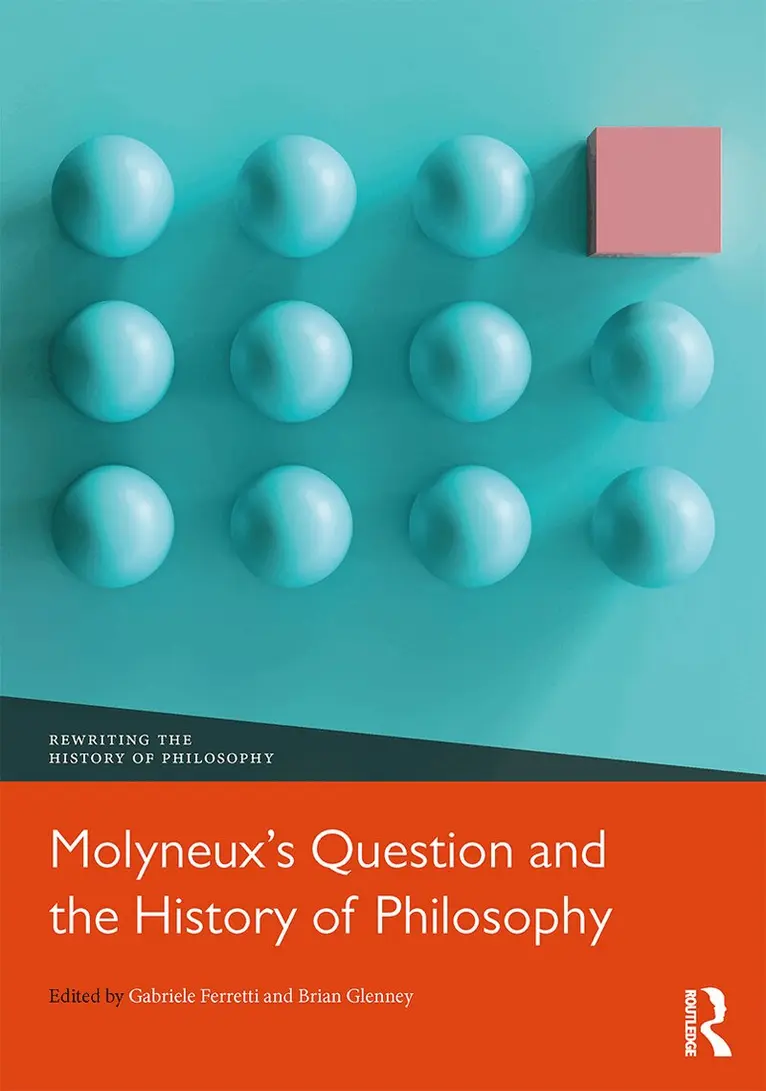
In 1688 the Irish scientist and politician William Molyneux sent a letter to the philosopher John Locke. In it, he asked him a question: could someone who was born blind, and able to distinguish a globe and a cube by touch, be able to immediately distinguish and name these shapes by sight if given the ability to see?The philosophical puzzle offered in Molyneux’s letter fascinated not only Locke, but major thinkers such as Leibniz, Berkeley, Diderot, Reid, and numerous others including psychologists and cognitive scientists today. Does such a question represent a philosophical puzzle or a problem that can be solved by experimental tests? Can vision be fully restored after blindness? What is the relation between vision and touch? Are the senses linked through learning or bound at birth?Molyneux’s Question and the History of Philosophy is a major collection of essays that explore the long-standing issues Molyneux’s problem presents to philosophy of mind, perception and the senses. In addition, the volume considers the question from an interdisciplinary angle, examines the pre-history of the question, and aspects of it that have been ignored, such as perspectives from religion and disability.As such, Molyneux’s Question and the History of Philosophy presents a set of philosophically rich, empirically informed, and scientifically rigorous original investigations into this famous puzzle. It will be of great interest to students and researchers in philosophy, psychology, and the cognitive sciences including neuroscience, neurobiology and ophthalmology, as well as those studying the mind, perception and the senses.
644 kr
Skickas inom 10-15 vardagar
In 1688 the Irish scientist and politician William Molyneux sent a letter to the philosopher John Locke. In it, he asked him a question: could someone who was born blind, and able to distinguish a globe and a cube by touch, be able to immediately distinguish and name these shapes by sight if given the ability to see?The philosophical puzzle offered in Molyneux’s letter fascinated not only Locke, but major thinkers such as Leibniz, Berkeley, Diderot, Reid, and numerous others including psychologists and cognitive scientists today. Does such a question represent a philosophical puzzle or a problem that can be solved by experimental tests? Can vision be fully restored after blindness? What is the relation between vision and touch? Are the senses linked through learning or bound at birth?Molyneux’s Question and the History of Philosophy is a major collection of essays that explore the long-standing issues Molyneux’s problem presents to philosophy of mind, perception and the senses. In addition, the volume considers the question from an interdisciplinary angle, examines the pre-history of the question, and aspects of it that have been ignored, such as perspectives from religion and disability.As such, Molyneux’s Question and the History of Philosophy presents a set of philosophically rich, empirically informed, and scientifically rigorous original investigations into this famous puzzle. It will be of great interest to students and researchers in philosophy, psychology, and the cognitive sciences including neuroscience, neurobiology and ophthalmology, as well as those studying the mind, perception and the senses.
1 954 kr
Skickas inom 10-15 vardagar
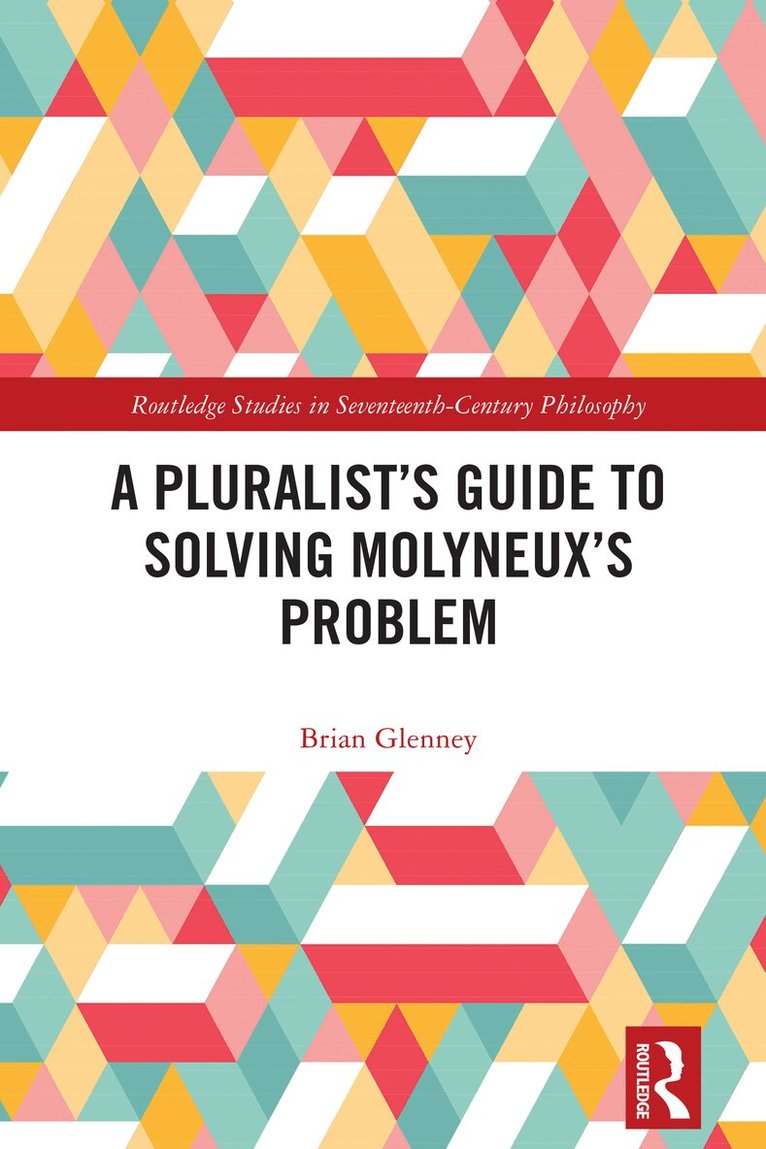
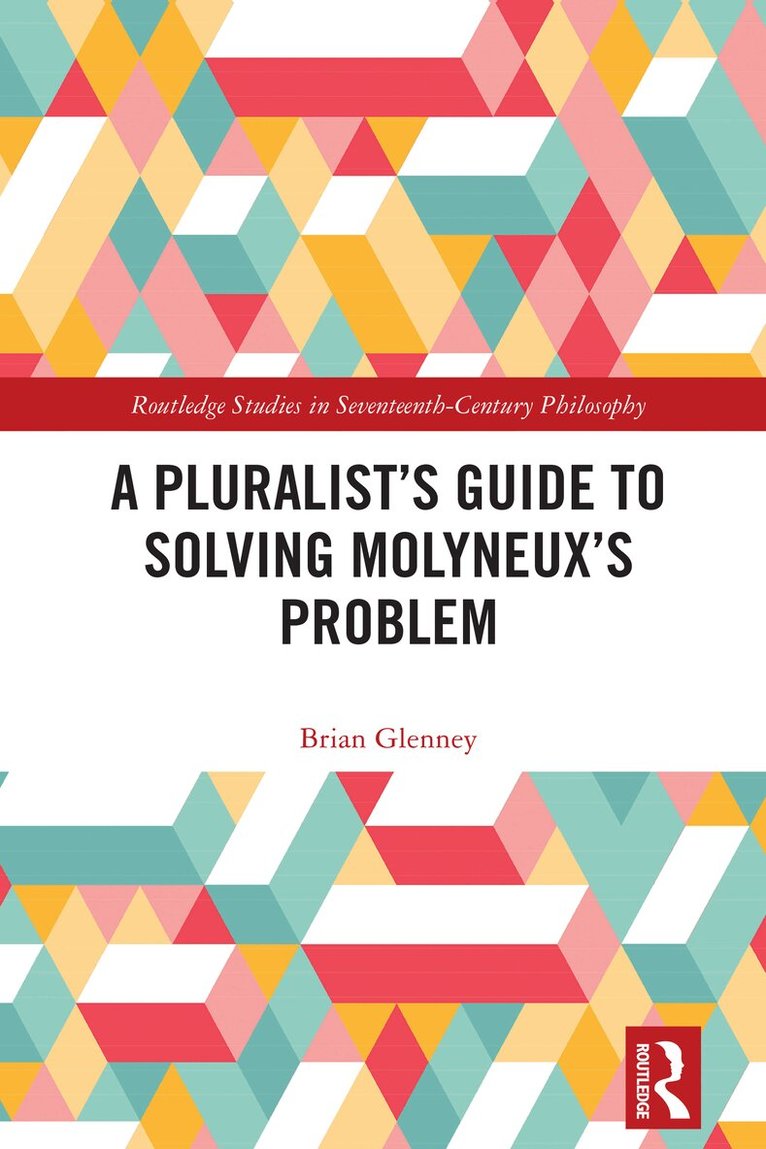
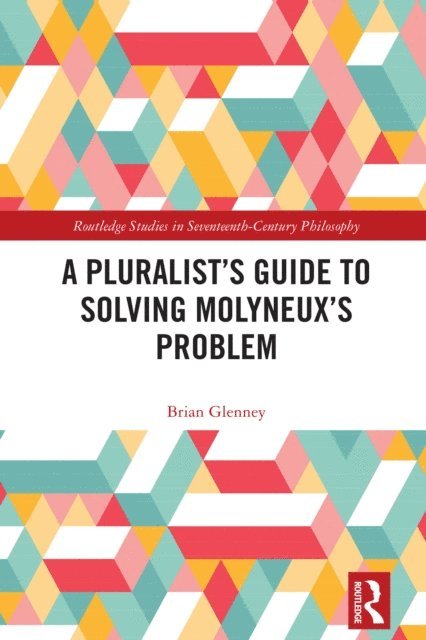
This book presents a novel pluralist strategy for answering Molyneux’s 300+-year-old conundrum: Would a person, born blind but given sight, identify a shape previously known only by their touch? The author interweaves historical scholarship with contemporary philosophical work and empirical research on animal, infant, and adult human perception.The author argues that we need a new approach to Molyneux’s problem because we do not know what the problem is really about, and it is untestable because a Molyneux subject cannot be physically realized. He criticizes Molyneux’s question for its simplistic taxonomy of "the blind" that groups significant individual differences into a singular ontology. Research in the cognitive sciences confirms that various kinds of blindness can co-occur, such as ocular, cortical, and psychological blindness. Therefore, the author adopts an explanatory pluralism for answering Molyneux’s problem, which includes no, yes, and "no answer" answers according to the domain of inquiry being used. This account provides a research-based answer to a long-standing problem using previously unheeded insights particularly from animal crossmodal perception studies to retell a more complex story of perception: its levels of explanation and integration.A Pluralist’s Guide to Solving Molyneux’s Problem will be of interest to researchers and advanced students working in comparative psychology, epistemology, history of philosophy, philosophy of perception.
675 kr
Kommande
This book presents a novel pluralist strategy for answering Molyneux’s 300+-year-old conundrum: Would a person, born blind but given sight, identify a shape previously known only by their touch? The author interweaves historical scholarship with contemporary philosophical work and empirical research on animal, infant, and adult human perception.The author argues that we need a new approach to Molyneux’s problem because we do not know what the problem is really about, and it is untestable because a Molyneux subject cannot be physically realized. He criticizes Molyneux’s question for its simplistic taxonomy of "the blind" that groups significant individual differences into a singular ontology. Research in the cognitive sciences confirms that various kinds of blindness can co-occur, such as ocular, cortical, and psychological blindness. Therefore, the author adopts an explanatory pluralism for answering Molyneux’s problem, which includes no, yes, and "no answer" answers according to the domain of inquiry being used. This account provides a research-based answer to a long-standing problem using previously unheeded insights particularly from animal crossmodal perception studies to retell a more complex story of perception: its levels of explanation and integration.A Pluralist’s Guide to Solving Molyneux’s Problem will be of interest to researchers and advanced students working in comparative psychology, epistemology, history of philosophy, philosophy of perception.
685 kr
Skickas inom 10-15 vardagar
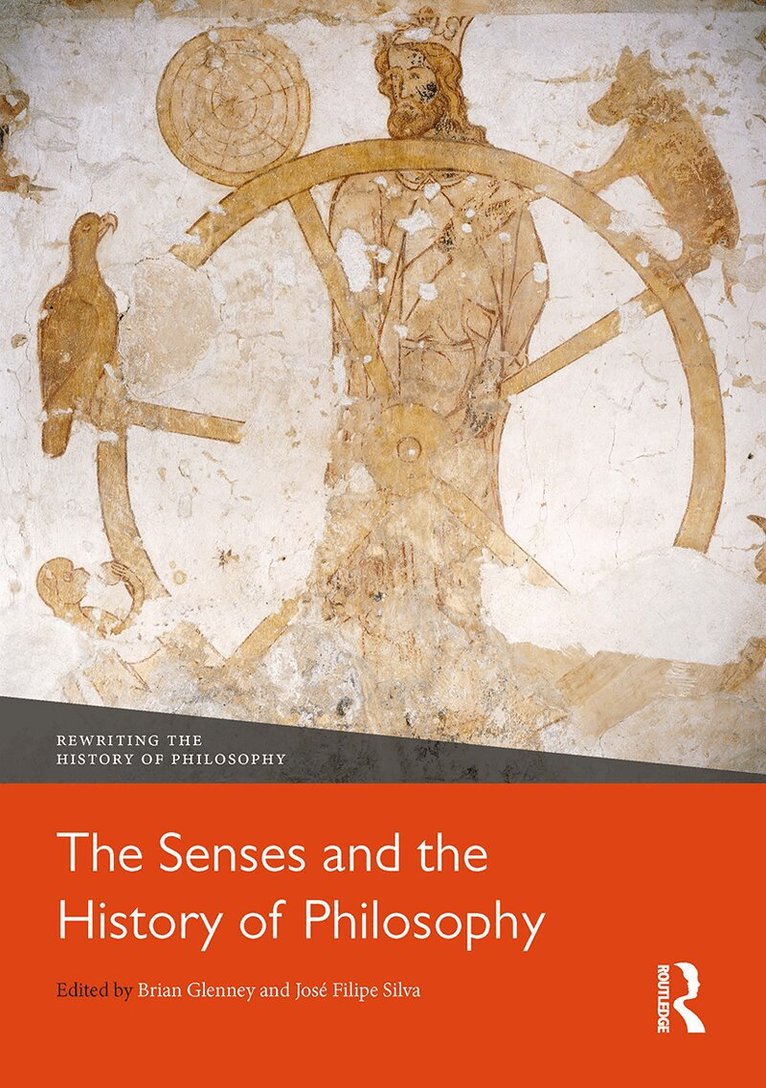
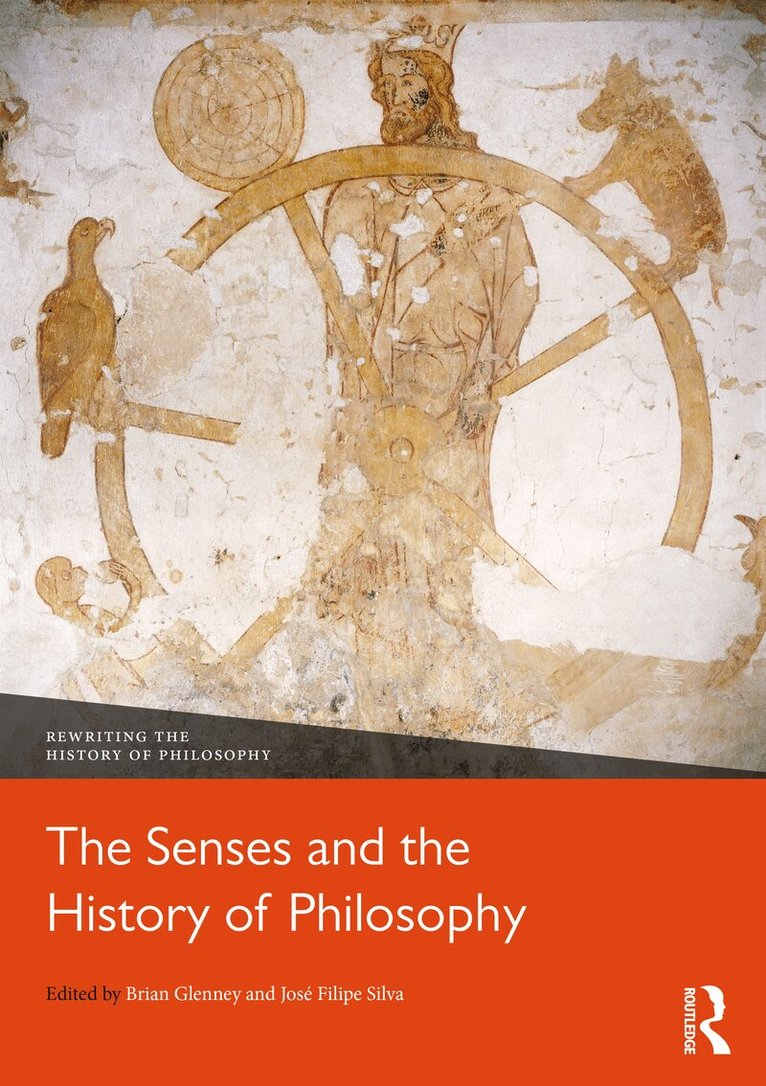
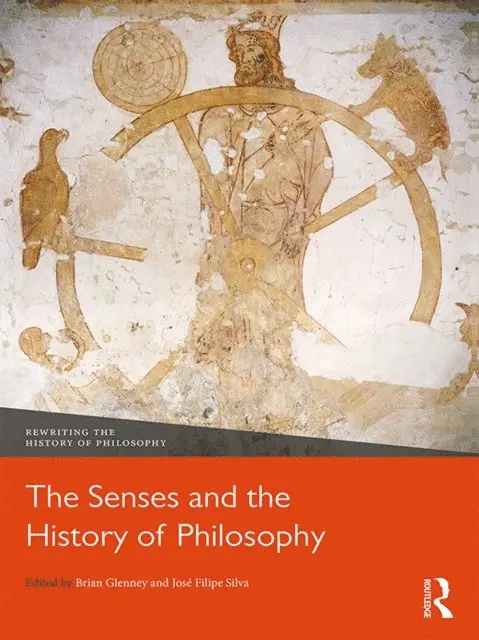
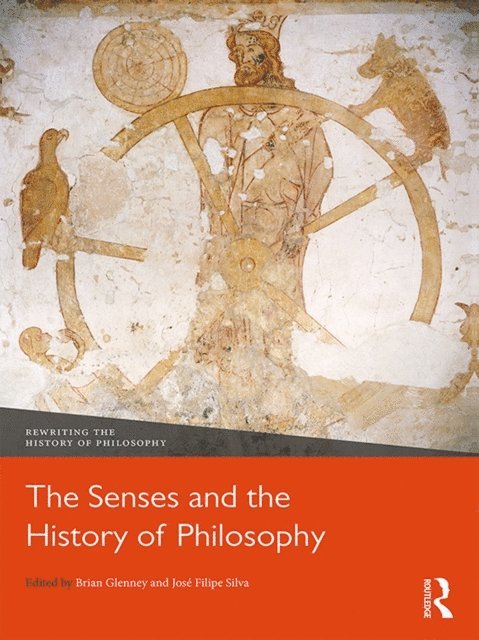
The study of perception and the role of the senses have recently risen to prominence in philosophy and are now a major area of study and research. However, the philosophical history of the senses remains a relatively neglected subject. Moving beyond the current philosophical canon, this outstanding collection offers a wide-ranging and diverse philosophical exploration of the senses, from the classical period to the present day. Written by a team of international contributors, it is divided into six parts: Perception from Non-Western PerspectivesPerception in the Ancient Period Perception in the Medieval Latin/Arabic PeriodPerception in the Early Modern PeriodPerception in the Post-Kantian PeriodPerception in the Contemporary Period. The volume challenges conventional philosophical study of perception by covering a wide range of significant, as well as hitherto overlooked, topics, such as perceptual judgment, temporal and motion illusions, mirror and picture perception, animal senses and cross-modal integration. By investigating the history of the senses in thinkers such as Plotinus, Auriol, Berkeley and Cavendish; and considering the history of the senses in diverse philosophical traditions, including Chinese, Indian, Byzantine, Greek and Latin it brings a fresh approach to studying the history of philosophy itself.Including a thorough introduction as well as introductions to each section by the editors, The Senses and the History of Philosophy is essential reading for students and researchers in the history of philosophy, perception, philosophy of mind, philosophical psychology, aesthetics and eastern and non-western philosophy. It will also be extremely useful for those in related disciplines such as psychology, religion, sociology, intellectual history and cognitive sciences.
793 kr
Skickas inom 10-15 vardagar
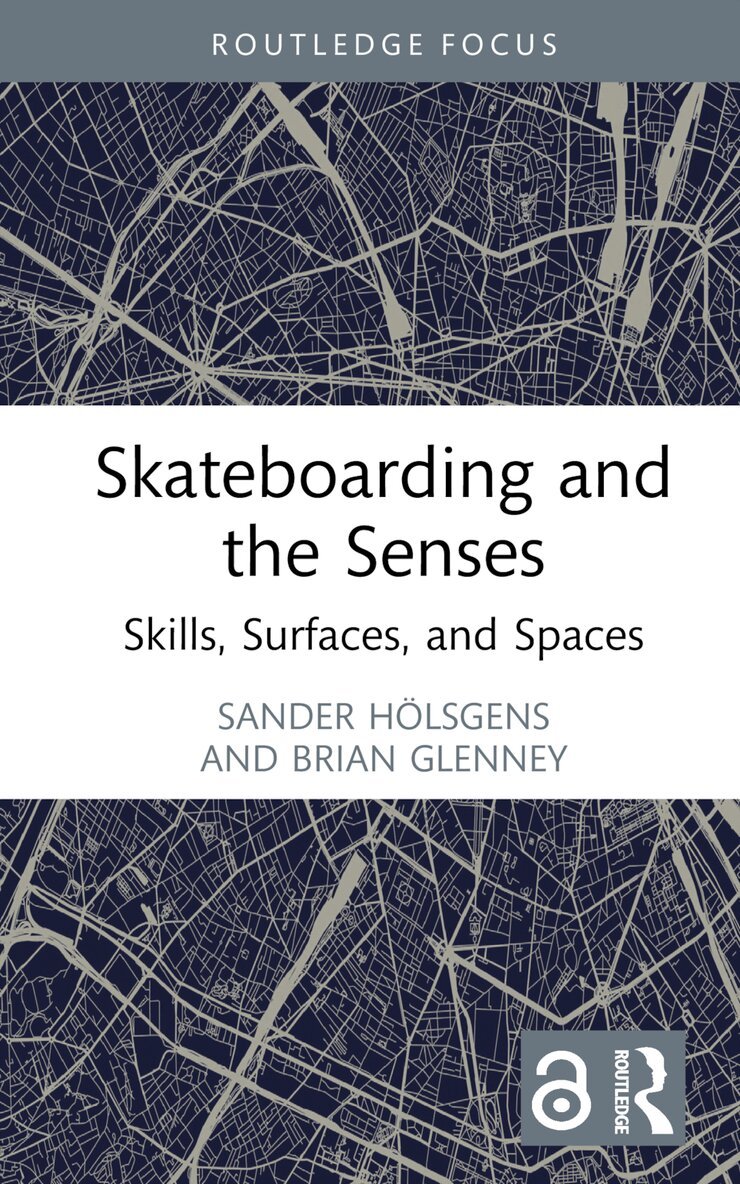
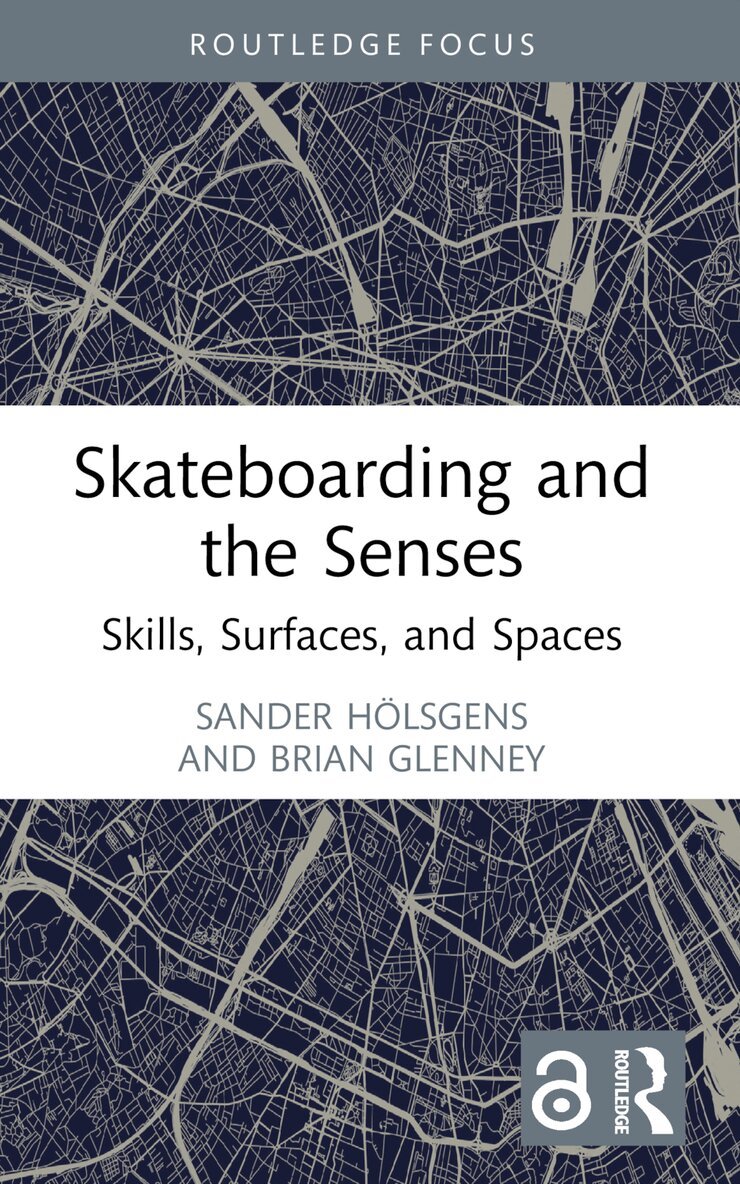
This book presents a new perspective on skateboarding, centred on the senses, skill acquisition, embodiment, and the concept of "city craft".Skateboarding and the Senses traces how skaters use their skilled bodies to bring vitality to contested spaces. Building on sensory anthropology, the book draws connections between the diverse ways skaters move and their boundless drive for social action – from rebellious interventionism to a critical engagement with sportification and the Olympics. Coalescing around skateboarding’s pedagogy of enskilment, the book examines what to make of the skater’s way of sensing the city, of their bruised heels and scabbed elbows and of their sensory attunement to their friends and foes. Grounded in historical, anthropological, and phenomenological theories of body and space, it examines how skaters acquire somatic knowledge and socio-emotional resilience through their sonic and vibratory experience of the city streets. This sensory anthropology of skateboarding reveals new insights into its long arc of subculture, lifestyle, and sport.This is essential reading for anybody with an interest in the sociology, culture or history of sport, urban geographies, sensory studies, or social and cultural anthropology.The Open Access version of this book, available at http://www.taylorfrancis.com, has been made available under a Creative Commons Attribution-Non Commercial-No Derivatives (CC-BY-NC-ND) 4.0 license.
314 kr
Skickas inom 10-15 vardagar
This book presents a new perspective on skateboarding, centred on the senses, skill acquisition, embodiment, and the concept of "city craft".Skateboarding and the Senses traces how skaters use their skilled bodies to bring vitality to contested spaces. Building on sensory anthropology, the book draws connections between the diverse ways skaters move and their boundless drive for social action – from rebellious interventionism to a critical engagement with sportification and the Olympics. Coalescing around skateboarding’s pedagogy of enskilment, the book examines what to make of the skater’s way of sensing the city, of their bruised heels and scabbed elbows and of their sensory attunement to their friends and foes. Grounded in historical, anthropological, and phenomenological theories of body and space, it examines how skaters acquire somatic knowledge and socio-emotional resilience through their sonic and vibratory experience of the city streets. This sensory anthropology of skateboarding reveals new insights into its long arc of subculture, lifestyle, and sport.This is essential reading for anybody with an interest in the sociology, culture or history of sport, urban geographies, sensory studies, or social and cultural anthropology.The Open Access version of this book, available at http://www.taylorfrancis.com, has been made available under a Creative Commons Attribution-Non Commercial-No Derivatives (CC-BY-NC-ND) 4.0 license.
3 095 kr
Skickas inom 10-15 vardagar
The study of perception and the role of the senses have recently risen to prominence in philosophy and are now a major area of study and research. However, the philosophical history of the senses remains a relatively neglected subject. Moving beyond the current philosophical canon, this outstanding collection offers a wide-ranging and diverse philosophical exploration of the senses, from the classical period to the present day. Written by a team of international contributors, it is divided into six parts: Perception from Non-Western PerspectivesPerception in the Ancient Period Perception in the Medieval Latin/Arabic PeriodPerception in the Early Modern PeriodPerception in the Post-Kantian PeriodPerception in the Contemporary Period.The volume challenges conventional philosophical study of perception by covering a wide range of significant, as well as hitherto overlooked, topics, such as perceptual judgment, temporal and motion illusions, mirror and picture perception, animal senses and cross-modal integration. By investigating the history of the senses in thinkers such as Plotinus, Auriol, Berkeley and Cavendish; and considering the history of the senses in diverse philosophical traditions, including Chinese, Indian, Byzantine, Greek and Latin it brings a fresh approach to studying the history of philosophy itself.Including a thorough introduction as well as introductions to each section by the editors, The Senses and the History of Philosophy is essential reading for students and researchers in the history of philosophy, perception, philosophy of mind, philosophical psychology, aesthetics and eastern and non-western philosophy. It will also be extremely useful for those in related disciplines such as psychology, religion, sociology, intellectual history and cognitive sciences.