Gabriele Ferretti – författare
Visar alla böcker från författaren Gabriele Ferretti. Handla med fri frakt och snabb leverans.
9 produkter
Molyneux's Problem in Action
Av Gabriele Ferretti, Brian Glenney
Häftad, 2027
541 kr
Kommande
This book offers a novel action-based pluralist analysis of Molyneux’s question, which asks whether a subject born blind yet able to discriminate specific shapes by touch alone can immediately recognize, if their vision is suddenly restored, the same shapes placed before their eyes by sight alone. …
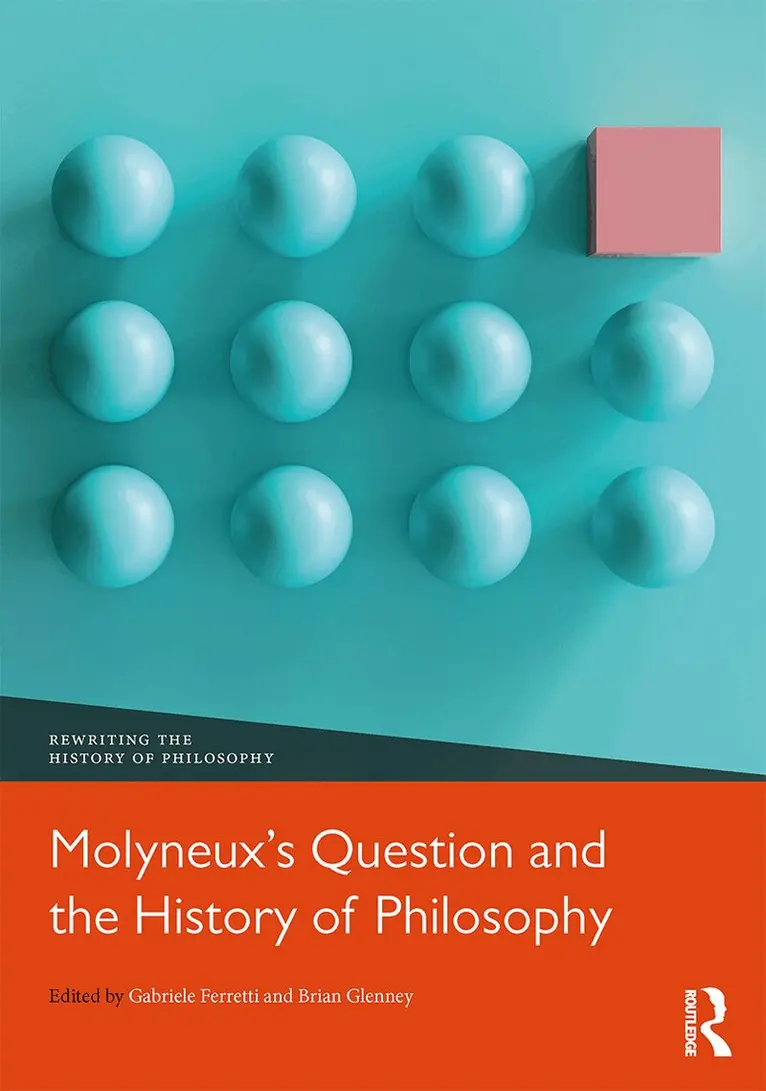
Molyneux’s Question and the History of Philosophy
Av Gabriele Ferretti, Brian Glenney
Inbunden, 2020
3790 kr
Lägg i varukorg
In 1688 the Irish scientist and politician William Molyneux sent a letter to the philosopher John Locke. In it, he asked him a question: could someone who was born blind, and able to distinguish a globe and a cube by touch, be able to immediately distinguish and name these shapes by sight if given …
Molyneux’s Question and the History of Philosophy
Av Gabriele Ferretti, Brian Glenney
Häftad, 2023
720 kr
Lägg i varukorg
In 1688 the Irish scientist and politician William Molyneux sent a letter to the philosopher John Locke. In it, he asked him a question: could someone who was born blind, and able to distinguish a globe and a cube by touch, be able to immediately distinguish and name these shapes by sight if given …
Molyneux's Question and the History of Philosophy
Av Brian Glenney, Gabriele Ferretti
E-bok, 2020
849 kr
Lägg i varukorg
In 1688 the Irish scientist and politician William Molyneux sent a letter to the philosopher John Locke. In it, he asked him a question: could someone who was born blind, and able to distinguish a globe and a cube by touch, be able to immediately distinguish and name these shapes by sight if given …
Molyneux's Question and the History of Philosophy
Av Brian Glenney, Gabriele Ferretti
E-bok, 2020
830 kr
Lägg i varukorg
In 1688 the Irish scientist and politician William Molyneux sent a letter to the philosopher John Locke. In it, he asked him a question: could someone who was born blind, and able to distinguish a globe and a cube by touch, be able to immediately distinguish and name these shapes by sight if given …
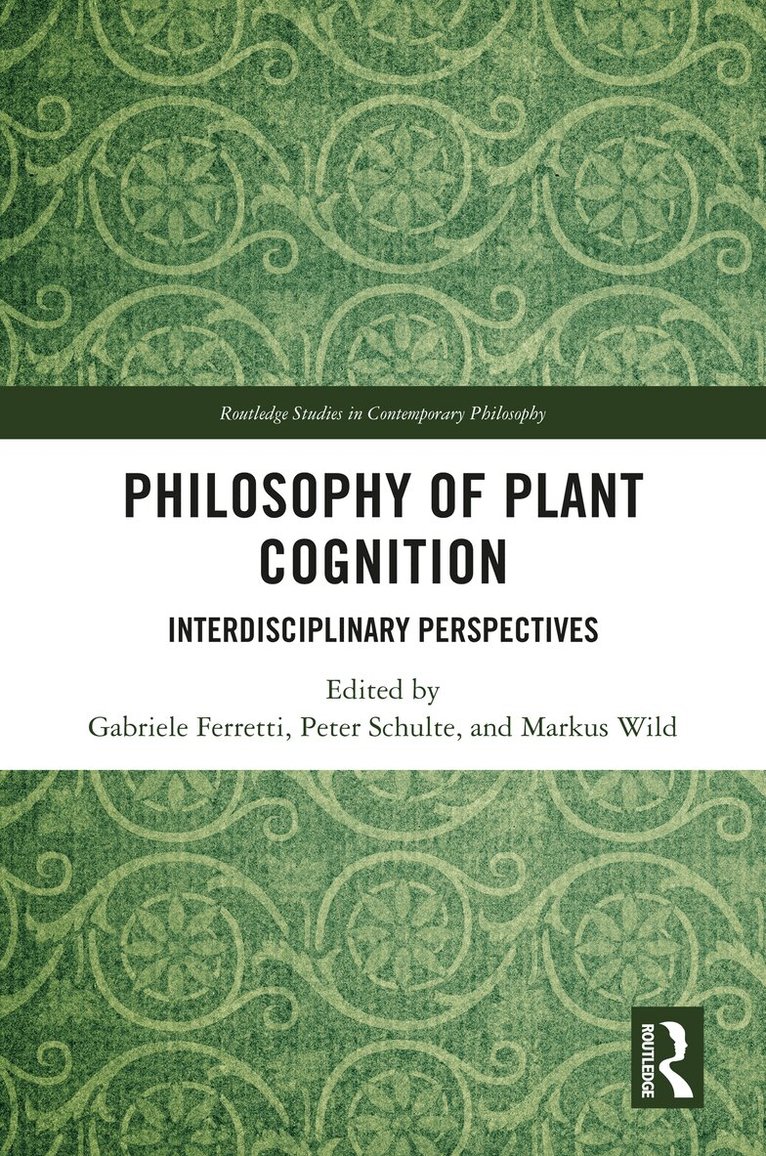
Philosophy of Plant Cognition
Interdisciplinary Perspectives
Av Gabriele Ferretti, Peter Schulte m. fl.
Inbunden, 2024
2510 kr
Lägg i varukorg
This volume features new research about the philosophy of plant intelligence and plant cognition, one of the most intriguing and complex current debates at the intersection of biology, cognitive science and philosophy.The debate about plant cognition is marked by deep disagreements. Some theorists …
Philosophy of Plant Cognition
Interdisciplinary Perspectives
Av Gabriele Ferretti, Peter Schulte m. fl.
Häftad, 2025
705 kr
Lägg i varukorg
This volume features new research about the philosophy of plant intelligence and plant cognition, one of the most intriguing and complex current debates at the intersection of biology, cognitive science and philosophy.The debate about plant cognition is marked by deep disagreements. Some theorists …
Philosophy of Plant Cognition
Interdisciplinary Perspectives
Av Markus Wild, Peter Schulte m. fl.
E-bok, 2024
831 kr
Lägg i varukorg
This volume features new research about the philosophy of plant intelligence and plant cognition, one of the most intriguing and complex current debates at the intersection of biology, cognitive science and philosophy. The debate about plant cognition is marked by deep disagreements. Some theorists …
Philosophy of Plant Cognition
Interdisciplinary Perspectives
Av Markus Wild, Peter Schulte m. fl.
E-bok, 2024
813 kr
Lägg i varukorg
This volume features new research about the philosophy of plant intelligence and plant cognition, one of the most intriguing and complex current debates at the intersection of biology, cognitive science and philosophy. The debate about plant cognition is marked by deep disagreements. Some theorists …