Brian Porter-Szucs - Böcker
Visar alla böcker från författaren Brian Porter-Szucs. Handla med fri frakt och snabb leverans.
5 produkter
5 produkter
973 kr
Skickas inom 5-8 vardagar
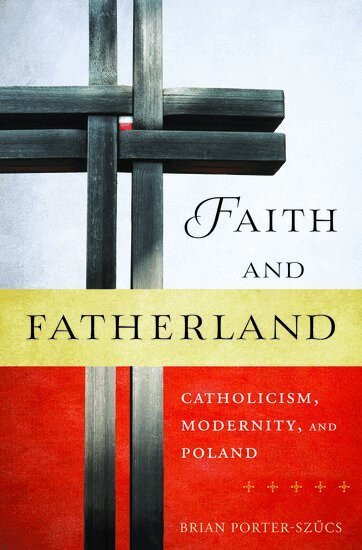
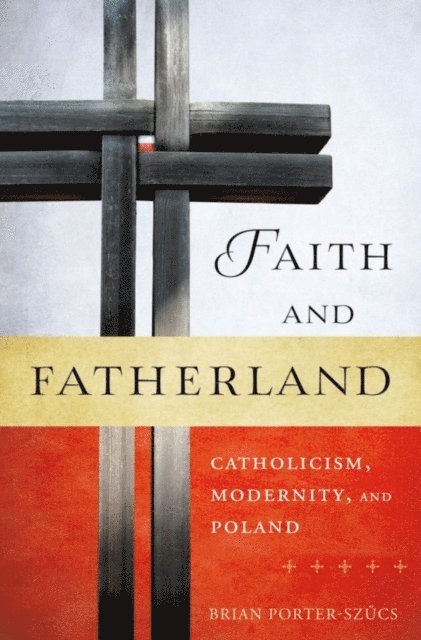
Jesus instructed his followers to "love your enemies, do good to those who hate you, bless those who curse you, pray for those who mistreat you" (Luke 6:27-28). Not only has this theme long been among the Church's most oft-repeated messages, but in everything from sermons to articles in the Catholic press, it has been consistently emphasized that the commandment extends to all humanity. Given this, the history of the Church in the 20th century presents a puzzle, because on numerous occasions Catholics have established alliances with nationalist groups promoting ethnic exclusivity, antisemitism, and the use of any means necessary in an imagined "struggle for survival." While some might describe this as mere hypocrisy, Faith and Fatherland attempts to explain precisely how Catholicism and nationalism have been blended together.Poland, a country where religious and national identity would seem to correspond so closely, is an ideal site for exploring this issue. It is usually taken for granted that Poland is a Catholic nation, but in fact the country's apparent homogeneity is a relatively recent development, supported as much by ideology as demography. To fully contextualize the fusion between faith and fatherland, each chapter of this book explores a keyword in modern Polish Catholic rhetoric (concepts like sin, the Church, the nation, and the Virgin Mary), ultimately showing how these ideas were assembled to create a powerful but hotly contested form of religious nationalism. By no means was this outcome inevitable, and it certainly did not constitute the only way of being Catholic in modern Poland. Nonetheless, the Church's ongoing struggle to find a place within an increasingly secular European modernity made this ideological formation both possible and (for all too many Catholics) appealing.
1 065 kr
Skickas inom 7-10 vardagar
Poland in the Modern World presents a history of the country from the late nineteenth century to the present, incorporating new perspectives from social and cultural history and positioning it in a broad global context Challenges traditional accounts Poland that tend to focus on national, political history, emphasizing the country's 'exceptionalism'.Presents a lively, multi-dimensional story, balancing coverage of high politics with discussion of social, cultural and economic changes, and their effects on individuals’ daily lives.Explores both the regional diversity within Poland and the country’s place within Europe and the wider world.Provides a new interpretive framework for understanding key historical events in Poland’s modern history, including the experiences of World War II and the postwar communist era.
305 kr
Skickas inom 7-10 vardagar
Poland in the Modern World presents a history of the country from the late nineteenth century to the present, incorporating new perspectives from social and cultural history and positioning it in a broad global context Challenges traditional accounts Poland that tend to focus on national, political history, emphasizing the country's 'exceptionalism'.Presents a lively, multi-dimensional story, balancing coverage of high politics with discussion of social, cultural and economic changes, and their effects on individuals’ daily lives.Explores both the regional diversity within Poland and the country’s place within Europe and the wider world.Provides a new interpretive framework for understanding key historical events in Poland’s modern history, including the experiences of World War II and the postwar communist era.
957 kr
Skickas inom 10-15 vardagar
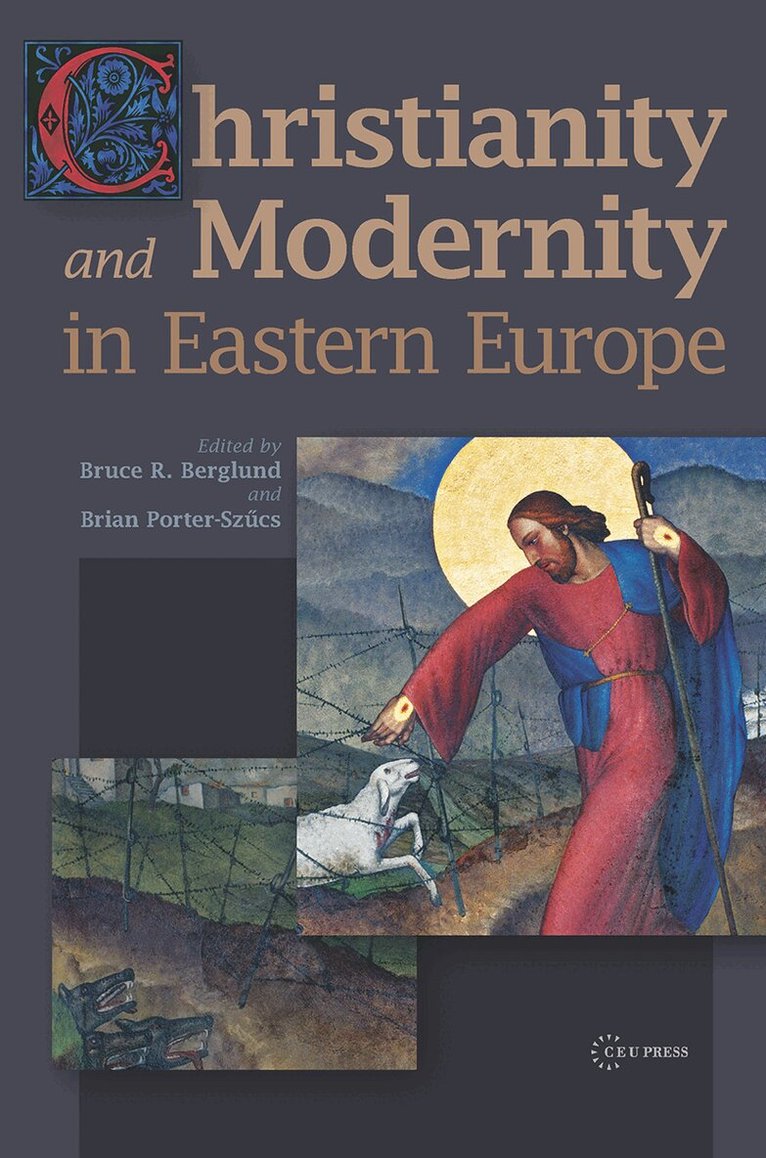
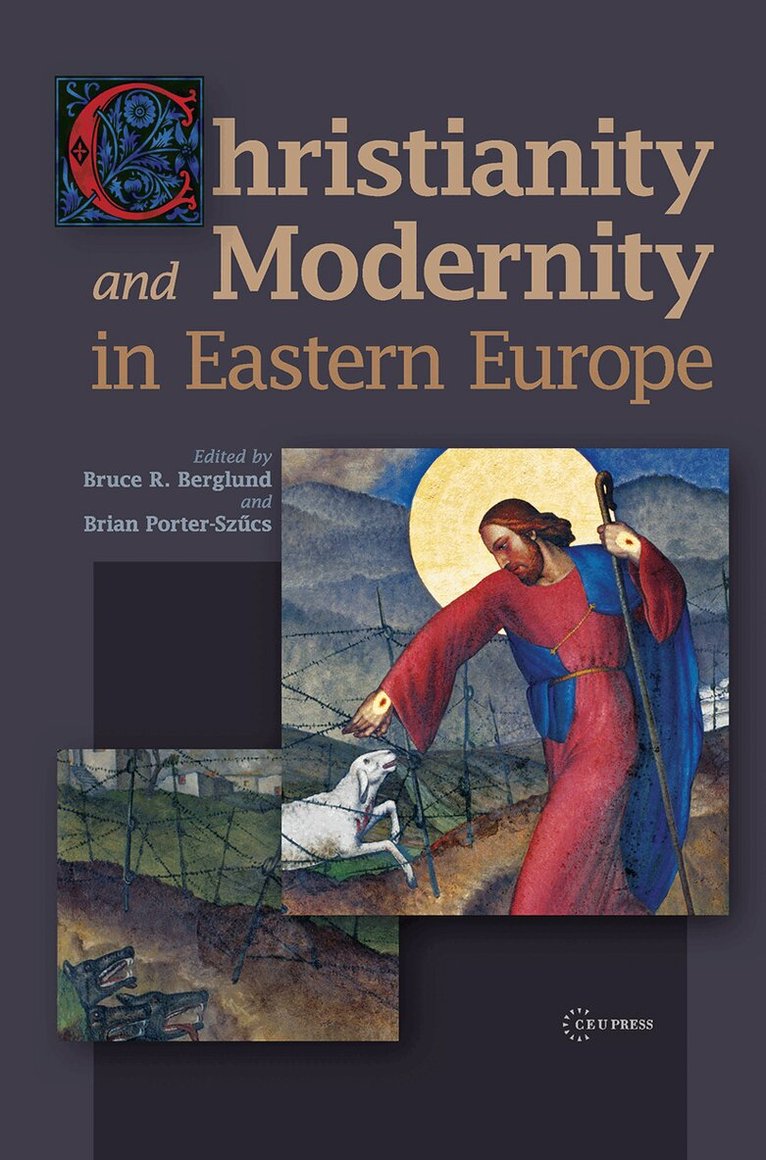
Religious history more generally has experienced an exciting revival over the past few years, with new methodological and theoretical approaches invigorating the field. The time has definitely come for this “new religious history” to arrive in Eastern Europe. This book explores the influence of the Christian churches in Eastern Europe's social, cultural, and political history. Drawing upon archival sources, the work fills a vacuum as few scholars have systematically explored the history of Christianity in the region. The result of a three-year project, this collective work challenges readers with questions like: Is secularization a useful concept in understanding the long-term dynamics of religiosity in Eastern Europe? Is the picture of oppression and resistance an accurate way to characterize religious life under communism, or did Christians and communists find ways to co-exist on the local level prior to 1989? And what role did Christians actually play in dissident movements under communism? Perhaps most important is the question: what does the study of Eastern Europe contribute to the broader study of modern Christian history, and what can we learn from the interpretative problems that arise, uniquely, from this region?
1 936 kr
Skickas inom 10-15 vardagar
Religious history more generally has experienced an exciting revival over the past few years, with new methodological and theoretical approaches invigorating the field. The time has definitely come for this “new religious history” to arrive in Eastern Europe. This book explores the influence of the Christian churches in Eastern Europe's social, cultural, and political history. Drawing upon archival sources, the work fills a vacuum as few scholars have systematically explored the history of Christianity in the region. The result of a three-year project, this collective work challenges readers with questions like: Is secularization a useful concept in understanding the long-term dynamics of religiosity in Eastern Europe? Is the picture of oppression and resistance an accurate way to characterize religious life under communism, or did Christians and communists find ways to co-exist on the local level prior to 1989? And what role did Christians actually play in dissident movements under communism? Perhaps most important is the question: what does the study of Eastern Europe contribute to the broader study of modern Christian history, and what can we learn from the interpretative problems that arise, uniquely, from this region?