Bruce R. Berglund – författare
Visar alla böcker från författaren Bruce R. Berglund. Handla med fri frakt och snabb leverans.
4 produkter
4 produkter
957 kr
Skickas inom 11-20 vardagar
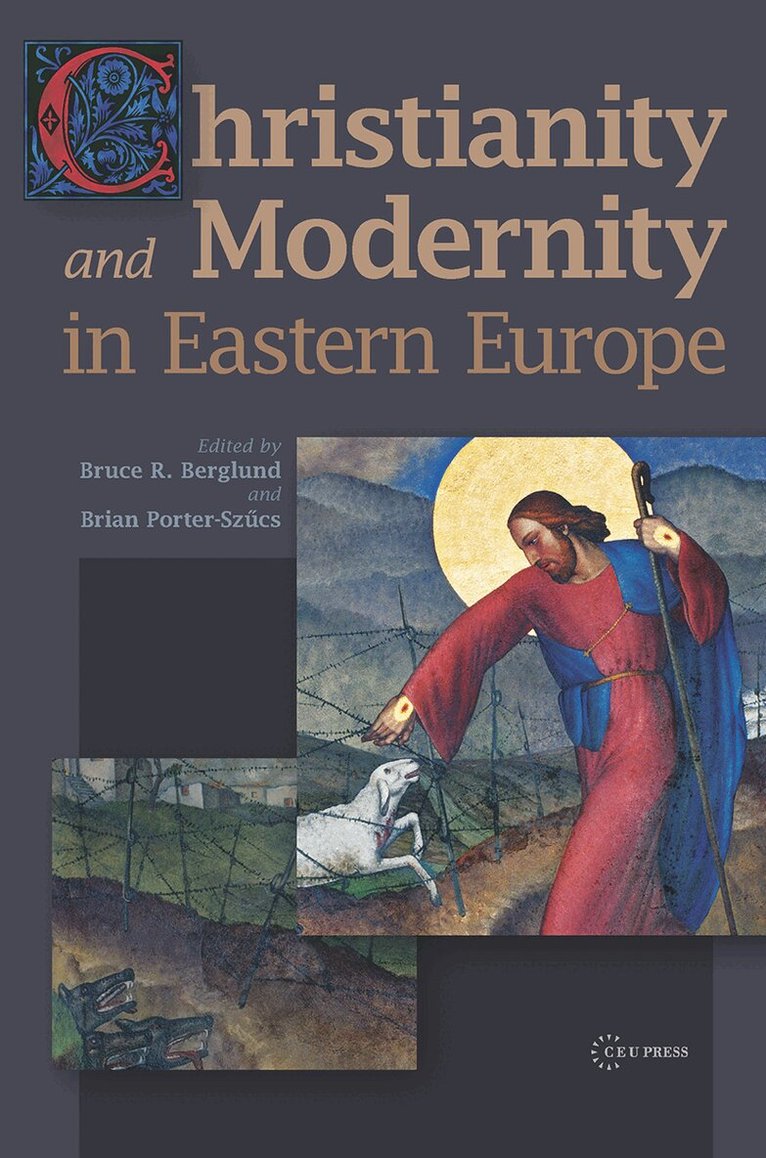
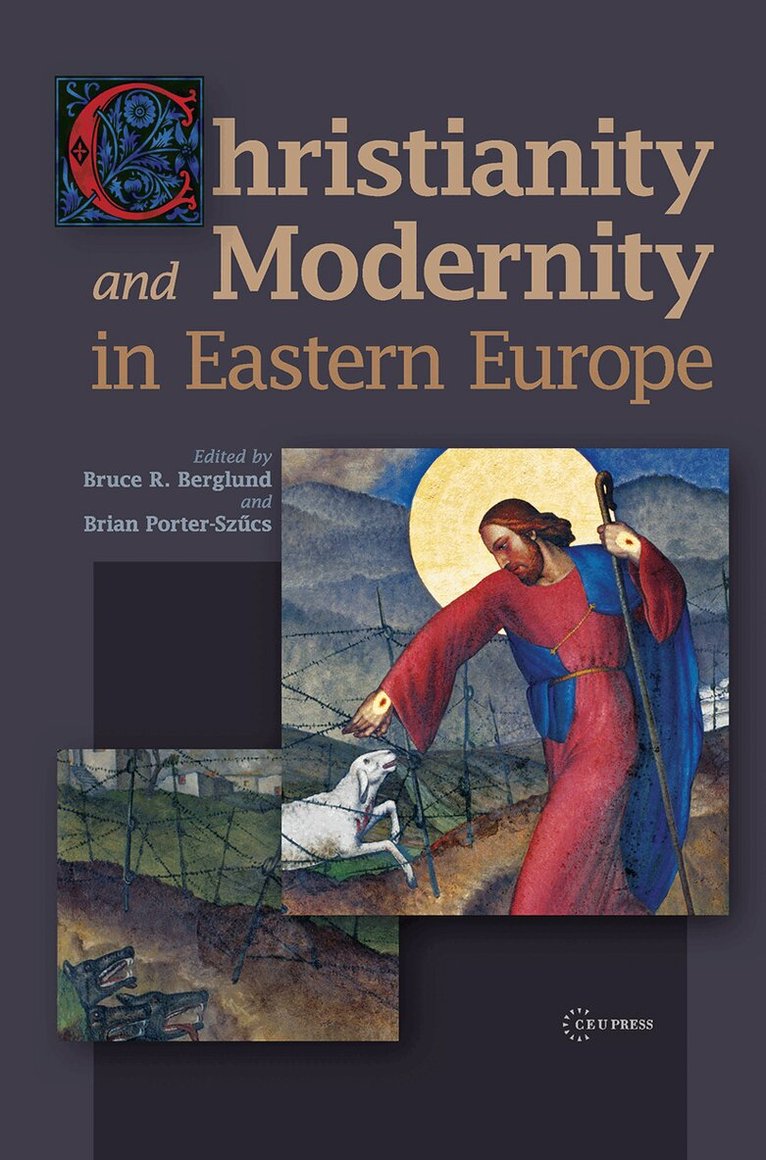
Religious history more generally has experienced an exciting revival over the past few years, with new methodological and theoretical approaches invigorating the field. The time has definitely come for this “new religious history” to arrive in Eastern Europe. This book explores the influence of the Christian churches in Eastern Europe's social, cultural, and political history. Drawing upon archival sources, the work fills a vacuum as few scholars have systematically explored the history of Christianity in the region. The result of a three-year project, this collective work challenges readers with questions like: Is secularization a useful concept in understanding the long-term dynamics of religiosity in Eastern Europe? Is the picture of oppression and resistance an accurate way to characterize religious life under communism, or did Christians and communists find ways to co-exist on the local level prior to 1989? And what role did Christians actually play in dissident movements under communism? Perhaps most important is the question: what does the study of Eastern Europe contribute to the broader study of modern Christian history, and what can we learn from the interpretative problems that arise, uniquely, from this region?
1 936 kr
Skickas inom 10-15 vardagar
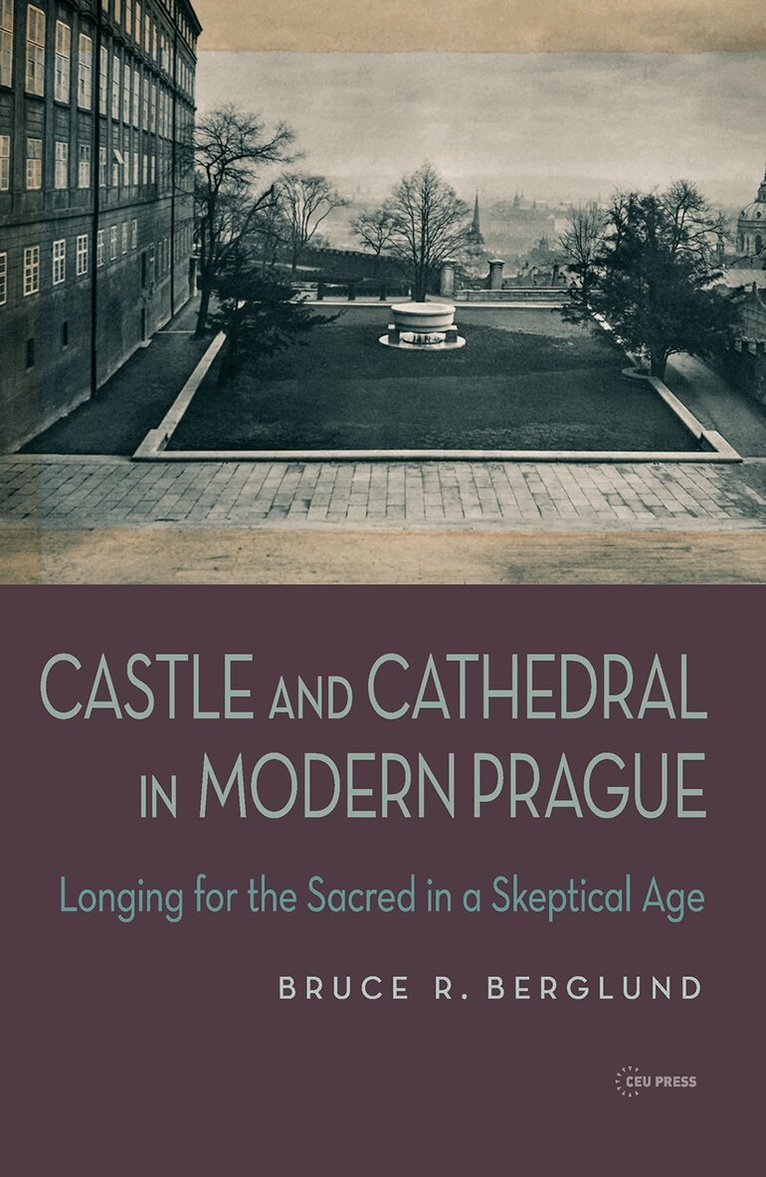
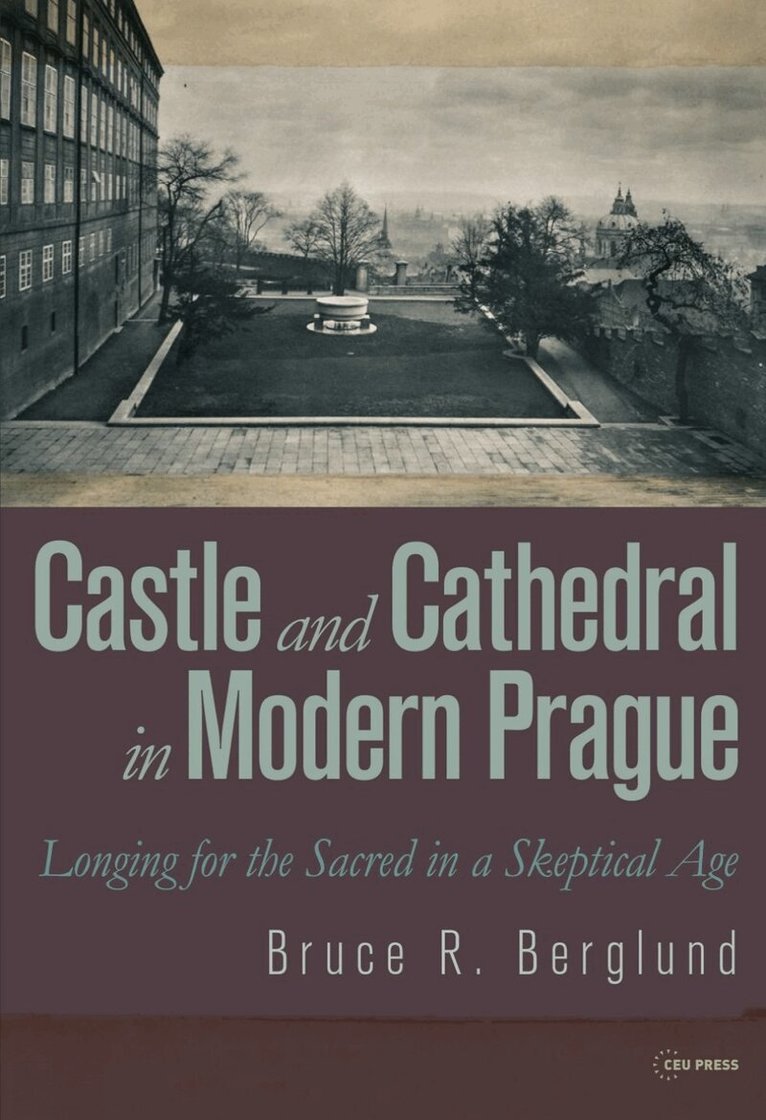
This book takes a new approach to interwar Prague by addressing religion as an integral part of the city's cultural history. Berglund views Prague's cultural history in the broader context of religious change and secularization in 20th-century Europe. Based on detailed knowledge of sources, the monograph explores the interdisciplinary linkages between politics, architecture and theology in the building of symbolism and a new mythology of the first Czechoslovak republic (1918-1938). Berglunds text provides an important service for understanding both Czech history as well as current Czech political debate. The author's method can be characterized as culture history, able to connect several disciplines, emphasizing common topic (religion, politics, symbolics). Modern Czech elites, superficially characterized as ateistic, appears in a new light to be deeply religious, a transition from more traditional, (mostly) Catholic religiosity, to a concept of a new, modern, ethical religion. The study incorporates biographical research, focusing on three principal characters: Tomás Garrigue Masaryk, Czechoslovakia's first president; his daughter Alice Garrigue Masaryková, founding director of the Czechoslovak Red Cross; and Joze Plecnik, the Slovenian architect who directed the renovations of Prague Castle.
Castle and Cathedral in Modern Prague
Longing for the Sacred in a Skeptical Age
Häftad, Engelska, 2019
957 kr
Skickas inom 10-15 vardagar
Six million people visit Prague Castle each year. Here is the story of how this ancient citadel was transformed after World War I from a neglected, run-down relic into the seat of power for independent Czechoslovakia—and the symbolic center of democratic postwar Europe. The restoration of Prague Castle was a collaboration of three remarkable figures in twentieth-century east central Europe: Tomáš Masaryk, the philosopher who became Czechoslovakia’s first president; his daughter Alice, a social worker trained in the settlement houses of Chicago who was founding director of the Czechoslovak Red Cross and her father’s trusted confidante; and the architect, Jože Plečnik of Slovenia, who integrated reverence for Classical architecture into distinctly modern designs. Their shared vision saw the Castle not simply as a government building or historic landmark but as the sacred center of the new republic, even the new Europe—a place that would embody a different kind of democratic politics, rooted in the spiritual and the moral. With a biographer’s attention to detail, historian Bruce Berglund presents lively and intimate portraits of these three figures. At the same time, he also places them in the context of politics and culture in interwar Prague and the broader history of religion and secularization in modern Europe. Gracefully written and grounded in a wide array of sources, Castle and Cathedral in Modern Prague is an original and accessible study of how people at the center of Europe, in the early decades of the twentieth century, struggled with questions of morality, faith, loyalty, and skepticism.
1 936 kr
Skickas inom 10-15 vardagar
Religious history more generally has experienced an exciting revival over the past few years, with new methodological and theoretical approaches invigorating the field. The time has definitely come for this “new religious history” to arrive in Eastern Europe. This book explores the influence of the Christian churches in Eastern Europe's social, cultural, and political history. Drawing upon archival sources, the work fills a vacuum as few scholars have systematically explored the history of Christianity in the region. The result of a three-year project, this collective work challenges readers with questions like: Is secularization a useful concept in understanding the long-term dynamics of religiosity in Eastern Europe? Is the picture of oppression and resistance an accurate way to characterize religious life under communism, or did Christians and communists find ways to co-exist on the local level prior to 1989? And what role did Christians actually play in dissident movements under communism? Perhaps most important is the question: what does the study of Eastern Europe contribute to the broader study of modern Christian history, and what can we learn from the interpretative problems that arise, uniquely, from this region?