Brink Lindsey – författare
Visar alla böcker från författaren Brink Lindsey. Handla med fri frakt och snabb leverans.
11 produkter
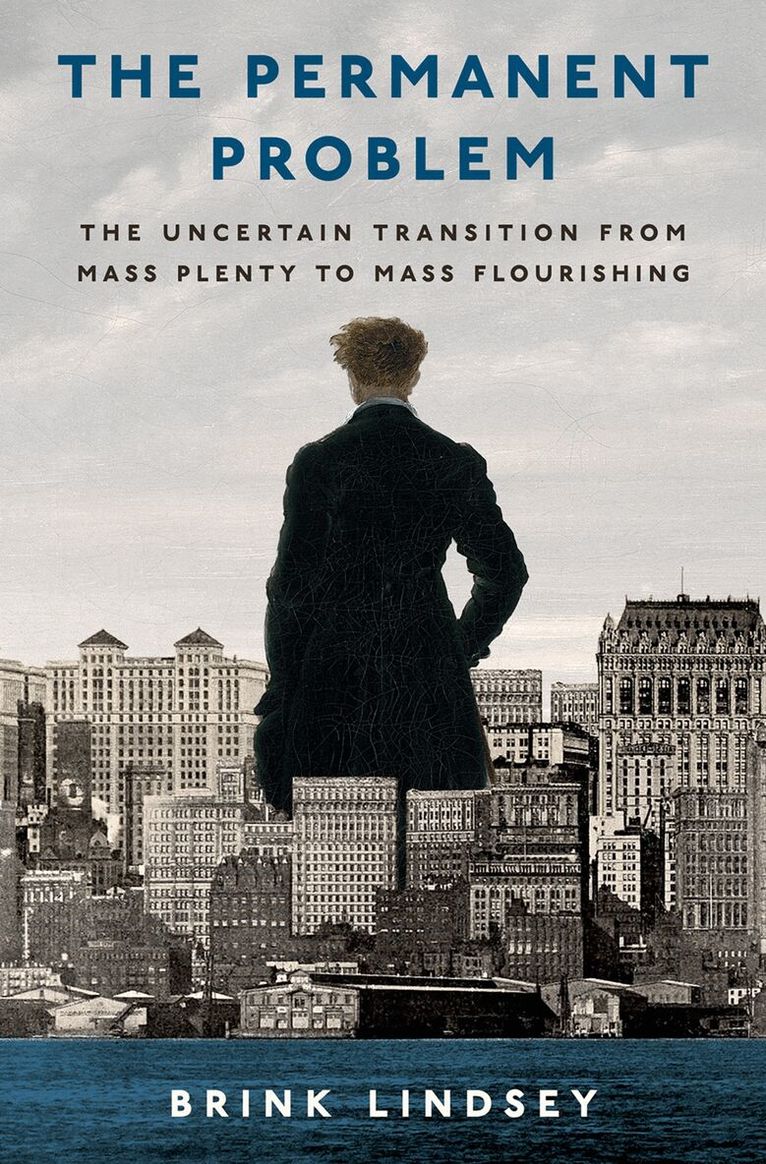
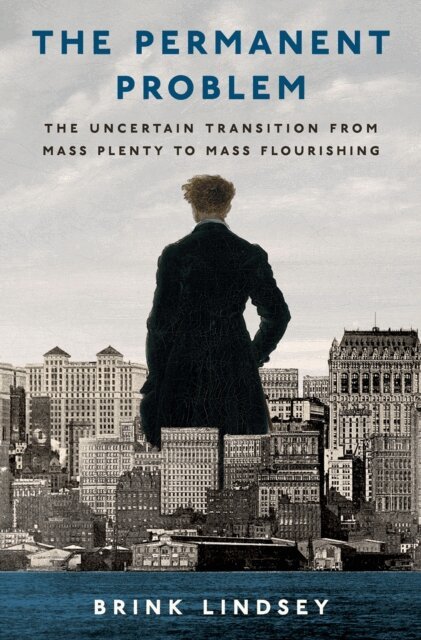
The Permanent Problem
The Uncertain Transition from Mass Plenty to Mass Flourishing
Inbunden, 2026
333 kr
Lägg i varukorg
In The Permanent Problem, Brink Lindsey reshapes our understanding of the vital but complex relationship between material prosperity and human flourishing. The advanced capitalist democracies of the 21st century are the richest, freest, healthiest, best educated, and best governed societies in …
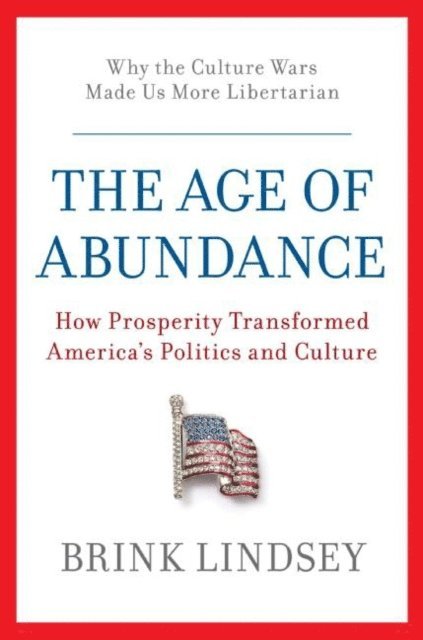
The Age of Abundance: How Prosperity Transformed America's Politics and Culture
Häftad, 2013
147 kr
Lägg i varukorg
Age of Abundance
How Prosperity Transformed America''s Politics and Culture
E-bok, 2009
91 kr
Lägg i varukorg
How America''s post-WWII affluence led to today''s divide between red states and blue states: "[Lindsey''s] insights are frequently dazzling." —Los Angeles TimesUntil the 1950s, the struggle to feed, clothe, and employ the nation drove most of American politics. From slavery to the New Deal, …
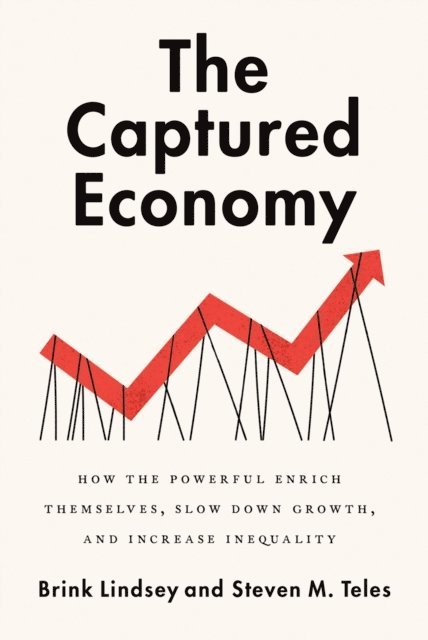
The Captured Economy
How the Powerful Enrich Themselves, Slow Down Growth, and Increase Inequality
Av Brink Lindsey, Steven M. Teles
Häftad, 2019
285 kr
Lägg i varukorg
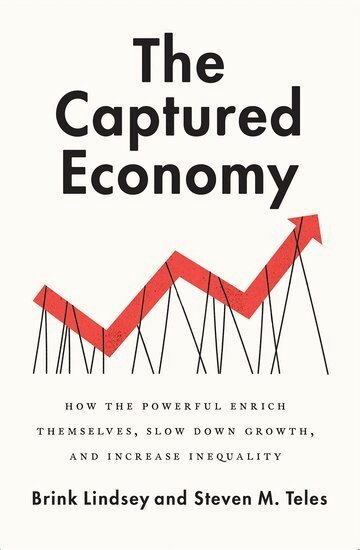
For years, America has been plagued by slow economic growth and increasing inequality. In The Captured Economy, Brink Lindsey and Steven M. Teles identify a common factor behind these twin ills: breakdowns in democratic governance that allow wealthy special interests to capture the policymaking …
The Captured Economy
How the Powerful Become Richer, Slow Down Growth, and Increase Inequality
Av Brink Lindsey, Steven Teles
Inbunden, 2017
335 kr
Lägg i varukorg
The relentless increase of inequality in twenty-first century America has confounded analysts from both ends of the political spectrum. While many can point to particular contributing causes, so far none of the policies that have been enacted-not just in the United States but in other advanced …
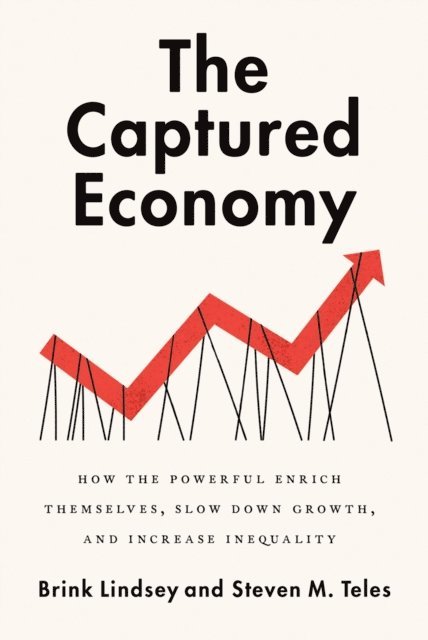
Captured Economy
How the Powerful Enrich Themselves, Slow Down Growth, and Increase Inequality
Av Steven M. Teles, Brink Lindsey
E-bok, 2017
184 kr
Lägg i varukorg
For years, America has been plagued by slow economic growth and increasing inequality. In The Captured Economy , Brink Lindsey and Steven M. Teles identify a common factor behind these twin ills: breakdowns in democratic governance that allow wealthy special interests to capture the policymaking …
Captured Economy
How the Powerful Enrich Themselves, Slow Down Growth, and Increase Inequality
Av Steven M. Teles, Brink Lindsey
E-bok, 2017
184 kr
Lägg i varukorg
For years, America has been plagued by slow economic growth and increasing inequality. In The Captured Economy , Brink Lindsey and Steven M. Teles identify a common factor behind these twin ills: breakdowns in democratic governance that allow wealthy special interests to capture the policymaking …
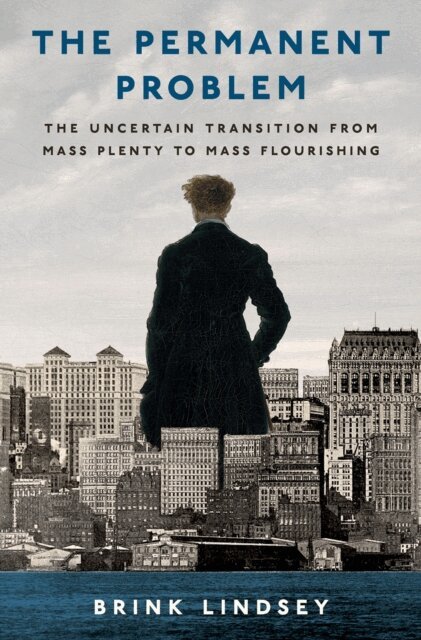
Permanent Problem
The Uncertain Transition from Mass Plenty to Mass Flourishing
E-bok, 2025
315 kr
Lägg i varukorg
In The Permanent Problem, Brink Lindsey reshapes our understanding of the vital but complex relationship between material prosperity and human flourishing. The advanced capitalist democracies of the 21st century are the richest, freest, healthiest, best educated, and best governed societies in …
Permanent Problem
The Uncertain Transition from Mass Plenty to Mass Flourishing
E-bok, 2025
322 kr
Lägg i varukorg
In The Permanent Problem, Brink Lindsey reshapes our understanding of the vital but complex relationship between material prosperity and human flourishing. The advanced capitalist democracies of the 21st century are the richest, freest, healthiest, best educated, and best governed societies in …
Human Capitalism
How Economic Growth Has Made Us Smarter--and More Unequal
Inbunden, 2013
174 kr
Lägg i varukorg
What explains the growing class divide between the well educated and everybody else? Noted author Brink Lindsey, a senior scholar at the Kauffman Foundation, argues that it's because economic expansion is creating an increasingly complex world in which only a minority with the right knowledge and …
Human Capitalism
How Economic Growth Has Made Us Smarter--and More Unequal
E-bok, 2013
180 kr
Lägg i varukorg
Why the rich are getting smarter while the poor are being left behind What explains the growing class divide between the well educated and everybody else? Noted author Brink Lindsey, a senior scholar at the Kauffman Foundation, argues that it''s because economic expansion is creating an …