• Fri frakt över 249 kr
  • •
  • Snabba leveranser
  • •
  • Billiga böcker
Kundservice

Du är på sajten för privatpersoner.

Företag, bibliotek eller offentlig verksamhet?

Du handlar på classic.bokus.com, där alla dina funktioner finns intakta.
Till classic.bokus.com
Bokus logotyp. Gå till startsidan.
  • Erbjudanden
  • Nyheter
  • Student
  • Topplistor
  • Barn & ungdom
  • Bokus Play
  • E-böcker
  • Pocketböcker
  • Spel & pussel

10% rabatt på allt med kod: NYSTART10 →

Sidfot

Mina sidor

    Hjälp

    • Kundservice
    • Vanliga frågor och svar
    • Frakt och leverans
    • Retur vid ångerrätt
    • Reklamera vara
    • Betalning
    • Köpvillkor
    • Allmänna villkor
    • Information om webbplatsens tillgänglighet

    Om Bokus

    • Om oss
    • Pressrum
    • För studenter
    • För företag
    • För bibliotek och offentlig verksamhet
    • För leverantörer
    • Hållbarhet

    Populärt

    • Aktuella erbjudanden
    • Presentkort
    • Studentlitteratur
    • Nya böcker
    • Topplistor
    • Signerade böcker
    • Engelska böcker

    Inspiration

    • Boktips
    • BookTok
    • Populära bokserier
    • Barnbokskaraktärer
    • Populära författare
    Logotyp för Bokus
    Följ oss på Facebook (extern länk)Följ oss på Instagram (extern länk)Följ oss på YouTube (extern länk)Följ oss på TikTok (extern länk)
    bokus @ CookiesAnpassa cookiesIntegritetspolicyKöpvillkor
    Till Citymail hemsida (extern länk)Till Budbee hemsida (extern länk)Till Postnord hemsida (extern länk)Till Schenker hemsida (extern länk)Till Early Bird hemsida (extern länk)Till Walleys hemsida (extern länk)
    1. Samhälle och politik
    2. Politik och statsskick
    3. Statsvetenskap och politisk teori

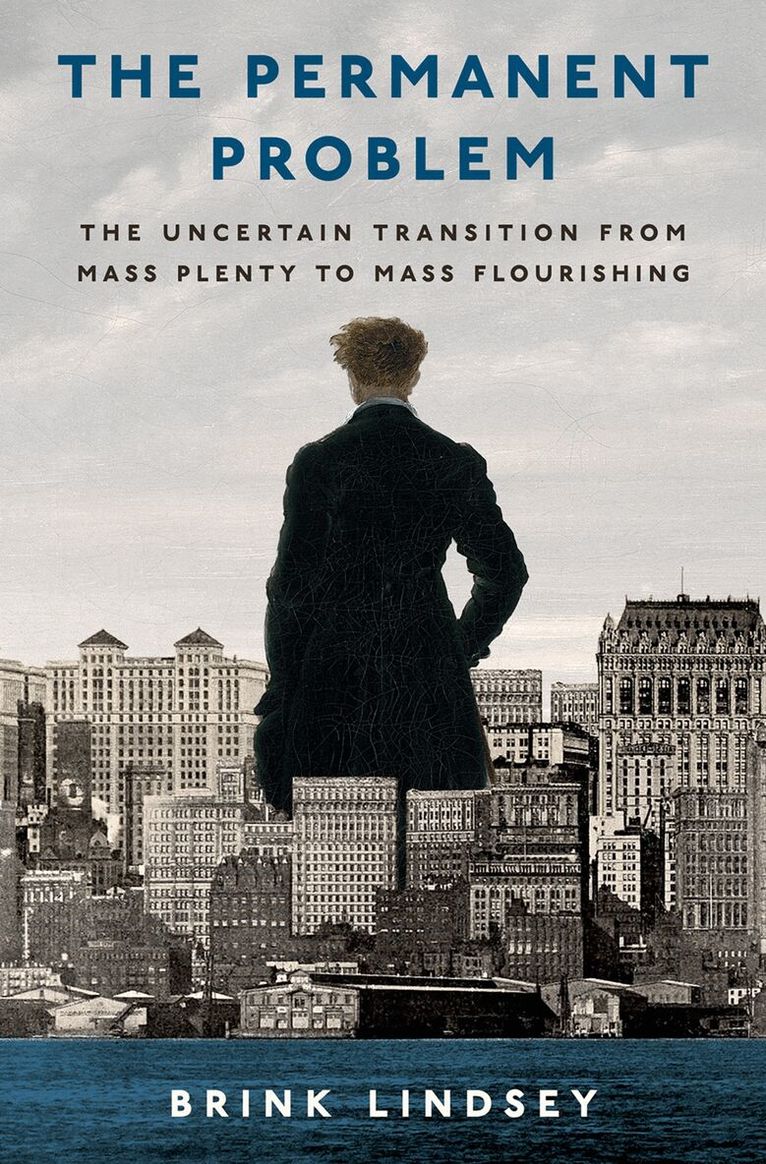
    The Permanent Problem

    The Uncertain Transition from Mass Plenty to Mass Flourishing

    AvBrink Lindsey

    Inbunden, Engelska, 2026

    312 kr

    Beställningsvara. Skickas inom 5-8 vardagar. Fri frakt över 249 kr.

    Beskrivning

    In The Permanent Problem, Brink Lindsey reshapes our understanding of the vital but complex relationship between material prosperity and human flourishing. The advanced capitalist democracies of the 21st century are the richest, freest, healthiest, best educated, and best governed societies in history. Why then does it seem like everything is falling apart? Economic stagnation is spreading, class divisions are deepening, birth rates are collapsing, mental health problems are on the rise, faith in democracy is in decline, and pessimism about the future abounds.In The Permanent Problem, Brink Lindsey argues that these gathering difficulties reflect the stresses and strains of a great and uncompleted historical transition-from mass material prosperity to mass human flourishing. Capitalism's immense productive powers have raised our expectations of what life can be, but for most of us reality is coming up short. What's more, the arrival of mass prosperity has pushed both economic and cultural change in directions that make the transition to mass flourishing much harder to achieve.According to Lindsey, 21st century capitalism is in the grip of three interrelated crises: a crisis of inclusion, as vital social ties and personal connections are breaking down; a crisis of dynamism, as capitalism's engines of innovation and wealth creation have begun to sputter and seize; and a crisis of politics, as the mechanisms for collective decision-making needed to address capitalism's growing problems have been degraded by the very same dynamics that underlie those problems.A much brighter future is possible, and Lindsey charts an intriguing path to get there. There is no need to concoct a radical new social system. Instead, capitalism needs to be refocused on its core mission of extending the technological frontier, and rebalanced through the revitalization of face-to-face communities. Weaving together insights from history, economics, sociology, and philosophy, The Permanent Problem offers a synoptic overview of our fateful present moment and a provocative glimpse at what may lie ahead.

    Produktinformation

    • Utgivningsdatum:2026-04-06
    • Mått:164 x 239 x 21 mm
    • Vikt:508 g
    • Format:Inbunden
    • Språk:Engelska
    • Antal sidor:248
    • Förlag:OUP USA
    • ISBN:9780197803967

    Utforska kategorier

    • Statsvetenskap och politisk teori inom Samhälle och politik
    • Ekonomisk historia inom Ekonomi och Ledarskap
    • Allmän historia och världshistoria inom Historia och arkeologi

    Mer om författaren

    Brink Lindsey is a senior vice president with the Niskanen Center, named "the most interesting think tank in American politics" by Time Magazine. His previous books include (with Steven M. Teles) The Captured Economy (Oxford, 2017), Human Capitalism (2013), and The Age of Abundance (2007).

    Recensioner i media

    In this thought-provoking book, Brink Lindsey deepens the intellectual conversation about abundance. Examining the 'crisis of dynamism' that stifles growth and the 'crisis of inclusion' that limits its beneficiaries, he makes a compelling case that much greater, more widespread abundance is both possible and essential. But human flourishing, he argues, depends crucially on how we navigate the path to that better future. Whatever you think of his proposed cures, Lindsey's diagnosis demands attention.

    Innehållsförteckning

    • Chapter 1: "A General Nervous Breakdown"Chapter 2: The New Class DivideChapter 3: Into the Acid BathChapter 4: Lulled by Loss AversionChapter 5: The Global Fertility CollapseChapter 6: The Performative TurnChapter 7: Declining Returns to Complexity Chapter 8: The Promise of Abundance: Capitalism RefocusedChapter 9: Abundance at Human Scale: Capitalism RebalancedChapter 10: What Are Humans For?NotesIndex