Bruce Babington - Böcker
Visar alla böcker från författaren Bruce Babington. Handla med fri frakt och snabb leverans.
6 produkter
6 produkter
375 kr
Skickas inom 5-8 vardagar
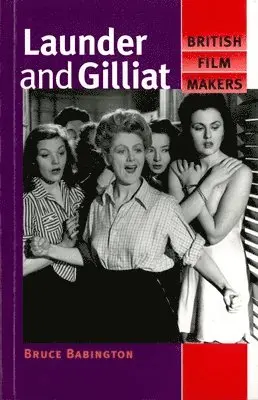
Bruce Babington analyses the achievement of one of the central partnerships in British film history, the screenwriters of famous films by Hitchcock and Carol Reed, who became the producer-writer-directors of a succession of famous and well-loved films including Millions Like Us, Two Thousand Women, Waterloo Road, The Rake’s Progress, I See a Dark Stranger, The Blue Lagoon and The Happiest Days of Your Life. This study of the pair is notable both for its contextualising of them within English and British culture over four decades, including British cinema’s ‘golden age’ of the war and immediate post-war years, and for its close reading of films that have been critically neglected, despite their popularity. Scholarly but not pedantic, the book shows its subjects to be not ordinary mainstream practitioners but deceptively serious filmmakers registering the ‘ideological weather’ of wartime and post-war Britain in engaging and creative ways.
375 kr
Skickas inom 5-8 vardagar
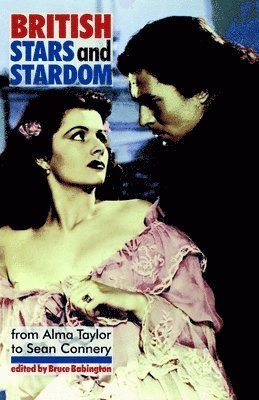
Deals analytically with the fascinating topic of the great film stars (and some thought-provoking lesser ones) of the British cinema, from Alma Taylor and Ivor Novello in the Silent period, up to the present day. Looks both at stars who attained worldwide fame through the Hollywood cinema, and those whose contribution is primarily to the national cinema.. First collection of essays on the subject with a wide historical coverage including major figures, such as Connery, Mason, Trevor Howard, Deborah Kerr, Mary Millington, Albert Finney and James Mason. Major figures in UK film studies have contributed, including Marcia Landy, Andrew Higson, Peter Evans, Charles Barr, Pam Cook and Andy Medhurst.
1 134 kr
Tillfälligt slut
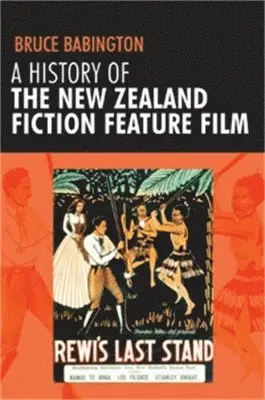
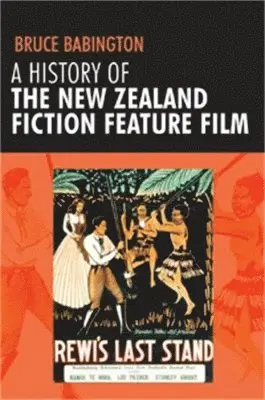
A history of the New Zealand fiction feature film is the only comprehensive account of the New Zealand feature film from its beginnings to the present. Countering tendencies to think of New Zealand film as beginning in the 1970s, Bruce Babington discloses a longer saga showing how the present, for all its difference, can only be understood through the past: Gaston Méliès’ New Zealand films of 1912, Tarr’s Hinemoa, the first feature made by a New Zealander, early Australian film makers’ use of New Zealand for an Australasian audience, the English and American made ‘Maoriland’ films of the late 1920s and early 1930s, and the crucial works of New Zealand film’s two great father figures, Rudall Hayward and John O’Shea. Such cornerstones of the national cinema as The Te Kooti Trail, My Lady of the Cave, Rewi’s Last Stand (1940), Broken Barrier, Runaway and Don’t Let It Get You are analysed in detail. Babington surveys the internationally popular films of recent years, from Murphy's and Donaldson's, through to those of Reid, Preston, Campion, Ward, Jackson, Caro, Jeffs, Sinclair, Barclay and others, along with recent low-cost digitals, and Maori feature film making, allowing the book to become a reference map of the cinema, its genres, and its preoccupations, while at the same time giving fascinating detailed analysis of important texts. A history of the New Zealand fiction feature film is essential reading for all students and followers of New Zealand cinema as well as those interested in the local post-colonial culture and its products.
375 kr
Skickas inom 5-8 vardagar
A history of the New Zealand fiction feature film is the only comprehensive account of the New Zealand feature film from its beginnings to the present. Countering tendencies to think of New Zealand film as beginning in the 1970s, Bruce Babington discloses a longer saga showing how the present, for all its difference, can only be understood through the past: Gaston Méliès’ New Zealand films of 1912, Tarr’s Hinemoa, the first feature made by a New Zealander, early Australian film makers’ use of New Zealand for an Australasian audience, the English and American made ‘Maoriland’ films of the late 1920s and early 1930s, and the crucial works of New Zealand film’s two great father figures, Rudall Hayward and John O’Shea. Such cornerstones of the national cinema as The Te Kooti Trail, My Lady of the Cave, Rewi’s Last Stand (1940), Broken Barrier, Runaway and Don’t Let It Get You are analysed in detail. Babington surveys the internationally popular films of recent years, from Murphy's and Donaldson's, through to those of Reid, Preston, Campion, Ward, Jackson, Caro, Jeffs, Sinclair, Barclay and others, along with recent low-cost digitals, and Maori feature film making, allowing the book to become a reference map of the cinema, its genres, and its preoccupations, while at the same time giving fascinating detailed analysis of important texts. A history of the New Zealand fiction feature film is essential reading for all students and followers of New Zealand cinema as well as those interested in the local post-colonial culture and its products.
441 kr
Skickas inom 7-10 vardagar
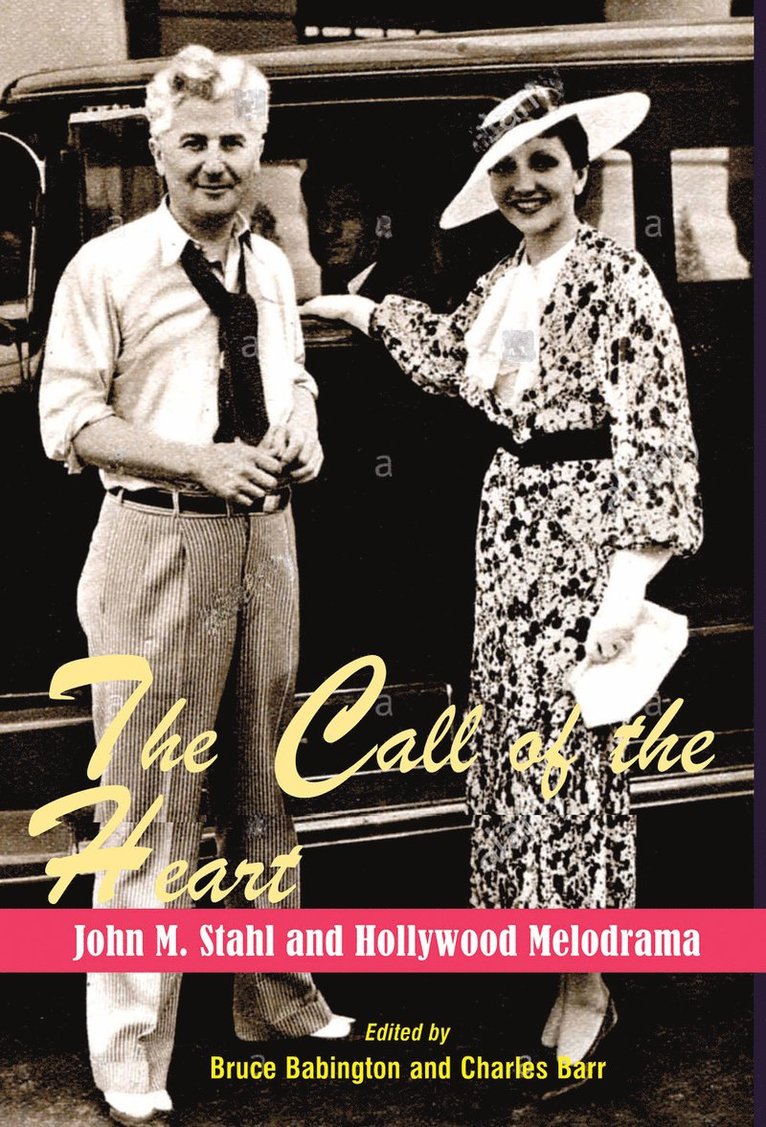
The profusion of research on film history means that there are now few Hollywood filmmakers in the category of Neglected Master; John M Stahl (1886–1950) has been stuck in it for far too long. His strong association with melodrama and the womans film is a key to this neglect; those mainstays of popular cinema are no longer the object of critical scorn or indifference, but Stahl has until now hardly benefited from this welcome change in attitude. His remarkable silent melodramas were either lost, or buried in archives, while his major sound films such as Imitation of Life and Magnificent Obsession, equally successful in their time, have been overshadowed by the glamour of the 1950s remakes by Douglas Sirk. Sirk is a far from neglected figure; Stahls much longer Hollywood career deserves attention and celebration in its own right, as this book definitively shows. Drawing on a wide range of film and document archives, scholars from three continents come together to cover Stahls work, as director and also producer, from its beginnings during World War I to his death, as a still active filmmaker, in 1950. Between them they make a strong case for Stahl as an important figure in cinema history, and as author of many films that still have the power to move their audiences.
1 946 kr
Skickas inom 10-15 vardagar
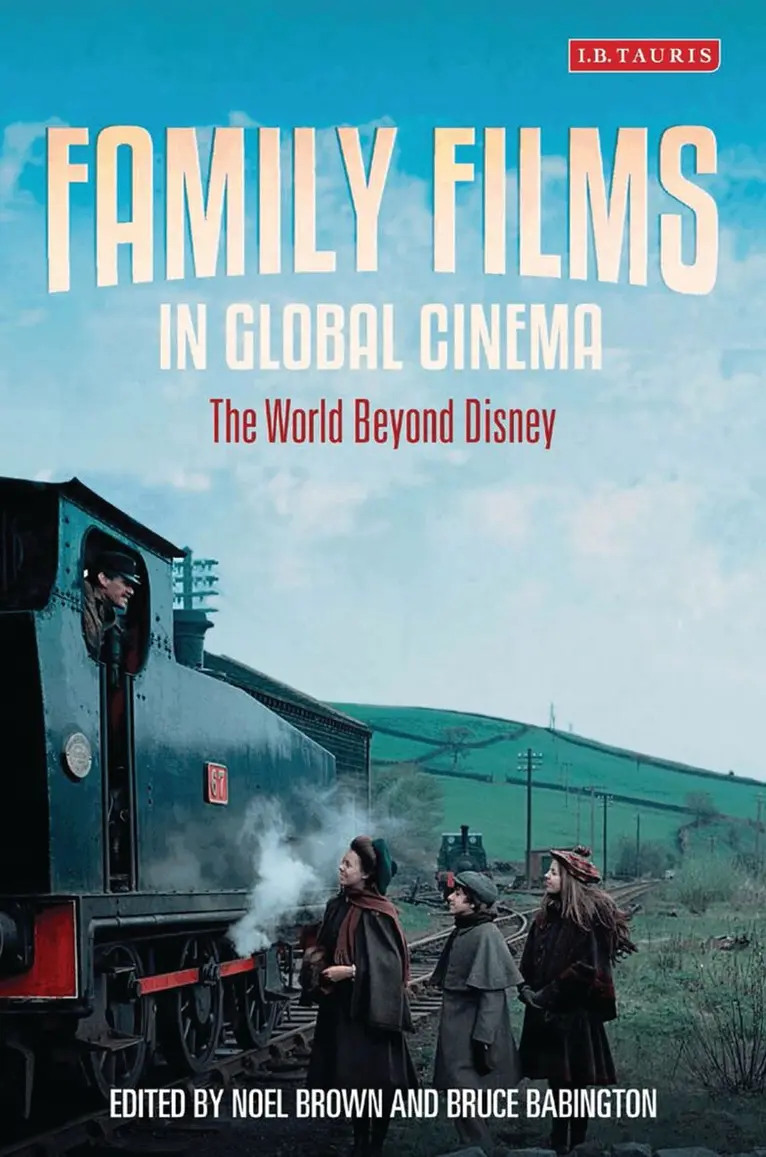
With the huge global success of Hollywood 'family film' franchises, such as Harry Potter, it is unsurprising that there have been many attempts to emulate this success. In recent years, there has been an explosion in international production of films for both adults and children - resulting in an erosion of the dominance of The Disney Company and the other major Hollywood Studios in family film production. "Family Films in Global Cinema" is the first serious examination of films for child and family audiences in a global context. Whereas most previous studies of children's films and family films have concerned themselves with Disney, this book encompasses both live-action and animated films from the Hollywood, British, Australian, East German, Russian, Indian, Japanese and Brazilian cinemas. As well as examining international family films previously ignored by scholars, the collection also presents a fresh perspective on familiar movies such as "The Railway Children," "The Nightmare Before Christmas," "Babe," and the "Harry Potter" series.