Charles Barr – författare
Visar alla böcker från författaren Charles Barr. Handla med fri frakt och snabb leverans.
10 produkter
British Cinema
A Very Short Introduction
Av Charles Barr
E-bok, 2022
98 kr
Lägg i varukorg
Cinema has had a hugely influential role on global culture in the 20th century at multiple levels: social, political, and educational. The part of British cinema in this has been controversial - often derided as a whole, but also vigorously celebrated, especially in terms of specific films and …
British Cinema
A Very Short Introduction
Av Charles Barr
E-bok, 2022
98 kr
Lägg i varukorg
Cinema has had a hugely influential role on global culture in the 20th century at multiple levels: social, political, and educational. The part of British cinema in this has been controversial - often derided as a whole, but also vigorously celebrated, especially in terms of specific films and …
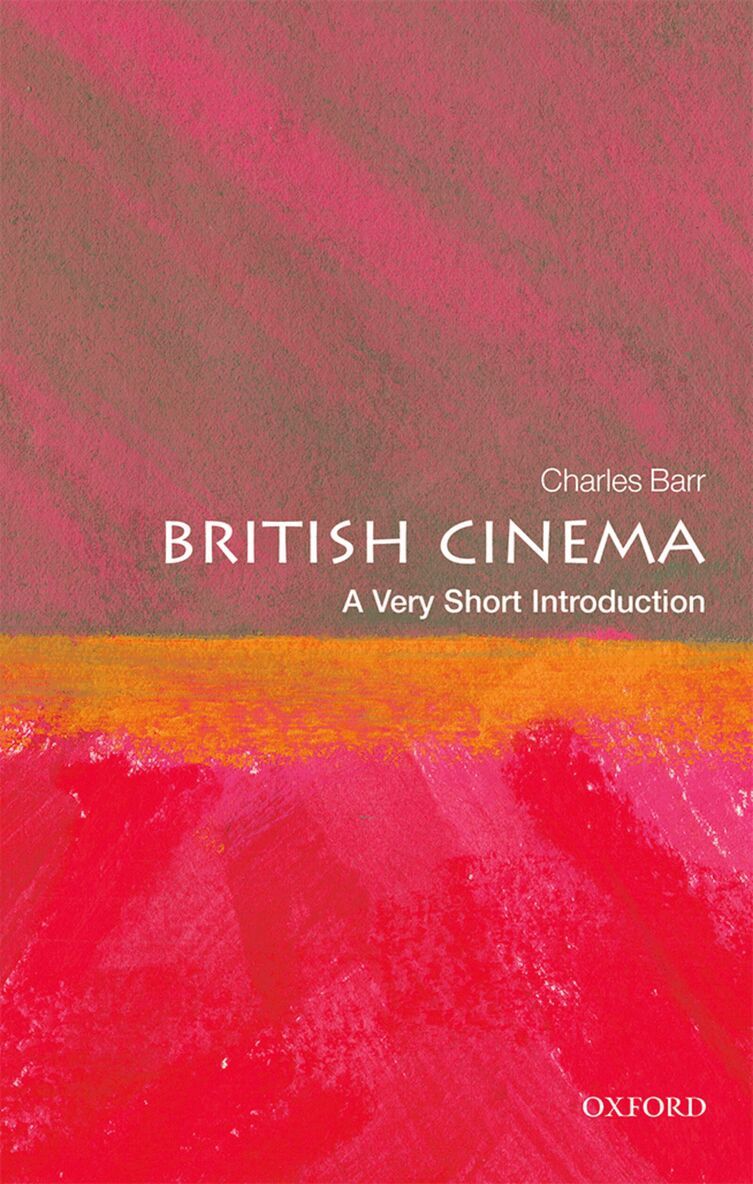
British Cinema
A Very Short Introduction
Av Charles Barr
Häftad, 2022
120 kr
Lägg i varukorg
Cinema has had a hugely influential role on global culture in the 20th century at multiple levels: social, political, and educational. The part of British cinema in this has been controversial - often derided as a whole, but also vigorously celebrated, especially in terms of specific films and …
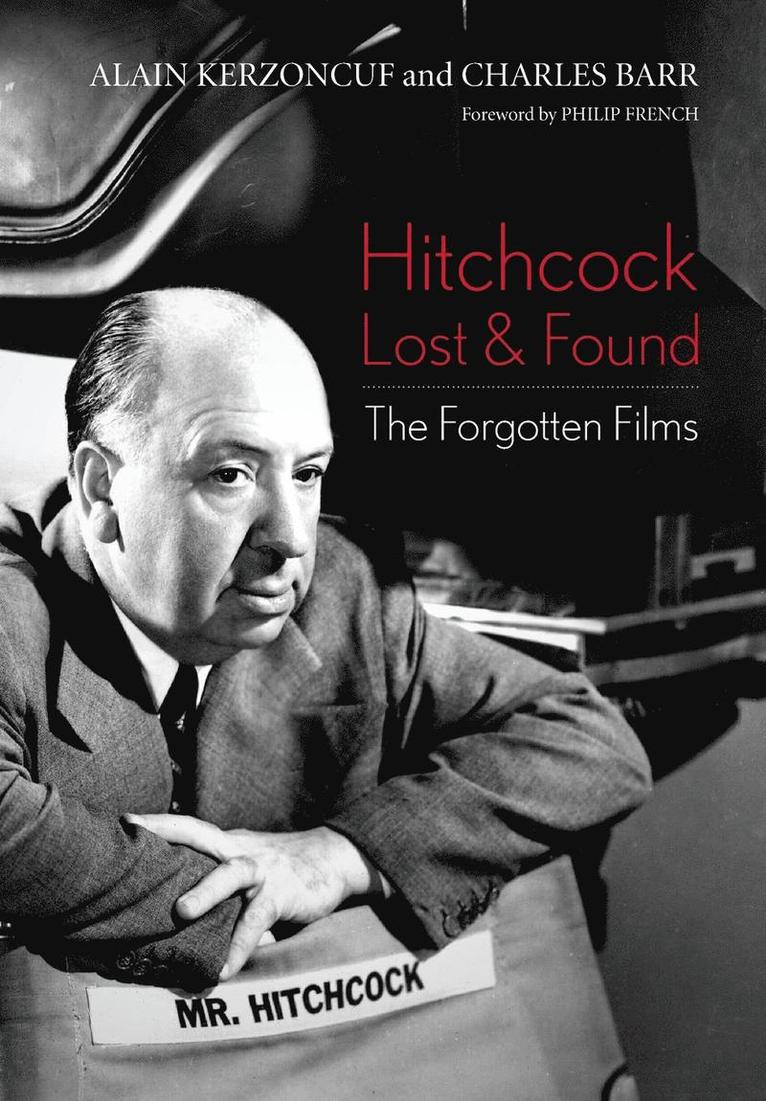
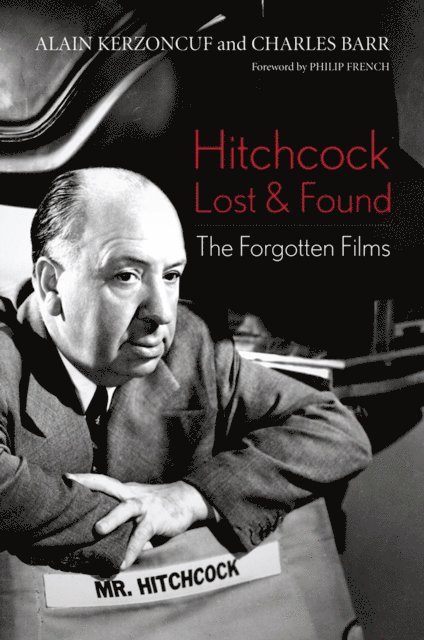
Hitchcock Lost and Found
The Forgotten Films
Av Alain Kerzoncuf, Charles Barr m. fl.
Inbunden, 2015
627 kr
Lägg i varukorg
Known as the celebrated director of critical and commercial successes such as Psycho (1960) and The Birds (1963), Alfred Hitchcock is famous for his distinctive visual style and signature motifs. While recent books and articles discussing his life and work focus on the production and philosophy of …
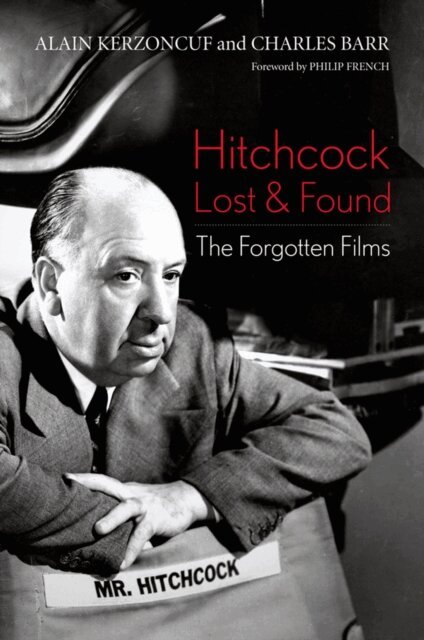
Hitchcock Lost & Found
The Forgotten Films
Av Charles Barr, Alain Kerzoncuf
E-bok, 2015
227 kr
Lägg i varukorg
"It seems there is still plenty to discover and to say about Alfred Hitchcock . . . a host of impressive new research." —Journal of Film Preservation Audiences worldwide know him for Psycho, The Birds, Vertigo, and other classics—but in Hitchcock Lost and Found, fans and film students alike can …
Hitchcock Lost and Found
The Forgotten Films
Av Charles Barr, Alain Kerzoncuf
E-bok, 2015
568 kr
Lägg i varukorg
Known as the celebrated director of critical and commercial successes such as Psycho (1960) and The Birds (1963), Alfred Hitchcock is famous for his distinctive visual style and signature motifs. While recent books and articles discussing his life and work focus on the production and philosophy of …
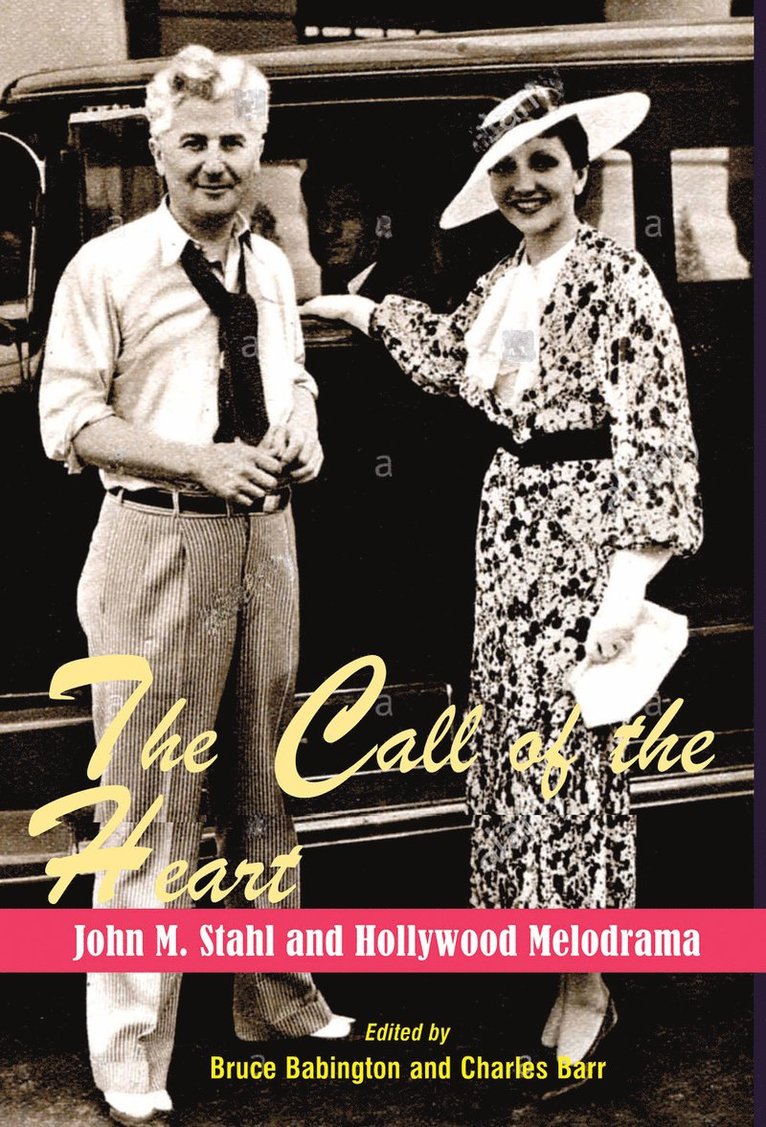
Call of the Heart
John M. Stahl and Hollywood Melodrama
Av Bruce Babington, Charles Barr
Häftad, 2018
468 kr
Lägg i varukorg
The profusion of research on film history means that there are now few Hollywood filmmakers in the category of Neglected Master; John M Stahl (1886–1950) has been stuck in it for far too long. His strong association with melodrama and the womans film is a key to this neglect; those mainstays of …
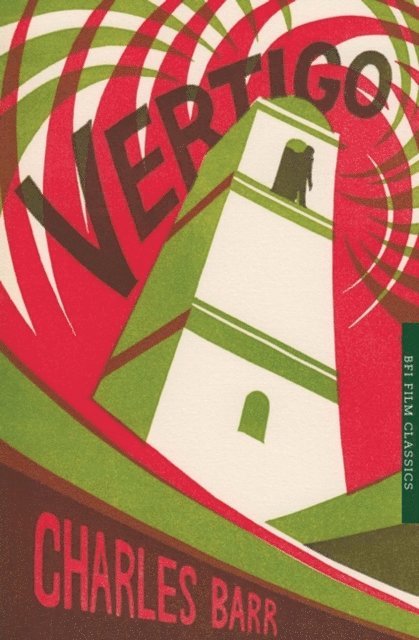
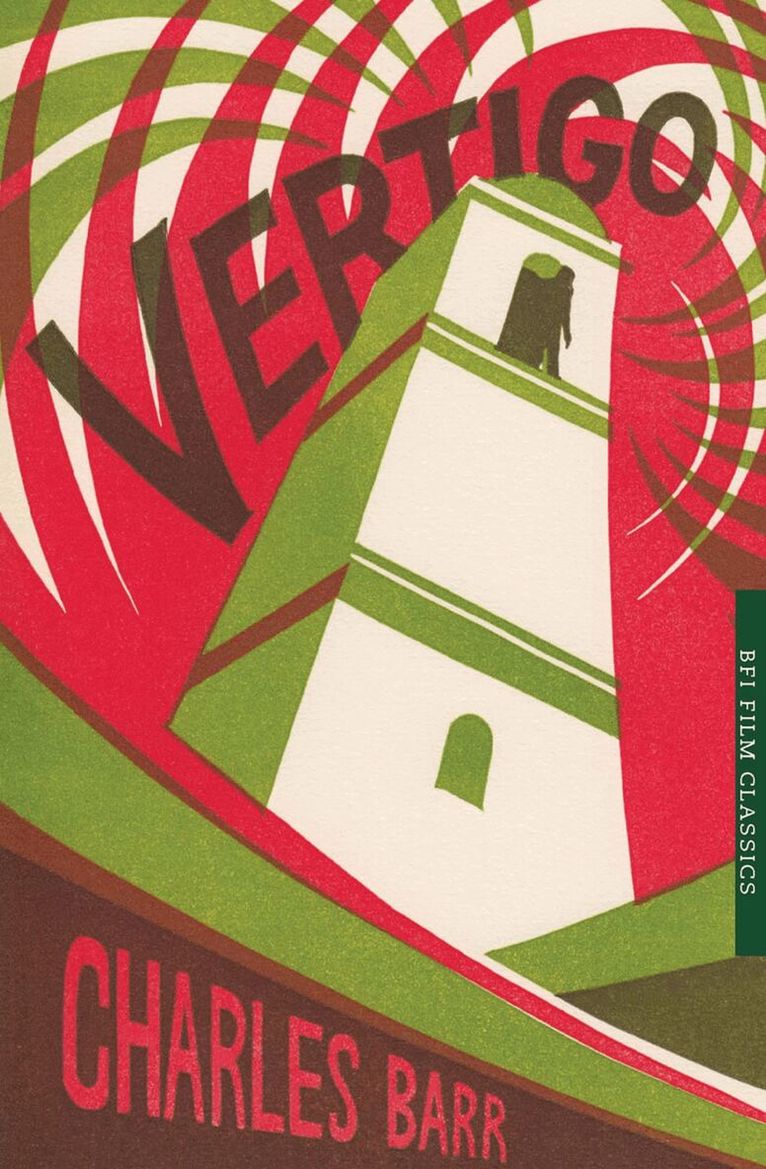
Vertigo
Av Charles Barr
E-bok, 2019
215 kr
Lägg i varukorg
Vertigo (1958) is widely regarded as not only one of Hitchcock''s best films, but one of the greatest films of world cinema. Made at the time when the old studio system was breaking up, it functions both as an embodiment of the supremely seductive visual pleasures that ''classical Hollywood'' could …
Vertigo
Av Charles Barr
Häftad, 2012
176 kr
Lägg i varukorg
Vertigo (1958) is widely regarded as not only one of Hitchcock's best films, but one of the greatest films of world cinema. Made at the time when the old studio system was breaking up, it functions both as an embodiment of the supremely seductive visual pleasures that 'classical Hollywood' could …
Vertigo
Av Charles Barr
E-bok, 2017
215 kr
Lägg i varukorg
Vertigo (1958) is widely regarded as not only one of Hitchcock''s best films, but one of the greatest films of world cinema. Made at the time when the old studio system was breaking up, it functions both as an embodiment of the supremely seductive visual pleasures that ''classical Hollywood'' could …