Bruce I. Jacobs – författare
Visar alla böcker från författaren Bruce I. Jacobs. Handla med fri frakt och snabb leverans.
5 produkter
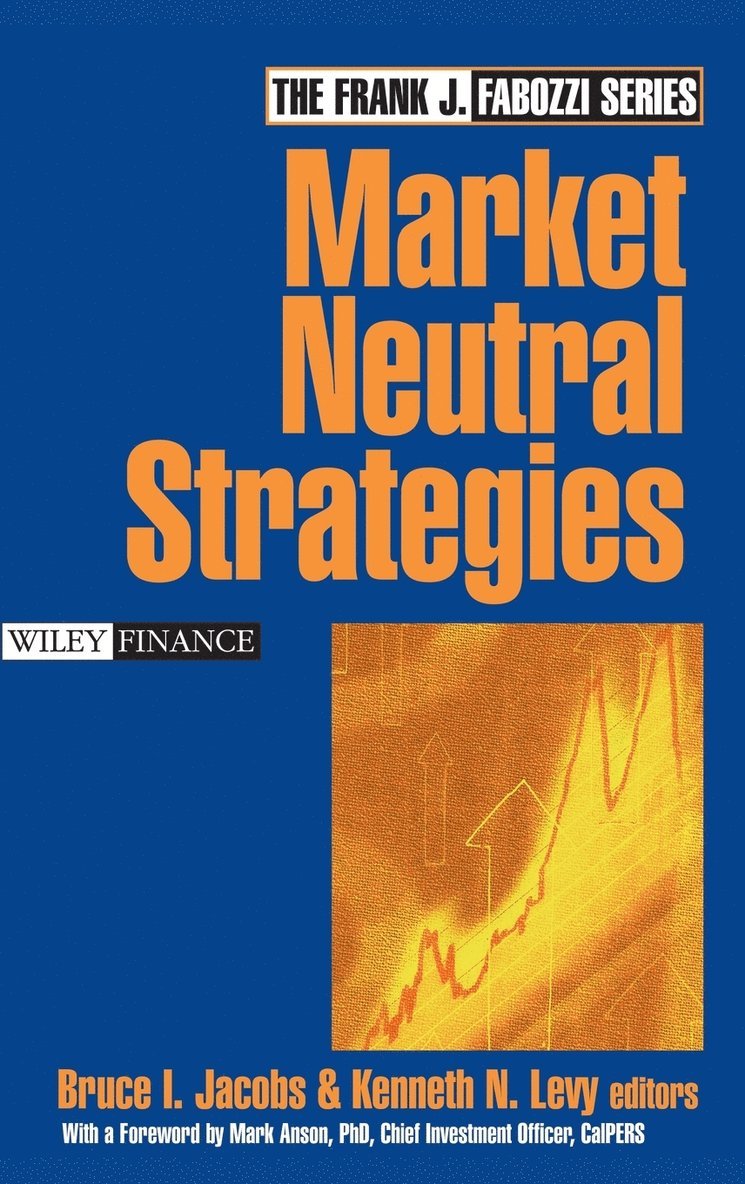
Market Neutral Strategies
Av Bruce I. Jacobs, Kenneth N. Levy m. fl.
Inbunden, 2004
656 kr
Lägg i varukorg
An inside view of what makes market neutral strategies tick and how they can be implemented Market neutral strategies have gained attention for their potential to deliver positive returns regardless of the direction of underlying markets. As these strategies have built a record of good performance …
Market Neutral Strategies
Av Kenneth N. Levy, Bruce I. Jacobs
E-bok, 2005
801 kr
Lägg i varukorg
An inside view of what makes market neutral strategies tick and how they can be implemented Market neutral strategies have gained attention for their potential to deliver positive returns regardless of the direction of underlying markets. As these strategies have built a record of good performance …
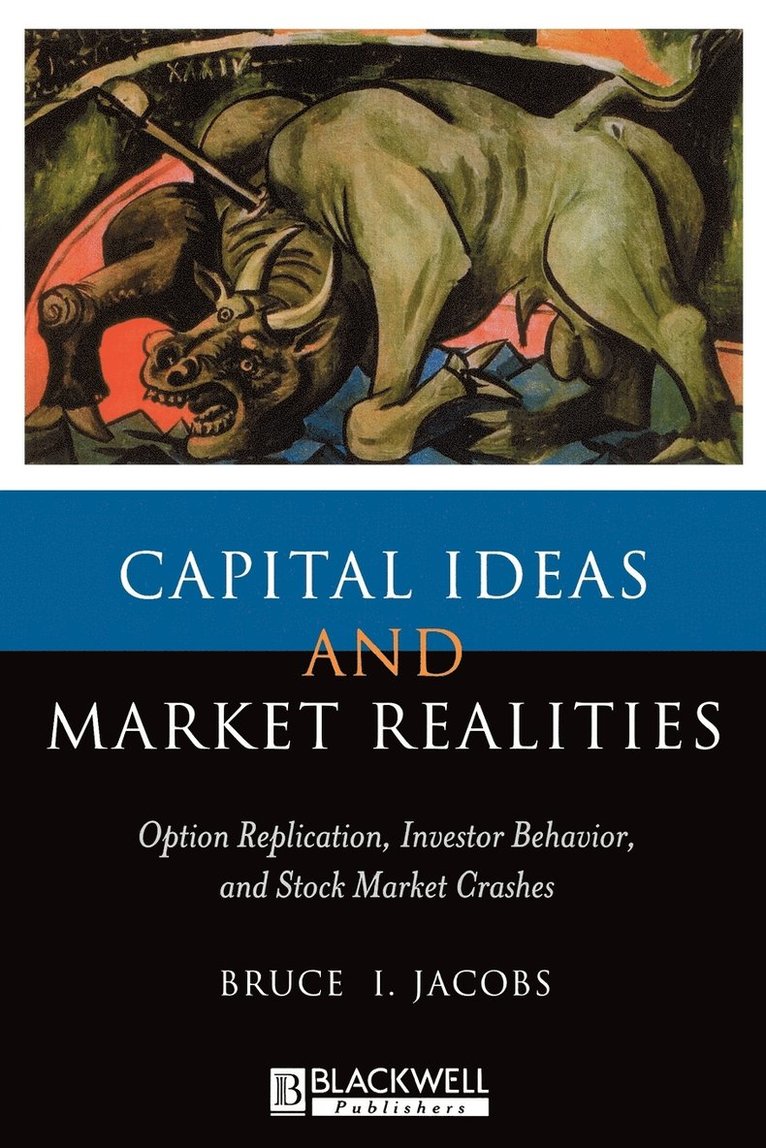
Capital Ideas and Market Realities
Option Replication, Investor Behavior, and Stock Market Crashes
Häftad, 1999
454 kr
Lägg i varukorg
Bruce Jacobs sifts through the history of modern finance, from the efficient market hypothesis to behavioral psychology and chaos theory, to determine the cause of recent market crashes. Includes a Foreword from Nobel Laureate Harry M. Markowitz.Showcases the expertise of an author who identified …
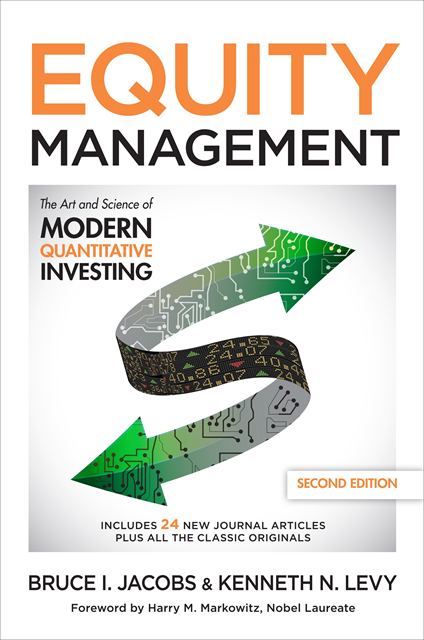
Equity Management: The Art and Science of Modern Quantitative Investing, Second Edition
Av Kenneth N. Levy, Bruce I. Jacobs
E-bok, 2016
921 kr
Lägg i varukorg
The classic guide to quantitative investing—expanded and updated for today’s increasingly complex markets From Bruce Jacobs and Ken Levy—two pioneers of quantitative equity management—the go-to guide to stock selection has been substantially updated to help you build portfolios in today’s …
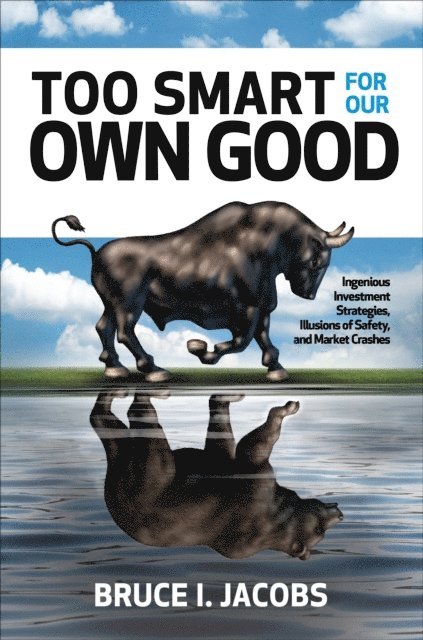
Too Smart for Our Own Good: Ingenious Investment Strategies, Illusions of Safety, and Market Crashes
Ingenious Investment Strategies, Illusions of Safety, and Market Crashes
E-bok, 2018
641 kr
Lägg i varukorg
How investment strategies designed to reduce risk can increase risk for everyone—and can crash markets and economies Financial crises are often blamed on unforeseeable events, the unforgiving nature of capital markets, or just plain bad luck. Too Smart for Our Own Good argues that these crises are …