Burton W. Peretti - Böcker
Visar alla böcker från författaren Burton W. Peretti. Handla med fri frakt och snabb leverans.
6 produkter
6 produkter
238 kr
Skickas inom 7-10 vardagar
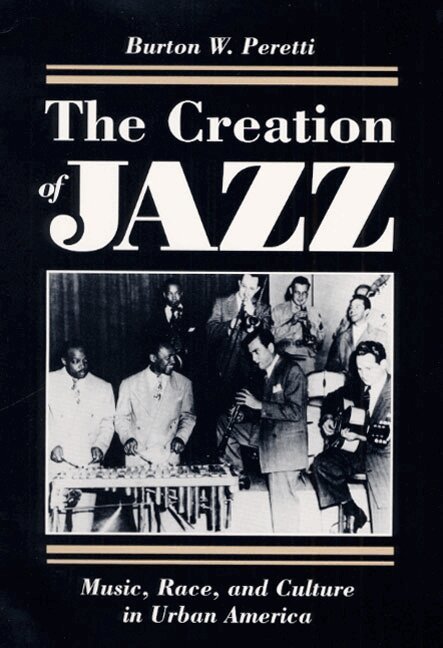
The story of jazz is more than a history of the music. The racial and cultural dynamics of American cities created the music, life, and business that was jazz. Burton W. Peretti's classic study charts the life of jazz culture from its origins in the jook joints of sharecroppers and the streets and dance halls of 1890s New Orleans to the eve of bebop and World War II. As Perett shows, jazz was the epic story of players who transitioned from childhood spasm bands to Carnegie Hall and worldwide touring and fame. It became the music of the Twenties, a decade of Prohibition, of adolescent discontent, of Harlem pride, and of Americans hoping to preserve cultural traditions in an urban, commercial age. Finally, jazz was where black and white musicians performed together, as uneasy partners, in the big bands of Artie Shaw and Benny Goodman. Drawing on archives and the firsthand testimony of more than seventy musicians and singers (among them Benny Carter, Bud Freeman, Kid Ory, and Mary Lou Williams), The Creation of Jazz offers a comprehensive analysis of the role of early jazz in American social history.
695 kr
Skickas inom 10-15 vardagar
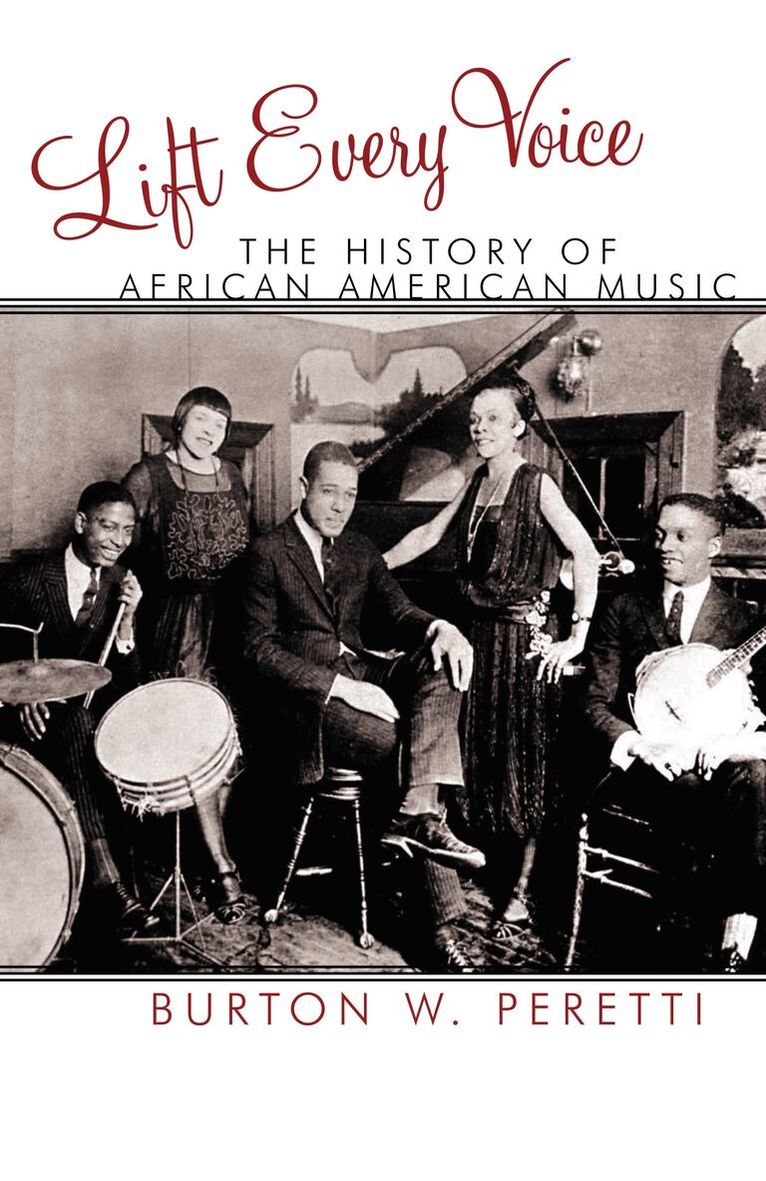
Since their enslavement in West Africa and transport to plantations of the New World, black people have made music that has been deeply entwined with their religious, community, and individual identities. Music was one of the most important constant elements of African American culture in the centuries-long journey from slavery to freedom. It also continued to play this role in blacks' post-emancipation odyssey from second-class citizenship to full equality. Lift Every Voice traces the roots of black music in Africa and slavery and its evolution in the United States from the end of slavery to the present day. The music's creators, consumers, and distributors are all part of the story. Musical genres such as spirituals, ragtime, the blues, jazz, gospel, rhythm and blues, rock, soul, and hip-hop—as well as black contributions to classical, country, and other American music forms—depict the continuities and innovations that mark both the music and the history of African Americans. A rich selection of documents help to define the place of music within African American communities and the nation as a whole.
530 kr
Skickas inom 10-15 vardagar
Since their enslavement in West Africa and transport to plantations of the New World, black people have made music that has been deeply entwined with their religious, community, and individual identities. Music was one of the most important constant elements of African American culture in the centuries-long journey from slavery to freedom. It also continued to play this role in blacks' post-emancipation odyssey from second-class citizenship to full equality. Lift Every Voice traces the roots of black music in Africa and slavery and its evolution in the United States from the end of slavery to the present day. The music's creators, consumers, and distributors are all part of the story. Musical genres such as spirituals, ragtime, the blues, jazz, gospel, rhythm and blues, rock, soul, and hip-hop—as well as black contributions to classical, country, and other American music forms—depict the continuities and innovations that mark both the music and the history of African Americans. A rich selection of documents help to define the place of music within African American communities and the nation as a whole.
380 kr
Skickas inom 10-15 vardagar
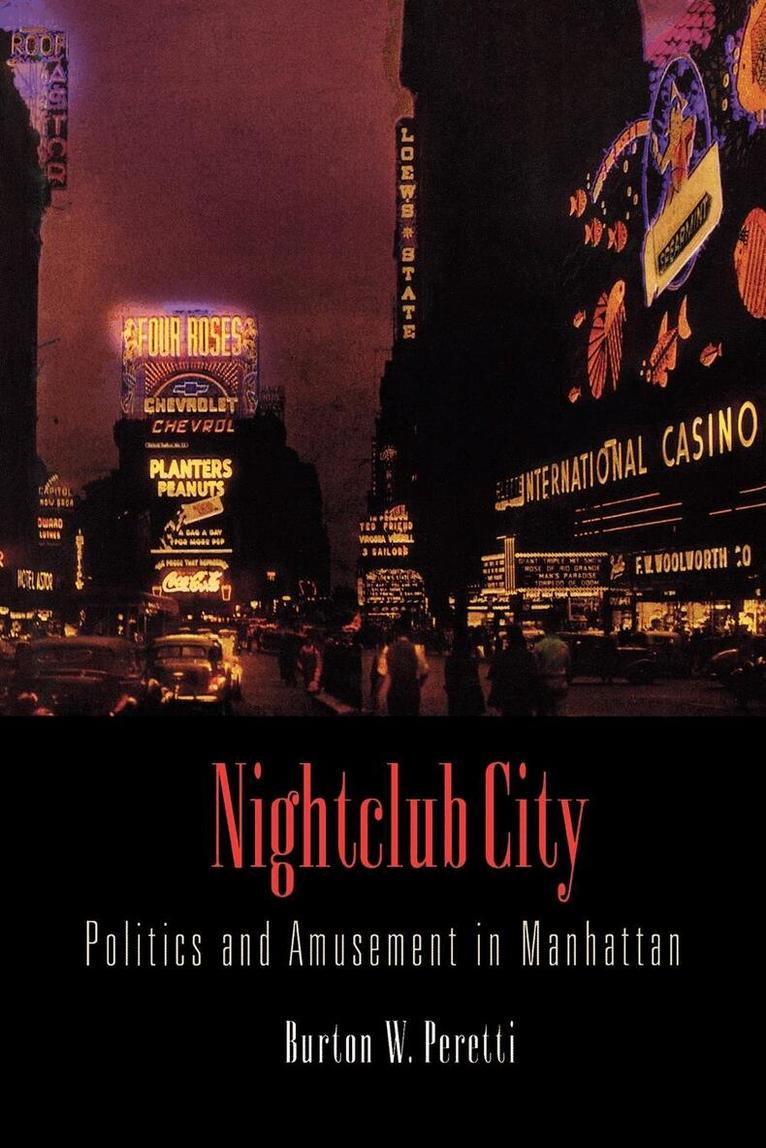
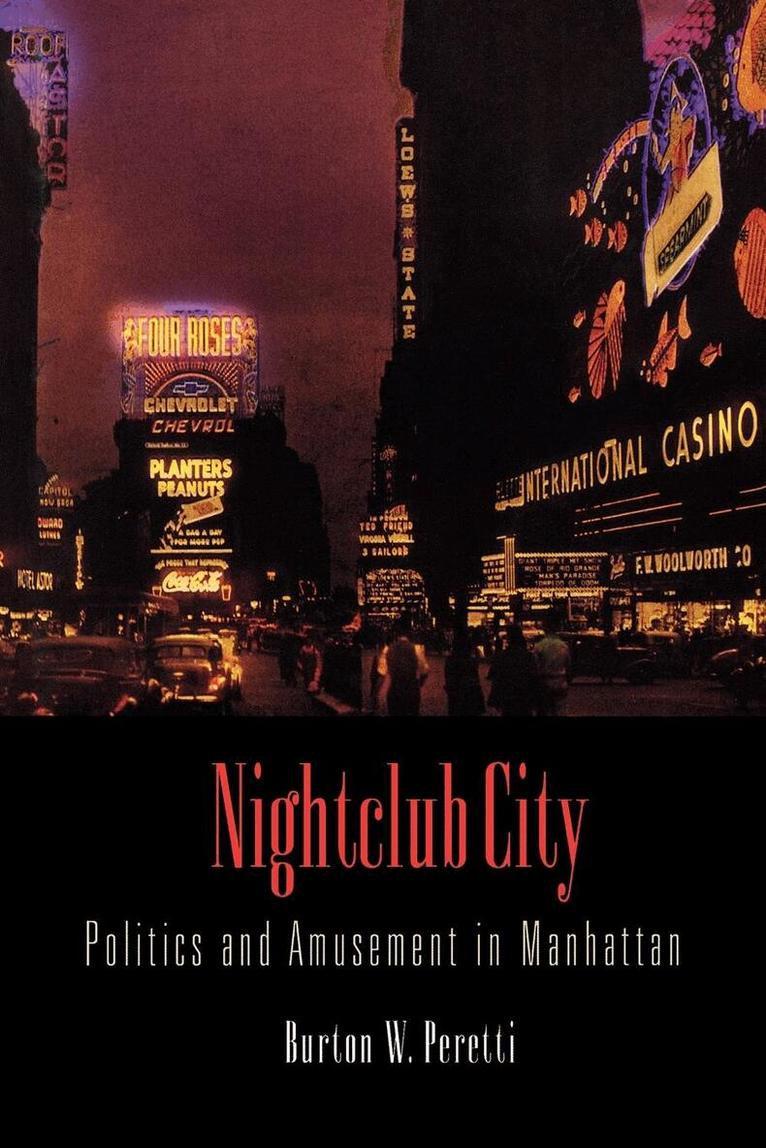
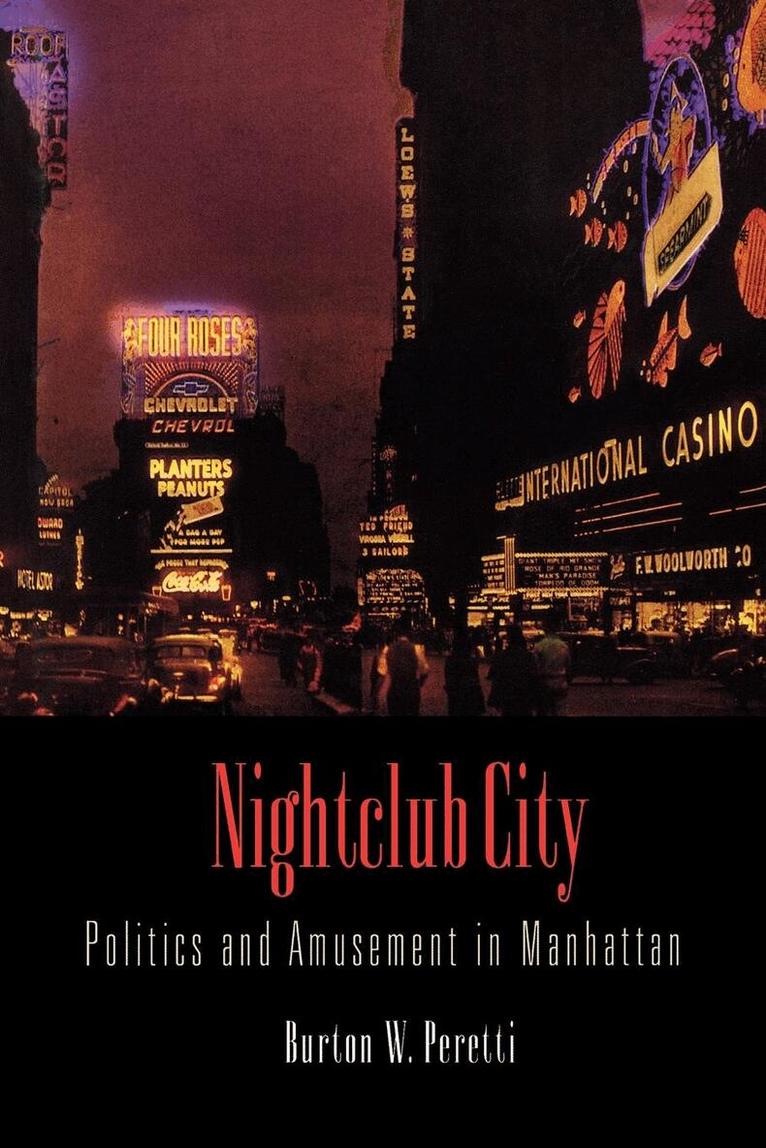
In the Roaring Twenties, New York City nightclubs and speakeasies became hot spots where traditions were flouted and modernity was forged. With powerful patrons in Tammany Hall and a growing customer base, nightclubs flourished in spite of the efforts of civic-minded reformers and federal Prohibition enforcement. This encounter between clubs and government-generated scandals, reform crusades, and regulations helped to redefine the image and reality of urban life in the United States. Ultimately, it took the Great Depression to cool Manhattan's Jazz Age nightclubs, forcing them to adapt and relocate, but not before they left their mark on the future of American leisure.Nightclub City explores the cultural significance of New York City's nightlife between the wars, from Texas Guinan's notorious 300 Club to Billy Rose's nostalgic Diamond Horseshoe. Whether in Harlem, Midtown, or Greenwich Village, raucous nightclub activity tested early twentieth-century social boundaries. Anglo-Saxon novelty seekers, Eastern European impresarios, and African American performers crossed ethnic lines while provocative comediennes and scantily clad chorus dancers challenged and reshaped notions of femininity. These havens of liberated sexuality, as well as prostitution and illicit liquor consumption, allowed their denizens to explore their fantasies and fears of change.The reactions of cultural critics, federal investigators, and reformers such as Fiorello La Guardia exemplify the tension between leisure and order. Peretti's research delves into the symbiotic relationships among urban politicians, social reformers, and the business of vice. Illustrated with archival photographs of the clubs and the characters who frequented them, Nightclub City is a dark and dazzling study of New York's bygone nightlife.
606 kr
Skickas inom 7-10 vardagar
In the Roaring Twenties, New York City nightclubs and speakeasies became hot spots where traditions were flouted and modernity was forged. With powerful patrons in Tammany Hall and a growing customer base, nightclubs flourished in spite of the efforts of civic-minded reformers and federal Prohibition enforcement. This encounter between clubs and government-generated scandals, reform crusades, and regulations helped to redefine the image and reality of urban life in the United States. Ultimately, it took the Great Depression to cool Manhattan's Jazz Age nightclubs, forcing them to adapt and relocate, but not before they left their mark on the future of American leisure.Nightclub City explores the cultural significance of New York City's nightlife between the wars, from Texas Guinan's notorious 300 Club to Billy Rose's nostalgic Diamond Horseshoe. Whether in Harlem, Midtown, or Greenwich Village, raucous nightclub activity tested early twentieth-century social boundaries. Anglo-Saxon novelty seekers, Eastern European impresarios, and African American performers crossed ethnic lines while provocative comediennes and scantily clad chorus dancers challenged and reshaped notions of femininity. These havens of liberated sexuality, as well as prostitution and illicit liquor consumption, allowed their denizens to explore their fantasies and fears of change.The reactions of cultural critics, federal investigators, and reformers such as Fiorello La Guardia exemplify the tension between leisure and order. Peretti's research delves into the symbiotic relationships among urban politicians, social reformers, and the business of vice. Illustrated with archival photographs of the clubs and the characters who frequented them, Nightclub City is a dark and dazzling study of New York's bygone nightlife.
172 kr
Skickas inom 10-15 vardagar
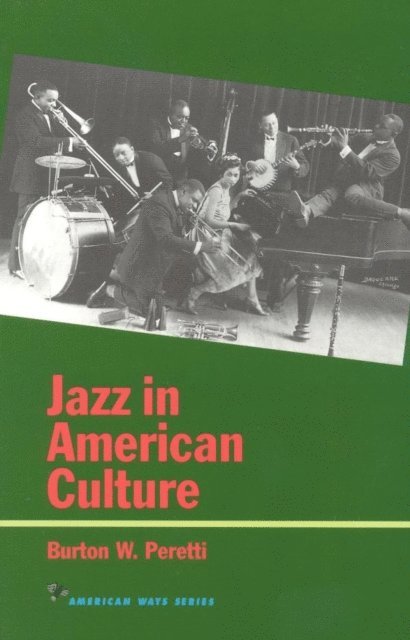
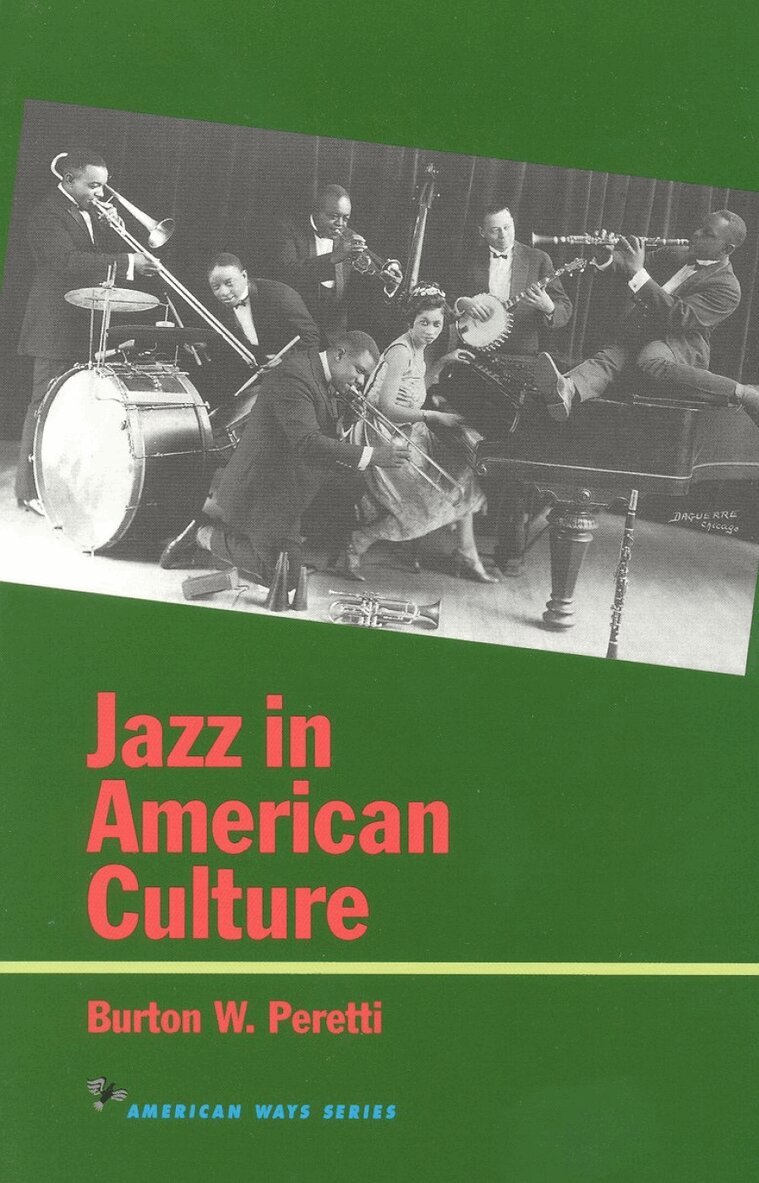
The first compact history of jazz to place it within broader context. With an eye on the music, the musicians, and the audience, Mr. Peretti traces the emergence of jazz and follows its progress to the present, showing how it has reflected shifting American values. Heartily recommended...accessible to a broad readership. —Library Journal. American Ways Series.