C. Eric Lincoln – författare
Visar alla böcker från författaren C. Eric Lincoln. Handla med fri frakt och snabb leverans.
8 produkter
8 produkter
Häftad, Engelska, 1985
288 kr
Skickas inom 3-6 vardagar
Häftad, Engelska, 1994
319 kr
Skickas inom 5-8 vardagar
Häftad, Engelska, 1999
224 kr
Skickas inom 5-8 vardagar
Häftad, Engelska, 1990
538 kr
Skickas inom 3-6 vardagar
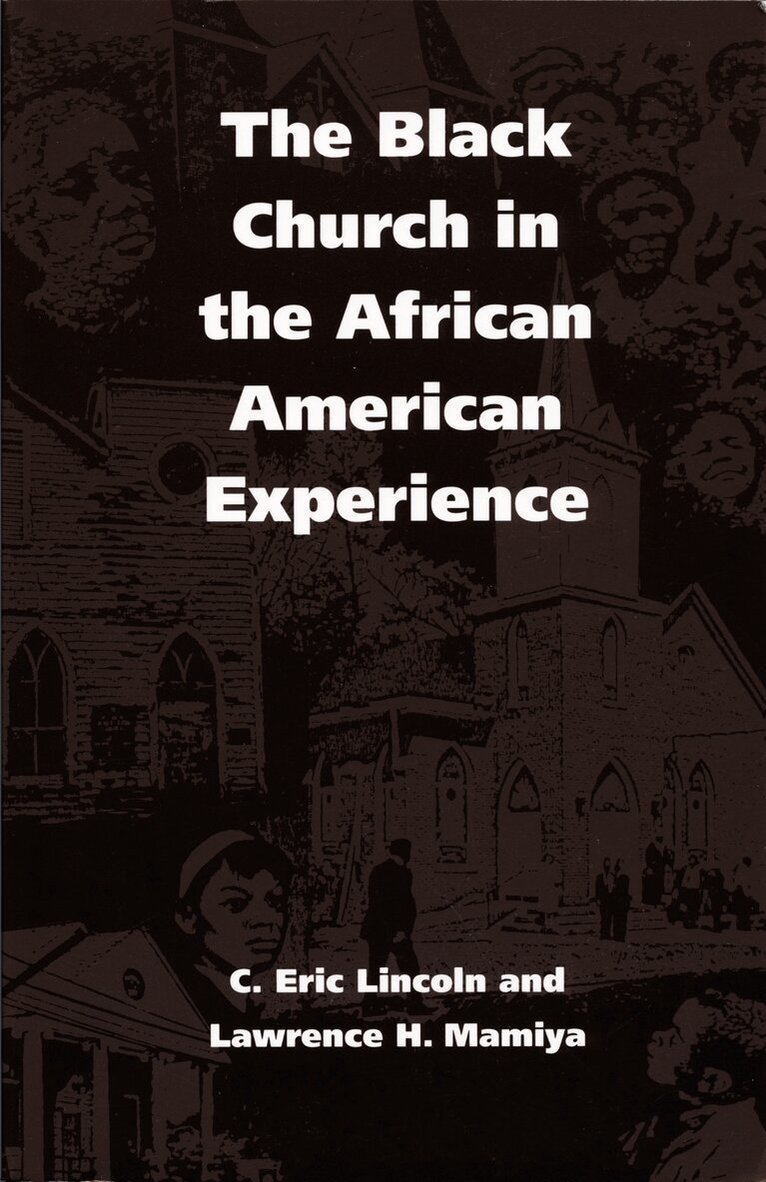
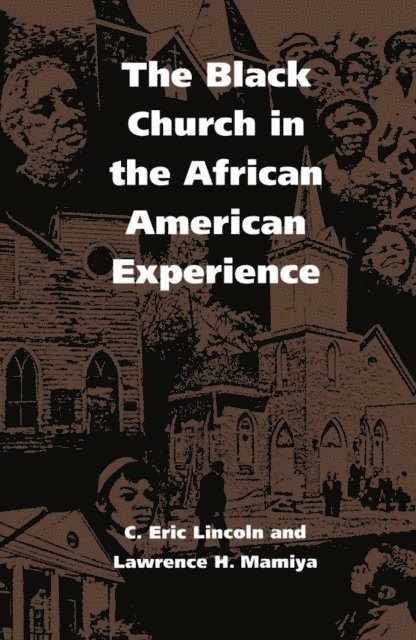
Black churches in America have long been recognized as the most independent, stable, and dominant institutions in black communities. In The Black Church in the African American Experience, based on a ten-year study, is the largest nongovernmental study of urban and rural churches ever undertaken and the first major field study on the subject since the 1930s.Drawing on interviews with more than 1,800 black clergy in both urban and rural settings, combined with a comprehensive historical overview of seven mainline black denominations, C. Eric Lincoln and Lawrence H. Mamiya present an analysis of the Black Church as it relates to the history of African Americans and to contemporary black culture. In examining both the internal structure of the Church and the reactions of the Church to external, societal changes, the authors provide important insights into the Church’s relationship to politics, economics, women, youth, and music.Among other topics, Lincoln and Mamiya discuss the attitude of the clergy toward women pastors, the reaction of the Church to the civil rights movement, the attempts of the Church to involve young people, the impact of the black consciousness movement and Black Liberation Theology and clergy, and trends that will define the Black Church well into the next century.This study is complete with a comprehensive bibliography of literature on the black experience in religion. Funding for the ten-year survey was made possible by the Lilly Endowment and the Ford Foundation.
Häftad, Engelska, 1996
634 kr
Skickas inom 3-6 vardagar
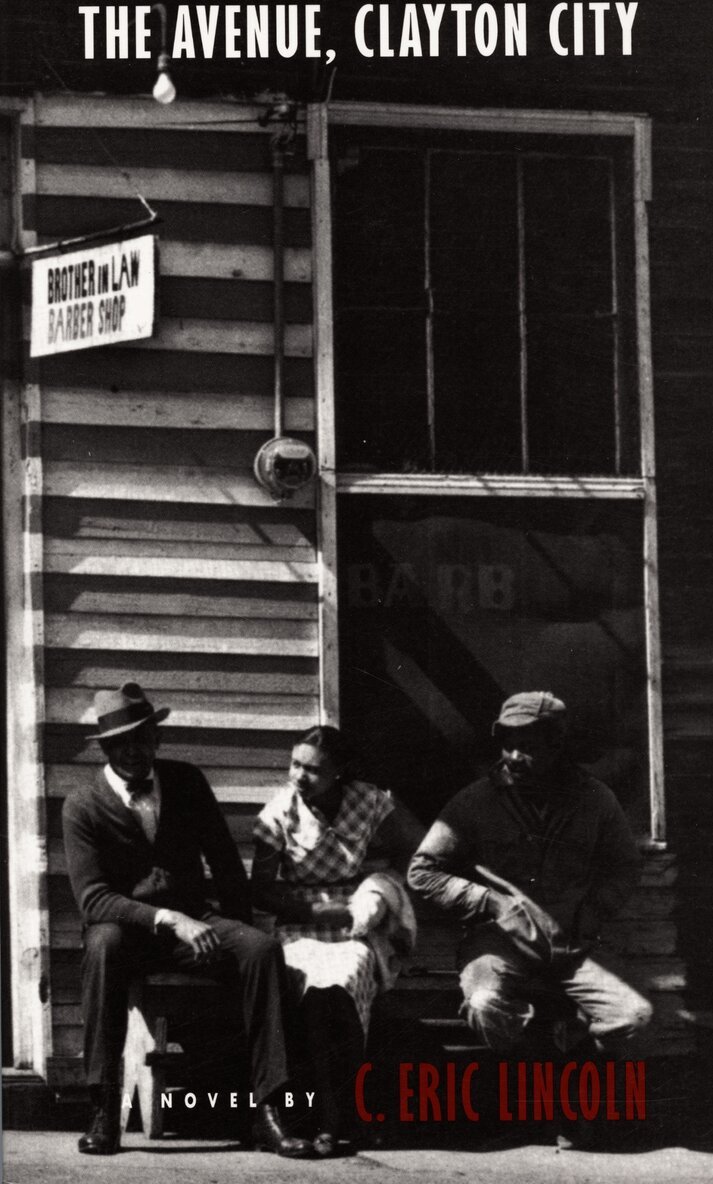
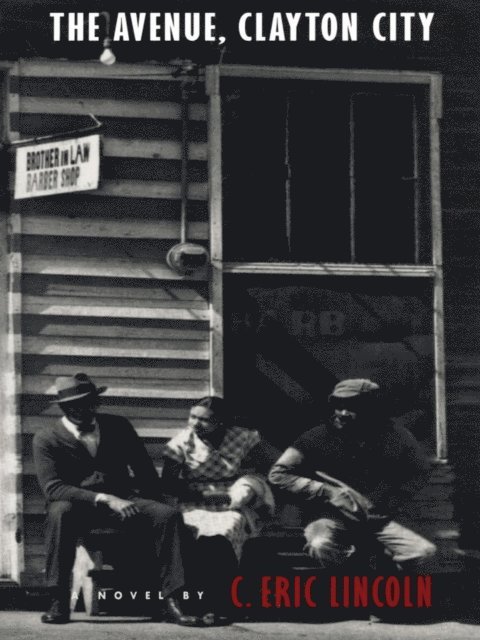
The Avenue in C. Eric Lincoln’s fictional town is the principal residential street of the black community in Clayton City, a prototypical southern town languishing between the two world wars. Unpaved and marked by ditches full of frogs, snakes, and empty whiskey bottles on one side of town, it is the same street, though with a different name, that originates downtown. Only when it reaches the black section of Clayton City do the paving stop and the trash-filled ditches begin. On one side, it provides a significant address for the white people who live there. On the other, despite its rundown air, it is still the best address available to the town’s black population. Some of them, in fact, are willing to go to any extreme, including murder, to get there. In this novel, originally published in 1988, Lincoln creates with deft skill the drama that rises from the lives of the people of Clayton City. In turn amusing, disgusting, enraging, wistful, and, as one hears the secrets hidden deep in their hearts, shocking, they exist in a place whose vibrant personality is itself a unique configuration of geography, relationships, patterns of behavior, and events. It is also a place whose unspoken and hidden power lies in its crushing compulsion to maintain itself as it already is-a power that forces everyone to succumb to an inflexible social order.

E-bok
PDF, Engelska, 1996839 kr
Läs direkt efter köp
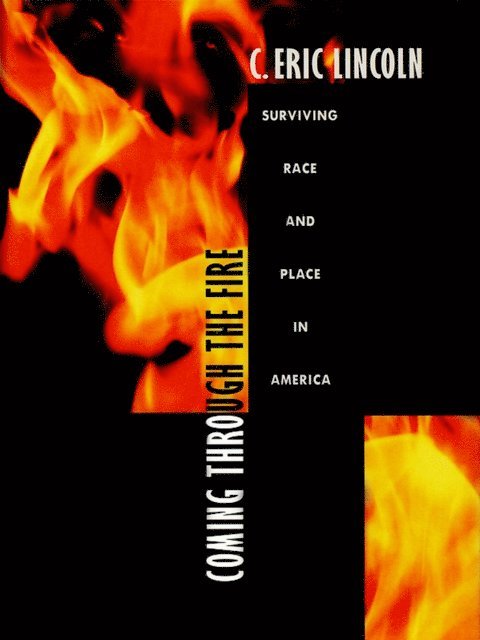
In Coming through the Fire, prominent scholar and writer C. Eric Lincoln addresses the most important issue of our time with insights forged by a lifetime of confronting racial oppression in America. Born in a small rural town in northern Alabama, raised by his grandparents, Lincoln portrays in rich detail the nuances of racial conflict and control that characterized the community of Athens, personal experiences which would lead him to dedicate his life to illuminating issues of race and social identity. The contradictions and calamities of being black and poor in the United States become a purifying fire for his searing analyses of the contemporary meanings of race and color.Coming through the Fire, with its fiercely intelligent, passionate, and clear-eyed view of race and class conflict, makes a major contribution to understanding—and thereby healing—the terrible rift that has opened up in the heart of America. Lincoln explores the nature of biracial relationships, the issue of transracial adoption, violence—particularly black-on-black violence—the “endangered” black male, racism as power, the relationship between Blacks and Jews, our multicultural melting pot, and Minister Louis Farrakhan.Without sidestepping painful issues, or sacrificing a righteous anger, the author argues for “no-fault reconciliation,” for mutual recognition of the human endowment we share regardless of race, preparing us as a nation for the true multiculture tomorrow will demand.Readers familiar with Lincoln’s earlier groundbreaking work on the Black Muslims and on the black church will be eagerly awaiting the publication of Coming through the Fire. Others will simply find C. Eric Lincoln’s personal story and his exploration of survival and race in America to be absorbing and compelling reading.
E-bok
PDF, Engelska, 1996636 kr
Läs direkt efter köp
The Avenue in C. Eric Lincoln’s fictional town is the principal residential street of the black community in Clayton City, a prototypical southern town languishing between the two world wars. Unpaved and marked by ditches full of frogs, snakes, and empty whiskey bottles on one side of town, it is the same street, though with a different name, that originates downtown. Only when it reaches the black section of Clayton City do the paving stop and the trash-filled ditches begin. On one side, it provides a significant address for the white people who live there. On the other, despite its rundown air, it is still the best address available to the town’s black population. Some of them, in fact, are willing to go to any extreme, including murder, to get there.In this novel, originally published in 1988, Lincoln creates with deft skill the drama that rises from the lives of the people of Clayton City. In turn amusing, disgusting, enraging, wistful, and, as one hears the secrets hidden deep in their hearts, shocking, they exist in a place whose vibrant personality is itself a unique configuration of geography, relationships, patterns of behavior, and events. It is also a place whose unspoken and hidden power lies in its crushing compulsion to maintain itself as it already is—a power that forces everyone to succumb to an inflexible social order.
E-bok
PDF, Engelska, 1990538 kr
Läs direkt efter köp
Black churches in America have long been recognized as the most independent, stable, and dominant institutions in black communities. In The Black Church in the African American Experience, based on a ten-year study, is the largest nongovernmental study of urban and rural churches ever undertaken and the first major field study on the subject since the 1930s.Drawing on interviews with more than 1,800 black clergy in both urban and rural settings, combined with a comprehensive historical overview of seven mainline black denominations, C. Eric Lincoln and Lawrence H. Mamiya present an analysis of the Black Church as it relates to the history of African Americans and to contemporary black culture. In examining both the internal structure of the Church and the reactions of the Church to external, societal changes, the authors provide important insights into the Church’s relationship to politics, economics, women, youth, and music.Among other topics, Lincoln and Mamiya discuss the attitude of the clergy toward women pastors, the reaction of the Church to the civil rights movement, the attempts of the Church to involve young people, the impact of the black consciousness movement and Black Liberation Theology and clergy, and trends that will define the Black Church well into the next century.This study is complete with a comprehensive bibliography of literature on the black experience in religion. Funding for the ten-year survey was made possible by the Lilly Endowment and the Ford Foundation.