C. Kenneth Waters – författare
Visar alla böcker från författaren C. Kenneth Waters. Handla med fri frakt och snabb leverans.
3 produkter
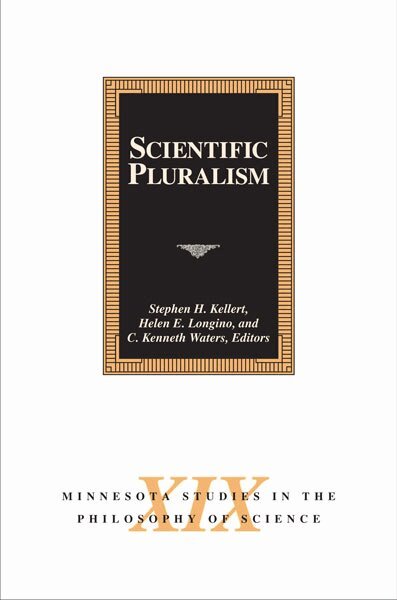
Scientific Pluralism
Av Stephen H. Kellert, Helen E. Longino m. fl.
Inbunden, 2006
572 kr
Lägg i varukorg
Scientific pluralism is an issue at the forefront of philosophy of science. This landmark work addresses the question, Can pluralism be advanced as a general, philosophical interpretation of science? Scientific Pluralism demonstrates the viability of the view that some phenomena require multiple …
Language of Nature
Reassessing the Mathematization of Natural Philosophy in the Seventeenth Century
Av Geoffrey Gorham, Benjamin Hill m. fl.
Häftad, 2016
409 kr
Lägg i varukorg
Galileo’s dictum that the book of nature “is written in the language of mathematics” is emblematic of the accepted view that the scientific revolution hinged on the conceptual and methodological integration of mathematics and natural philosophy. Although the mathematization of nature is a …
Julian Huxley
Biologist and Statesman of Science
Av Texas A&M University Press, C. Kenneth Waters m. fl.
Häftad, 2010
351 kr
Lägg i varukorg
A member of the distinguished British Huxley family, Julian Huxley (1887-1975) was a man of many talents and enormous energy. At the beginning of his career, he founded the biology department at Rice Institute, where he taught for three years before going on to achieve eminence as a biologist, …