C.A. Sharpe - Böcker
Visar alla böcker från författaren C.A. Sharpe. Handla med fri frakt och snabb leverans.
2 produkter
2 produkter
296 kr
Skickas inom 7-10 vardagar
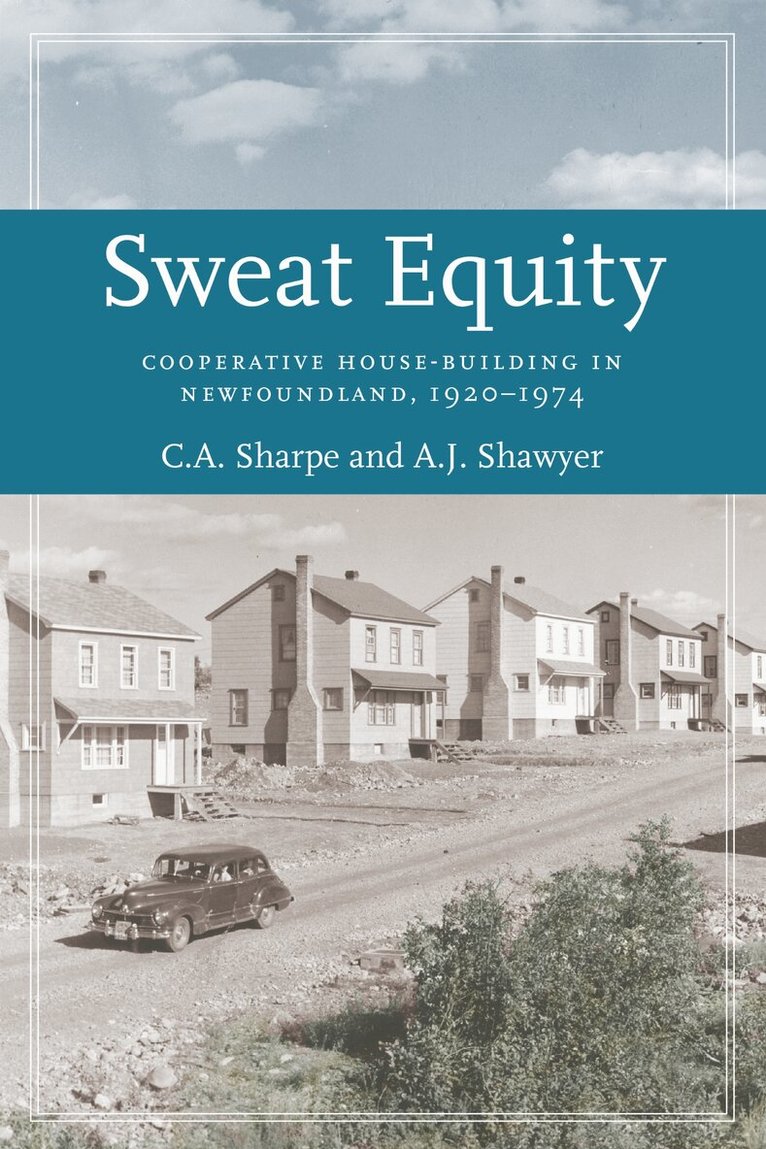
The lack of decent urban housing — a problem neither new nor unique to Newfoundland — was widely recognized during the twentieth century. After numerous piecemeal attempts to find a solution, a remarkable and successful government-supported "sweat equity" program was established in 1952, where homes were built cooperatively and, upon completion, became owner-occupied. This labor (about 2,000 hours per man) was accepted in lieu of a down payment. Tracing public policy during the Commission of Government and the early days of the Smallwood administration, and sourced from archival material and interviews with surviving members of the cooperatives, Sweat Equity outlines how people in Newfoundland tried to solve the housing shortage themselves by building more than 500 houses in the 1950s and 1960s. This critical monograph-length study — the first of its kind on the subject — is the story of how the Commission of Government and the then new provincial government recognized the desperate need for decent accommodation and what they did to provide it.
Corner Windows and Cul-de-Sacs
The Remarkable Story of Newfoundland's First Garden Suburb
Häftad, Engelska, 2021
296 kr
Skickas inom 7-10 vardagar
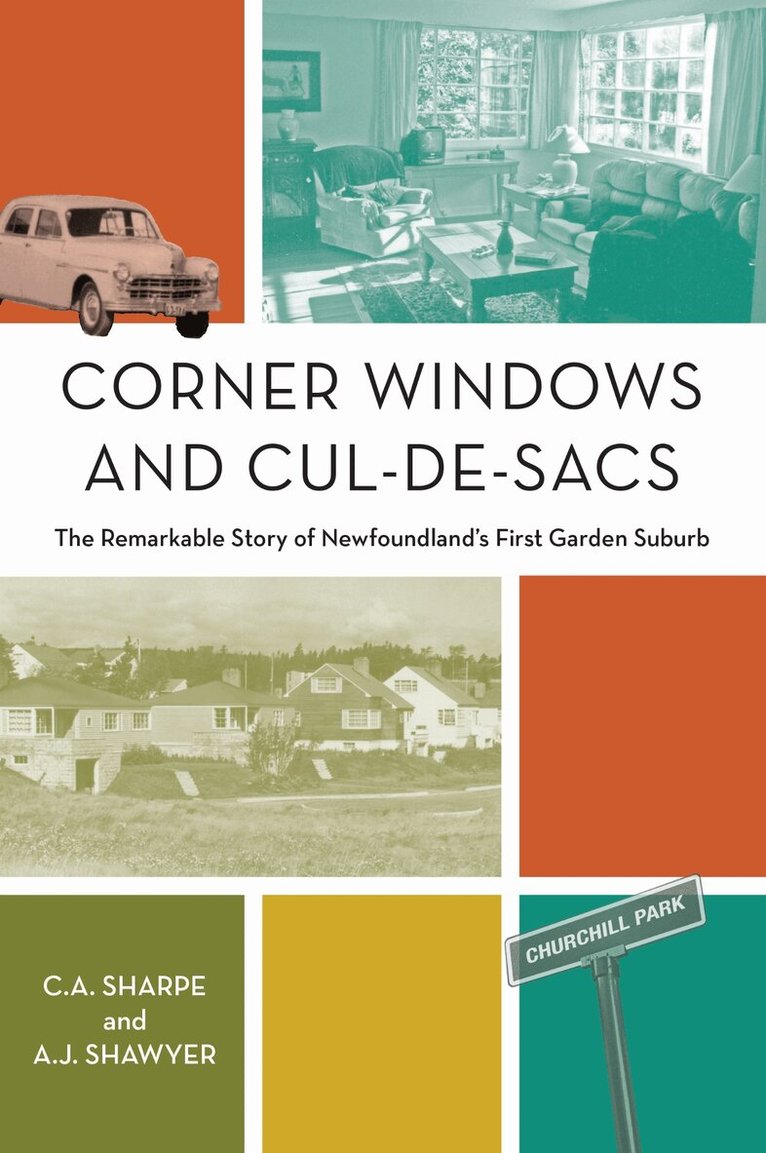
At a distance, Corner Windows and Cul-De-Sacs is a study of urban growth, planning, and household reform; up close, the study reveals a much more human story. In 1942, while Newfoundland was in an active war zone, the death rate in St. John's was higher than anywhere else in the colony. Overcrowded and dilapidated tenements, huddled on a maze of narrow lanes, fell prey to rampant tuberculosis, shockingly high infant mortality rates, and infectious disease. In 1944, under crippling debt, the St. John's Housing Corporation was formed, with a mandate to build a new garden suburb north of the city that would lead to the abandonment and demolition of the derelict housing. Churchill Park became the core of this residential development, and between 1945 and 1947 more than 200 houses and nearly 100 apartment units were constructed, laying the groundwork for the orderly post-war expansion of the city.