Calum Lister Matheson - Böcker
Visar alla böcker från författaren Calum Lister Matheson. Handla med fri frakt och snabb leverans.
5 produkter
5 produkter
516 kr
Skickas inom 7-10 vardagar
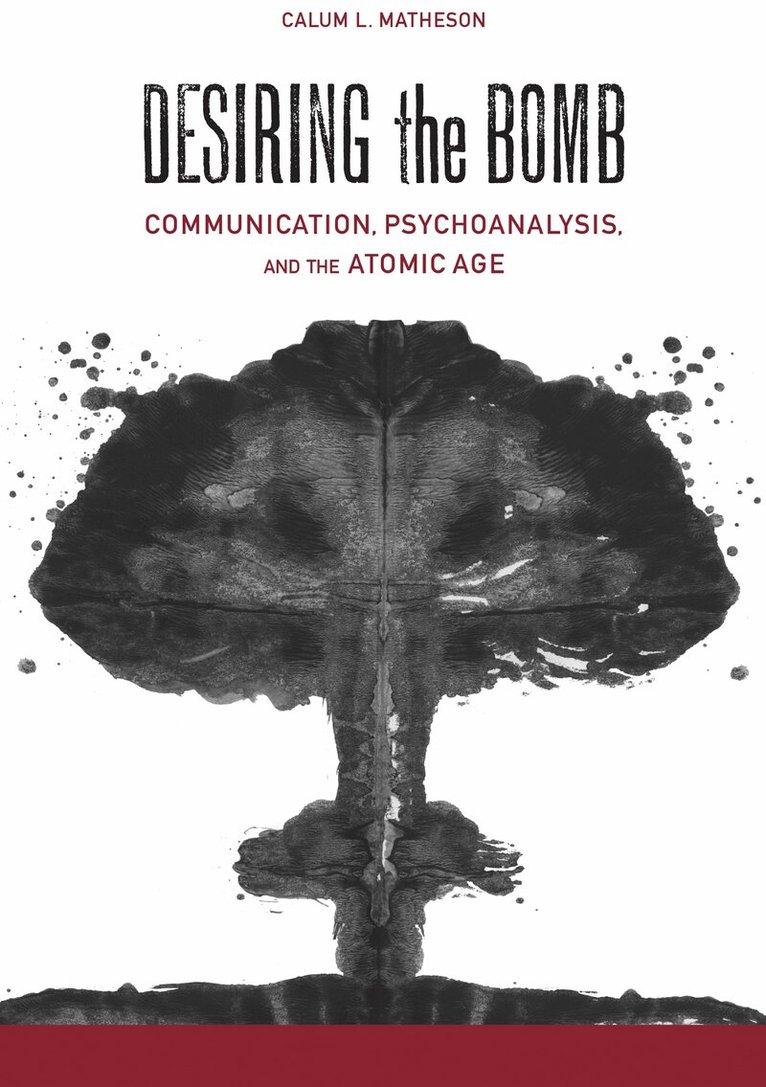
A timely interdisciplinary study that applies psychoanalysis and the rhetorical tradition of the sublime to examine the cultural aftermath of the Atomic Age.Every culture throughout history has obsessed over various “end of the world” scenarios. The dawn of the Atomic Age marked a new twist in this tale. For the first time, our species became aware of its capacity to deliberately destroy itself. Since that time the Bomb has served as an organizing metaphor, a symbol of human annihilation, a stand-in for the unspeakable void of extinction, and a discursive construct that challenges the limits of communication itself. The parallel fascination with and abhorrence of nuclear weapons has metastasized into a host of other end-of-the-world scenarios, from global pandemics and climate change to zombie uprisings and asteroid collisions.Desiring the Bomb: Communication, Psychoanalysis, and the Atomic Age explores these world-ending fantasies through the lens of psychoanalysis to reveal their implications for both contemporary apocalyptic culture and the operations of language itself. What accounts for the enduring power of the Bomb as a symbol? What does the prospect of annihilation suggest about language and its limits? Thoroughly researched and accessibly written, this study expands on the theories of Kenneth Burke, Jacques Lacan, Sigmund Freud, and many others from a variety of disciplines to arrive at some answers to these questions.Calum L. Matheson undertakes a series of case studies—including the Trinity test site, nuclear war games, urban shelter schemes, and contemporary survivalism—and argues that contending with the anxieties (individual, social, cultural, and political) born of the Atomic Age depends on rhetorical conceptions of the “real,” an order of experience that cannot be easily negotiated in language. Using aspects of media studies, rhetorical theory, and psychoanalysis, the author deftly engages the topics of Atomic Age survival, extinction, religion, and fantasy, along with their enduring cultural legacies, to develop an account of the Bomb as a signifier and to explore why some Americans have become fascinated with fantasies of nuclear warfare and narratives of postapocalyptic rebirth.
1 160 kr
Skickas inom 7-10 vardagar
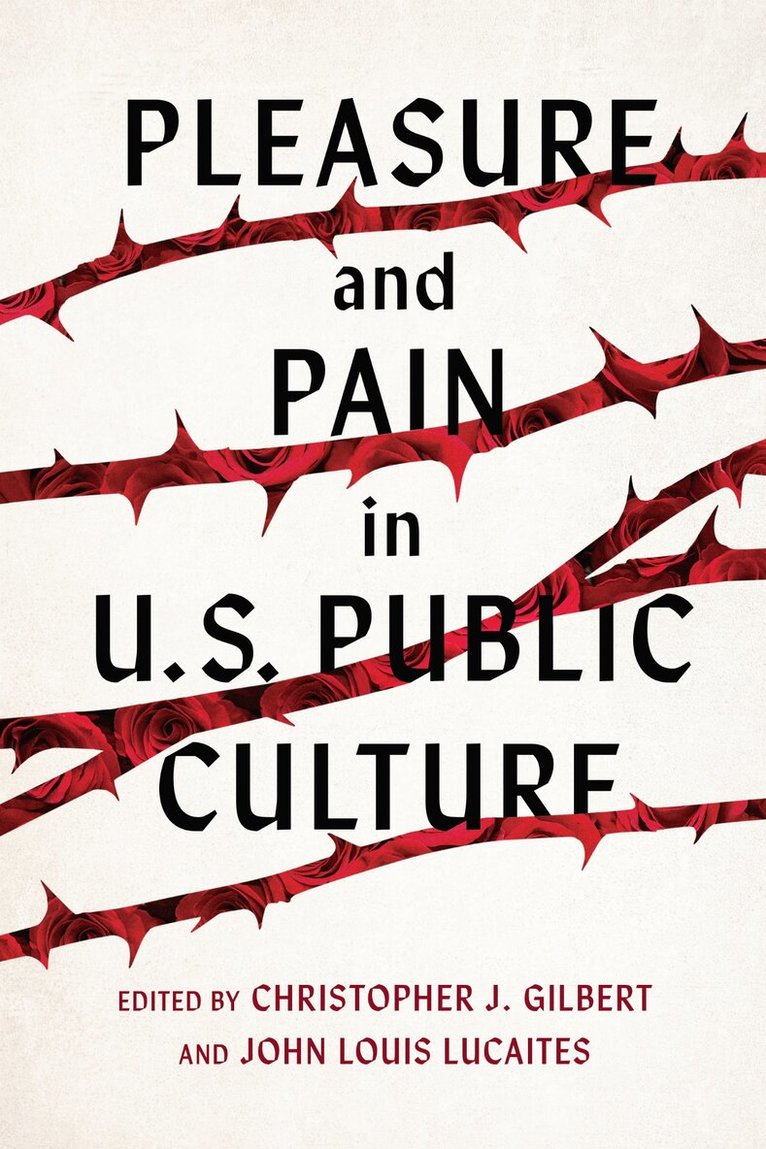
Unraveling the intricate dance of pleasure and pain in contemporary American cultureMainstream news and social media often highlight presentations of pain that invite a voyeuristic, pleasurable experience, whether the result of war, disasters, crime, accidents, or other catastrophes. This collection of essays explores pleasurable pains and painful pleasures, showing how they pervade contemporary western public culture.Deploying methodologies drawn from psychoanalysis, rhetoric and communication, political theory, and visual culture, Pleasure and Pain in US Public Culture offers insightful criticisms and theories about how pleasure and pain function in public discourse, media, and everyday communication practices.The contributors provide a sample of fascinating range of news reportage, television, film and cinema, stage drama, comic performances, street art, and other forms of popular culture. The media cited and analyzed include Spike Lee’s films, Afrofuturism, autoethnography, and the #MeToo movement.The collection takes up engrossing topics such as the cathartic allure of pain, ethical dilemmas surrounding public displays of suffering, and the transformative power of narratives that confront trauma. The essays also draw connections between theory and real-world outcomes, explore the implications of enjoying traumatic comedy, and link the natural world to otherwise mundane instances of interspecies violence. Brett Kavanaugh's Supreme Court nomination hearings and what they suggest about witnessing trauma is also discussed.Pleasure and Pain in US Public Culture will change how a reader sees the world. It imparts a startling vision of western culture permeated by pain and pleasure.
361 kr
Skickas inom 7-10 vardagar
Unraveling the intricate dance of pleasure and pain in contemporary American cultureMainstream news and social media often highlight presentations of pain that invite a voyeuristic, pleasurable experience, whether the result of war, disasters, crime, accidents, or other catastrophes. This collection of essays explores pleasurable pains and painful pleasures, showing how they pervade contemporary western public culture.Deploying methodologies drawn from psychoanalysis, rhetoric and communication, political theory, and visual culture, Pleasure and Pain in US Public Culture offers insightful criticisms and theories about how pleasure and pain function in public discourse, media, and everyday communication practices.The contributors provide a sample of fascinating range of news reportage, television, film and cinema, stage drama, comic performances, street art, and other forms of popular culture. The media cited and analyzed include Spike Lee’s films, Afrofuturism, autoethnography, and the #MeToo movement.The collection takes up engrossing topics such as the cathartic allure of pain, ethical dilemmas surrounding public displays of suffering, and the transformative power of narratives that confront trauma. The essays also draw connections between theory and real-world outcomes, explore the implications of enjoying traumatic comedy, and link the natural world to otherwise mundane instances of interspecies violence. Brett Kavanaugh's Supreme Court nomination hearings and what they suggest about witnessing trauma is also discussed.Pleasure and Pain in US Public Culture will change how a reader sees the world. It imparts a startling vision of western culture permeated by pain and pleasure.
334 kr
Skickas inom 7-10 vardagar
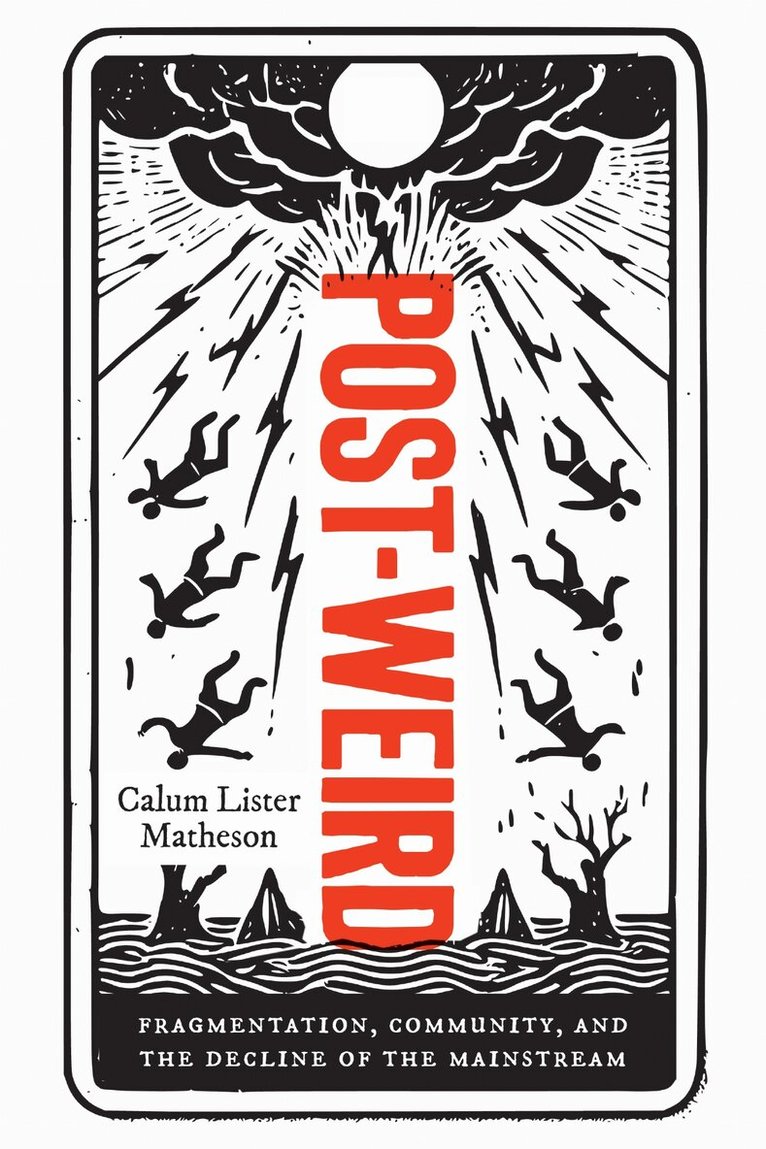
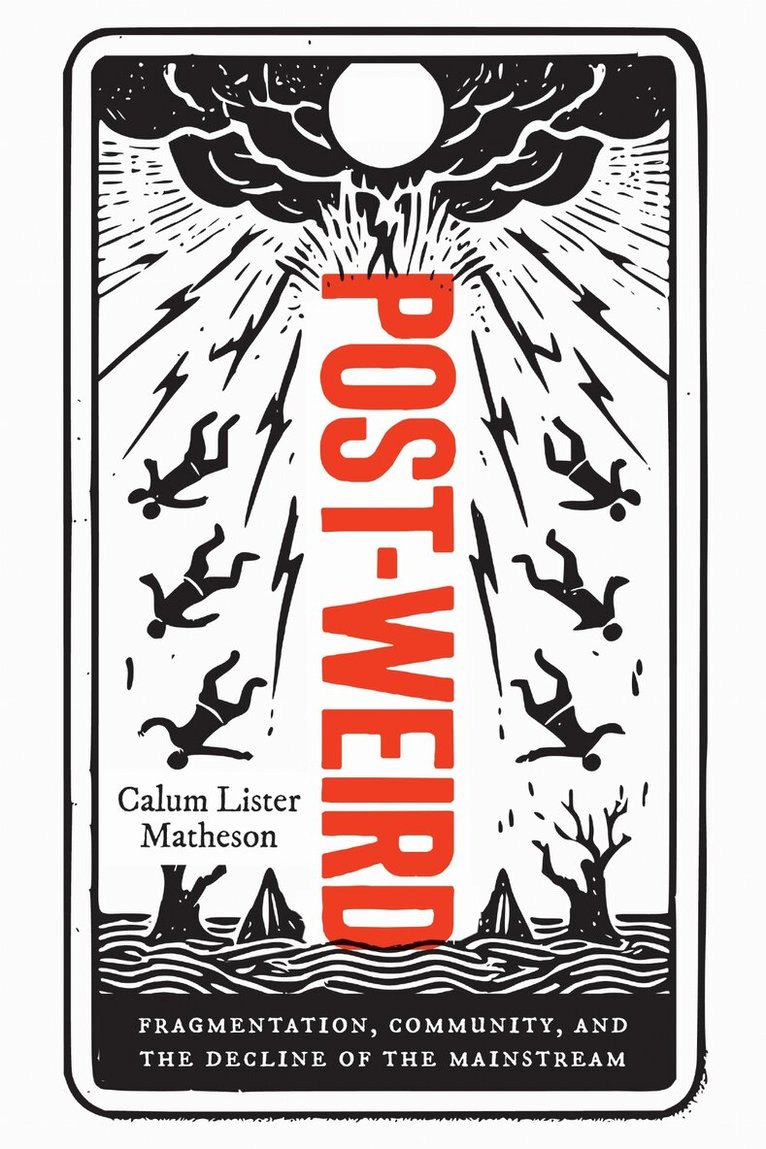
An ambitious look at rhetoric and psychosis that explores how communities form when society collapsesAmerican society seems to have fractured. Common touchpoints of authority have receded in recent decades and beliefs that were once taboo are now openly shared, from neo-Nazism to occultism to conspiracy thinking. In this book, Calum Lister Matheson goes beyond the fraying of contemporary American culture to ask how splinter communities form in our current media environment, what keeps them together, and what they build from the ruins of shared language.In his stirring exploration of how people communicate when old forms of authority and meaning collapse, Matheson examines far-flung groups that have departed the mainstream—Sandy Hook deniers, Appalachian serpent handlers, pro-anorexia bloggers, incels, transvestigators, pseudoscientific reactionaries, and more—and finds unexpected similarities among their many differences. Key among their parallels is the insistence that the symbols shared by each community represent a hidden truth that cannot be questioned or interpreted but is revealed through signs—words, images, videos, and texts. By documenting American fringe cultures, extremism, and the social functions of language, this book rethinks concepts like irony, psychosis, propriety, and what it means to be normal in weird times.
1 264 kr
Skickas inom 7-10 vardagar
An ambitious look at rhetoric and psychosis that explores how communities form when society collapsesAmerican society seems to have fractured. Common touchpoints of authority have receded in recent decades and beliefs that were once taboo are now openly shared, from neo-Nazism to occultism to conspiracy thinking. In this book, Calum Lister Matheson goes beyond the fraying of contemporary American culture to ask how splinter communities form in our current media environment, what keeps them together, and what they build from the ruins of shared language.In his stirring exploration of how people communicate when old forms of authority and meaning collapse, Matheson examines far-flung groups that have departed the mainstream—Sandy Hook deniers, Appalachian serpent handlers, pro-anorexia bloggers, incels, transvestigators, pseudoscientific reactionaries, and more—and finds unexpected similarities among their many differences. Key among their parallels is the insistence that the symbols shared by each community represent a hidden truth that cannot be questioned or interpreted but is revealed through signs—words, images, videos, and texts. By documenting American fringe cultures, extremism, and the social functions of language, this book rethinks concepts like irony, psychosis, propriety, and what it means to be normal in weird times.