Cameron Logan – författare
Visar alla böcker från författaren Cameron Logan. Handla med fri frakt och snabb leverans.
4 produkter
4 produkter
525 kr
Skickas inom 10-15 vardagar
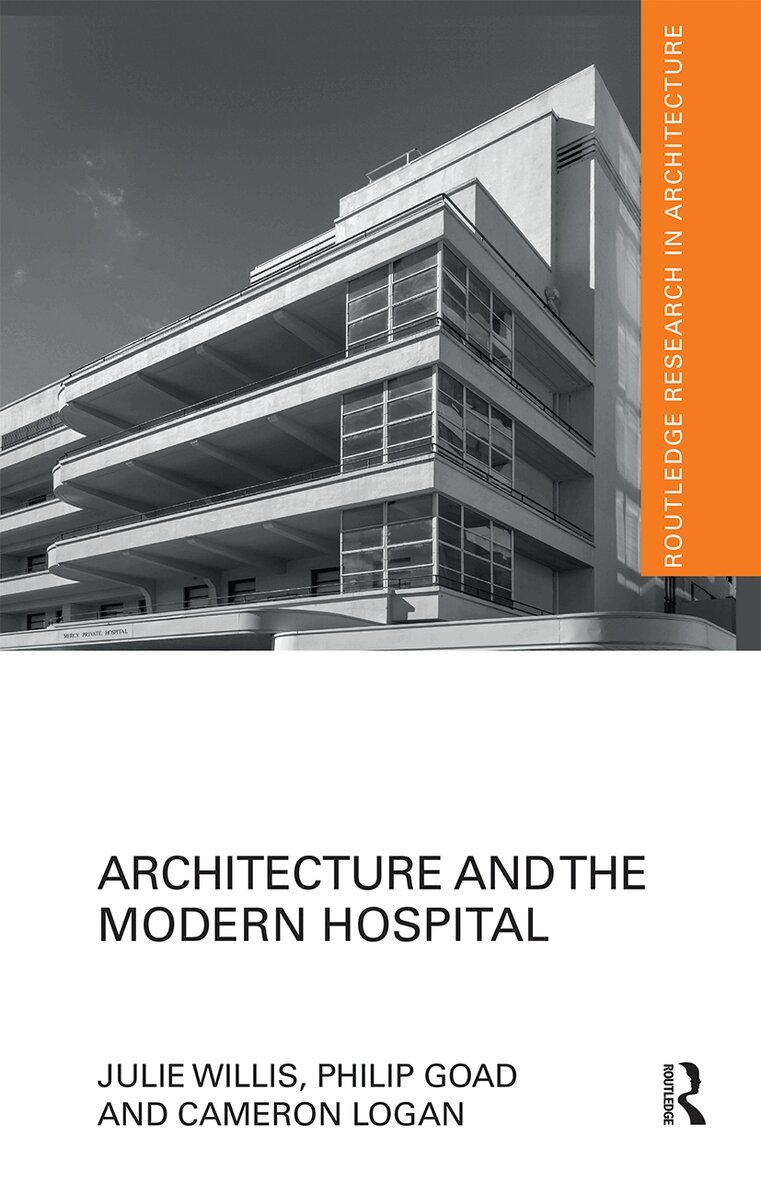
More than any other building type in the twentieth century, the hospital was connected to transformations in the health of populations and expectations of lifespan. From the scale of public health to the level of the individual, the architecture of the modern hospital has reshaped knowledge about health and disease and perceptions of bodily integrity and security. However, the rich and genuinely global architectural history of these hospitals is poorly understood and largely forgotten.This book explores the rapid evolution of hospital design in the twentieth century, analysing the ways in which architects and other specialists reimagined the modern hospital. It examines how the vast expansion of medical institutions over the course of the century was enabled by new approaches to architectural design and it highlights the emerging political conviction that physical health would become the cornerstone of human welfare.
2 176 kr
Skickas inom 10-15 vardagar
More than any other building type in the twentieth century, the hospital was connected to transformations in the health of populations and expectations of lifespan. From the scale of public health to the level of the individual, the architecture of the modern hospital has reshaped knowledge about health and disease and perceptions of bodily integrity and security. However, the rich and genuinely global architectural history of these hospitals is poorly understood and largely forgotten.This book explores the rapid evolution of hospital design in the twentieth century, analysing the ways in which architects and other specialists reimagined the modern hospital. It examines how the vast expansion of medical institutions over the course of the century was enabled by new approaches to architectural design and it highlights the emerging political conviction that physical health would become the cornerstone of human welfare.
1 205 kr
Skickas inom 10-15 vardagar
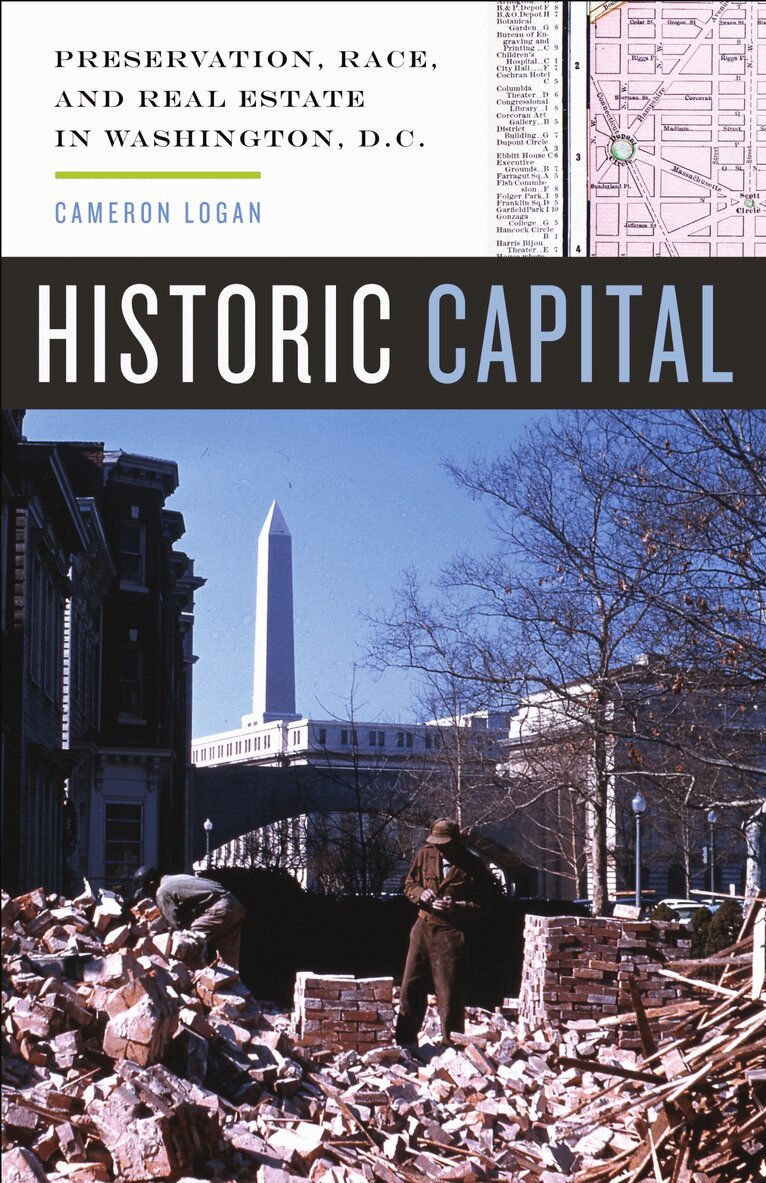
Washington, D.C. has long been known as a frustrating and sometimes confusing city for its residents to call home. The monumental core of federal office buildings, museums, and the National Mall dominates the citys surrounding neighborhoods and urban fabric. For much of the postwar era, Washingtonians battled to make the city their own, fighting the federal government over the basic question of home rule, the right of the citys residents to govern their local affairs. In Historic Capital, urban historian Cameron Logan examines how the historic preservation movement played an integral role in Washingtonians claiming the city as their own. Going back to the earliest days of the local historic preservation movement in the 1920s, Logan shows how Washington, D.C.s historic buildings and neighborhoods have been a site of contestation between local interests and the expansion of the federal governments footprint. He carefully analyzes the long history of fights over the right to name and define historic districts in Georgetown, Dupont Circle, and Capitol Hill and documents a series of high-profile conflicts surrounding the fate of Lafayette Square, Rhodes Tavern, and Capitol Park, SW before discussing D.C. today. Diving deep into the racial fault lines of D.C., Historic Capital also explores how the historic preservation movement affected poor and African American residents in Anacostia and the U Street and Shaw neighborhoods and changed the social and cultural fabric of the nations capital. Broadening his inquiry to the United States as a whole, Logan ultimately makes the provocative and compelling case that historic preservation has had as great an impact on the physical fabric of U.S. cities as any other private or public sector initiative in the twentieth century.
296 kr
Skickas inom 10-15 vardagar
Washington, D.C. has long been known as a frustrating and sometimes confusing city for its residents to call home. The monumental core of federal office buildings, museums, and the National Mall dominates the citys surrounding neighborhoods and urban fabric. For much of the postwar era, Washingtonians battled to make the city their own, fighting the federal government over the basic question of home rule, the right of the citys residents to govern their local affairs. In Historic Capital, urban historian Cameron Logan examines how the historic preservation movement played an integral role in Washingtonians claiming the city as their own. Going back to the earliest days of the local historic preservation movement in the 1920s, Logan shows how Washington, D.C.s historic buildings and neighborhoods have been a site of contestation between local interests and the expansion of the federal governments footprint. He carefully analyzes the long history of fights over the right to name and define historic districts in Georgetown, Dupont Circle, and Capitol Hill and documents a series of high-profile conflicts surrounding the fate of Lafayette Square, Rhodes Tavern, and Capitol Park, SW before discussing D.C. today. Diving deep into the racial fault lines of D.C., Historic Capital also explores how the historic preservation movement affected poor and African American residents in Anacostia and the U Street and Shaw neighborhoods and changed the social and cultural fabric of the nations capital. Broadening his inquiry to the United States as a whole, Logan ultimately makes the provocative and compelling case that historic preservation has had as great an impact on the physical fabric of U.S. cities as any other private or public sector initiative in the twentieth century.