Candis Callison - Böcker
Visar alla böcker från författaren Candis Callison. Handla med fri frakt och snabb leverans.
4 produkter
4 produkter
1 252 kr
Skickas inom 5-8 vardagar
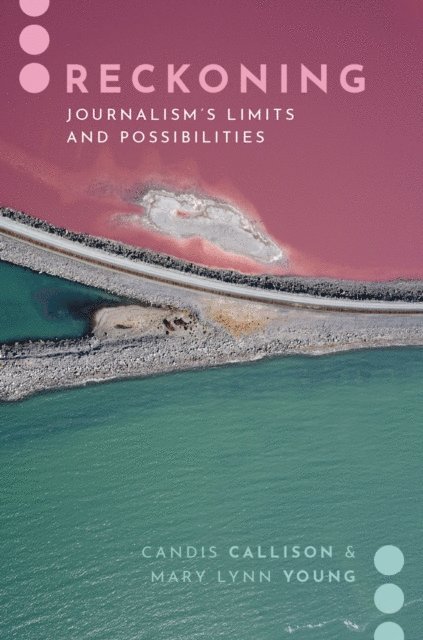
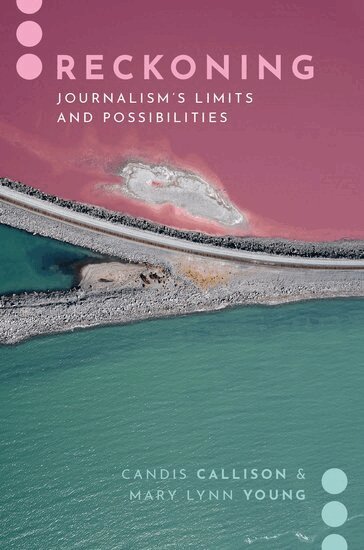
How do journalists know what they know? Who gets to decide what good journalism is and when it's done right? What sort of expertise do journalists have, and what role should and do they play in society? Until a couple of decades ago, journalists rarely asked these questions, largely because the answers were generally undisputed. Now, the stakes are rising for journalists as they face real-time critique and audience pushback for their ethics, news reporting, and relevance. Yet the crises facing journalism have been narrowly defined as the result of disruption by new technologies and economic decline. This book argues that the concerns are in fact much more profound.Drawing on their five years of research with journalists in the U.S. and Canada, in a variety of news organizations from startups and freelancers to mainstream media, the authors find a digital reckoning taking place regarding journalism's founding ideals and methods. The book explores journalism's long-standing representational harms, arguing that despite thoughtful explorations of the role of publics in journalism, the profession hasn't adequately addressed matters of gender, race, intersectionality, and settler colonialism. In doing so, the authors rethink the basis for what journalism says it could and should do, suggesting that a turn to strong objectivity and systems journalism provides a path forward. They offer insights from journalists' own experiences and efforts at repair, reform, and transformation to consider how journalism can address its limits and possibilities along with widening media publics.
325 kr
Skickas inom 5-8 vardagar
How do journalists know what they know? Who gets to decide what good journalism is and when it's done right? What sort of expertise do journalists have, and what role should and do they play in society? Until a couple of decades ago, journalists rarely asked these questions, largely because the answers were generally undisputed. Now, the stakes are rising for journalists as they face real-time critique and audience pushback for their ethics, news reporting, and relevance. Yet the crises facing journalism have been narrowly defined as the result of disruption by new technologies and economic decline. This book argues that the concerns are in fact much more profound.Drawing on their five years of research with journalists in the U.S. and Canada, in a variety of news organizations from startups and freelancers to mainstream media, the authors find a digital reckoning taking place regarding journalism's founding ideals and methods. The book explores journalism's long-standing representational harms, arguing that despite thoughtful explorations of the role of publics in journalism, the profession hasn't adequately addressed matters of gender, race, intersectionality, and settler colonialism. In doing so, the authors rethink the basis for what journalism says it could and should do, suggesting that a turn to strong objectivity and systems journalism provides a path forward. They offer insights from journalists' own experiences and efforts at repair, reform, and transformation to consider how journalism can address its limits and possibilities along with widening media publics.
1 132 kr
Skickas inom 7-10 vardagar
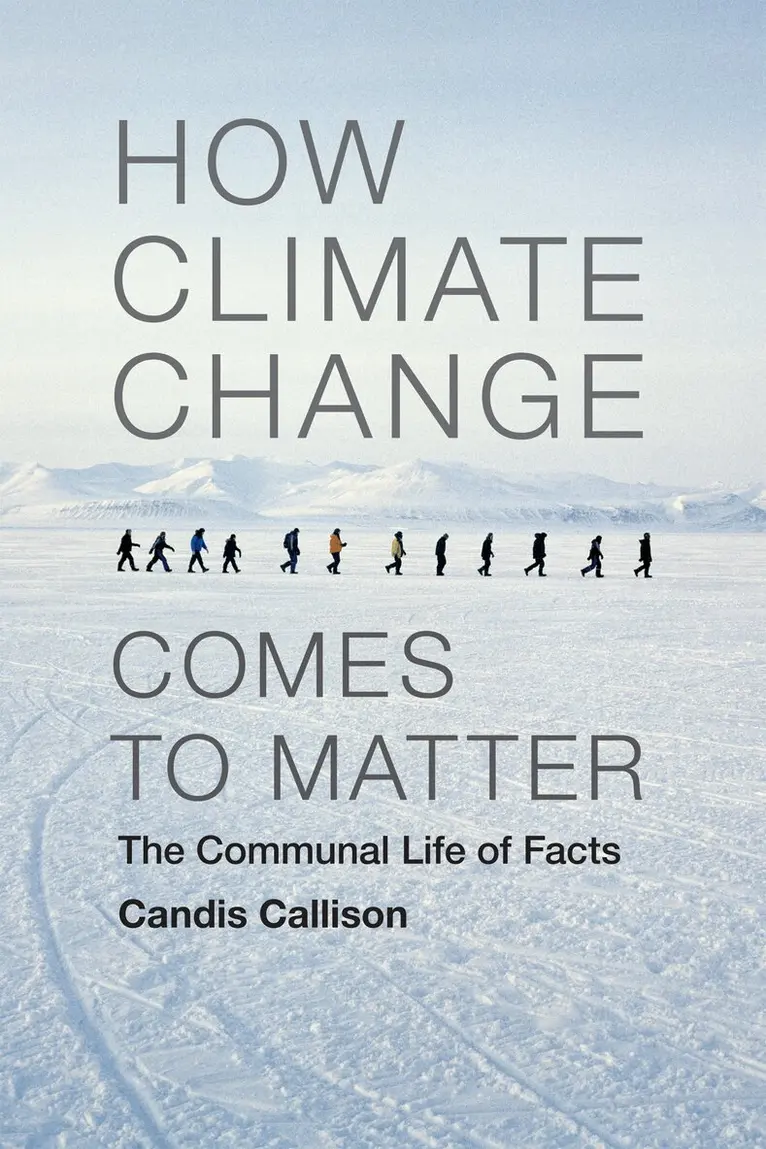
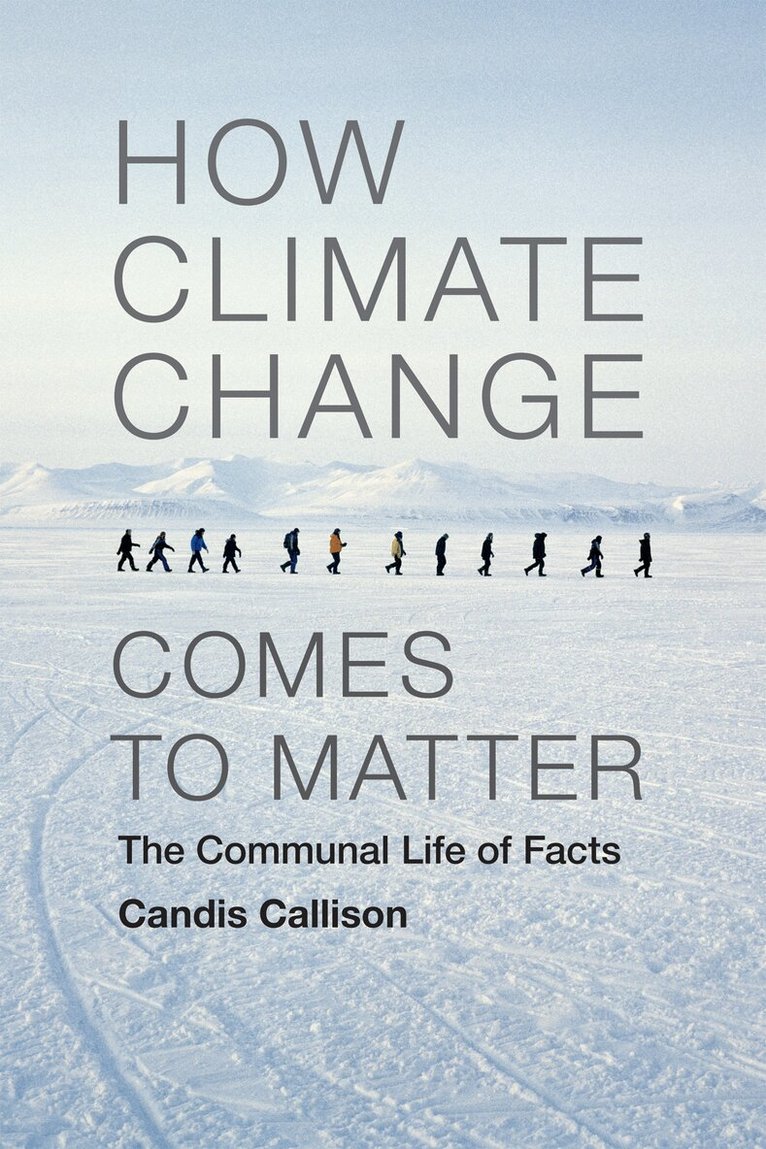
During the past decade, skepticism about climate change has frustrated those seeking to engage broad publics and motivate them to take action on the issue. In this innovative ethnography, Candis Callison examines the initiatives of social and professional groups as they encourage diverse American publics to care about climate change. She explores the efforts of science journalists, scientists who have become expert voices for and about climate change, American evangelicals, Indigenous leaders, and advocates for corporate social responsibility.The disparate efforts of these groups illuminate the challenge of maintaining fidelity to scientific facts while transforming them into ethical and moral calls to action. Callison investigates the different vernaculars through which we understand and articulate our worlds, as well as the nuanced and pluralistic understandings of climate change evident in different forms of advocacy. As she demonstrates, climate change offers an opportunity to look deeply at how issues and problems that begin in a scientific context come to matter to wide publics, and to rethink emerging interactions among different kinds of knowledge and experience, evolving media landscapes, and claims to authority and expertise.
289 kr
Skickas inom 7-10 vardagar
During the past decade, skepticism about climate change has frustrated those seeking to engage broad publics and motivate them to take action on the issue. In this innovative ethnography, Candis Callison examines the initiatives of social and professional groups as they encourage diverse American publics to care about climate change. She explores the efforts of science journalists, scientists who have become expert voices for and about climate change, American evangelicals, Indigenous leaders, and advocates for corporate social responsibility.The disparate efforts of these groups illuminate the challenge of maintaining fidelity to scientific facts while transforming them into ethical and moral calls to action. Callison investigates the different vernaculars through which we understand and articulate our worlds, as well as the nuanced and pluralistic understandings of climate change evident in different forms of advocacy. As she demonstrates, climate change offers an opportunity to look deeply at how issues and problems that begin in a scientific context come to matter to wide publics, and to rethink emerging interactions among different kinds of knowledge and experience, evolving media landscapes, and claims to authority and expertise.