Inbunden, Engelska, 2020
1 943 kr
Skickas inom 5-8 vardagar
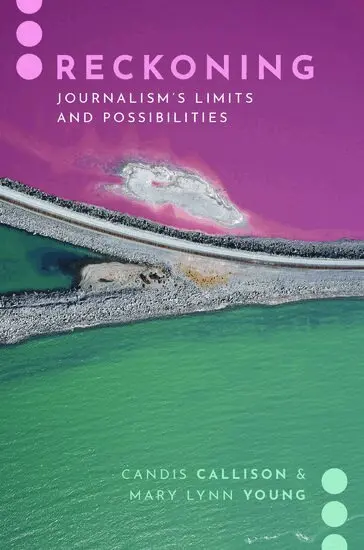
How do journalists know what they know? Who gets to decide what good journalism is and when it's done right? What sort of expertise do journalists have, and what role should and do they play in society? Until a couple of decades ago, journalists rarely asked these questions, largely because the answers were generally undisputed. Now, the stakes are rising for journalists as they face real-time critique and audience pushback for their ethics, news reporting, and relevance. Yet the crises facing journalism have been narrowly defined as the result of disruption by new technologies and economic decline. This book argues that the concerns are in fact much more profound.Drawing on their five years of research with journalists in the U.S. and Canada, in a variety of news organizations from startups and freelancers to mainstream media, the authors find a digital reckoning taking place regarding journalism's founding ideals and methods. The book explores journalism's long-standing representational harms, arguing that despite thoughtful explorations of the role of publics in journalism, the profession hasn't adequately addressed matters of gender, race, intersectionality, and settler colonialism. In doing so, the authors rethink the basis for what journalism says it could and should do, suggesting that a turn to strong objectivity and systems journalism provides a path forward. They offer insights from journalists' own experiences and efforts at repair, reform, and transformation to consider how journalism can address its limits and possibilities along with widening media publics.