Carl P. Eby – författare
Visar alla böcker från författaren Carl P. Eby. Handla med fri frakt och snabb leverans.
7 produkter
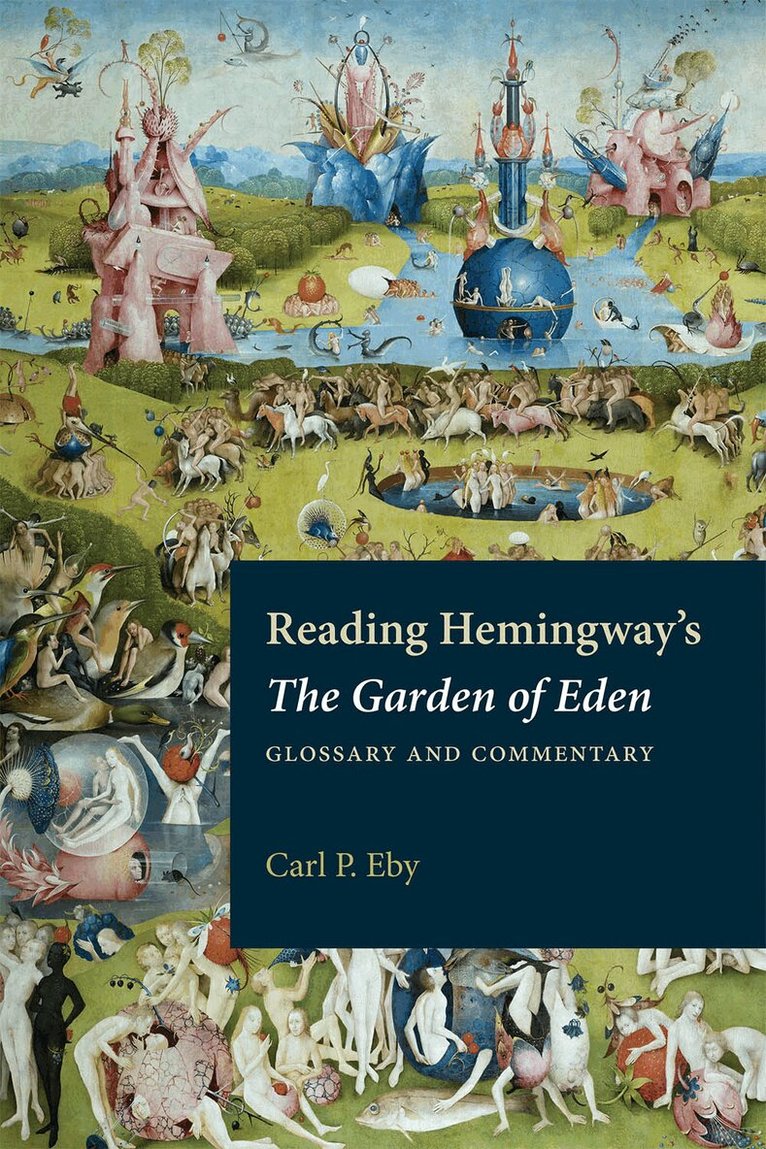
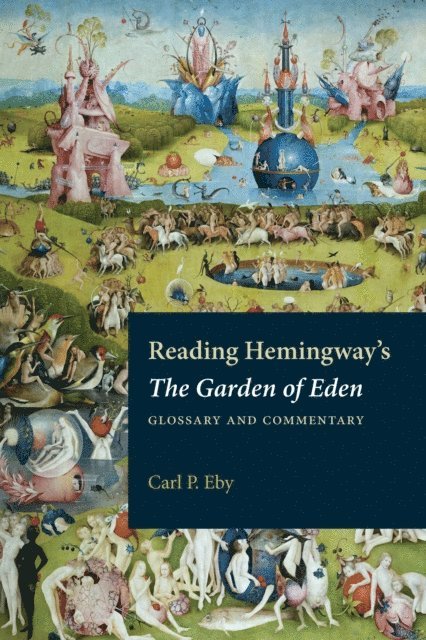
Reading Hemingway's the Garden of Eden
Glossary and Commentary
Av Carl P. Eby
Häftad, 2023
541 kr
Lägg i varukorg
Close reading and analysis of Hemingway's most ambitious posthumous novel Published in 1986, Ernest Hemingway's novel The Garden of Eden is a literary landmark. Hemingway periodically worked on the novel from 1946 until his death in 1961, and the result is a complex novel that explores the origins …
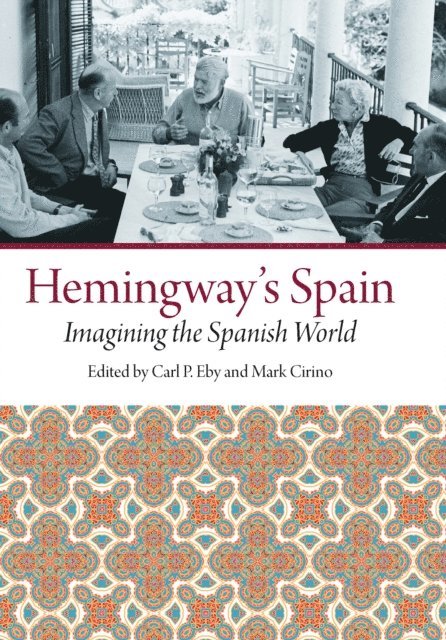
Hemingway's Spain
Imagining the Spanish World
Av Carl P. Eby
E-bok, 2016
566 kr
Lägg i varukorg
Ernest Hemingway famously called Spain “the country that I loved more than any other except my own,” and his forty-year love affair with it provided an inspiration and setting for major works from each decade of his career: The Sun Also Rises, Death in the Afternoon, For Whom the Bell Tolls, The …
Hemingway's Spain
Imagining the Spanish World
Av Carl P. Eby
E-bok, 2016
566 kr
Lägg i varukorg
Ernest Hemingway famously called Spain “the country that I loved more than any other except my own,” and his forty-year love affair with it provided an inspiration and setting for major works from each decade of his career: The Sun Also Rises, Death in the Afternoon, For Whom the Bell Tolls, The …
Reading Hemingway's The Garden of Eden
Glossary and Commentary
Av Carl P. Eby
E-bok, 2023
564 kr
Lägg i varukorg
Close reading and analysis of Hemingway’s most ambitious posthumous novel Published in 1986, Ernest Hemingway’s novel The Garden of Eden is a literary landmark. Hemingway periodically worked on the novel from 1946 until his death in 1961, and the result is a complex novel that explores the origins …
Reading Hemingway's The Garden of Eden
Glossary and Commentary
Av Carl P. Eby
E-bok, 2023
564 kr
Lägg i varukorg
Close reading and analysis of Hemingway’s most ambitious posthumous novel Published in 1986, Ernest Hemingway’s novel The Garden of Eden is a literary landmark. Hemingway periodically worked on the novel from 1946 until his death in 1961, and the result is a complex novel that explores the origins …
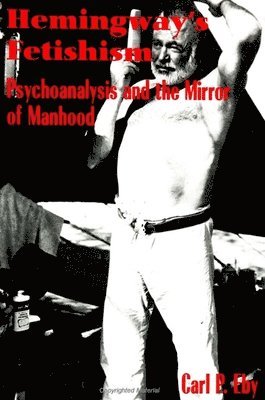
Hemingway's Fetishism
Psychoanalysis and the Mirror of Manhood
Av Carl P. Eby
Inbunden, 1998
1250 kr
Tillfälligt slut
Demonstrates in painstaking detail and with reference to stunning new archival evidence how fetishism was crucial to the construction and negotiation of identity and gender in Hemingway's life and fiction.In Hemingway's Fetishism, Carl Eby demonstrates in painstaking detail and with stunning new …
Hemingway's Fetishism
Psychoanalysis and the Mirror of Manhood
Av Carl P. Eby
Häftad, 1998
486 kr
Tillfälligt slut
Demonstrates in painstaking detail and with reference to stunning new archival evidence how fetishism was crucial to the construction and negotiation of identity and gender in Hemingway's life and fiction.In Hemingway's Fetishism, Carl Eby demonstrates in painstaking detail and with stunning new …