Carl S. Hughes - Böcker
Visar alla böcker från författaren Carl S. Hughes. Handla med fri frakt och snabb leverans.
2 produkter
2 produkter
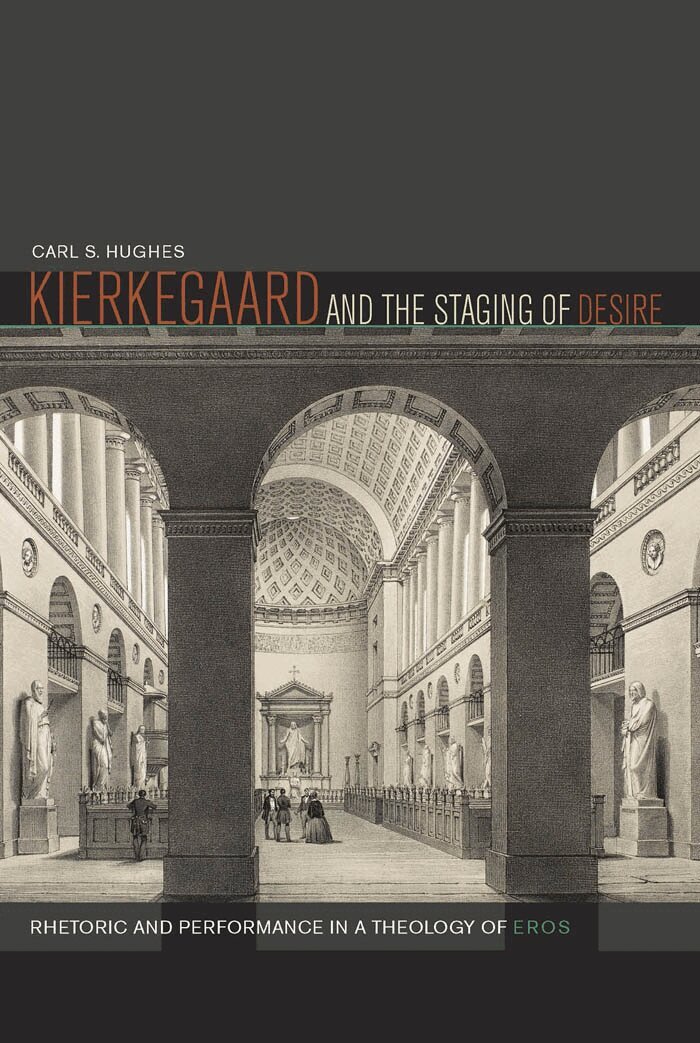
Kierkegaard and the Staging of Desire
Rhetoric and Performance in a Theology of Eros
Inbunden, Engelska, 2014
586 kr
Skickas inom 7-10 vardagar
Theology in the modern era often assumes that the consummate form of theological discourse is objective prose—ignoring or condemning apophatic traditions and the spiritual eros that drives them. For too long, Kierkegaard has been read along these lines as a progenitor of twentieth-century neo-orthodoxy and a stern critic of the erotic in all its forms. In contrast, Hughes argues that Kierkegaard envisions faith fundamentally as a form of infinite, insatiable eros. He depicts the essential purpose of Kierkegaard's writing as to elicit ever-greater spiritual desire, not to provide the satisfactions of doctrine or knowledge.Hughes's argument revolves around close readings of provocative, disparate, and (in many cases) little-known Kierkegaardian texts. The thread connecting all of these texts is that they each conjure up some sort of performative "stage setting," which they invite readers to enter. By analyzing the theological function of these texts, the book sheds new light on the role of the aesthetic in Kierkegaard's authorship, his surprising affinity for liturgy and sacrament, and his overarching effort to conjoin eros for God with this-worldly love.
1 142 kr
Skickas inom 10-15 vardagar
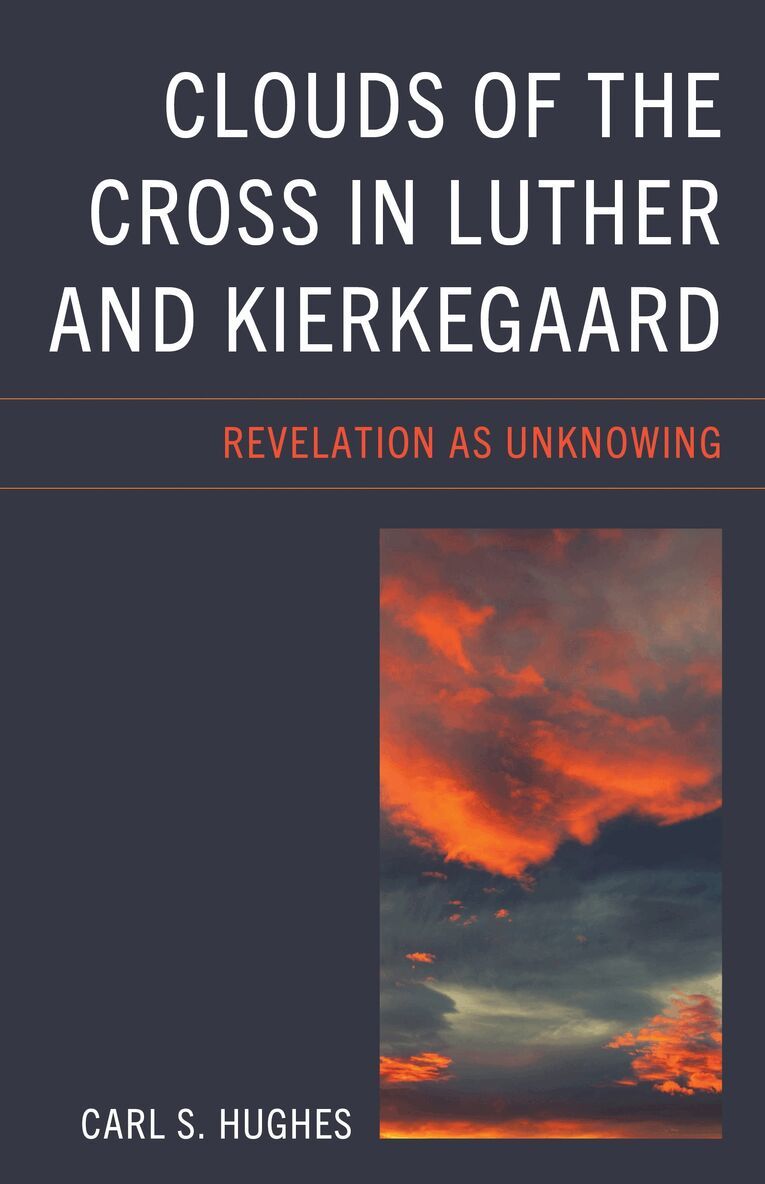
What do Christians mean when they talk about revelation? What sort of truth do Jesus and the Bible disclose? Knowledge or doctrine, required beliefs or a moral code, the answers Christians give to these questions tend to be objective in form: something they “have” that others lack. In Clouds of the Cross in Luther and Kierkegaard: Revelation as Unknowing, Carl S. Hughes draws on Martin Luther and Søren Kierkegaard—two of the most Christocentric and biblically oriented theologians in history—to suggest a much-needed alternative. Hughes blends historical, philosophical, and constructive approaches to theology in lively and engaging prose. He spotlights the objectifying tendencies in Luther’s thought that become so influential in modernity, while also finding resources in Luther’s own theology for a very different approach. Then, Hughes turns to Søren Kierkegaard—one of Luther’s fiercest critics and, at the same time, most faithful inheritors. Hughes argues that Kierkegaard carries some of Luther’s most provocative themes further than Luther himself ever dares. The result is a “Kierkegaardian-Lutheran” theology of revelation that resonates with mystical and apophatic theology, resembles art more than information, and transforms lives to incarnate the love of Christ in diverse and ever-changing ways.