Carla Mazzio – författare
Visar alla böcker från författaren Carla Mazzio. Handla med fri frakt och snabb leverans.
9 produkter
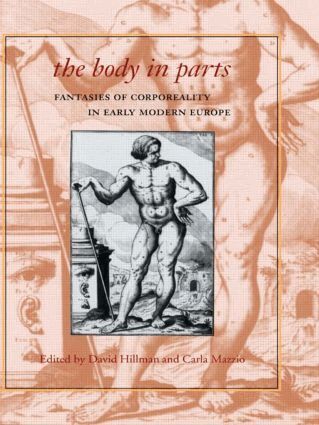
Body in Parts
Fantasies of Corporeality in Early Modern Europe
Av David Hillman, Carla Mazzio
Häftad, 1997
744 kr
Lägg i varukorg
An examination of how the body--its organs, limbs, and viscera--were represented in the literature and culture of early modern Europe. This provocative volume demonstrates, the symbolism of body parts challenge our assumptions about "the body" as a fundamental Renaissance image of self, society, …
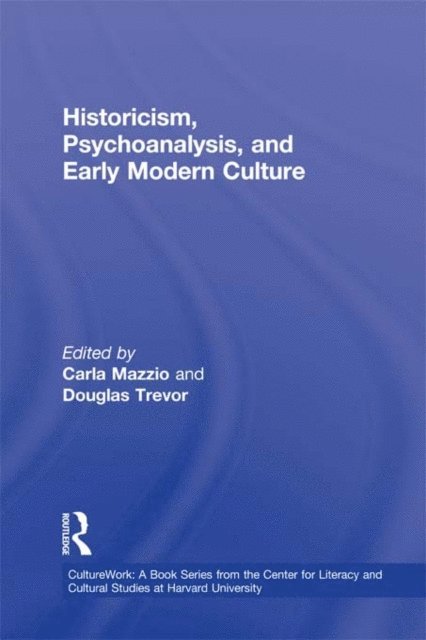
Historicism, Psychoanalysis, and Early Modern Culture
Av Carla Mazzio, Douglas Trevor
Inbunden, 2000
2585 kr
Lägg i varukorg
First published in 2000. Did people in early modern Europe have a concept of an inner self? Carla Mazzio and Douglas Trevor have brought together an outstanding group of literary, cultural, and history scholars to answer this intriguing question. Through a synthesis of historicism and …
Historicism, Psychoanalysis, and Early Modern Culture
Av Carla Mazzio, Douglas Trevor
Häftad, 2000
726 kr
Lägg i varukorg
First published in 2000. Did people in early modern Europe have a concept of an inner self? Carla Mazzio and Douglas Trevor have brought together an outstanding group of literary, cultural, and history scholars to answer this intriguing question. Through a synthesis of historicism and …
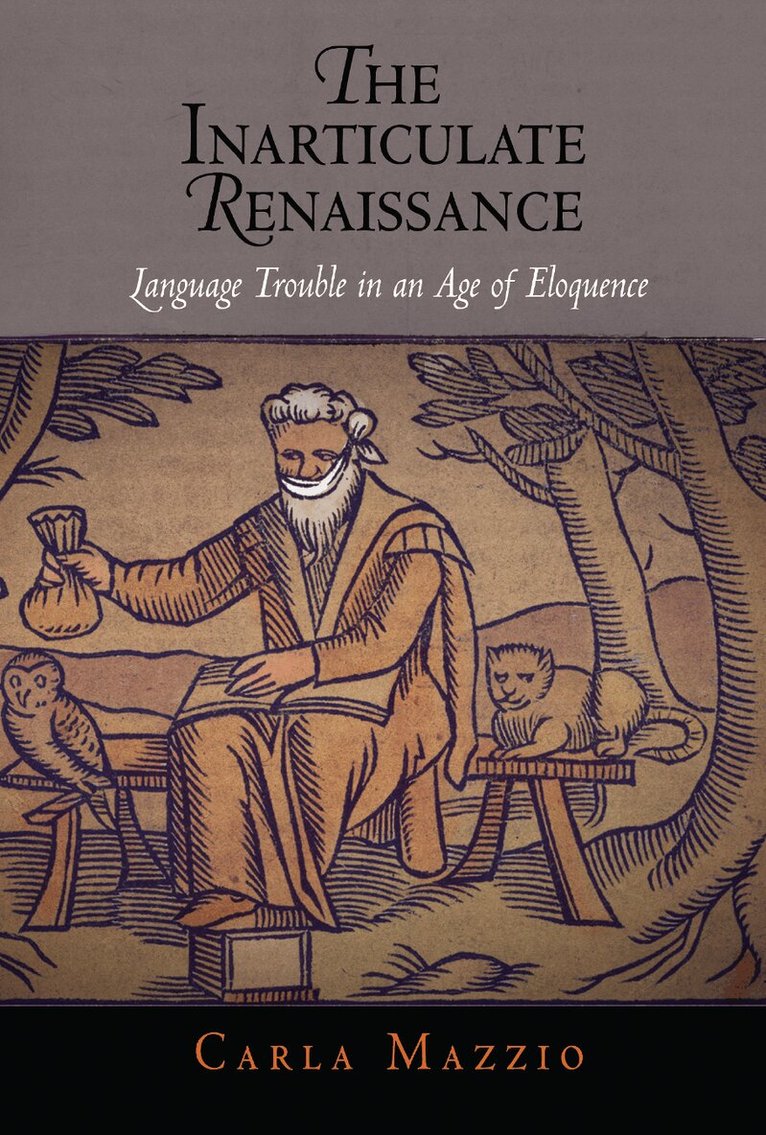
Inarticulate Renaissance
Language Trouble in an Age of Eloquence
Av Carla Mazzio
Inbunden, 2009
1047 kr
Lägg i varukorg
The Inarticulate Renaissance explores the conceptual potential of the disabled utterance in the English literary Renaissance. What might it have meant, in the sixteenth-century "age of eloquence," to speak indistinctly; to mumble to oneself or to God; to speak unintelligibly to a lover, a teacher, …
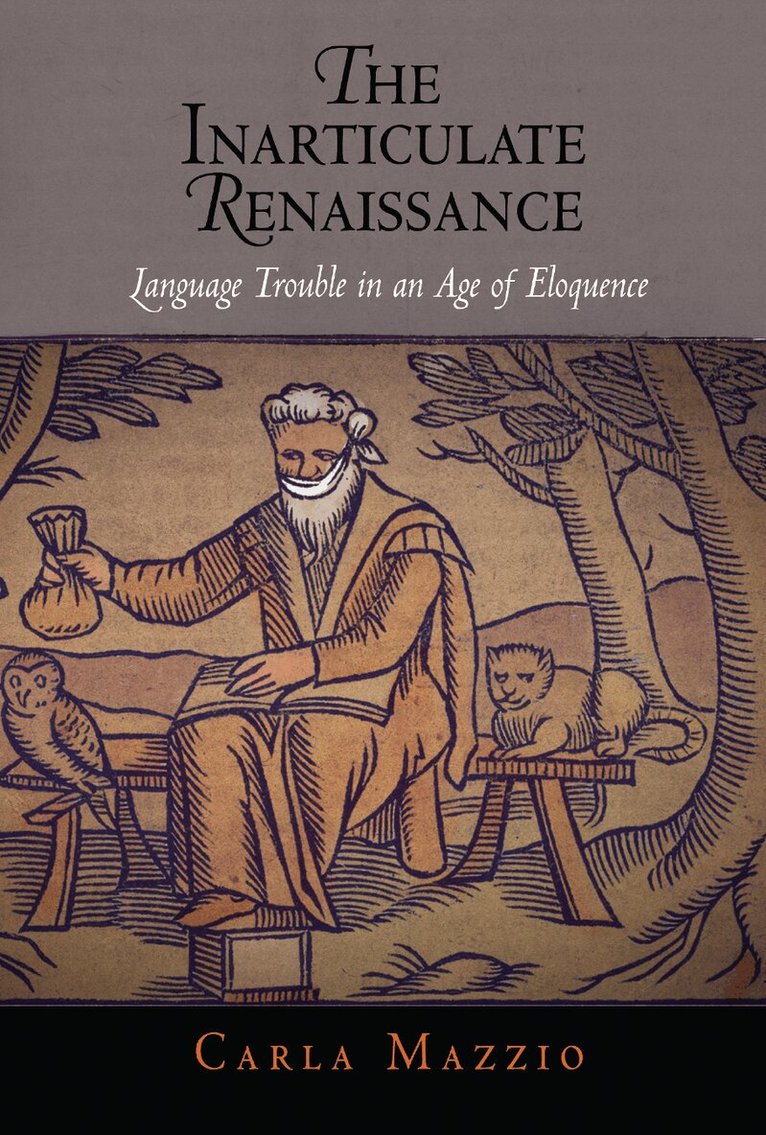
Inarticulate Renaissance
Language Trouble in an Age of Eloquence
Av Carla Mazzio
E-bok, 2016
1256 kr
Lägg i varukorg
The Inarticulate Renaissance explores the conceptual potential of the disabled utterance in the English literary Renaissance. What might it have meant, in the sixteenth-century "age of eloquence," to speak indistinctly; to mumble to oneself or to God; to speak unintelligibly to a lover, a teacher, …
Historicism, Psychoanalysis, and Early Modern Culture
Av Douglas Trevor, Carla Mazzio
E-bok, 2013
935 kr
Lägg i varukorg
First published in 2000. Did people in early modern Europe have a concept of an inner self? Carla Mazzio and Douglas Trevor have brought together an outstanding group of literary, cultural, and history scholars to answer this intriguing question. Through a synthesis of historicism and …
Historicism, Psychoanalysis, and Early Modern Culture
Av Douglas Trevor, Carla Mazzio
E-bok, 2013
956 kr
Lägg i varukorg
First published in 2000. Did people in early modern Europe have a concept of an inner self? Carla Mazzio and Douglas Trevor have brought together an outstanding group of literary, cultural, and history scholars to answer this intriguing question. Through a synthesis of historicism and …
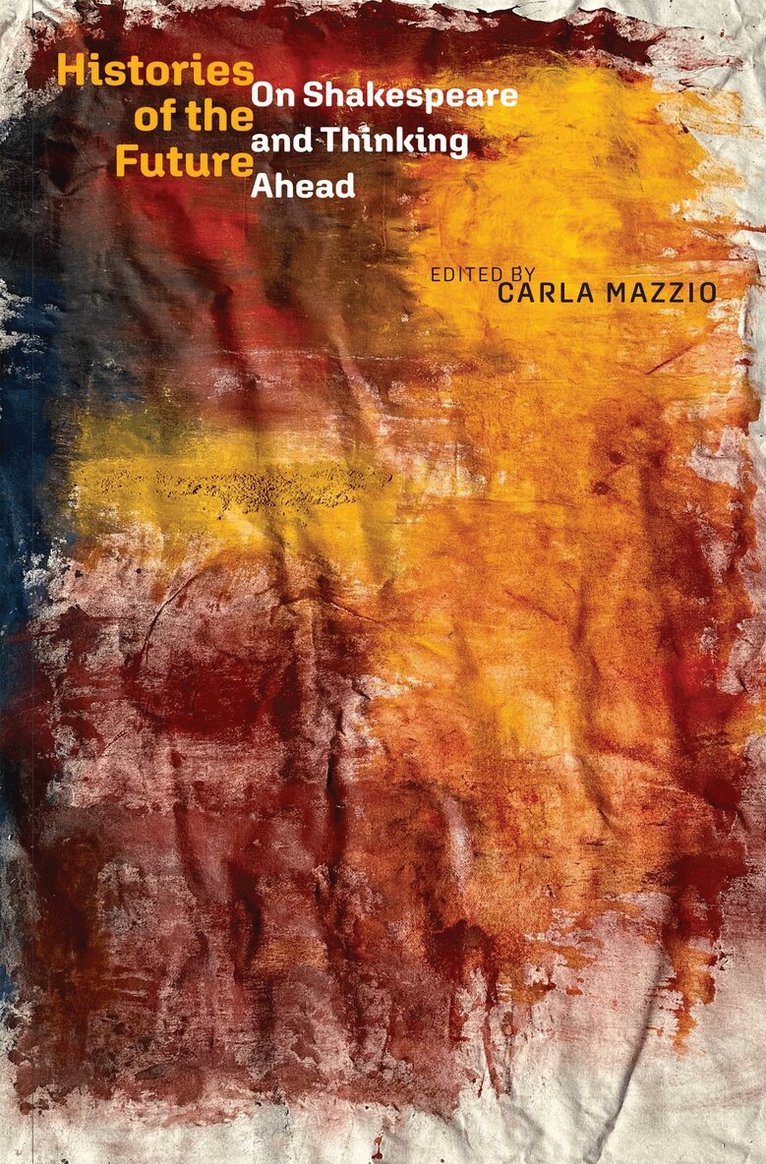
Histories of the Future
On Shakespeare and Thinking Ahead
Av Carla Mazzio
Inbunden, 2024
845 kr
Lägg i varukorg
What early modern and Shakespeare studies have to offer contemporary thinking about the futureWhat do early modern and Shakespeare studies have to offer contemporary thinking about the future? Joining a series of urgent conversations about "the future" as an object of analysis and theorization in …
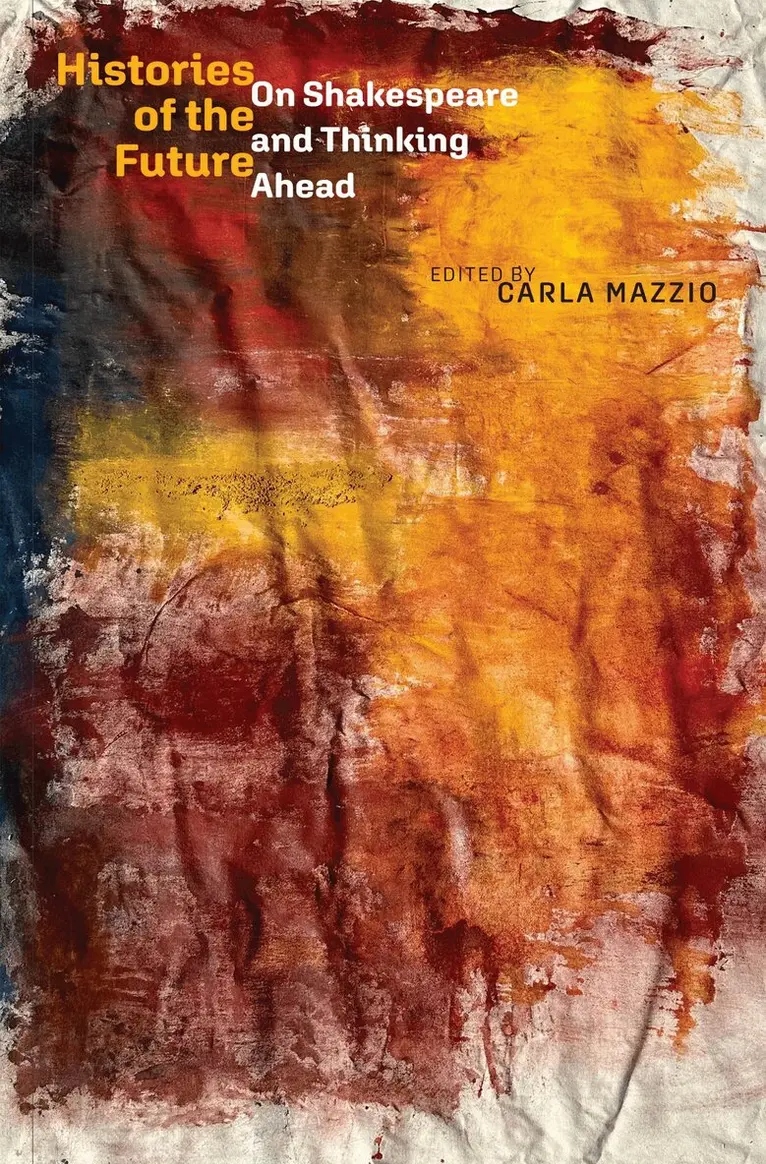
Histories of the Future
On Shakespeare and Thinking Ahead
Av Carla Mazzio
E-bok, 2024
1219 kr
Lägg i varukorg
What early modern and Shakespeare studies have to offer contemporary thinking about the future What do early modern and Shakespeare studies have to offer contemporary thinking about the future? Joining a series of urgent conversations about “the future” as an object of analysis and theorization in …