Carlo A. Redi - Böcker
Visar alla böcker från författaren Carlo A. Redi. Handla med fri frakt och snabb leverans.
4 produkter
4 produkter
1 635 kr
Skickas inom 10-15 vardagar
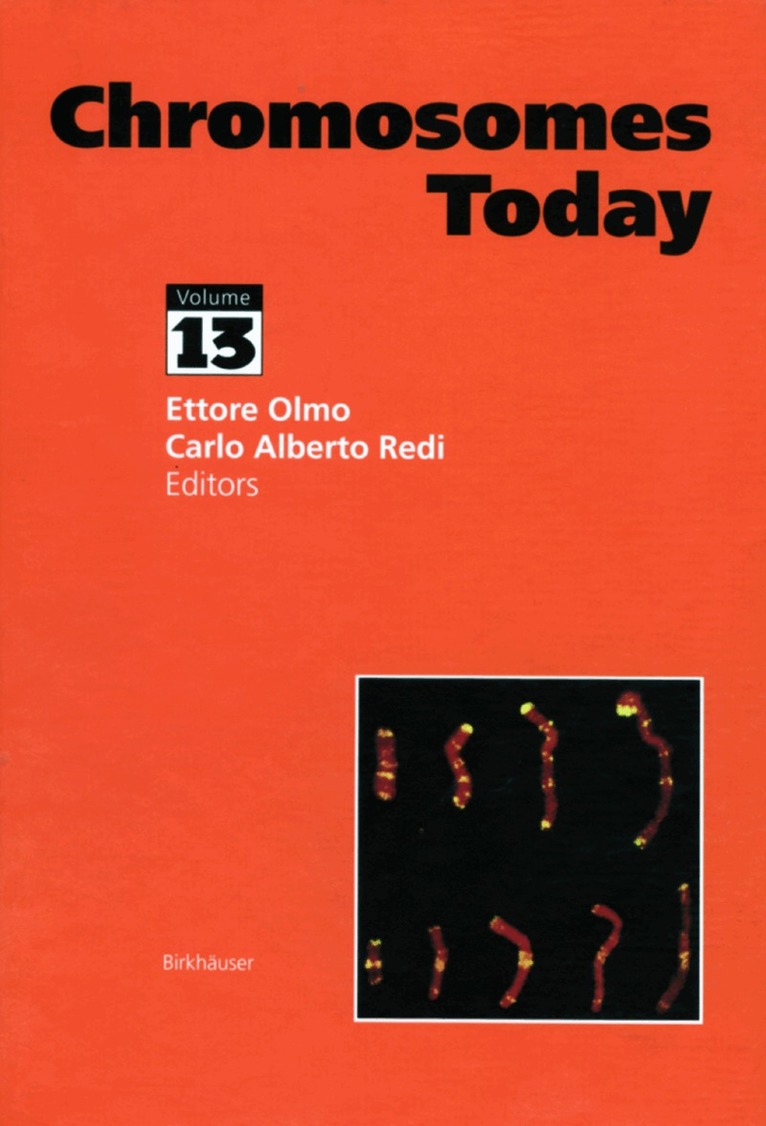
Chromosomes Today, Volume 13 includes the plenary lectures presented at the 13th International Chromosome Conference, covering the most recent advances in the studies on chromosomes. The contributions in this volume were presented by some of the world's leaders in cytogenetic and molecular research and outline the present status of knowledge on the composition, structure, function and evolution of chromosomes, including, among others, the advancement of the human genome project. The use of cytogenetic studies has greatly increased in the last few years, resulting in a progressive improvement in the available methods that has consequently allowed a more detailed analysis of the molecular organization of eukaryotic chromosomes and a precise in situ localisation of specific gene sequences. This volume of Chromosomes Today provides up-to-date information regarding the topics at the forefront of chromosome research: genetic regulation, imprinting, DNA duplication, meiotic pairing, and the regulation of the...
1 635 kr
Skickas inom 10-15 vardagar
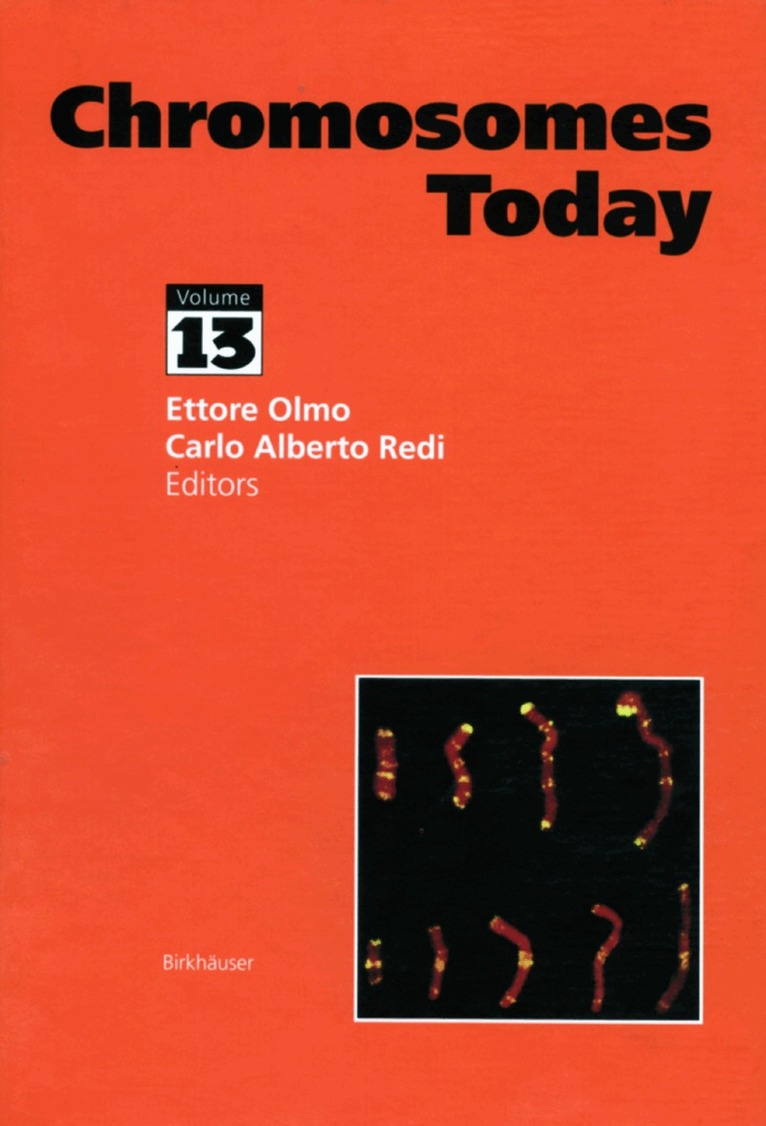
This volume of "Chromosomes Today" provides up-to-date information regarding relevant aspects of the genetic regulation, the chromosomes imprinting, the DNA duplication, the meiotic pairing, the regulation of the cell cycle and cell division and also some applicative aspects like the role of the chromosome aberrations in cancer. This book should of interest for a wide spectrum of researchers and professionals in the biological science and medicine.
1 635 kr
Skickas inom 10-15 vardagar
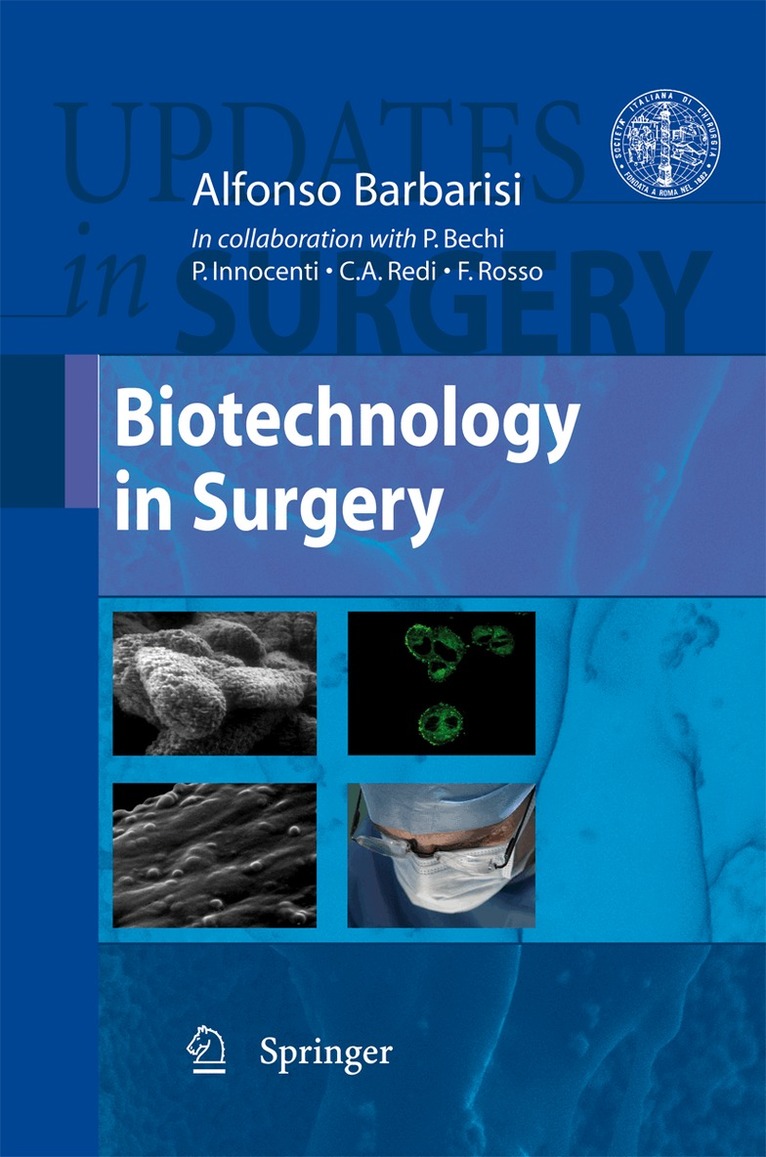
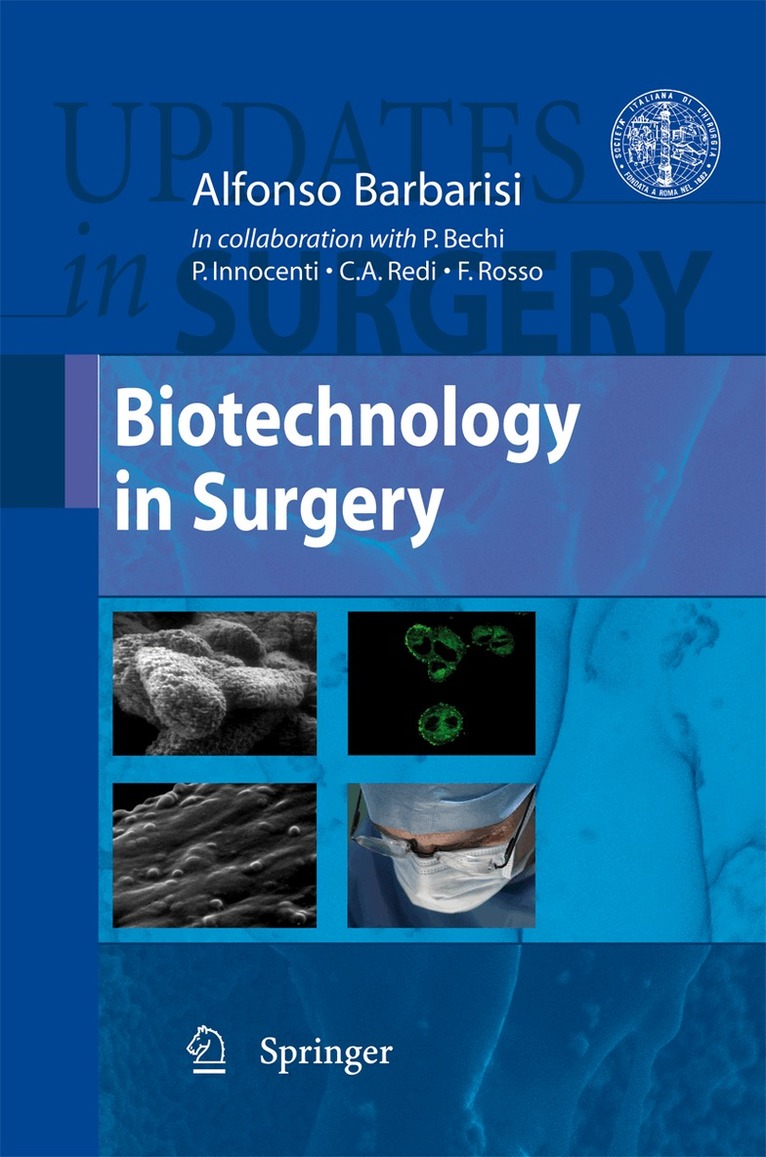
The 20th century has finished, the century when surgery took huge steps forward thanks to progress in technology. Now we have entered the "century of biotechnologies", which will not only generate progress in surgery, but also lead to a real "cultural revolution" that will completely change approaches to solving different problems in medicine. The aim of this book is to bring surgeons closer to biotechnologies and to overcome the cultural gap dividing them from these new approaches. Biotechnologies are already proposed and used at different levels in surgical practice: in diagnostic technique, enabling practitioners to identify diseases at an early stage and follow their molecular modification over time; and in tissue engineering, where the use of "smart scaffolds" offers a possible answer to increasing demand for biocompatible tissues and organs in transplantation surgery. This volume focuses on the emerging field of stem cells, analyzing both their role as possible players in originating and perpetuating cancer – "cancer stem cells" – and, conversely, their extraordinary therapeutical potential. An additional section is dedicated to the evaluation and application of derived molecular factors that can enhance the physiological processes that are fundamentally important in surgery, such as hemostasis and wound healing. Surgeons have always been technologists, in the sense that since surgery began they have always needed technology, beginning with a scalpel and surgical instruments. They have always cooperated with technologists. However, in the new century, the first one of the millennium, a rapid increase in knowledge that is outside the realm of the surgeon’s traditional technological training is imposing itself – hence the aim of this book. It is now urgent to encourage surgeons to embrace this knowledge (biotechnology) with confidence. By its very nature, biotechnology is completely different from the technologies used so far, because it escapesthe senses of sight and touch, which up to now have been the essence of the surgeon’s work. The cellular and molecular dimensions of biotechnologies are still far removed from most of the recent advances in modern surgical techniques. A common language between surgeons and biotechnologists will create further, revolutionary, progress in surgical sciences in the twenty-first century.
1 201 kr
Skickas inom 10-15 vardagar
The 20th century has finished, the century when surgery took huge steps forward thanks to progress in technology. Now we have entered the "century of biotechnologies", which will not only generate progress in surgery, but also lead to a real "cultural revolution" that will completely change approaches to solving different problems in medicine. The aim of this book is to bring surgeons closer to biotechnologies and to overcome the cultural gap dividing them from these new approaches. Biotechnologies are already proposed and used at different levels in surgical practice: in diagnostic technique, enabling practitioners to identify diseases at an early stage and follow their molecular modification over time; and in tissue engineering, where the use of "smart scaffolds" offers a possible answer to increasing demand for biocompatible tissues and organs in transplantation surgery. This volume focuses on the emerging field of stem cells, analyzing both their role as possible players in originating and perpetuating cancer – "cancer stem cells" – and, conversely, their extraordinary therapeutical potential. An additional section is dedicated to the evaluation and application of derived molecular factors that can enhance the physiological processes that are fundamentally important in surgery, such as hemostasis and wound healing. Surgeons have always been technologists, in the sense that since surgery began they have always needed technology, beginning with a scalpel and surgical instruments. They have always cooperated with technologists. However, in the new century, the first one of the millennium, a rapid increase in knowledge that is outside the realm of the surgeon’s traditional technological training is imposing itself – hence the aim of this book. It is now urgent to encourage surgeons to embrace this knowledge (biotechnology) with confidence. By its very nature, biotechnology is completely different from the technologies used so far, because it escapesthe senses of sight and touch, which up to now have been the essence of the surgeon’s work. The cellular and molecular dimensions of biotechnologies are still far removed from most of the recent advances in modern surgical techniques. A common language between surgeons and biotechnologists will create further, revolutionary, progress in surgical sciences in the twenty-first century.