Carlos Oya - Böcker
Visar alla böcker från författaren Carlos Oya. Handla med fri frakt och snabb leverans.
7 produkter
7 produkter
2 575 kr
Skickas inom 5-8 vardagar
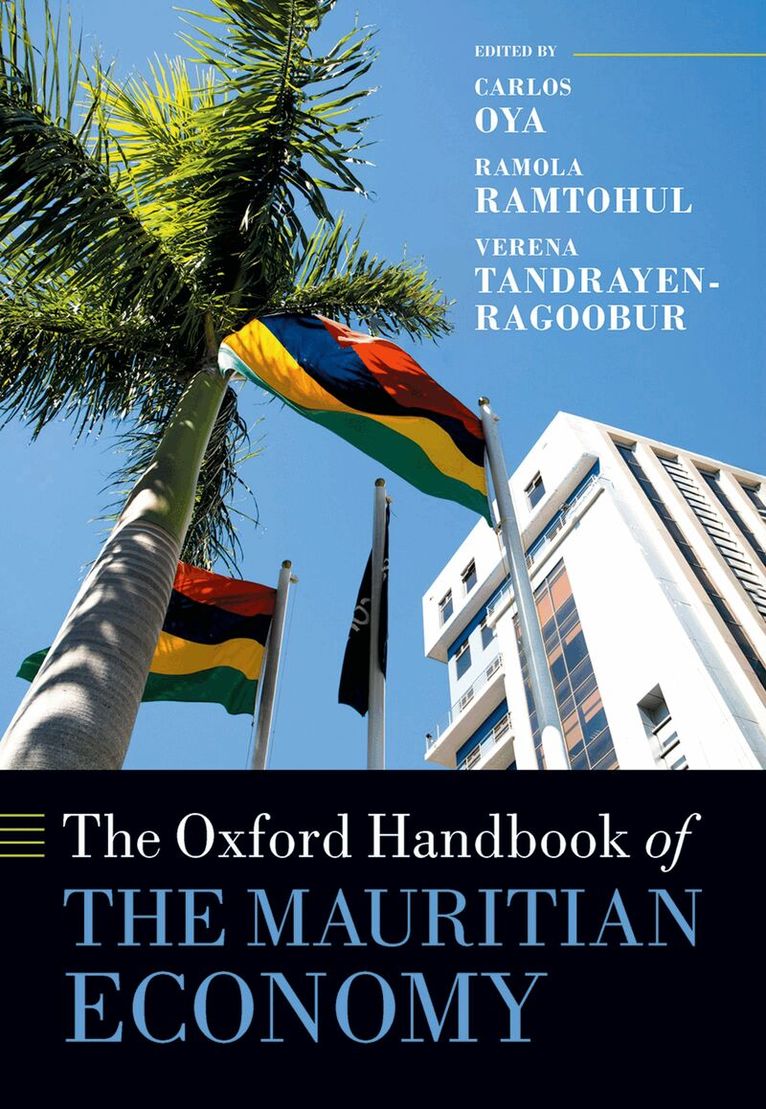
The Oxford Handbook on the Mauritian Economy presents a comprehensive analysis of the economic, social, and political landscape of the island, offering a nuanced exploration of its historical evolution, current challenges, and future prospects. Adopting a multidisciplinary lens, the handbook delves into the complexities of the Mauritian economy, addressing the development pathway of the country through a focus on the process of structural transformation, namely the transition from an agrarian-based economy to a diversified one, across sectors like manufacturing, information and communication technology, tourism, and financial services, amongst others. It analyzes the process of economic transformations while encompassing social change and social policies, with particular attention to key issues of inequality, education, health care, social protection, poverty alleviation, and social inclusion, and it delves further into the dynamics of cultural change, demographic shifts, and the role of policies in shaping the social fabric of the island. Amid the perceived success of the Mauritian economy, this handbook confronts the challenges that the island faces in terms of the complexities of globalization, disparities in income and opportunities, and climate change as well as other recent crises that affect its resilience to external shocks. It contributes not only to wider scholarly debates on economic development but also presents a valuable resource for policymakers and practitioners seeking an in-depth understanding of the economic and policy intricacies that define Mauritius' transformative development trajectory.
2 299 kr
Skickas inom 10-15 vardagar
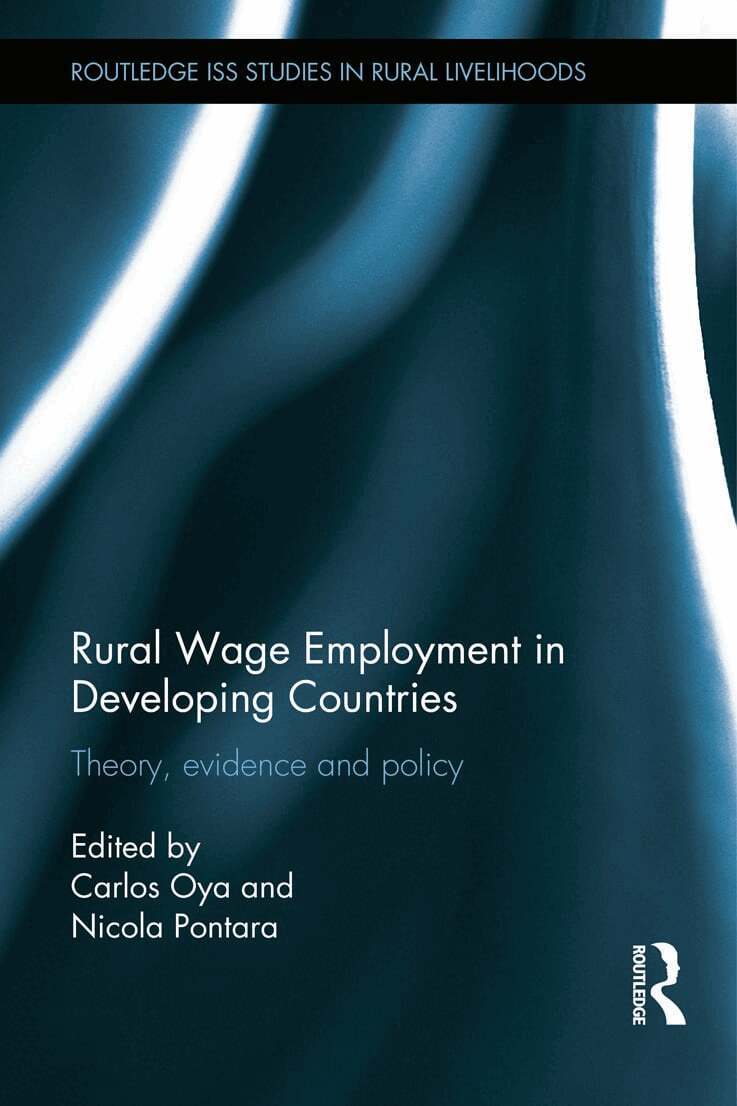
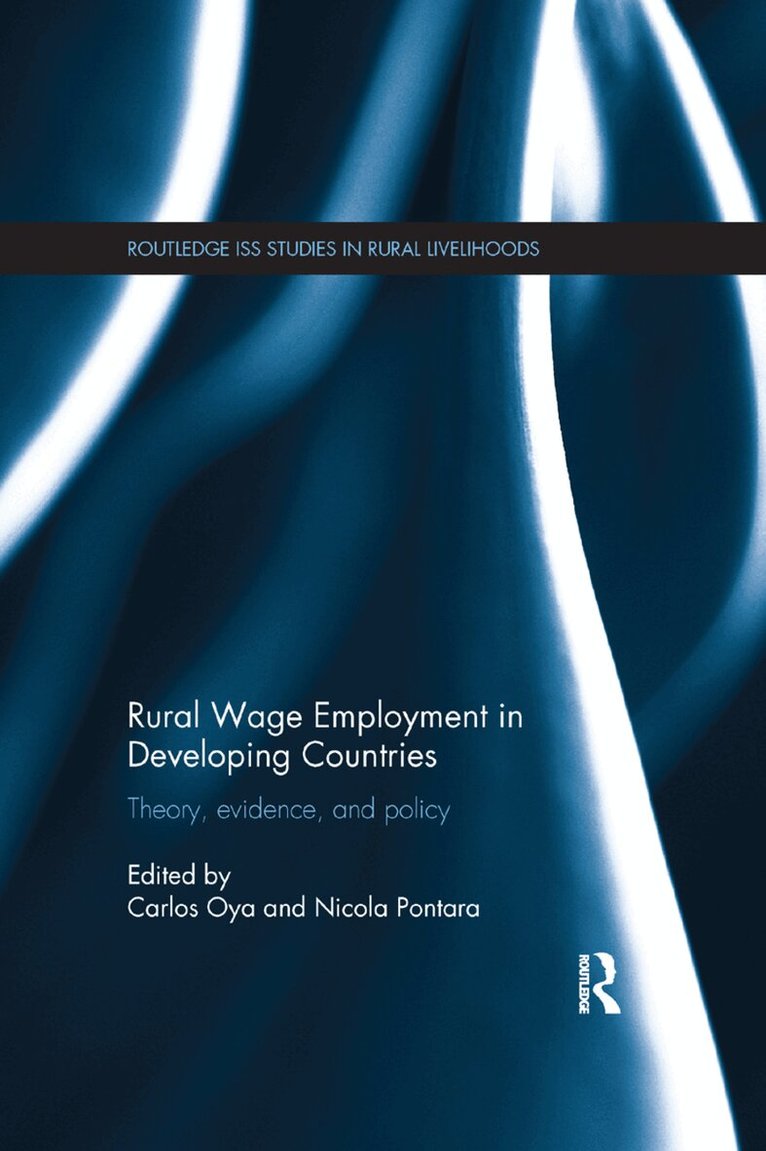
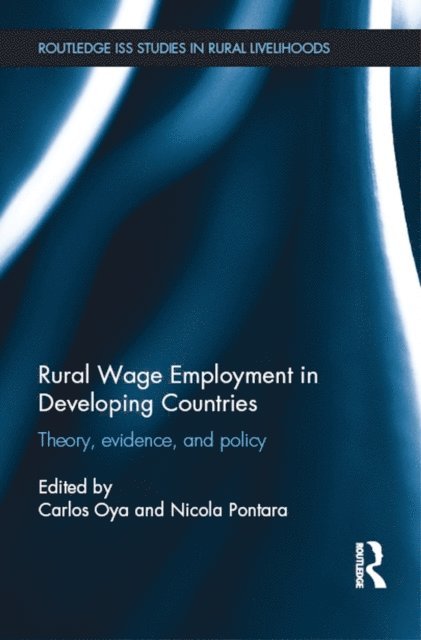
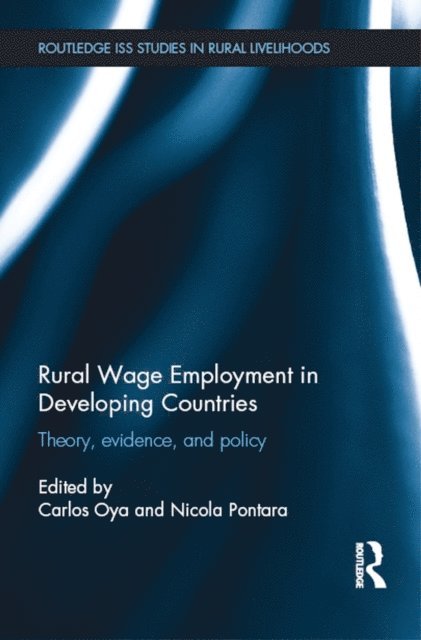
There is a striking scarcity of work conducted on rural labour markets in the developing world, particularly in Africa. This book aims to fill this gap by bringing together a group of contributors who boast substantial field experience researching rural wage employment in various developing countries. It provides critical perspectives on mainstream approaches to rural/agrarian development, and analysis of agrarian change and rural transformations from a long-term perspective.This book challenges the notion that rural areas in low- and middle-income countries are dominated by self-employment. It purports that this conventional view is largely due to the application of conceptual frameworks and statistical conventions that are ill-equipped to capture labour market participation. The contributions in this book offer a variety of methodological lessons for the study of rural labour markets, focusing in particular on the use of mixed methods in micro-level field research, and more emphasis on capturing occupation multiplicity.The emphasis on context, history, and specific configurations of power relations affecting rural labour market outcomes are key and reoccurring features of this book. This analysis will help readers think about policy options to improve the quantity and quality of rural wage employment, their impact on the poorest rural people, and their political feasibility in each context.
215 kr
Skickas inom 7-10 vardagar
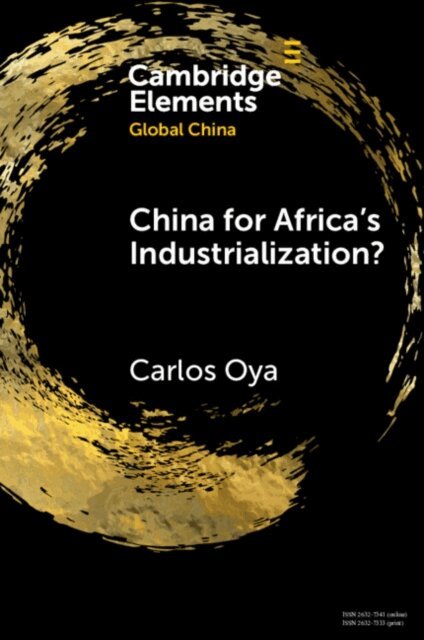
China's engagement in Africa since 2000 consists of a diverse set of institutions, activities, relations, investment flows and other economic statecraft events. These have generated opportunities for economic transformation, reviving the prospects for industrialization and job creation in some African countries following decades of neglect. While the case for industrialization-led structural transformation is strong, the proposed means of pursuing this pathway vary, necessitating bold vision and interventions. Whether through infrastructure funding and building, or direct greenfield investments, China is helping lay the foundations for industrialization in Africa, albeit unevenly and slowly. The vectors and outcomes are, however, variegated, calling for a comparative examination. Therefore, the Element illustrates variations in outcomes and the importance of context when considering the vectors of Africa-China engagements, how they contribute to industrialization prospects, and the central role of policy agency, bargaining and contestation. This title is also available as Open Access on Cambridge Core.
692 kr
Skickas inom 7-10 vardagar
China's engagement in Africa since 2000 consists of a diverse set of institutions, activities, relations, investment flows and other economic statecraft events. These have generated opportunities for economic transformation, reviving the prospects for industrialization and job creation in some African countries following decades of neglect. While the case for industrialization-led structural transformation is strong, the proposed means of pursuing this pathway vary, necessitating bold vision and interventions. Whether through infrastructure funding and building, or direct greenfield investments, China is helping lay the foundations for industrialization in Africa, albeit unevenly and slowly. The vectors and outcomes are, however, variegated, calling for a comparative examination. Therefore, the Element illustrates variations in outcomes and the importance of context when considering the vectors of Africa-China engagements, how they contribute to industrialization prospects, and the central role of policy agency, bargaining and contestation. This title is also available as Open Access on Cambridge Core.
691 kr
Skickas inom 10-15 vardagar
There is a striking scarcity of work conducted on rural labour markets in the developing world, particularly in Africa. This book aims to fill this gap by bringing together a group of contributors who boast substantial field experience researching rural wage employment in various developing countries. It provides critical perspectives on mainstream approaches to rural/agrarian development, and analysis of agrarian change and rural transformations from a long-term perspective.This book challenges the notion that rural areas in low- and middle-income countries are dominated by self-employment. It purports that this conventional view is largely due to the application of conceptual frameworks and statistical conventions that are ill-equipped to capture labour market participation. The contributions in this book offer a variety of methodological lessons for the study of rural labour markets, focusing in particular on the use of mixed methods in micro-level field research, and more emphasis on capturing occupation multiplicity.The emphasis on context, history, and specific configurations of power relations affecting rural labour market outcomes are key and reoccurring features of this book. This analysis will help readers think about policy options to improve the quantity and quality of rural wage employment, their impact on the poorest rural people, and their political feasibility in each context.
698 kr
Skickas inom 10-15 vardagar
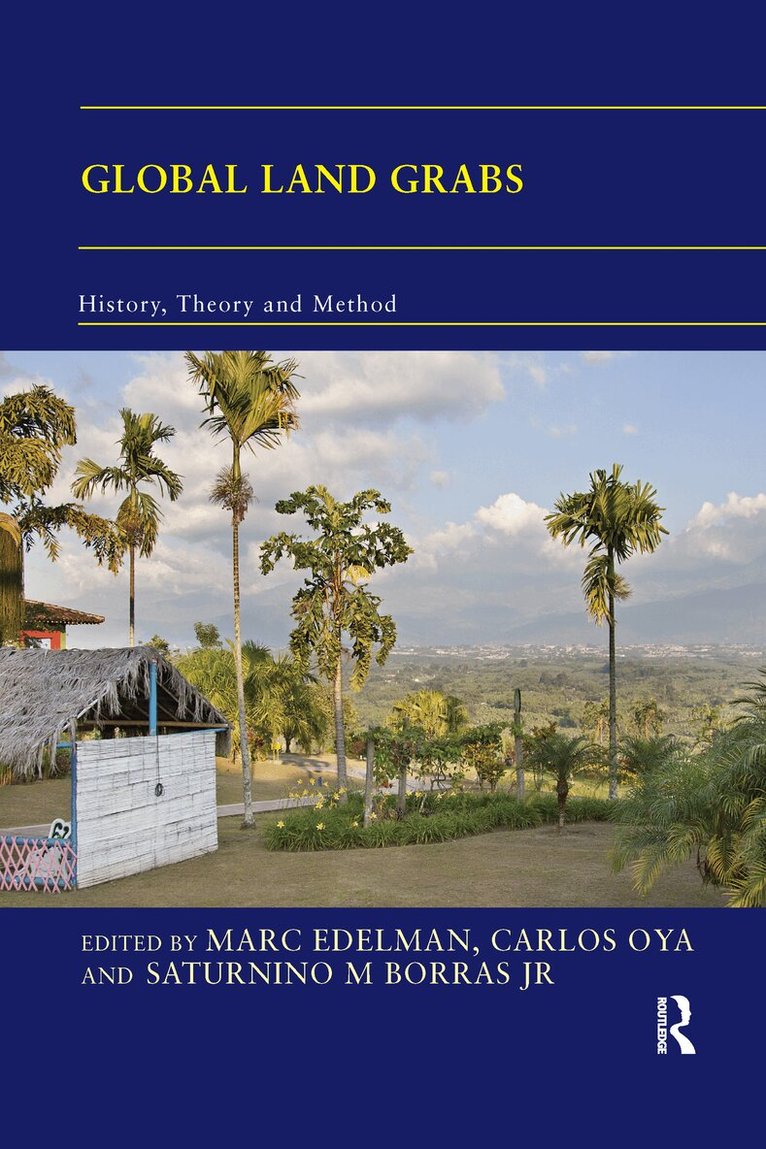
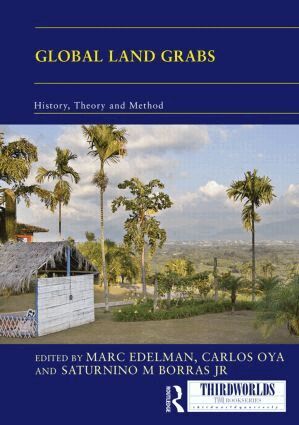
Since the 2008 world food crisis a surge of land grabbing swept Africa, Asia and Latin America and even some regions of Europe and North America. Investors have uprooted rural communities for massive agricultural, biofuels, mining, industrial and urbanisation projects. ‘Water grabbing’ and ‘green grabbing’ have further exacerbated social tensions.Early analyses of land grabbing focused on foreign actors, the biofuels boom and Africa, and pointed to catastrophic consequences for the rural poor. Subsequently scholars carried out local case studies in diverse world regions. The contributors to this volume advance the discussion to a new stage, critically scrutinizing alarmist claims of the first wave of research, probing the historical antecedents of today’s land grabbing, examining large-scale land acquisitions in light of international human rights and investment law, and considering anew longstanding questions in agrarian political economy about forms of dispossession and accumulation and grassroots resistance.Readers of this collection will learn about the impacts of land and water grabbing; the relevance of key theorists, including Marx, Polanyi and Harvey; the realities of China’s involvement in Africa; how contemporary land grabbing differs from earlier plantation agriculture; and how social movements—and rural people in general—are responding to this new threat.This book was published as a special issue of Third World Quarterly.
2 155 kr
Skickas inom 10-15 vardagar
Since the 2008 world food crisis a surge of land grabbing swept Africa, Asia and Latin America and even some regions of Europe and North America. Investors have uprooted rural communities for massive agricultural, biofuels, mining, industrial and urbanisation projects. ‘Water grabbing’ and ‘green grabbing’ have further exacerbated social tensions.Early analyses of land grabbing focused on foreign actors, the biofuels boom and Africa, and pointed to catastrophic consequences for the rural poor. Subsequently scholars carried out local case studies in diverse world regions. The contributors to this volume advance the discussion to a new stage, critically scrutinizing alarmist claims of the first wave of research, probing the historical antecedents of today’s land grabbing, examining large-scale land acquisitions in light of international human rights and investment law, and considering anew longstanding questions in agrarian political economy about forms of dispossession and accumulation and grassroots resistance.Readers of this collection will learn about the impacts of land and water grabbing; the relevance of key theorists, including Marx, Polanyi and Harvey; the realities of China’s involvement in Africa; how contemporary land grabbing differs from earlier plantation agriculture; and how social movements—and rural people in general—are responding to this new threat.This book was published as a special issue of Third World Quarterly.