Carol Diaz-Granados - Böcker
Visar alla böcker från författaren Carol Diaz-Granados. Handla med fri frakt och snabb leverans.
5 produkter
5 produkter
664 kr
Skickas inom 10-15 vardagar
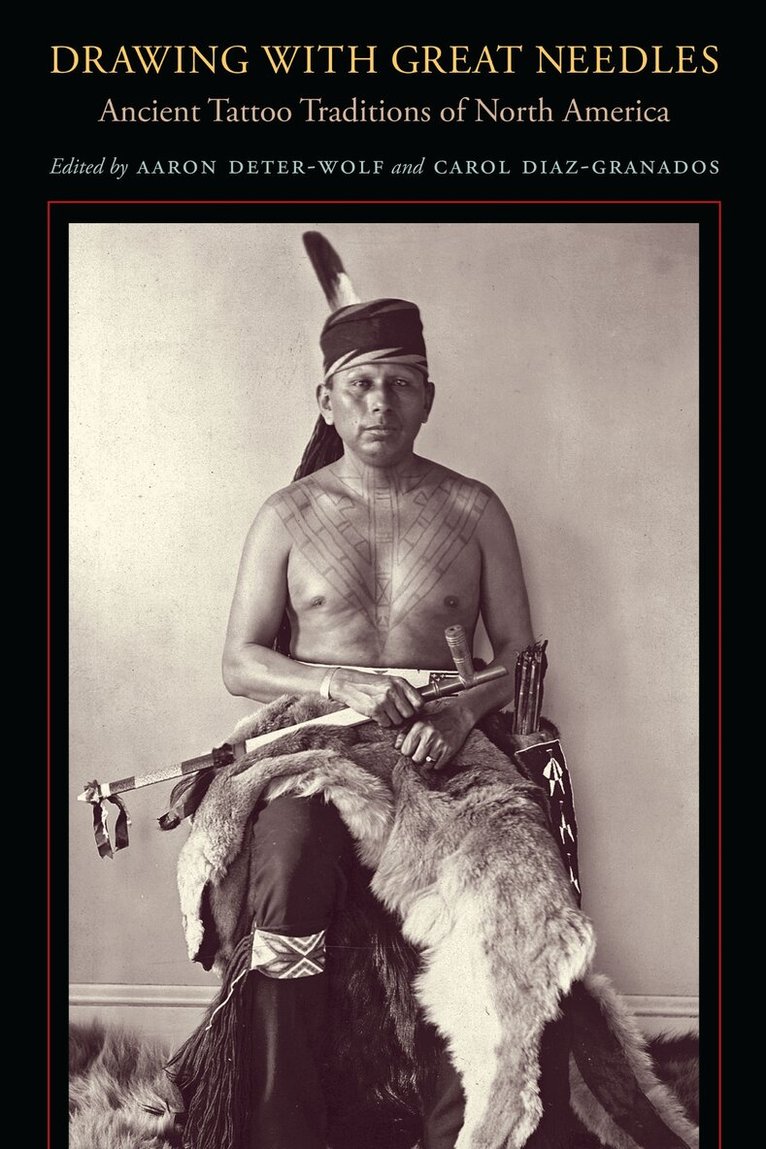
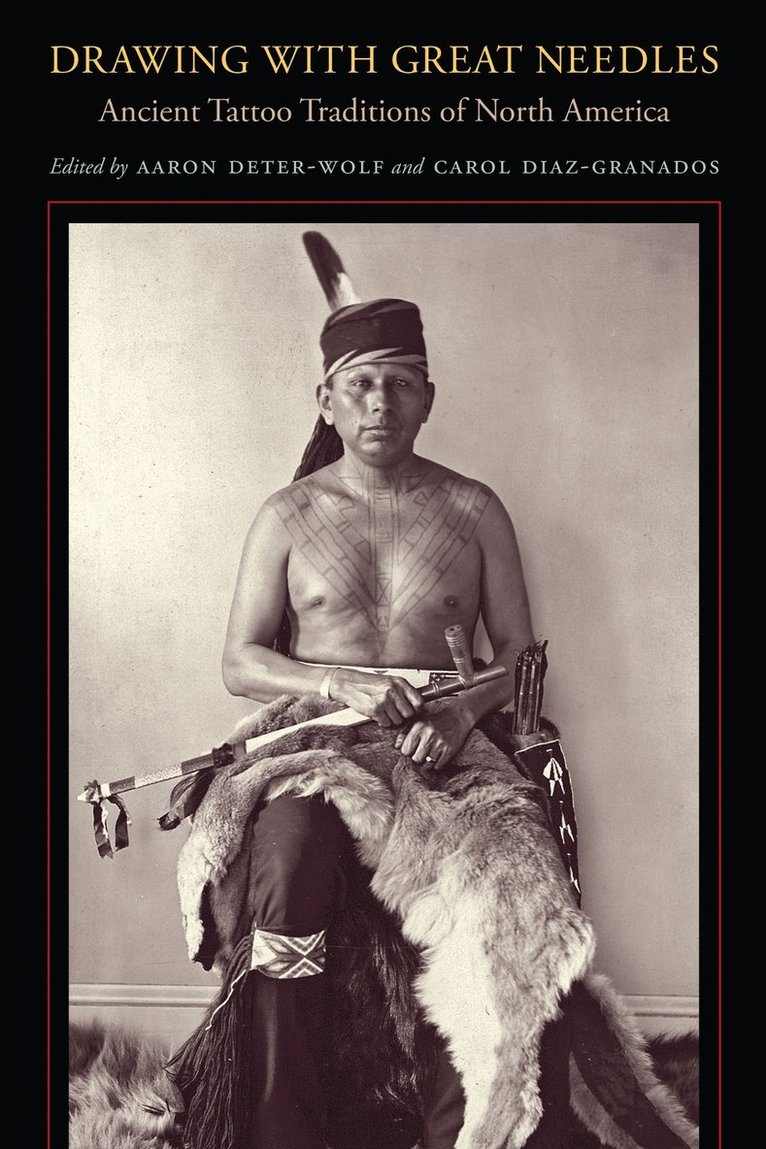
For thousands of years, Native Americans throughout the Eastern Woodlands and Great Plains used the physical act and visual language of tattooing to construct and reinforce the identity of individuals and their place within society and the cosmos. The act of tattooing served as a rite of passage and supplication, while the composition and use of ancestral tattoo bundles was intimately related to group identity. The resulting symbols and imagery inscribed on the body held important social, civil, military, and ritual connotations within Native American society. Yet despite the cultural importance that tattooing held for prehistoric and early historic Native Americans, modern scholars have only recently begun to consider the implications of ancient Native American tattooing and assign tattooed symbols the same significance as imagery inscribed on pottery, shell, copper, and stone.Drawing with Great Needles is the first book-length scholarly examination into the antiquity, meaning, and significance of Native American tattooing in the Eastern Woodlands and Great Plains. The contributors use a variety of approaches, including ethnohistorical and ethnographic accounts, ancient art, evidence of tattooing in the archaeological record, historic portraiture, tattoo tools and toolkits, gender roles, and the meanings that specific tattoos held for Dhegiha Sioux and other Native speakers, to examine Native American tattoo traditions. Their findings add an important new dimension to our understanding of ancient and early historic Native American society in the Eastern Woodlands and Great Plains.
871 kr
Skickas inom 7-10 vardagar
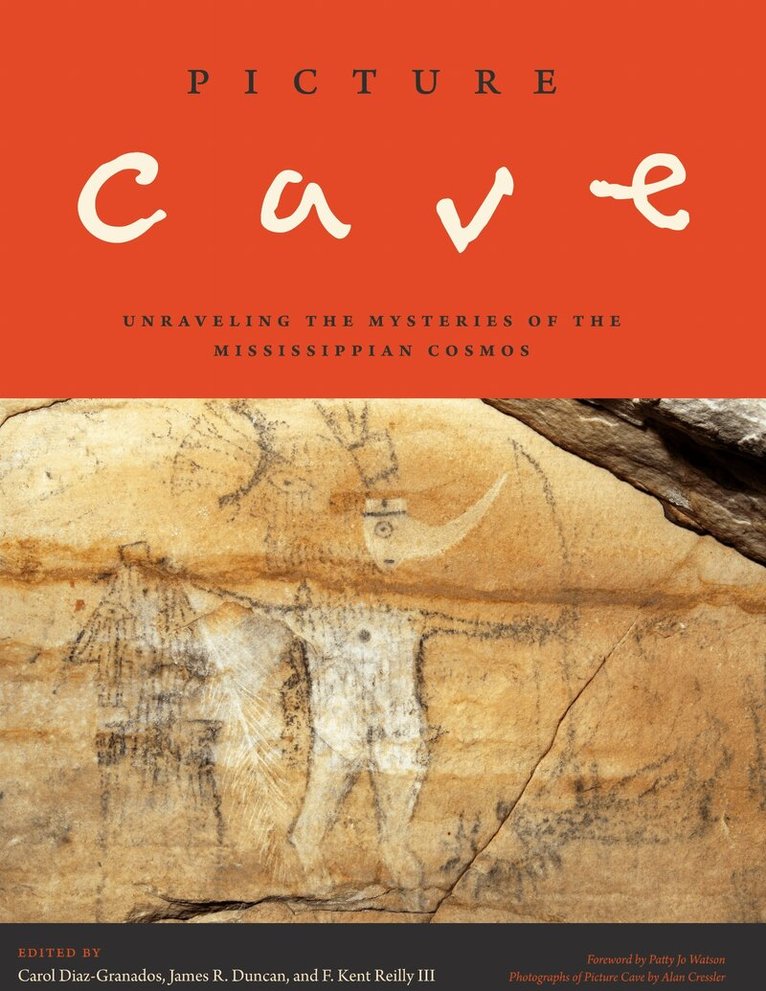
This extensively illustrated volume provides the first complete visual documentation and a pioneering iconographic analysis of Picture Cave, an eastern Missouri cavern filled with Native American pictographs that is one of the most important prehistoric sites in North America.A millennia ago, Native Americans entered the dark recesses of a cave in eastern Missouri and painted an astonishing array of human, animal, and supernatural creatures on its walls. Known as Picture Cave, it was a hallowed site for sacred rituals and rites of passage, for explaining the multi-layered cosmos, for vision quests, for communing with spirits in the “other world,” and for burying the dead. The number, variety, and complexity of images make Picture Cave one of the most significant prehistoric sites in North America, similar in importance to Cahokia and Chaco Canyon. Indeed, scholars will be able to use it to reconstruct much of the Native American symbolism of the early Western Mississippian world.The Picture Cave Interdisciplinary Project brought together specialists in American Indian art and iconography, two artists, Osage Indian elders, a museum curator, a folklorist, and an internationally renowned cave archaeologist to produce the first complete documentation of the pictographs on the cave walls and the first interpretations of their meanings and significance. This extensively illustrated volume presents the Project’s findings, including an introduction to Picture Cave and prehistoric cave art and technical analyses of pigments, radiocarbon dating, spatial order, and archaeological remains. Interpretations of the cave’s imagery, from individual motifs to complex panels; the responses of contemporary artists; and interviews with Osage elders (descendants of the people who made the art), describing what Picture Cave means to them today, are also included. A visual glossary of all the images in Picture Cave as well as panoramic views complete this pathfinding volume.
413 kr
Skickas inom 7-10 vardagar
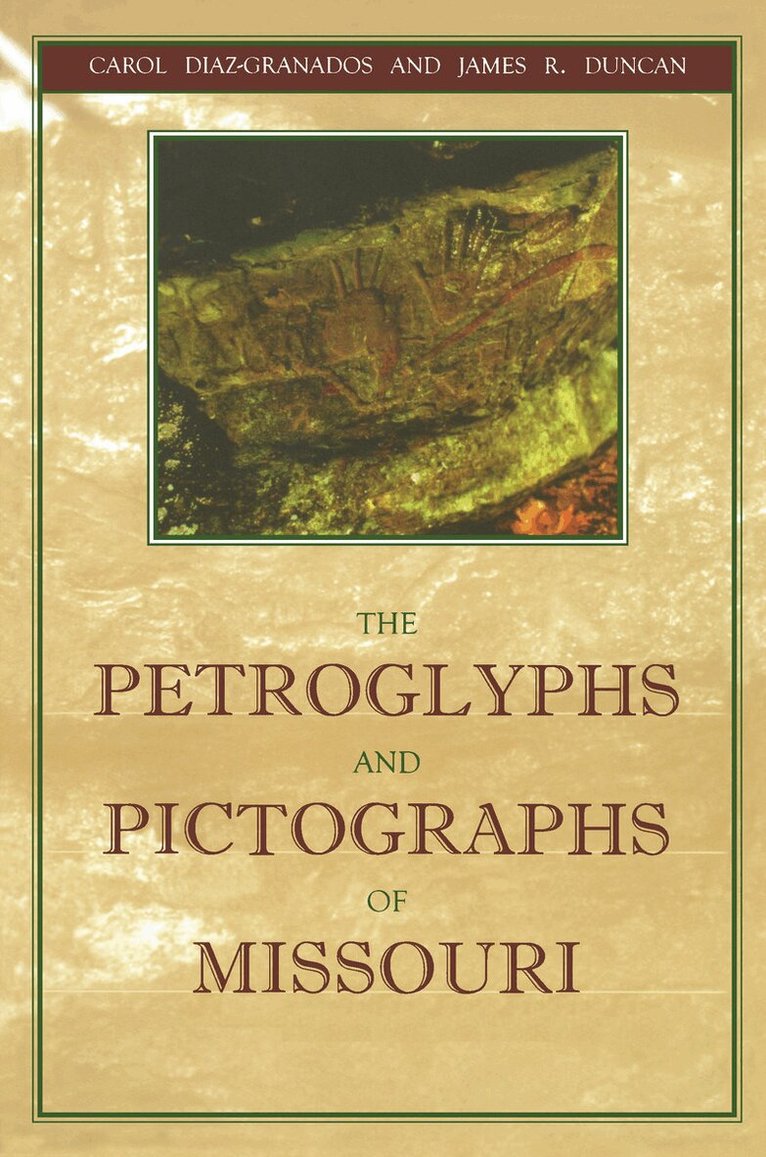
Images on rocks depicting birds, serpents, deer, and other designs are haunting reminders of prehistoric peoples. This book documents Missouri's rich array of petroglyphs and pictographs, analyzing the many aspects of these rock carvings and paintings to show how such representations of ritual activities can enhance our understanding of Native American culture. Missouri is a particularly important site for rock art because it straddles the Plains, the Ozarks, and the Southeast. Carol Diaz-Granados and James Duncan have established a model for analyzing this rock art as archaeological data and have mapped the patterning of fifty-eight major motifs across the state. Of particular importance is their analysis of motifs from Mississippi River Valley sites, including Cahokia. The authors include interpretive discussions on iconography and ideology, drawing on years of research in the ethnographic records and literature of Native Americans linguistically related to earlier peoples. Their distribution maps show how motifs provide clues to patterns of movement among prehistoric peoples and to the range of belief systems. Rock art is an aspect of the archaeological record that has received little attention, and the art is particularly subject to the ravages of time. By documenting these fragile images, this book makes a major contribution to rock art research in North America.
479 kr
Skickas inom 7-10 vardagar
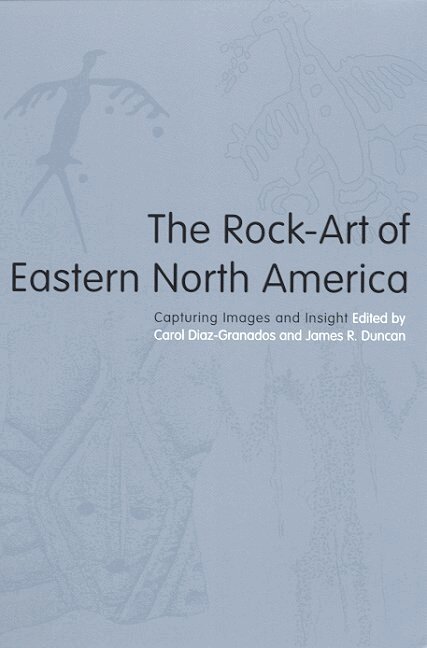
In archaeology, rock-art - any long-lasting marking made on a natural surface - is similar to material culture (pottery and tools) because it provides a record of human activity and ideology at that site. Petroglyphs, pictographs, and dendroglyphs (tree carvings) have been discovered and recorded throughout the eastern woodlands of North America - on boulders, bluffs, and trees, in caves and in rock shelters. These cultural remnants scattered on the landscape can tell us much about the belief systems of the inhabitants that left them behind. The Rock-Art of Eastern North America brings together 20 papers from recent research at sites in eastern North America, where humidity and the actions of weather, including acid rain, can be very damaging over time. Contributors to this volume range from professional archaeologists and art historians to avocational archaeologists, including a surgeon, a lawyer, two photographers, and an aerospace engineer. They present information, drawings, and photographs of sites ranging from the Seven Sacred Stones in Iowa to the Bald Friar Petroglyphs of Maryland and from the Lincoln Rise Site in Tennessee to the Nisula Site in Quebec.
317 kr
Skickas inom 7-10 vardagar
For thousands of years, Native Americans throughout the Eastern Woodlands and Great Plains used the physical act and visual language of tattooing to construct and reinforce the identity of individuals and their place within society and the cosmos. The act of tattooing served as a rite of passage and supplication, while the composition and use of ancestral tattoo bundles was intimately related to group identity. The resulting symbols and imagery inscribed on the body held important social, civil, military, and ritual connotations within Native American society. Yet despite the cultural importance that tattooing held for prehistoric and early historic Native Americans, modern scholars have only recently begun to consider the implications of ancient Native American tattooing and assign tattooed symbols the same significance as imagery inscribed on pottery, shell, copper, and stone.Drawing with Great Needles is the first book-length scholarly examination into the antiquity, meaning, and significance of Native American tattooing in the Eastern Woodlands and Great Plains. The contributors use a variety of approaches, including ethnohistorical and ethnographic accounts, ancient art, evidence of tattooing in the archaeological record, historic portraiture, tattoo tools and toolkits, gender roles, and the meanings that specific tattoos held for Dhegiha Sioux and other Native speakers, to examine Native American tattoo traditions. Their findings add an important new dimension to our understanding of ancient and early historic Native American society in the Eastern Woodlands and Great Plains.