Carol Hendrickson – författare
Visar alla böcker från författaren Carol Hendrickson. Handla med fri frakt och snabb leverans.
7 produkter
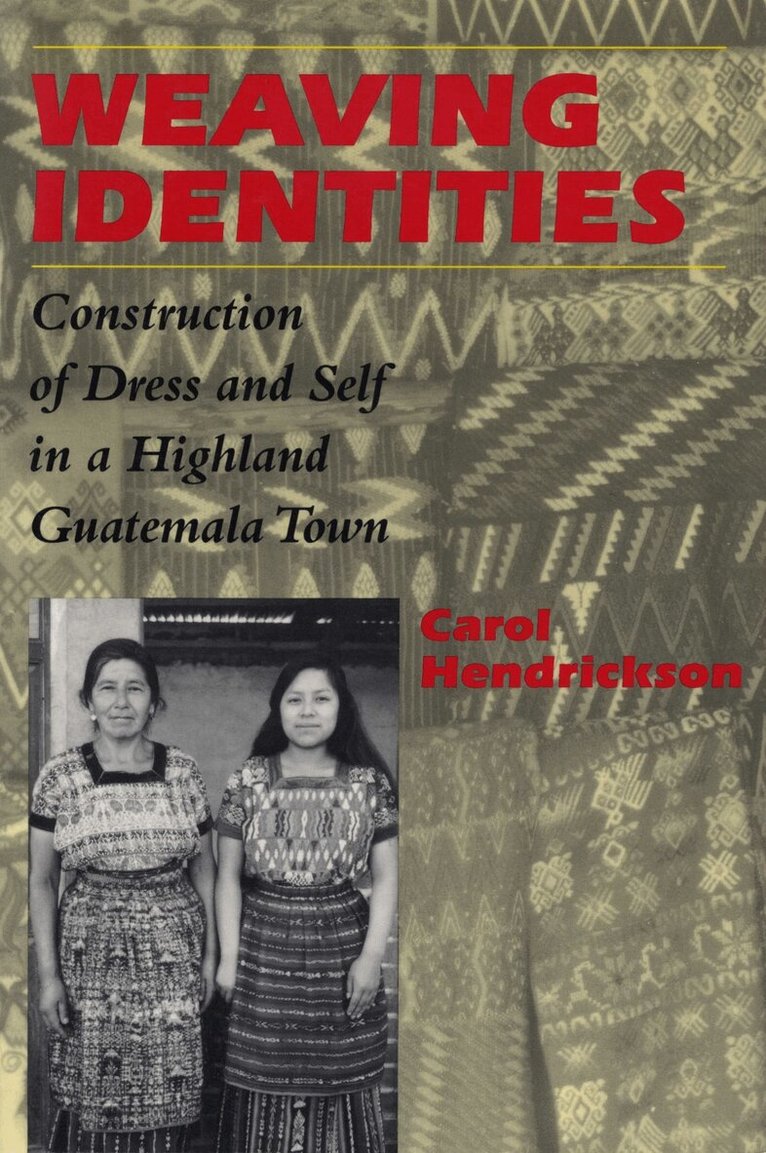
Weaving Identities
Construction of Dress and Self in a Highland Guatemala Town
Häftad, 1995
281 kr
Lägg i varukorg
Traje, the brightly colored traditional dress of the highland Maya, is the principal visual expression of indigenous identity in Guatemala today. Whether worn in beauty pageants, made for religious celebrations, or sold in tourist markets, traje is more than "mere cloth"-it plays an active role in …
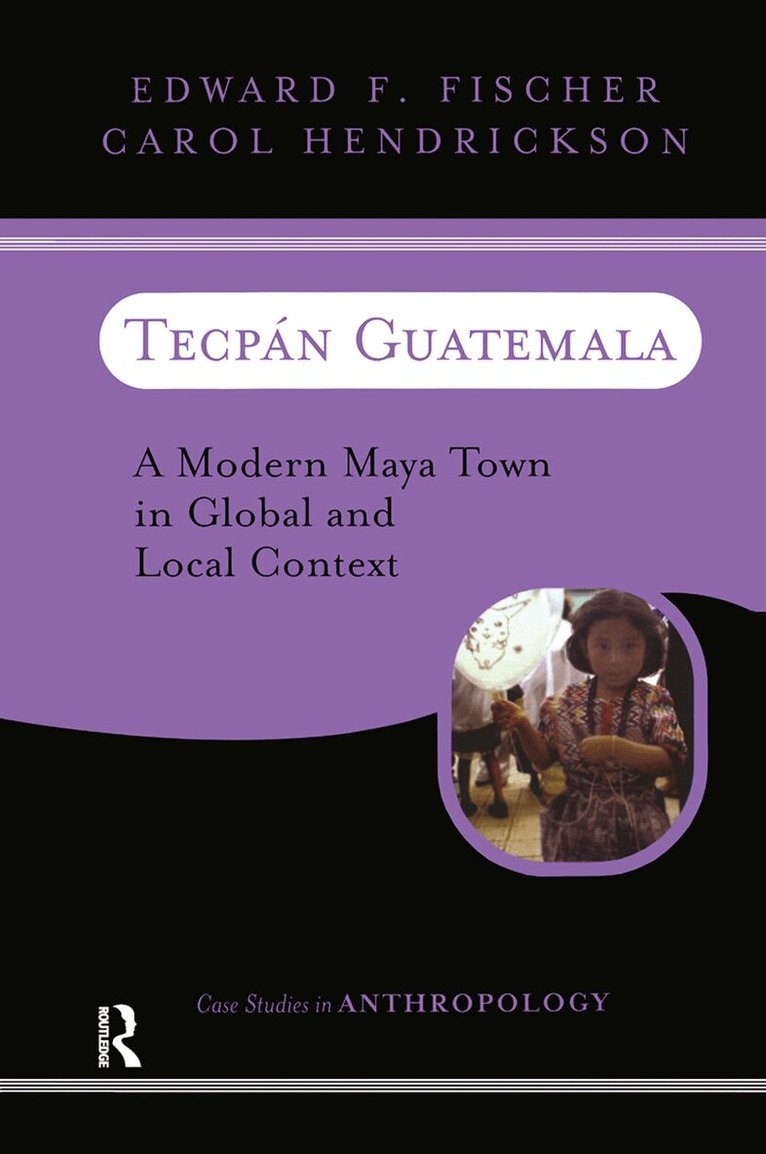
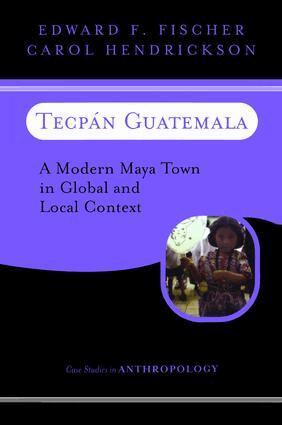
Tecpan Guatemala
A Modern Maya Town In Global And Local Context
Av Edward F Fischer, Carol Hendrickson
Inbunden, 2019
2513 kr
Lägg i varukorg
This case study of a highland Guatemala town examines what it means to be Maya in a rapidly changing and globalized world. In providing an historical synopsis of the Kaqchikel Maya from pre-Columbian and Colonial times to the present day, this volume focuses on the dynamics of clutural boundaries …
Tecpan Guatemala
A Modern Maya Town In Global And Local Context
Av Carol Hendrickson, Edward F Fischer
E-bok, 2018
762 kr
Lägg i varukorg
This book discusses the indigenous people of Tecpan Guatemala, a predominantly Kaqchikel Maya town in the Guatemalan highlands. It seeks to build on the traditional strengths of ethnography while rejecting overly romantic and isolationist tendencies in the genre.
Tecpan Guatemala
A Modern Maya Town In Global And Local Context
Av Carol Hendrickson, Edward F Fischer
E-bok, 2018
762 kr
Lägg i varukorg
This book discusses the indigenous people of Tecpan Guatemala, a predominantly Kaqchikel Maya town in the Guatemalan highlands. It seeks to build on the traditional strengths of ethnography while rejecting overly romantic and isolationist tendencies in the genre.
Tecpan Guatemala
A Modern Maya Town In Global And Local Context
Av Edward F Fischer, Carol Hendrickson
Häftad, 2002
649 kr
Lägg i varukorg
This book discusses the indigenous people of Tecpan Guatemala, a predominantly Kaqchikel Maya town in the Guatemalan highlands. It seeks to build on the traditional strengths of ethnography while rejecting overly romantic and isolationist tendencies in the genre.
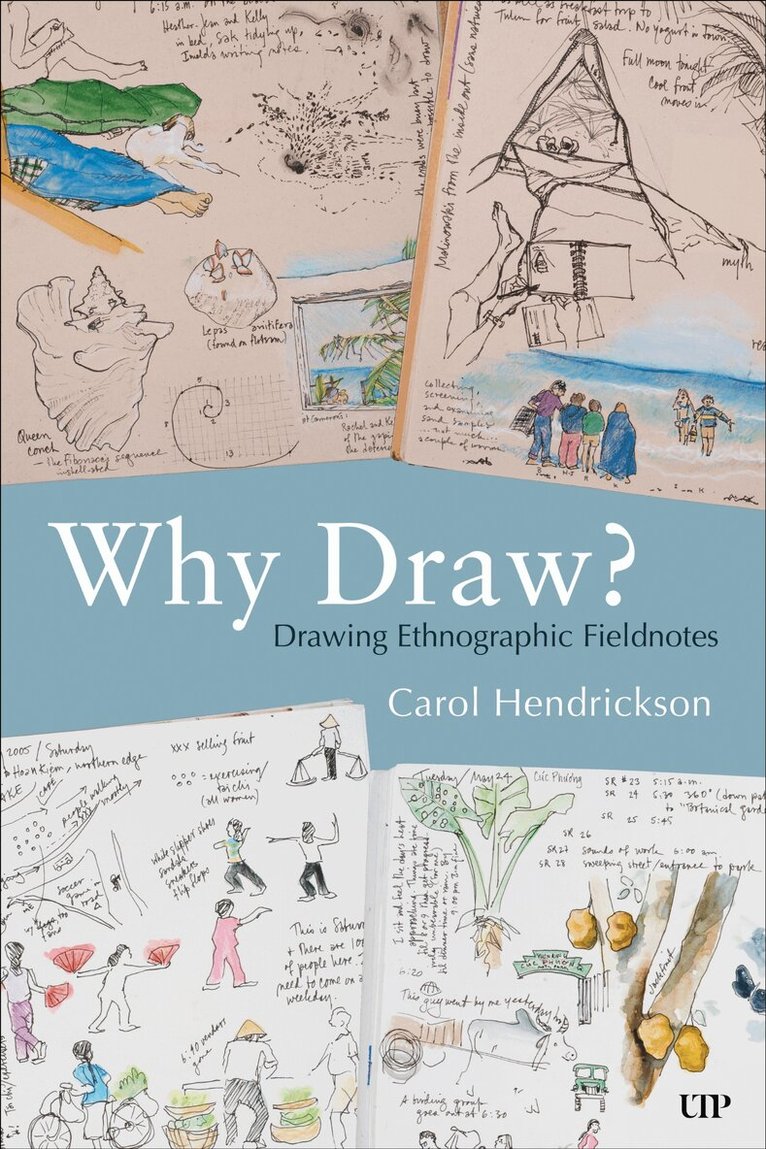
Why Draw?
Drawing Ethnographic Fieldnotes
Inbunden, 2025
1091 kr
Lägg i varukorg
In Why Draw?, Carol Hendrickson explores the potential of drawing within the context of ethnographic fieldwork. The book aims to inspire readers to immerse themselves in the generative process of thinking while seeing while drawing.To foster visual thinking and encourage experimentation, …
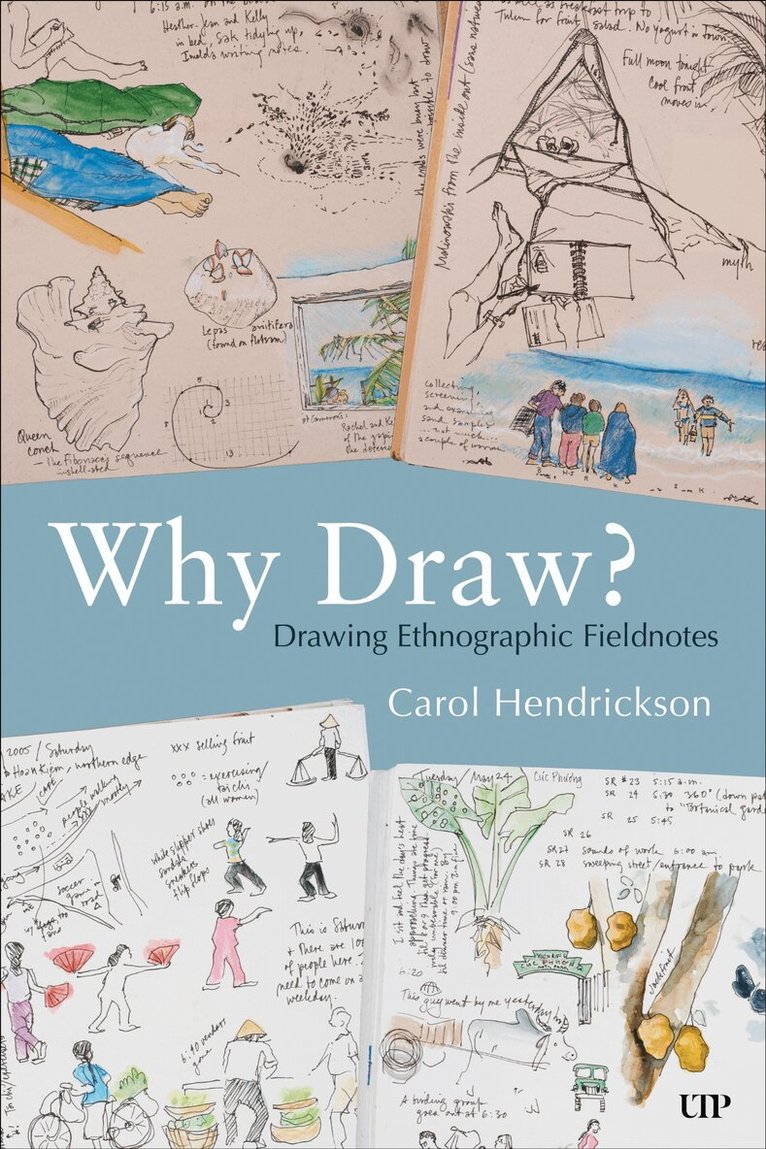
Why Draw?
Drawing Ethnographic Fieldnotes
Häftad, 2025
282 kr
Lägg i varukorg
In Why Draw?, Carol Hendrickson explores the potential of drawing within the context of ethnographic fieldwork. The book aims to inspire readers to immerse themselves in the generative process of thinking while seeing while drawing.To foster visual thinking and encourage experimentation, …