Edward F. Fischer – författare
Visar alla böcker från författaren Edward F. Fischer. Handla med fri frakt och snabb leverans.
15 produkter
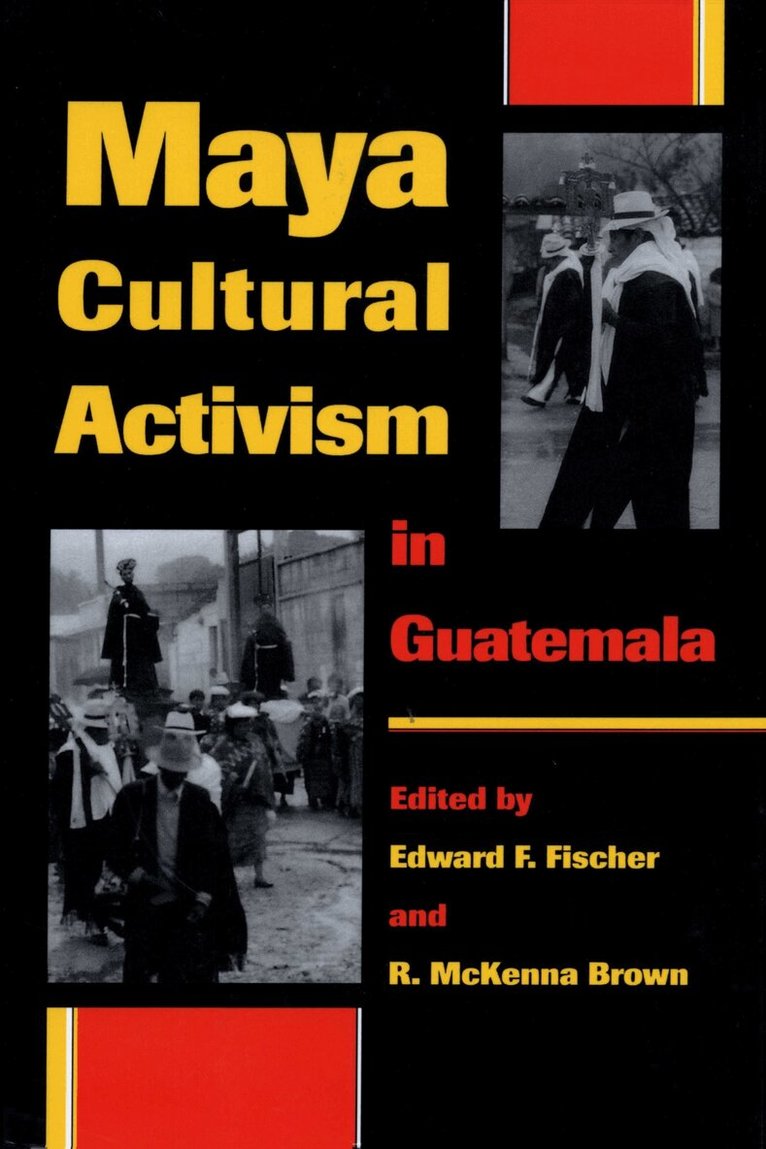
Maya Cultural Activism in Guatemala
Av Edward F. Fischer, R. McKenna Brown
Häftad, 1996
273 kr
Lägg i varukorg
Maya Cultural Activism in Guatemala marks a new era in Guatemalan studies by offering an up-to-the-minute look at the pan-Maya movement and the future of the Maya people as they struggle to regain control over their cultural destiny. The successful emergence of what is in some senses a nationalism …
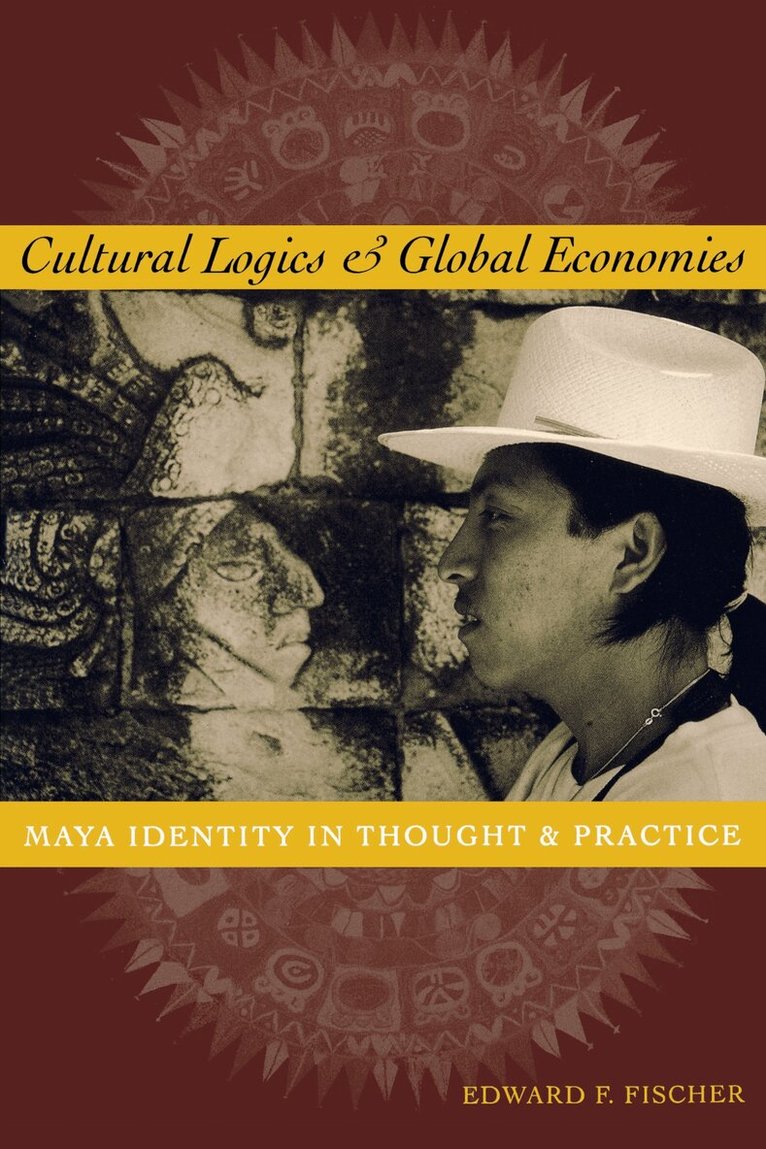
Cultural Logics and Global Economies
Maya Identity in Thought and Practice
Häftad, 2001
332 kr
Lägg i varukorg
A Choice Outstanding Academic Book, 2002As ideas, goods, and people move with increasing ease and speed across national boundaries and geographic distances, the economic changes and technological advances that enable this globalization are also paradoxically contributing to the balkanization of …
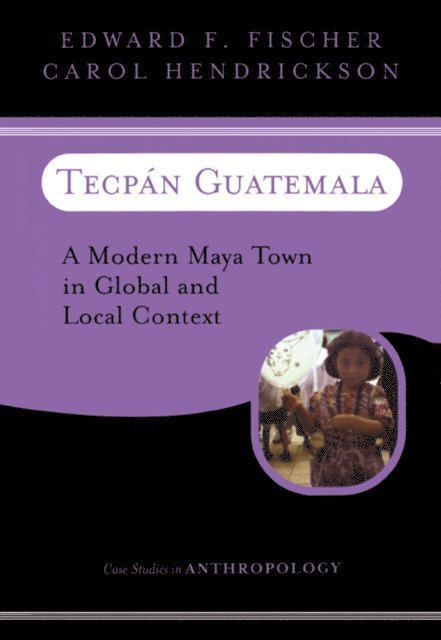
Tecpan Guatemala
A Modern Maya Town In Global And Local Context
Av Edward F Fischer, Carol Hendrickson
Inbunden, 2019
2512 kr
Lägg i varukorg
This case study of a highland Guatemala town examines what it means to be Maya in a rapidly changing and globalized world. In providing an historical synopsis of the Kaqchikel Maya from pre-Columbian and Colonial times to the present day, this volume focuses on the dynamics of clutural boundaries …
Tecpan Guatemala
A Modern Maya Town In Global And Local Context
Av Carol Hendrickson, Edward F Fischer
E-bok, 2018
762 kr
Lägg i varukorg
This book discusses the indigenous people of Tecpan Guatemala, a predominantly Kaqchikel Maya town in the Guatemalan highlands. It seeks to build on the traditional strengths of ethnography while rejecting overly romantic and isolationist tendencies in the genre.
Tecpan Guatemala
A Modern Maya Town In Global And Local Context
Av Carol Hendrickson, Edward F Fischer
E-bok, 2018
762 kr
Lägg i varukorg
This book discusses the indigenous people of Tecpan Guatemala, a predominantly Kaqchikel Maya town in the Guatemalan highlands. It seeks to build on the traditional strengths of ethnography while rejecting overly romantic and isolationist tendencies in the genre.
Making Better Coffee
How Maya Farmers and Third Wave Tastemakers Create Value
Inbunden, 2022
847 kr
Lägg i varukorg
An anthropologist uncovers how "great coffee" depends not just on taste, but also on a complex system of values worked out among farmers, roasters, and consumers.What justifies the steep prices commanded by small-batch, high-end Third Wave coffees? Making Better Coffee explores this question, …
Making Better Coffee
How Maya Farmers and Third Wave Tastemakers Create Value
Häftad, 2022
272 kr
Lägg i varukorg
An anthropologist uncovers how "great coffee" depends not just on taste, but also on a complex system of values worked out among farmers, roasters, and consumers.What justifies the steep prices commanded by small-batch, high-end Third Wave coffees? Making Better Coffee explores this question, …
Broccoli and Desire
Global Connections and Maya Struggles in Postwar Guatemala
Av Edward F. Fischer, Peter Benson
Häftad, 2006
281 kr
Lägg i varukorg
This book takes a surprising look at the hidden world of broccoli, connecting American consumers concerned about their health and diet with Maya farmers concerned about holding onto their land and making a living. Compelling life stories and rich descriptions from ethnographic fieldwork among …
Good Life
Aspiration, Dignity, and the Anthropology of Wellbeing
Inbunden, 2014
1239 kr
Lägg i varukorg
What could middle-class German supermarket shoppers buying eggs and impoverished coffee farmers in Guatemala possibly have in common? Both groups use the market in pursuit of the "good life." But what exactly is the good life? How do we define wellbeing beyond material standards of living? While we …
Good Life
Aspiration, Dignity, and the Anthropology of Wellbeing
Häftad, 2014
301 kr
Lägg i varukorg
What could middle-class German supermarket shoppers buying eggs and impoverished coffee farmers in Guatemala possibly have in common? Both groups use the market in pursuit of the "good life." But what exactly is the good life? How do we define wellbeing beyond material standards of living? While we …
Good Life
Aspiration, Dignity, and the Anthropology of Wellbeing
E-bok, 2014
356 kr
Lägg i varukorg
What could middle-class German supermarket shoppers buying eggs and impoverished coffee farmers in Guatemala possibly have in common? Both groups use the market in pursuit of the "good life." But what exactly is the good life? How do we define wellbeing beyond material standards of living? While we …
Tecpan Guatemala
A Modern Maya Town In Global And Local Context
Av Edward F Fischer, Carol Hendrickson
Häftad, 2002
648 kr
Lägg i varukorg
This book discusses the indigenous people of Tecpan Guatemala, a predominantly Kaqchikel Maya town in the Guatemalan highlands. It seeks to build on the traditional strengths of ethnography while rejecting overly romantic and isolationist tendencies in the genre.
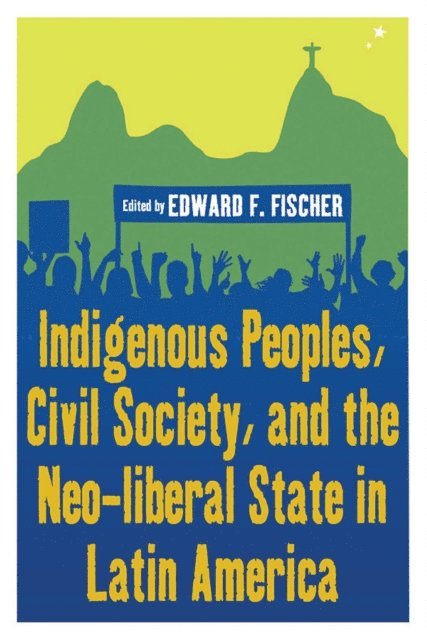
Indigenous Peoples, Civil Society, and the Neo-liberal State in Latin America
E-bok, 2008
319 kr
Lägg i varukorg
In recent years the concept and study of “civil society” has received a lot of attention from political scientists, economists, and sociologists, but less so from anthropologists. A ground-breaking ethnographic approach to civil society as it is formed in indigenous communities in Latin America, …
Indigenous Peoples, Civil Society, and the Neo-liberal State in Latin America
Häftad, 2008
527 kr
Lägg i varukorg
In recent years the concept and study of "civil society" has received a lot of attention from political scientists, economists, and sociologists, but less so from anthropologists. A ground-breaking ethnographic approach to civil society as it is formed in indigenous communities in Latin America, …
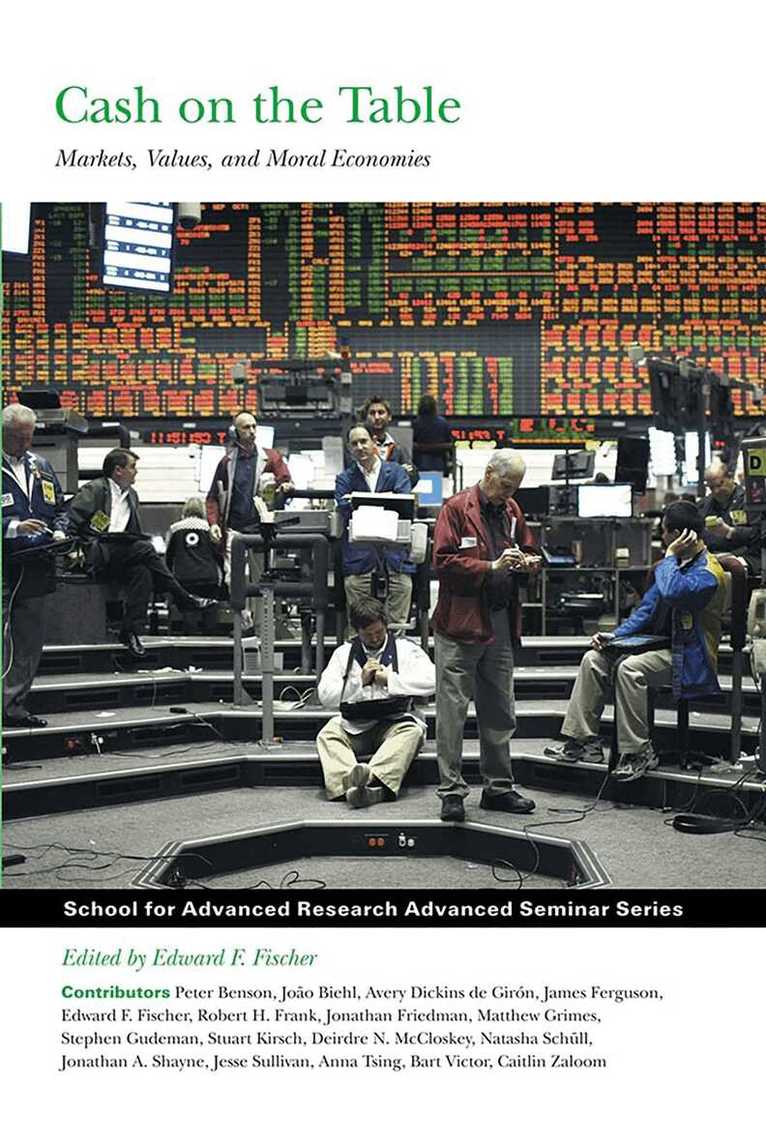
Cash on the Table
Markets, Values and Moral Economies
Häftad, 2014
613 kr
Lägg i varukorg
Moral values inform economic behaviour. On its face, this proposition is unassailable. Think of the often spiritual appeal of consumer goods or the value-laden stakes of upward or downward mobility. Think about the central role that moral questions regarding poverty, access to health care, the tax …