Carole E. Newlands – författare
Visar alla böcker från författaren Carole E. Newlands. Handla med fri frakt och snabb leverans.
15 produkter
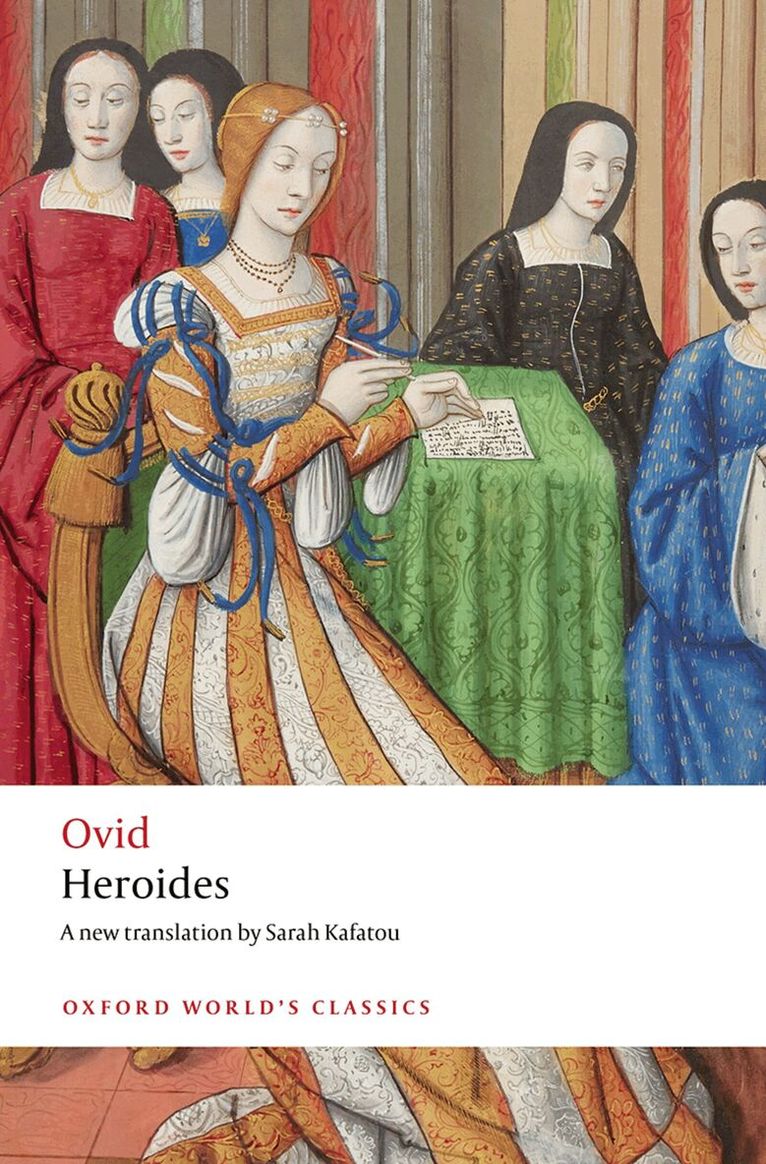
Heroides (Heroines)
Häftad, 2027
142 kr
Kommande
'They say your ship has docked in Thessalyand you're enriched with the golden fleece.Let me congratulate you on your safe return,but I'd rather have learned of it from a letter.'Ovid's Heroides (Heroines) is a unique collection of fictional letters, written by an outstanding poet of the Augustan …
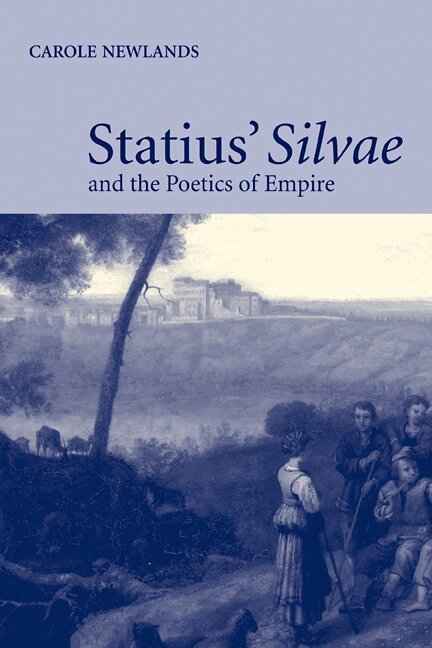
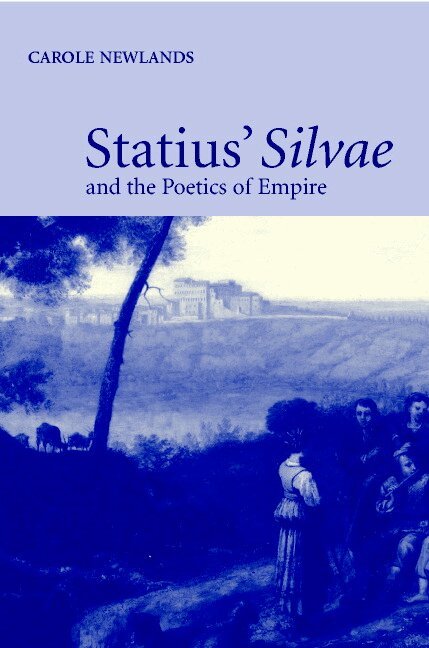
Statius' Silvae and the Poetics of Empire
Häftad, 2010
935 kr
Lägg i varukorg
Statius' Silvae, written late in the reign of Domitian (AD 81-96), are a new kind of poetry that confronts the challenge of imperial majesty or private wealth by new poetic strategies and forms. As poems of praise, they delight in poetic excess whether they honour the emperor or the poet's friends. …
Statius: Silvae Book II
Av Statius, Carole E. Newlands
Inbunden, 2011
1341 kr
Lägg i varukorg
With the exception of a poem on the unscripted death of a lion in the Colosseum, Book II of Statius' Silvae is largely domestic in theme. It reflects the more private side of Roman culture, its pleasures, houses, gardens, friendships, and personal losses; it concludes with a provocative tribute to …
Statius: Silvae Book II
Av Statius, Carole E. Newlands
Häftad, 2011
527 kr
Lägg i varukorg
With the exception of a poem on the unscripted death of a lion in the Colosseum, Book II of Statius' Silvae is largely domestic in theme. It reflects the more private side of Roman culture, its pleasures, houses, gardens, friendships, and personal losses; it concludes with a provocative tribute to …
Statius' Silvae and the Poetics of Empire
Inbunden, 2002
1235 kr
Lägg i varukorg
Statius' Silvae, written late in the reign of Domitian (AD 81-96), are a new kind of poetry that confronts the challenge of imperial majesty or private wealth by new poetic strategies and forms. As poems of praise, they delight in poetic excess whether they honour the emperor or the poet's friends. …
Ovid
E-bok, 2015
377 kr
Lägg i varukorg
Newlands provides an extensive overview and analysis of Ovid s works."
Ovid
E-bok, 2015
328 kr
Lägg i varukorg
Virgil, Horace and Ovid are often cited as the three great canonical poets of classical Roman literature. And of the three, arguably it is Ovid (43 BCE-CE 17/18) who has the most enduring legacy. Carole Newlands introduces her subject as an ancient author with a vital place in the modern cultural …
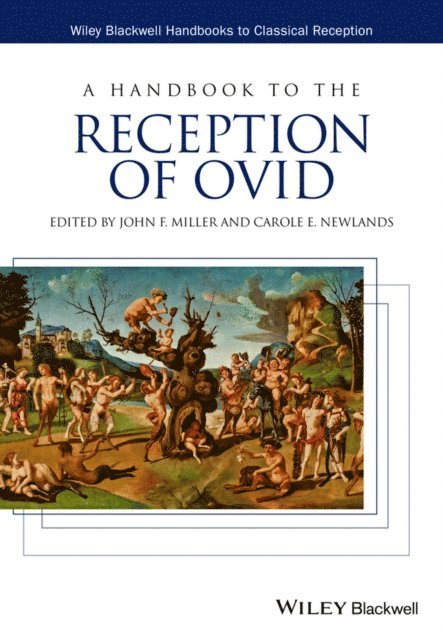
Handbook to the Reception of Ovid
Av Carole E. Newlands, John F. Miller
E-bok, 2014
3171 kr
Lägg i varukorg
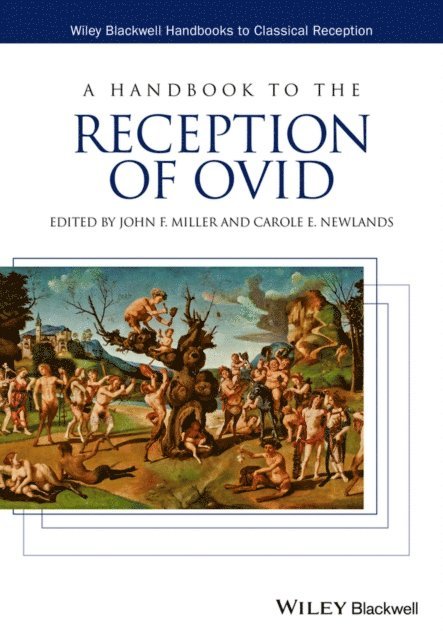
A Handbook to the Reception of Ovid presents more than 30 original essays written by leading scholars revealing the rich diversity of critical engagement with Ovid’s poetry that spans the Western tradition from antiquity to the present day. Offers innovative perspectives on Ovid’s poetry and its …
Handbook to the Reception of Ovid
Av Carole E. Newlands, John F. Miller
E-bok, 2014
3241 kr
Lägg i varukorg
A Handbook to the Reception of Ovid presents more than 30 original essays written by leading scholars revealing the rich diversity of critical engagement with Ovid’s poetry that spans the Western tradition from antiquity to the present day. Offers innovative perspectives on Ovid’s poetry and its …
Statius: Silvae Book II
Av Statius, Carole E. Newlands
E-bok, 2011
542 kr
Lägg i varukorg
With the exception of a poem on the unscripted death of a lion in the Colosseum, Book II of Statius'' Silvae is largely domestic in theme. It reflects the more private side of Roman culture, its pleasures, houses, gardens, friendships, and personal losses; it concludes with a provocative tribute to …
Statius: Silvae Book II
Av Statius, Carole E. Newlands
E-bok, 2011
554 kr
Lägg i varukorg
With the exception of a poem on the unscripted death of a lion in the Colosseum, Book II of Statius'' Silvae is largely domestic in theme. It reflects the more private side of Roman culture, its pleasures, houses, gardens, friendships, and personal losses; it concludes with a provocative tribute to …
Handbook to the Reception of Ovid
Av John F. Miller, Carole E. Newlands
Inbunden, 2014
2844 kr
Lägg i varukorg
A Handbook to the Reception of Ovid presents more than 30 original essays written by leading scholars revealing the rich diversity of critical engagement with Ovid’s poetry that spans the Western tradition from antiquity to the present day. Offers innovative perspectives on Ovid’s poetry and its …
Statius, Poet Between Rome and Naples
Av Carole E. Newlands, David Taylor
Häftad, 2012
591 kr
Lägg i varukorg
This book examines the poetry of Statius (c. 40-96 AD), in relation to significant social and cultural issues of his day, in particular shifting attitudes to Hellenism, gender and Roman imperialism. It also discusses the reception of Statius' poetry in the Middle Ages, when his reputation was at …
Ovid
Av Carole E. Newlands, Richard Stoneman
Häftad, 2015
345 kr
Lägg i varukorg
Virgil, Horace and Ovid are often cited as the three great canonical poets of classical Roman literature. And of the three, arguably it is Ovid (43 BCE-CE 17/18) who has the most enduring legacy. Carole Newlands introduces her subject as an ancient author with a vital place in the modern cultural …
Brill's Companion to Statius
Av William J. Dominik, Carole E. Newlands m. fl.
Inbunden, 2015
4011 kr
Lägg i varukorg
Brill’s Companion to Statius is the first companion volume to be published on arguably the most important Roman poet of the Flavian period. Thirty-four newly commissioned chapters from international experts provide a comprehensive overview of recent approaches to Statius, discuss the fundamental …