Caspar Pearson - Böcker
Visar alla böcker från författaren Caspar Pearson. Handla med fri frakt och snabb leverans.
2 produkter
2 produkter
411 kr
Skickas
In Humanism and the Urban World, Caspar Pearson offers a profoundly revisionist account of Leon Battista Alberti’s approach to the urban environment as exemplified in the extensive theoretical treatise De re aedificatoria (On the Art of Building in Ten Books), brought mostly to completion in the 1450s, as well as in his larger body of written work. Past scholars have generally characterized the Italian Renaissance architect and theorist as an enthusiast of the city who envisioned it as a rational, Renaissance ideal. Pearson argues, however, that Alberti’s approach to urbanism was far more complex—that he was even “essentially hostile” to the city at times. Rather than proposing the “ideal” city, Pearson maintains, Alberti presented a variety of possible cities, each one different from another. This book explores the ways in which Alberti sought to remedy urban problems, tracing key themes that manifest in De re aedificatoria. Chapters address Alberti’s consideration of the city’s possible destruction and the city’s capacity to provide order despite its intrinsic instability; his assessment of a variety of political solutions to that instability; his affinity for the countryside and discussions of the virtues of the active versus the contemplative life; and his theories of aesthetics and beauty, in particular the belief that beauty may affect the soul of an enemy and thus preserve buildings from attack.
231 kr
Skickas inom 7-10 vardagar
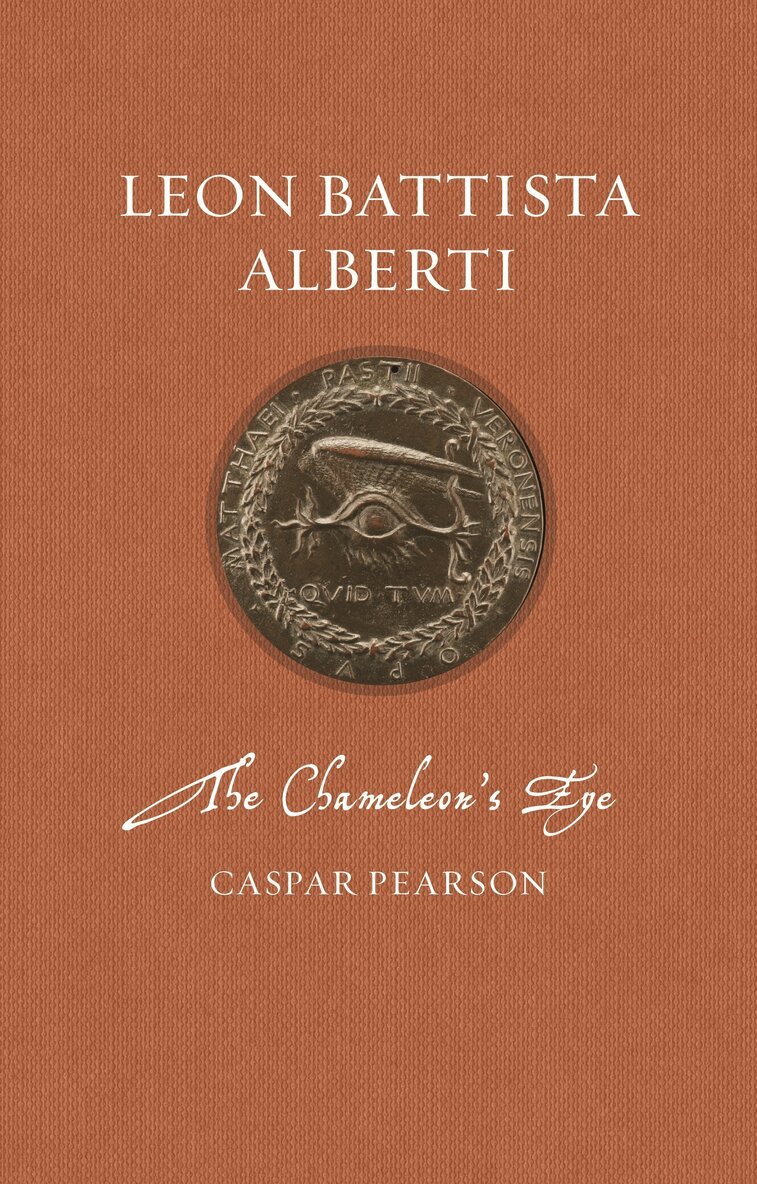
One of the most brilliant and original authors and architects of the entire Renaissance, Leon Battista Alberti had an output that encompassed engineering, surveying, cryptography, poetry, humour, political commentary and more. He employed irony, satire and playful allusion in his written works, and developed a sophisticated approach to architecture that combined the ancient and modern. Born into the Florentine elite, Alberti was nonetheless disadvantaged owing to exile and illegitimacy. As a result, he became an acute analyst of the social institutions of his time, as well as a profoundly existential writer who was intensely interested in the human condition.This new account explores Alberti’s life and works, examining how his personal and intellectual preoccupations continually pushed him to engage with an ever-broader spectrum of Renaissance culture.