Catherine M. Cameron - Böcker
Visar alla böcker från författaren Catherine M. Cameron. Handla med fri frakt och snabb leverans.
8 produkter
8 produkter
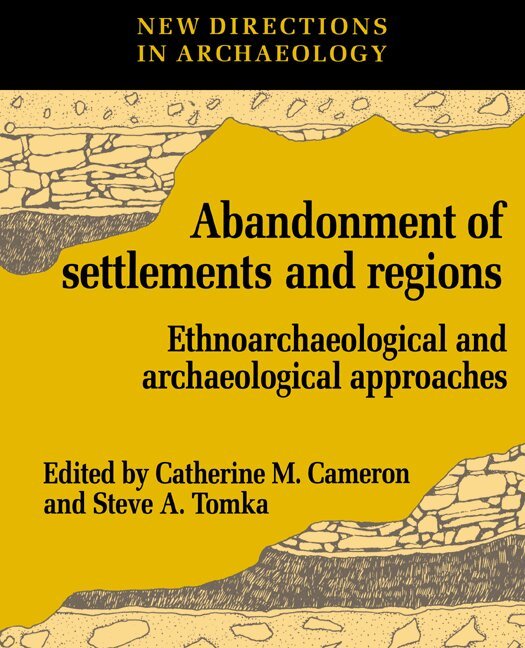
The Abandonment of Settlements and Regions
Ethnoarchaeological and Archaeological Approaches
Häftad, Engelska, 1996
563 kr
Skickas inom 7-10 vardagar
All archaeological sites have been abandoned, but people abandoned sites in many different ways, and for different reasons. What they did when leaving a settlement, structure, or activity area had a direct effect on the kind and quality of the cultural remains entering the archaeological record - for example, whether tools were removed, destroyed, or buried in the ground, and building structures dismantled or left standing. This book examines abandonment as a stage in the formation of an archaeological site, and relies on ethnoarchaelogical and archaeological data from many areas of the world - North and South America, Europe, Africa, and the Near East. It documents the many complex factors surrounding abandonment both across entire regions and within settlement areas, and makes an important theoretical and methodological contribution to this area of archaeological investigation.
447 kr
Skickas inom 10-15 vardagar
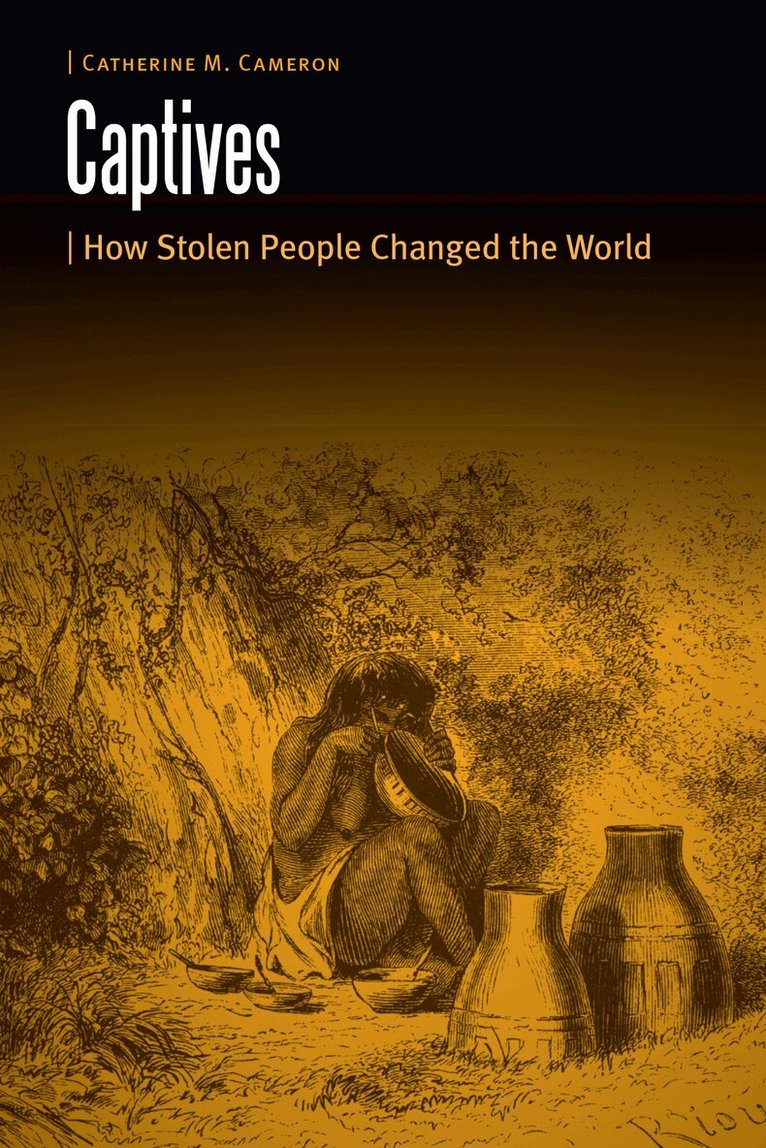
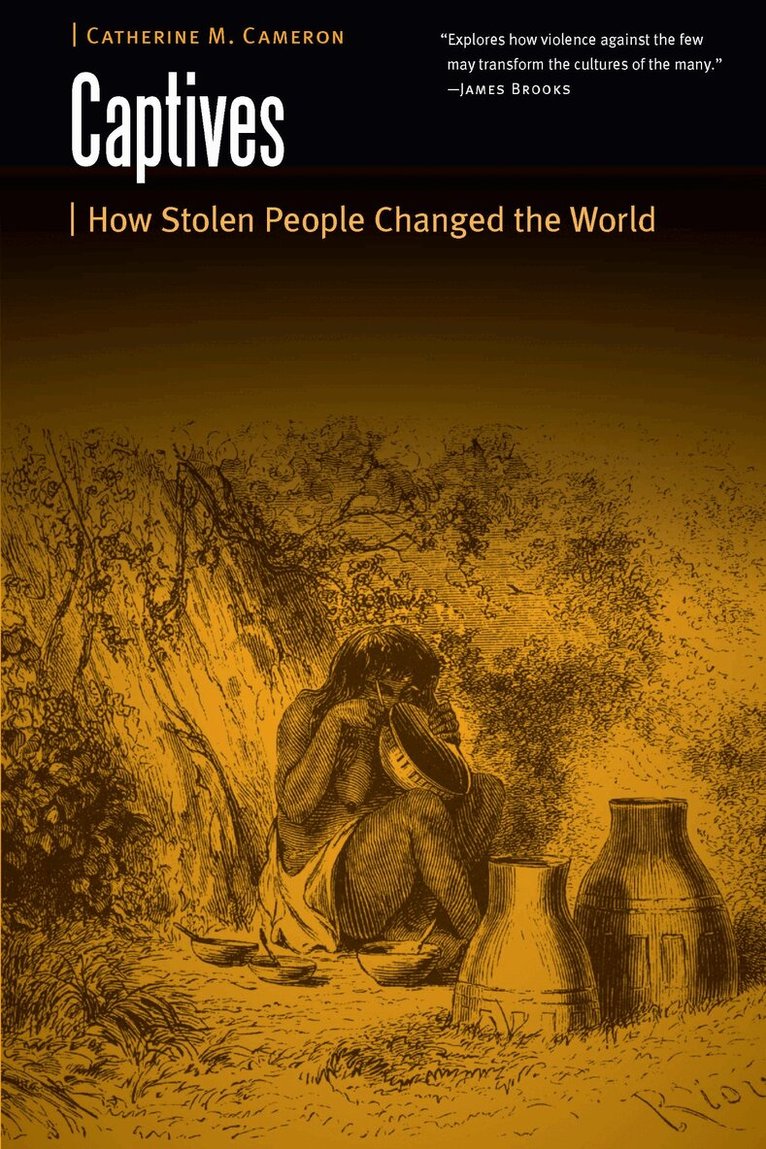
In Captives: How Stolen People Changed the World archaeologist Catherine M. Cameron provides an eye-opening comparative study of the profound impact captives of warfare and raiding have had on small-scale societies through time. Cameron provides a new point of orientation for archaeologists, anthropologists, historians, and other scholars by illuminating the impact that captive-taking and enslavement have had on cultural change, with important implications for understanding the past.Focusing primarily on indigenous societies in the Americas while extending the comparative reach to include Europe, Africa, and Island Southeast Asia, Cameron draws on ethnographic, ethnohistoric, historic, and archaeological data to examine the roles that captives played in small-scale societies. In such societies, captives represented an almost universal social category consisting predominantly of women and children and constituting 10 to 50 percent of the population in a given society. Cameron demonstrates how captives brought with them new technologies, design styles, foodways, religious practices, and more, all of which changed the captor culture.This book provides a framework that will enable archaeologists to understand the scale and nature of cultural transmission by captives, and it will also interest anthropologists, historians, and other scholars who study captive-taking and slavery. Cameron’s exploration of the peculiar amnesia that surrounds memories of captive-taking and enslavement around the world also establishes a connection with unmistakable contemporary relevance.
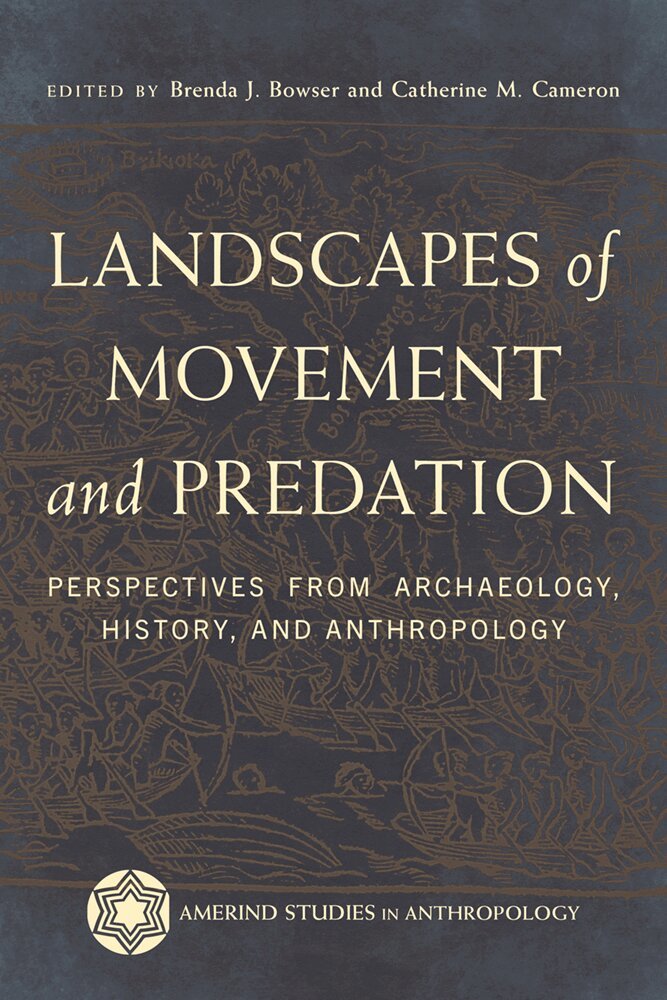
Landscapes of Movement and Predation
Perspectives from Archaeology, History, and Anthropology
Inbunden, Engelska, 2024
818 kr
Skickas inom 7-10 vardagar
Landscapes of Movement and Predation is a global study of times and places where people were subject to brutality, displacement, and loss of life, liberty, livelihood, and possessions. Extensive landscapes of predation emerged in the colonial era when Europeans expanded across much of the world, appropriating land and demanding labor from Indigenous people, resulting in the enslavement of millions of Africans and Indigenous Americans.Landscapes of predation also developed in precolonial times in places where people were subjected to repeated ruthless attacks and dislocation. With contributions from archaeologists and a historian, the book provides a startling new perspective on an aspect of the past that is often overlooked: the role of violence in shaping where, how, and with whom people lived. Using ethnohistoric, ethnographic, historic, and archaeological data, the authors explore the actions of both predators and their targets and uncover the myriad responses people took to protect themselves. ContributorsFernando AlmeidaThomas John BiginagwaBrenda J. BowserCatherine M. CameronCharles CobbRobbie EthridgeThiago KaterRichard M. LeventhalLydia Wilson MarshallCliverson PessoaNeil PriceBen RaffieldAndrÉs ResÉndezSamantha SeylerFabÍola AndrÉa Silva
254 kr
Kommande
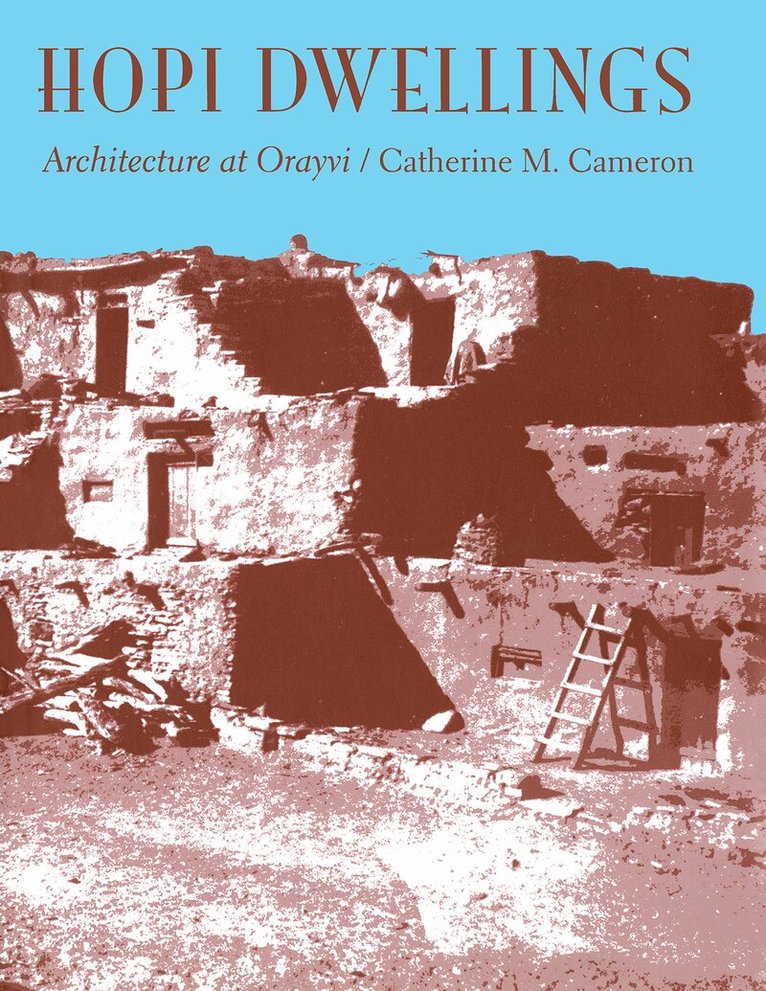
The dramatic split of the Hopi community of Orayvi in 1906 had lasting consequences not only for the people of Third Mesa but also for the very buildings around which they centered their lives. This book examines architectural and other effects of that split, using architectural change as a framework with which to understand social and cultural processes at prehistoric Southwestern pueblos. Catherine Cameron examines architectural change at Orayvi from 1871 to 1948, a period of great demographic and social upheaval. Her study is unique in its use of historic photographs to document and understand abandonment processes and apply that knowledge to prehistoric sites. Photos taken by tourists, missionaries, and early anthropologists during the late nineteenth century portray original structures, while later photos show how Orayvi buildings changed over a period of almost eighty years. Census data relating to house size and household configuration shed additional light on social change in the pueblo. Examining change at Orayvi afforded an opportunity to study the architectural effects of an event that must have happened many times in the past--the partial abandonment of a pueblo--by tracing the effects of sudden population decline on puebloan architecture. Cameron's work provides clues to how and why villages were abandoned and re-established repeatedly in the prehistoric Southwest as it offers a unique window on the relationship between Pueblo houses and the living people who occupied them.
Landscapes of Movement and Predation
Perspectives from Archaeology, History, and Anthropology
Häftad, Engelska, 2026
399 kr
Skickas inom 7-10 vardagar
Landscapes of Movement and Predation is a global study of times and places where people were subject to brutality, displacement, and loss of life, liberty, livelihood, and possessions. Extensive landscapes of predation emerged in the colonial era when Europeans expanded across much of the world, appropriating land and demanding labor from Indigenous people, resulting in the enslavement of millions of Africans and Indigenous Americans. Landscapes of predation also developed in precolonial times in places where people were subjected to repeated ruthless attacks and dislocation. With contributions from archaeologists and a historian, the book provides a startling new perspective on an aspect of the past that is often overlooked: the role of violence in shaping where, how, and with whom people lived. Using ethnohistoric, ethnographic, historic, and archaeological data, the authors explore the actions of both predators and their targets and uncover the myriad responses people took to protect themselves. Contributors Fernando Almeida Thomas John Biginagwa Brenda J. Bowser Catherine M. Cameron Charles Cobb Robbie Ethridge Thiago Kater Richard M. Leventhal Lydia Wilson Marshall Cliverson Pessoa Neil Price Ben Raffield AndrÉs ResÉndez Samantha Seyler FabÍola AndrÉa Silva
1 743 kr
Skickas inom 7-10 vardagar
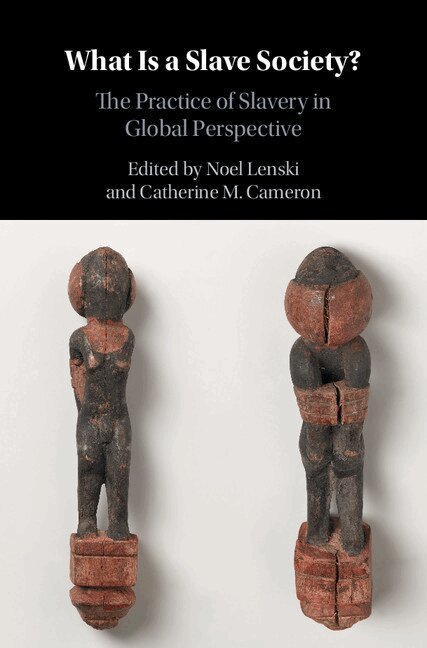
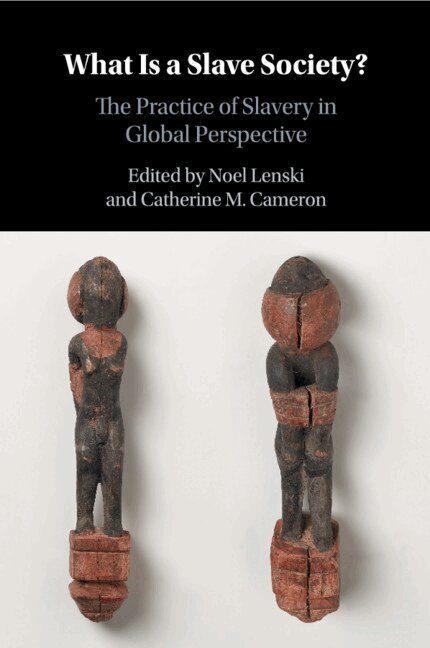
The practice of slavery has been common across a variety of cultures around the globe and throughout history. Despite the multiplicity of slavery's manifestations, many scholars have used a simple binary to categorize slave-holding groups as either 'genuine slave societies' or 'societies with slaves'. This dichotomy, as originally proposed by ancient historian Moses Finley, assumes that there were just five 'genuine slave societies' in all of human history: ancient Greece and Rome, and the colonial Caribbean, Brazil, and the American South. This book interrogates this bedrock of comparative slave studies and tests its worth. Assembling contributions from top specialists, it demonstrates that the catalogue of five must be expanded and that the model may need to be replaced with a more flexible system that emphasizes the notion of intensification. The issue is approached as a question, allowing for debate between the seventeen contributors about how best to conceptualize the comparative study of human bondage.
496 kr
Skickas inom 7-10 vardagar
The practice of slavery has been common across a variety of cultures around the globe and throughout history. Despite the multiplicity of slavery's manifestations, many scholars have used a simple binary to categorize slave-holding groups as either 'genuine slave societies' or 'societies with slaves'. This dichotomy, as originally proposed by ancient historian Moses Finley, assumes that there were just five 'genuine slave societies' in all of human history: ancient Greece and Rome, and the colonial Caribbean, Brazil, and the American South. This book interrogates this bedrock of comparative slave studies and tests its worth. Assembling contributions from top specialists, it demonstrates that the catalogue of five must be expanded and that the model may need to be replaced with a more flexible system that emphasizes the notion of intensification. The issue is approached as a question, allowing for debate between the seventeen contributors about how best to conceptualize the comparative study of human bondage.
268 kr
Skickas inom 10-15 vardagar
In Captives: How Stolen People Changed the World archaeologist Catherine M. Cameron provides an eye-opening comparative study of the profound impact captives of warfare and raiding have had on small-scale societies through time. Cameron provides a new point of orientation for archaeologists, anthropologists, historians, and other scholars by illuminating the impact that captive-taking and enslavement have had on cultural change, with important implications for understanding the past.Focusing primarily on indigenous societies in the Americas while extending the comparative reach to include Europe, Africa, and Island Southeast Asia, Cameron draws on ethnographic, ethnohistoric, historic, and archaeological data to examine the roles that captives played in small-scale societies. In such societies, captives represented an almost universal social category consisting predominantly of women and children and constituting 10 to 50 percent of the population in a given society. Cameron demonstrates how captives brought with them new technologies, design styles, foodways, religious practices, and more, all of which changed the captor culture.This book provides a framework that will enable archaeologists to understand the scale and nature of cultural transmission by captives, and it will also interest anthropologists, historians, and other scholars who study captive-taking and slavery. Cameron’s exploration of the peculiar amnesia that surrounds memories of captive-taking and enslavement around the world also establishes a connection with unmistakable contemporary relevance.