C.E. Haque - Böcker
Visar alla böcker från författaren C.E. Haque. Handla med fri frakt och snabb leverans.
4 produkter
4 produkter
1 589 kr
Skickas inom 10-15 vardagar
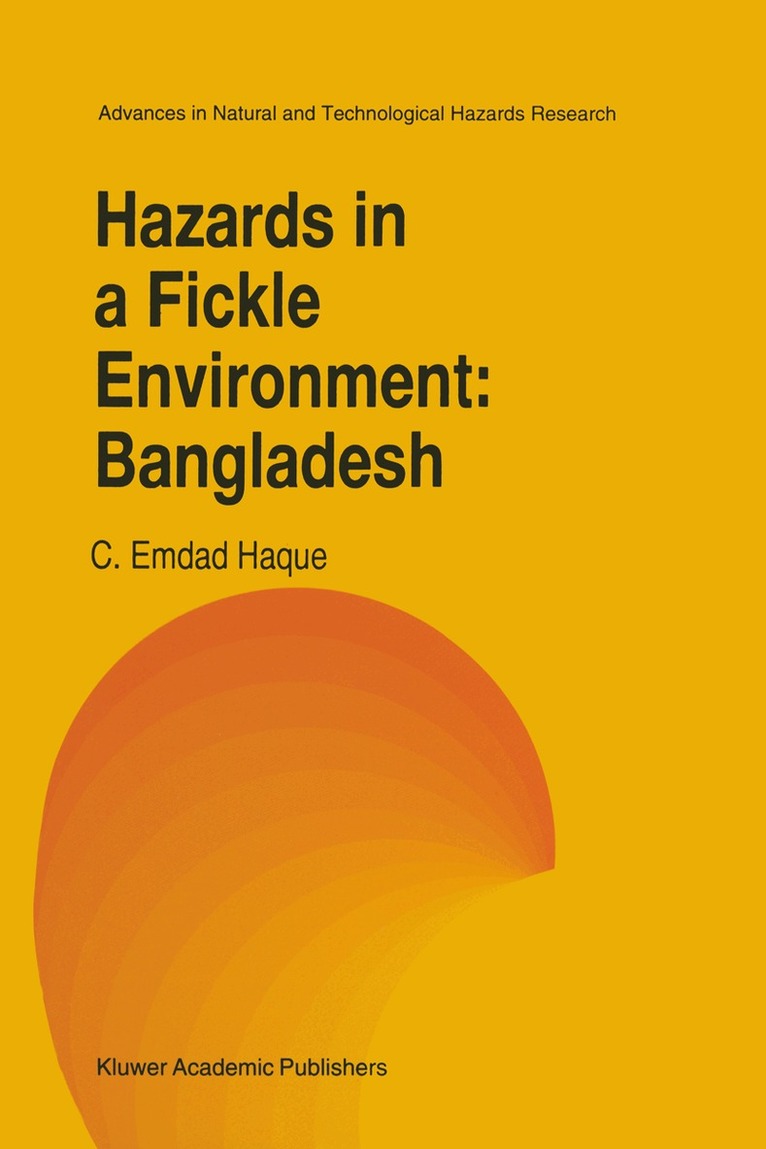
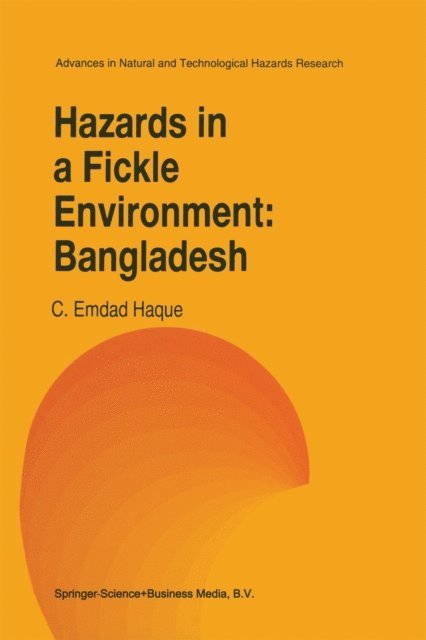
Presenting first-hand longitudinal research on the riverine hazards in Bangladesh, this interdisciplinary text addresses the profound significance of the societal aspects and human-geographical dimensions of natural disasters. The characteristics and nature of responses to floods and riverbank-erosion hazards are examined, as well as the assessment of their impact. The book argues that disaster impacts are caused as much by social, economic, political and cultural factors as they are by the fickle physical environment of the quaternary alluvial flood-plains, and that massive physical-structural intervention in event controlling could become ineffective. A new approach is offered which considers the ecological sensitivity and dynamics of the Ganges-Brahmaputra deltaic system, and the related socio-cultural adaptations of people to these riverine events. Intended for research scientists and students of geography, anthropology, ecology and environmental, population and development studies, the book is also aimed at professionals specializing in natural and anthropogenic disasters.
1 589 kr
Skickas inom 10-15 vardagar
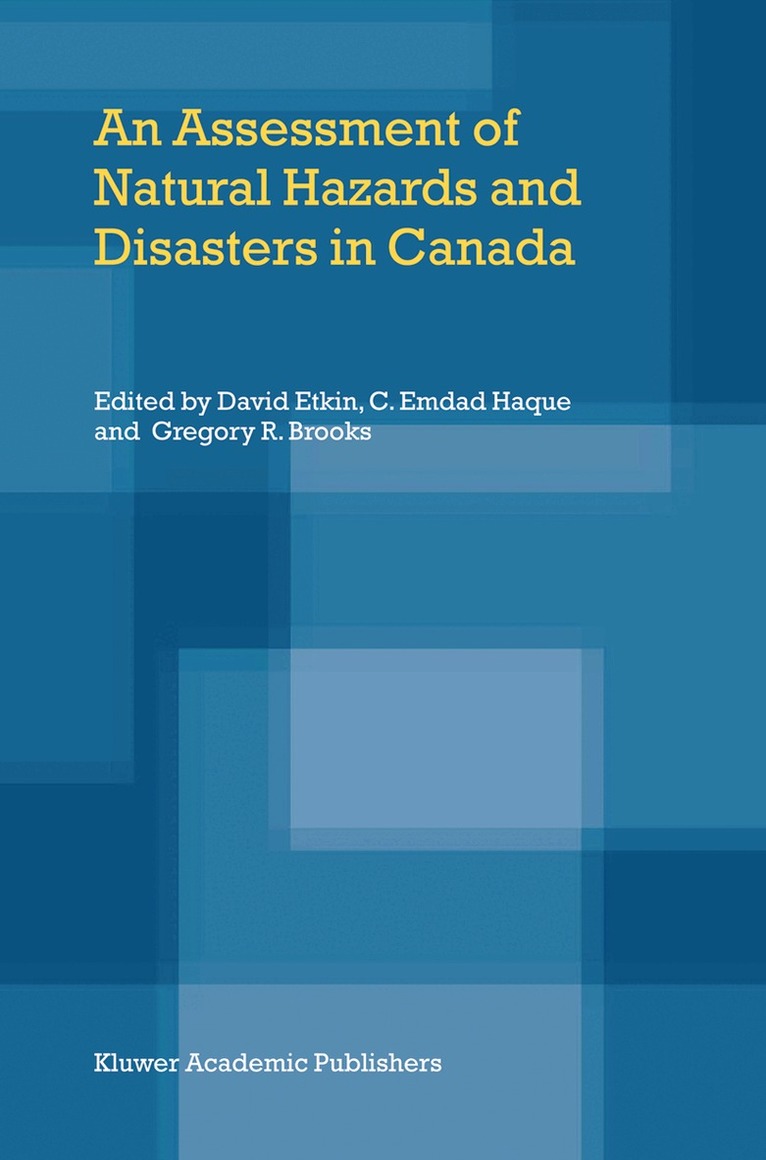
The problems and issues of natural hazards and disasters, both globally and in Canada, are becoming increasingly important since the costs of extreme natural events have been escalating, and significant vulnerabilities exist in Canadian society. Without thoughtful and effective mitigation, these costs and human suffering are likely to continue to increase. This book on natural hazards and disasters in Canada is a comprehensive interdisciplinary publication on this subject, and is the result of a national assessment on this topic. A variety of papers from the physical and social sciences explores both the risks associated with these hazards, and adaptive strategies that can be used to reduce those risks.
1 589 kr
Skickas inom 10-15 vardagar
The problems and issues of natural hazards and disasters, both globally and in Canada, are becoming increasingly important since the costs of extreme natural events have been escalating, and significant vulnerabilities exist in Canadian society. Without thoughtful and effective mitigation, these costs and human suffering are likely to continue to increase. An assessment of knowledge, research, and practice in risk, hazards and disasters fields is a fundamental step towards the goal of prevention and mitigation.This book on natural hazards and disasters in Canada is the first comprehensive interdisciplinary publication on this subject, and is the result of a national assessment on this topic. A variety of papers from the physical and social sciences explores both the risks associated with these hazards, and adaptive strategies that can be used to reduce those risks.Audience: This excellent collection of papers is intended for academics, professionals and practitioners involved in hazard reduction activities who wish to obtain a better understanding of Canadian natural hazards.
1 589 kr
Skickas inom 10-15 vardagar
This book evolved from a collaborative research project between the University of Manitoba, Canada and Jahangirnagar University, Bangladesh, which commenced in 1984 to study the problems of river channel migration, rural population displacement and land relocation in Bangladesh. The study was sponsored by the International Development Research Center (IDRC), based in Ottawa, Canada. It was through this project that I started my journey into disaster research more than thirteen years ago with basically an applied problem of massive magnitude in Bangladesh. I spent two- and-a half-years, in two stages, in Bangladesh's riparian villages to collect the empirical data for this study. Then the growing disaster discourse throughout the 1980s, especially its conceptual and theoretical areas, drew me in further, gluing my interest to these issues. In the 1990s, during my research and teaching at Brandon University, Canada, I realized that, despite the large body of literature on natural disasters, there was no work that synthesized the approaches to nature-triggered disasters in a comprehensive form, with sufficient empirical substantiation. In addition, despite the great deal of attention given to disasters in Bangladesh, I found no detailed reference book on the topic. Natural hazards and disasters, in my view, should be studied under a holistic framework encompassing the natural environment, society and individuals. Overreaction to the limitations of technocratic-scientific approaches-the control and prevention of physical events through specialized knowledge and skills-has resulted in a call for "taking the naturalness out of natural disasters.