Chantal Zabus – författare
Visar alla böcker från författaren Chantal Zabus. Handla med fri frakt och snabb leverans.
19 produkter
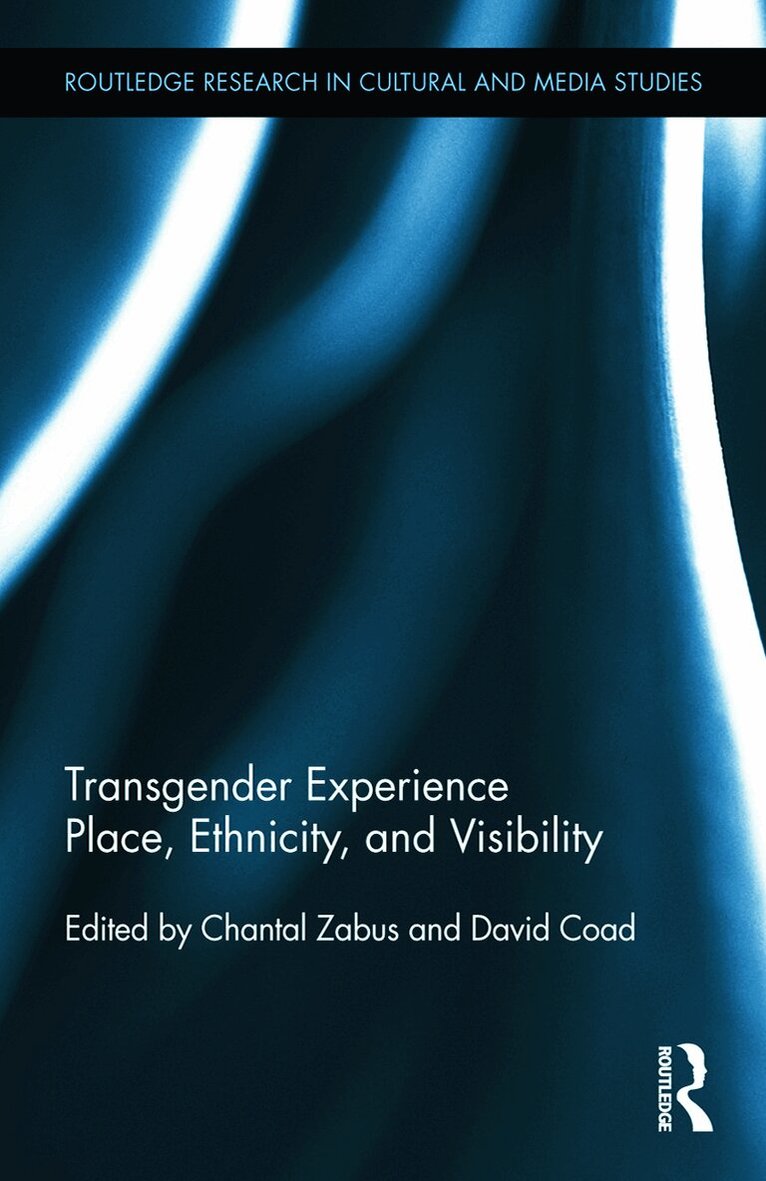
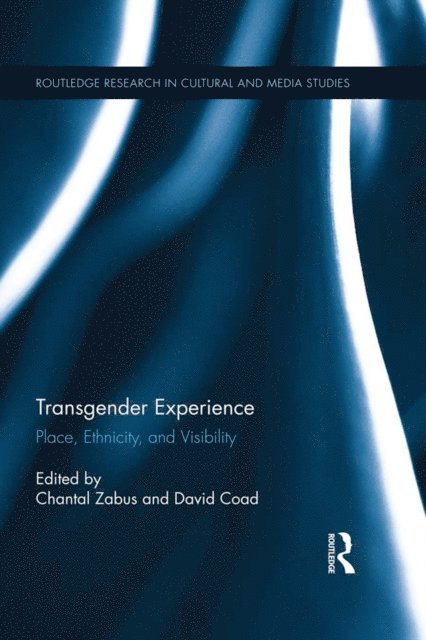
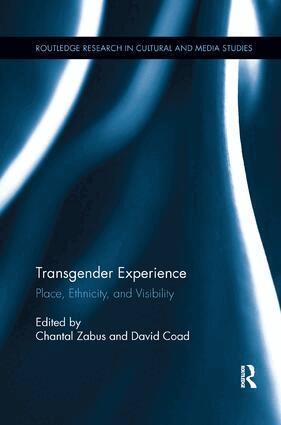
Transgender Experience
Place, Ethnicity, and Visibility
Inbunden, 2013
2513 kr
Lägg i varukorg
This collection by trans and non-trans academics and artists from the United States, the UK, and continental Europe, examines how transgenderism can be conceptualized in a literary, biographical, and autobiographical framework, with emphasis on place, ethnicity and visibility. The volume covers the …
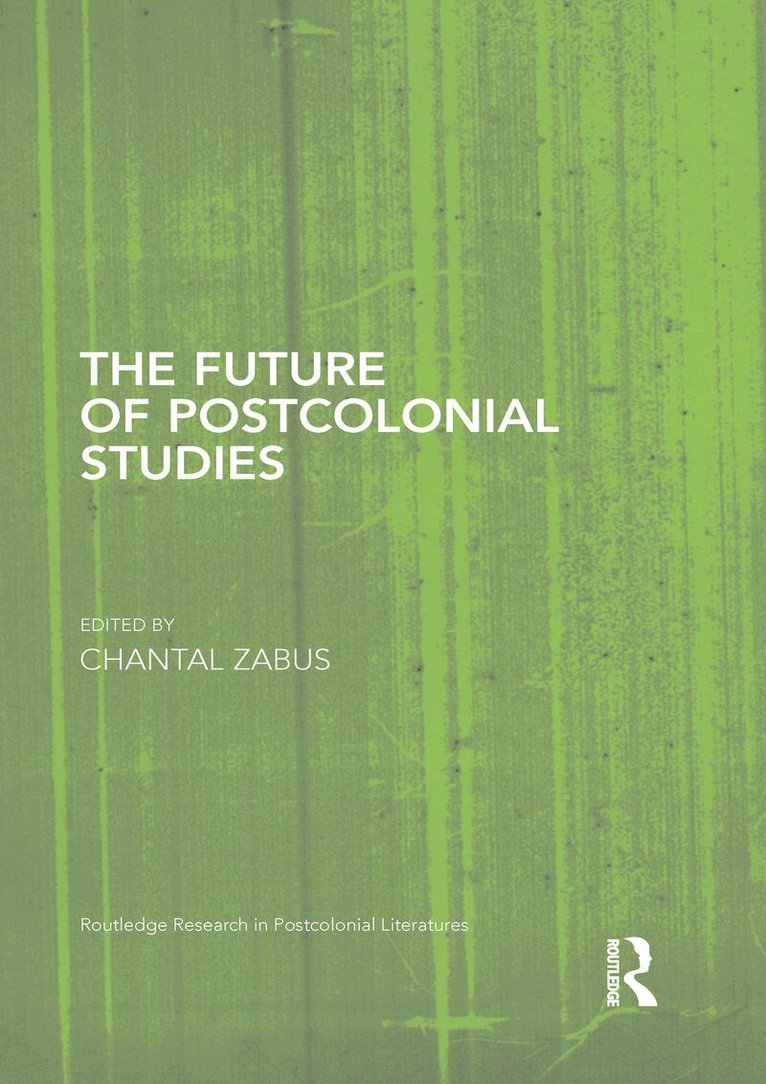
Future of Postcolonial Studies
Inbunden, 2014
2890 kr
Lägg i varukorg
The Future of Postcolonial Studies celebrates the twenty-fifth anniversary of the publication of The Empire Writes Back by the now famous troika - Bill Ashcroft, Gareth Griffiths and Helen Tiffin. When The Empire Writes Back first appeared in 1989, it put postcolonial cultures and their …
Colonization or Globalization?
Postcolonial Explorations of Imperial Expansion
Av Silvia Nagy-Zekmi, Chantal Zabus
Inbunden, 2009
1350 kr
Lägg i varukorg
This book articles presents new scholarship on the subject of imperial expansion through colonization and globalization from a variety of postcolonial perspectives. The essays in this volume, grouped in three chapters, scrutinize imperial expansion within the context of national identities and …
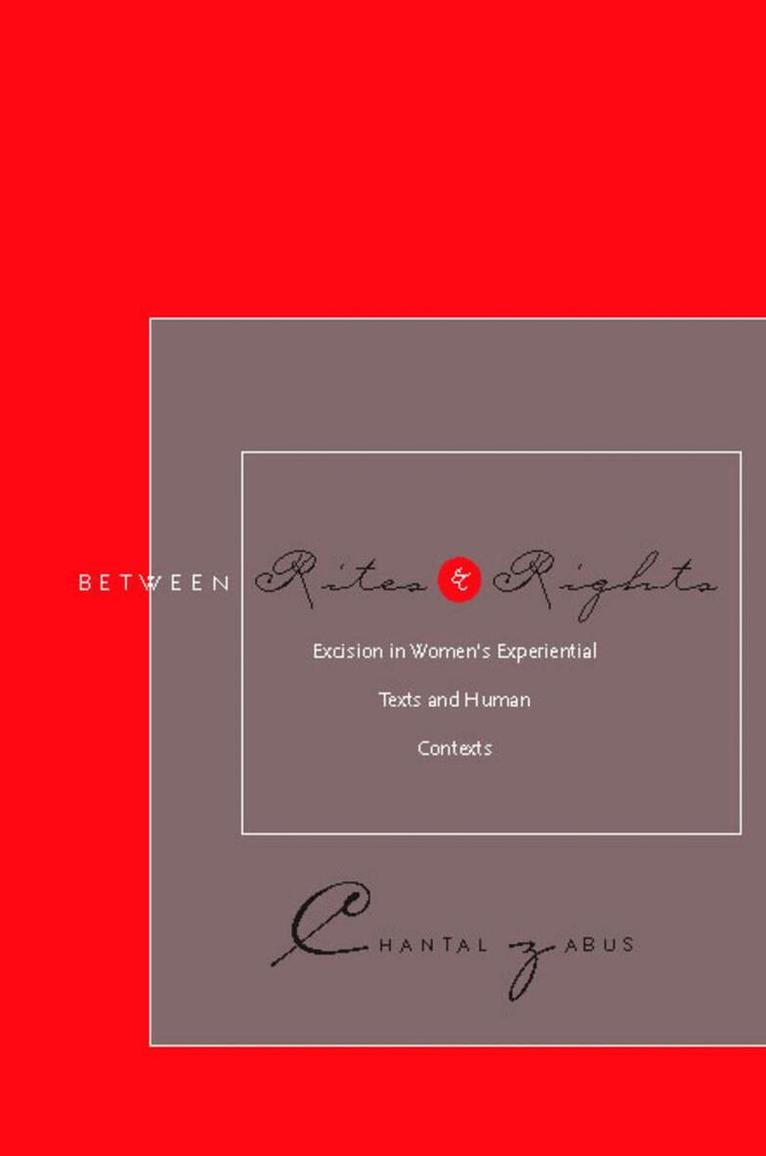
Between Rites and Rights
Excision in Women's Experiential Texts and Human Contexts
Inbunden, 2007
1113 kr
Lägg i varukorg
In the past five decades and over three generations, African women writers have introduced a new autobiographical discourse around their experience of excision that brings nuance to the Female Genital Mutilation debate. Spanning pharaonic times through classical antiquity to the onset of the …
Future of Postcolonial Studies
E-bok, 2014
1115 kr
Lägg i varukorg
The Future of Postcolonial Studies celebrates the twenty-fifth anniversary of the publication of The Empire Writes Back by the now famous troika - Bill Ashcroft, Gareth Griffiths and Helen Tiffin. When The Empire Writes Back first appeared in 1989, it put postcolonial cultures and their …
Future of Postcolonial Studies
E-bok, 2014
1115 kr
Lägg i varukorg
The Future of Postcolonial Studies celebrates the twenty-fifth anniversary of the publication of The Empire Writes Back by the now famous troika - Bill Ashcroft, Gareth Griffiths and Helen Tiffin. When The Empire Writes Back first appeared in 1989, it put postcolonial cultures and their …
Transgender Experience
Place, Ethnicity, and Visibility
E-bok, 2013
1044 kr
Lägg i varukorg
This collection by trans and non-trans academics and artists from the United States, the UK, and continental Europe, examines how transgenderism can be conceptualized in a literary, biographical, and autobiographical framework, with emphasis on place, ethnicity and visibility. The volume covers the …
Transgender Experience
Place, Ethnicity, and Visibility
E-bok, 2013
1075 kr
Lägg i varukorg
This collection by trans and non-trans academics and artists from the United States, the UK, and continental Europe, examines how transgenderism can be conceptualized in a literary, biographical, and autobiographical framework, with emphasis on place, ethnicity and visibility. The volume covers the …
Future of Postcolonial Studies
Häftad, 2018
945 kr
Lägg i varukorg
The Future of Postcolonial Studies celebrates the twenty-fifth anniversary of the publication of The Empire Writes Back by the now famous troika - Bill Ashcroft, Gareth Griffiths and Helen Tiffin. When The Empire Writes Back first appeared in 1989, it put postcolonial cultures and their …
Transgender Experience
Place, Ethnicity, and Visibility
Häftad, 2018
793 kr
Lägg i varukorg
This collection by trans and non-trans academics and artists from the United States, the UK, and continental Europe, examines how transgenderism can be conceptualized in a literary, biographical, and autobiographical framework, with emphasis on place, ethnicity and visibility. The volume covers the …
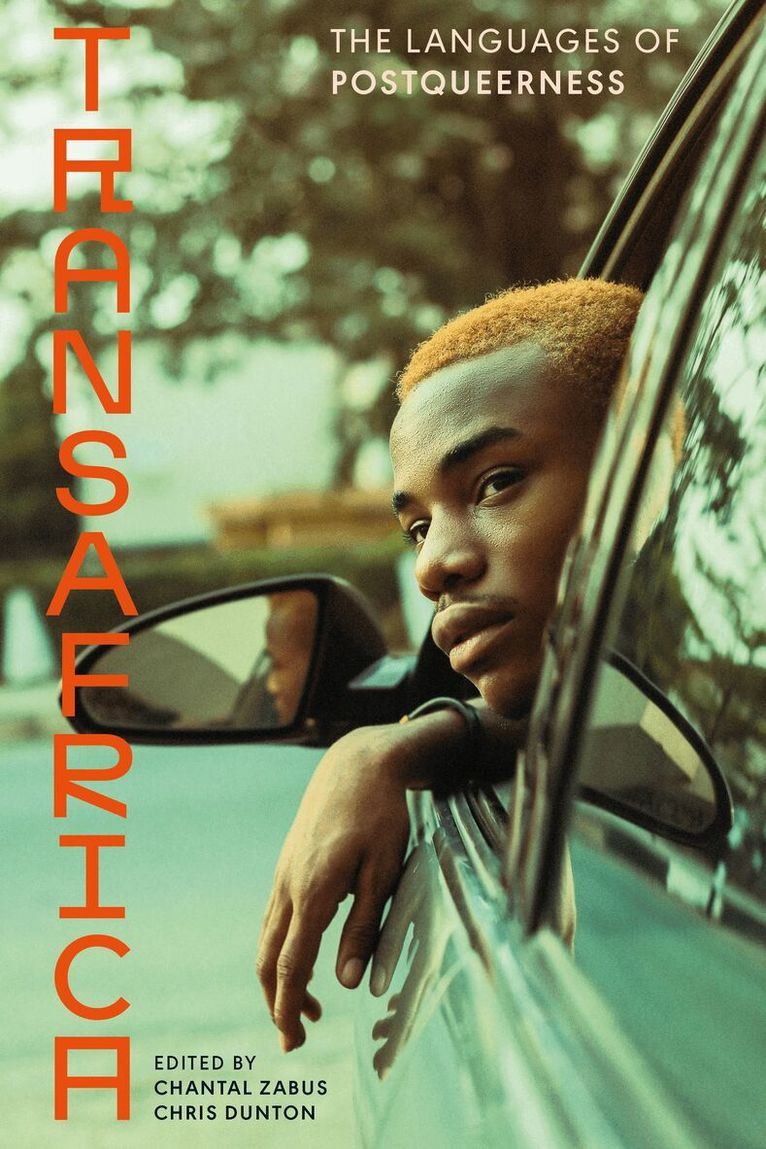
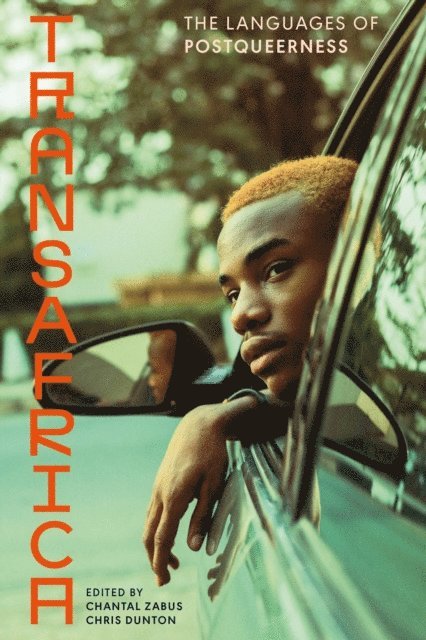
Transafrica
The Languages of Postqueerness
Av Chantal Zabus, Chris Dunton
Inbunden, 2025
925 kr
Lägg i varukorg
Transafrica explores this new lexical culture in cultural materials (novels, poetry, testimonies/life stories, interviews, film, visual art) in English, French, Arabic and other selected African languages, and the meanings which Africans have transnationally conferred upon “queer” and …
Transafrica
The Languages of Postqueerness
Av Chantal Zabus, Chris Dunton
Häftad, 2025
315 kr
Lägg i varukorg
Transafrica explores this new lexical culture in cultural materials (novels, poetry, testimonies/life stories, interviews, film, visual art) in English, French, Arabic and other selected African languages, and the meanings which Africans have transnationally conferred upon “queer” and …
Transafrica
The Languages of Postqueerness
Av Chantal Zabus, Chris Dunton
E-bok, 2025
343 kr
Lägg i varukorg
Transafrica explores this new lexical culture in cultural materials (novels, poetry, testimonies/life stories, interviews, film, visual art) in English, French, Arabic and other selected African languages, and the meanings which Africans have transnationally conferred upon “queer” and …
Transafrica
The Languages of Postqueerness
Av Chantal Zabus, Chris Dunton
E-bok, 2025
343 kr
Lägg i varukorg
Transafrica explores this new lexical culture in cultural materials (novels, poetry, testimonies/life stories, interviews, film, visual art) in English, French, Arabic and other selected African languages, and the meanings which Africans have transnationally conferred upon “queer” and …
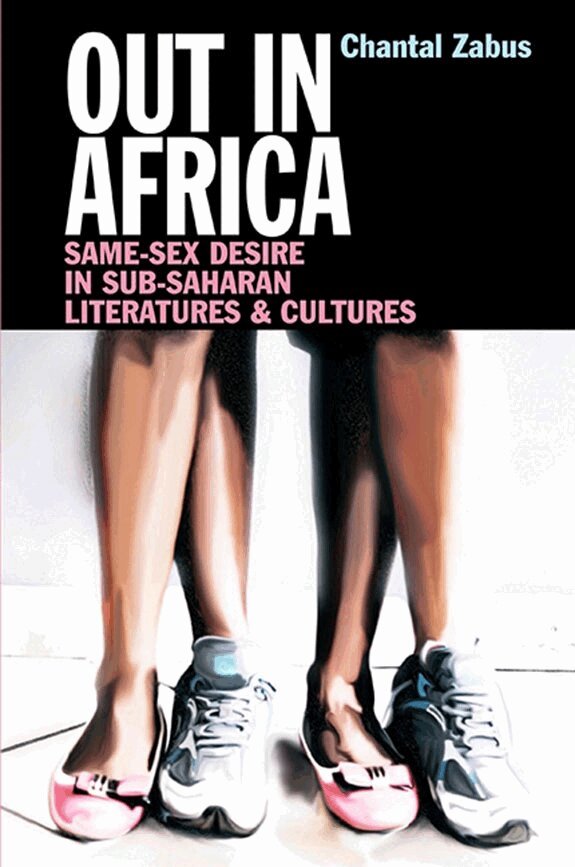
Out in Africa
Same-Sex Desire in Sub-Saharan Literatures & Cultures
Inbunden, 2013
1419 kr
Lägg i varukorg
Homophobia is still rife and it remains dangerous and even life-threatening to be out in Africa, but Chantal Zabus here traces the range of representations of same-sex desire in Africa through historic and contemporary sources.Homosexuality was and still is thought to be quintessentially …
Entre foi, lois et droits
L'expérience de l'excision en textes et en contextes
Häftad, 2016
533 kr
Lägg i varukorg
Changements Au Feminin En Afrique Noire
Anthropologie et Littérature Volume II
Häftad, 2000
206 kr
Lägg i varukorg
Literatures Without Identity
Relationalities and Post-Identities in the Late Anthropocene
Häftad, 2027
302 kr
Kommande
Chantal Zabus develops the notion of 'post-identity' and documents the gradual dissolution of the traditional pillars of identity formation through readings of postcolonial, Indigenous and diasporic literature.Literatures without Identity argues that the four bastions of identity formation have …
Literatures Without Identity
Relationalities and Post-Identities in the Late Anthropocene
Inbunden, 2027
1388 kr
Kommande
Chantal Zabus develops the notion of 'post-identity' and documents the gradual dissolution of the traditional pillars of identity formation through readings of postcolonial, Indigenous and diasporic literature.Literatures without Identity argues that the four bastions of identity formation have …