Charlene Mires - Böcker
Visar alla böcker från författaren Charlene Mires. Handla med fri frakt och snabb leverans.
6 produkter
6 produkter
378 kr
Skickas inom 10-15 vardagar
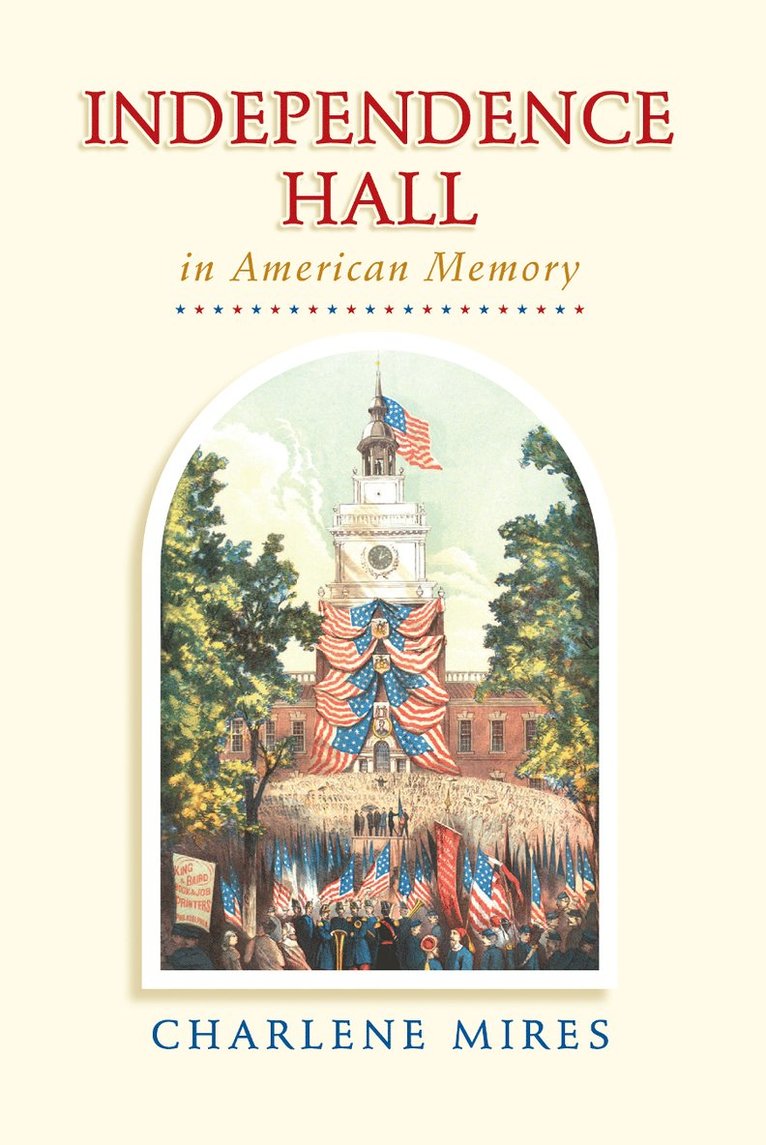
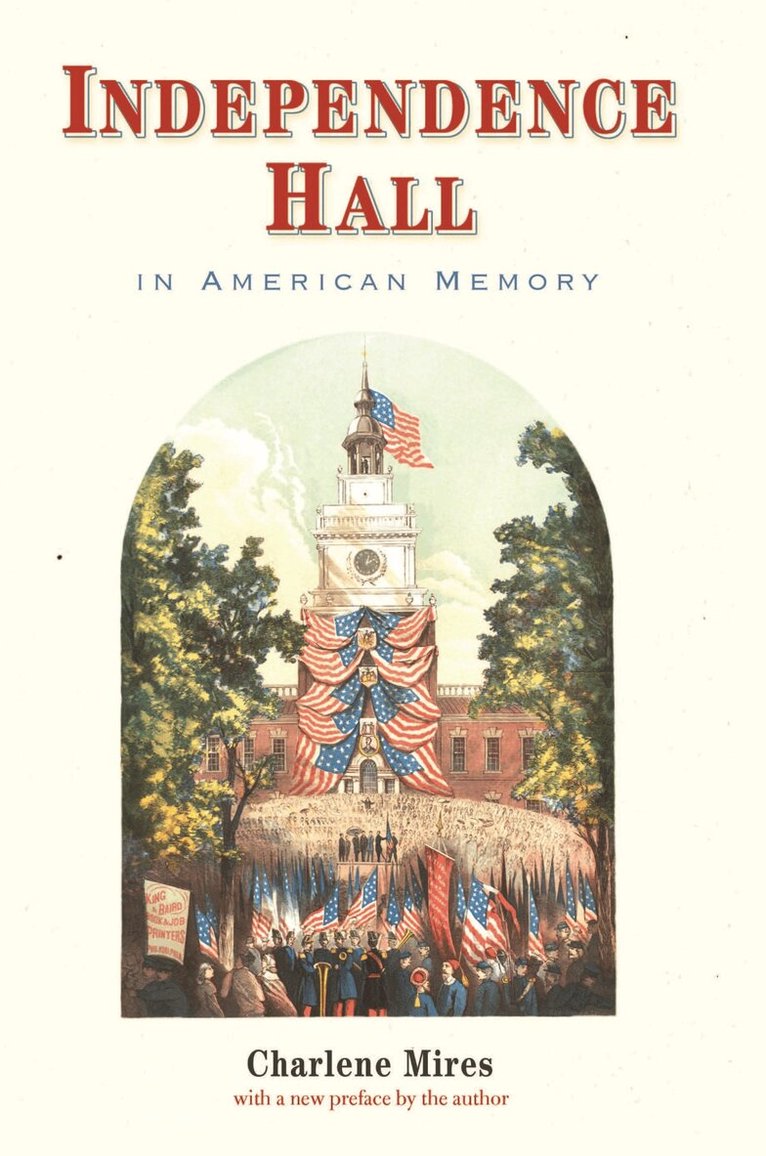
Independence Hall is a place Americans think they know well. Within its walls the Continental Congress declared independence in 1776, and in 1787 the Founding Fathers drafted the U.S. Constitution there. Painstakingly restored to evoke these momentous events, the building appears to have passed through time unscathed, from the heady days of the American Revolution to today. But Independence Hall is more than a symbol of the young nation. Beyond this, according to Charlene Mires, it has a long and varied history of changing uses in an urban environment, almost all of which have been forgotten. In Independence Hall, Mires rediscovers and chronicles the lost history of Independence Hall, in the process exploring the shifting perceptions of this most important building in America's popular imagination. According to Mires, the significance of Independence Hall cannot be fully appreciated without assessing the full range of political, cultural, and social history that has swirled about it for nearly three centuries. During its existence, it has functioned as a civic and cultural center, a political arena and courtroom, and a magnet for public celebrations and demonstrations.Artists such as Thomas Sully frequented Independence Square when Philadelphia served as the nation's capital during the 1790s, and portraitist Charles Willson Peale merged the arts, sciences, and public interest when he transformed a portion of the hall into a center for natural science in 1802. In the 1850s, hearings for accused fugitive slaves who faced the loss of freedom were held, ironically, in this famous birthplace of American independence. Over the years Philadelphians have used the old state house and its public square in a multitude of ways that have transformed it into an arena of conflict: labor grievances have echoed regularly in Independence Square since the 1830s, while civil rights protesters exercised their right to free speech in the turbulent 1960s. As much as the Founding Fathers, these people and events illuminate the building's significance as a cultural symbol.
337 kr
Skickas inom 10-15 vardagar
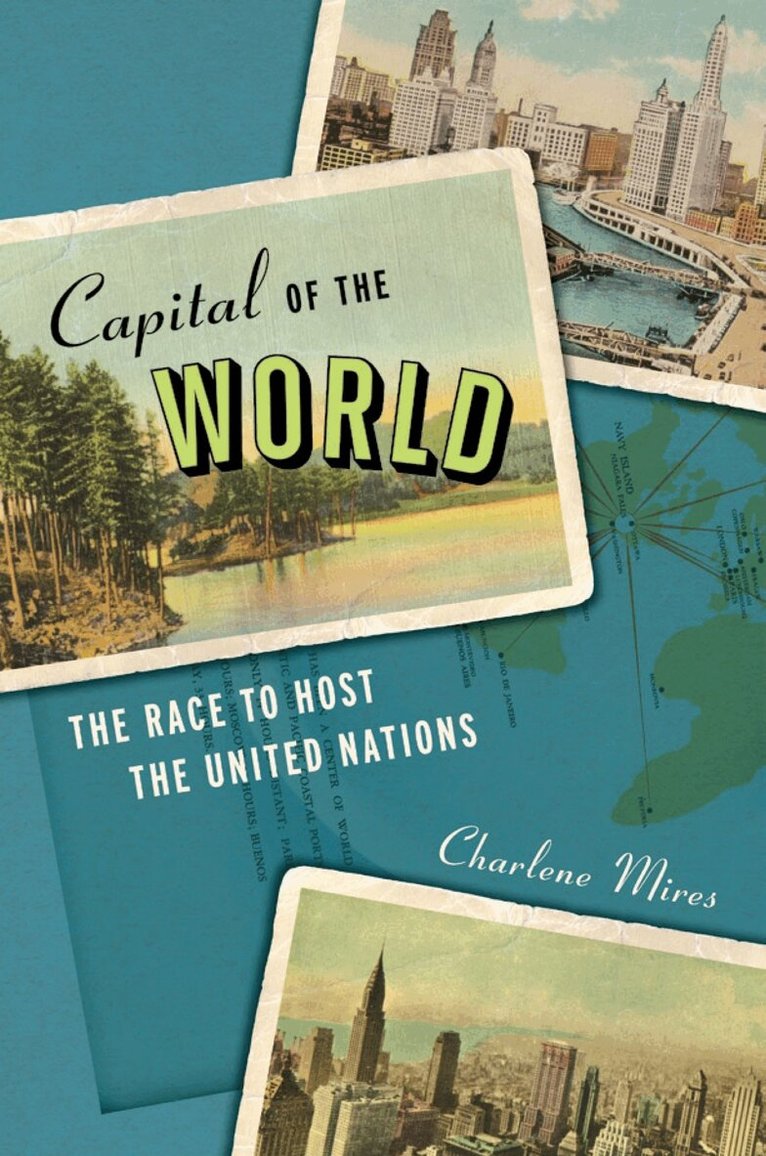
From 1944 to 1946, as the world pivoted from the Second World War to an unsteady peace, Americans in more than two hundred cities and towns mobilized to chase an implausible dream. The newly-created United Nations needed a meeting place, a central place for global diplomacy—a Capital of the World. But what would it look like, and where would it be? Without invitation, civic boosters in every region of the United States leapt at the prospect of transforming their hometowns into the Capital of the World. The idea stirred in big cities—Chicago, San Francisco, St. Louis, New Orleans, Denver, and more. It fired imaginations in the Black Hills of South Dakota and in small towns from coast to coast. Meanwhile, within the United Nations the search for a headquarters site became a debacle that threatened to undermine the organization in its earliest days. At times it seemed the world's diplomats could agree on only one thing: under no circumstances did they want the United Nations to be based in New York. And for its part, New York worked mightily just to stay in the race it would eventually win. With a sweeping view of the United States' place in the world at the end of World War II, Capital of the World tells the dramatic, surprising, and at times comic story of hometown promoters in pursuit of an extraordinary prize and the diplomats who struggled with the balance of power at a pivotal moment in history.
413 kr
Skickas inom 7-10 vardagar
From 1944 to 1946, as the world pivoted from the Second World War to an unsteady peace, Americans in more than two hundred cities and towns mobilized to chase an implausible dream. The newly-created United Nations needed a meeting place, a central place for global diplomacy—a Capital of the World. But what would it look like, and where would it be? Without invitation, civic boosters in every region of the United States leapt at the prospect of transforming their hometowns into the Capital of the World. The idea stirred in big cities—Chicago, San Francisco, St. Louis, New Orleans, Denver, and more. It fired imaginations in the Black Hills of South Dakota and in small towns from coast to coast. Meanwhile, within the United Nations the search for a headquarters site became a debacle that threatened to undermine the organization in its earliest days. At times it seemed the world's diplomats could agree on only one thing: under no circumstances did they want the United Nations to be based in New York. And for its part, New York worked mightily just to stay in the race it would eventually win. With a sweeping view of the United States' place in the world at the end of World War II, Capital of the World tells the dramatic, surprising, and at times comic story of hometown promoters in pursuit of an extraordinary prize and the diplomats who struggled with the balance of power at a pivotal moment in history.
Greater Philadelphia and the Nation
A New History for the Twenty-First Century, Volume 2
Inbunden, Engelska, 2025
475 kr
Skickas inom 3-6 vardagar
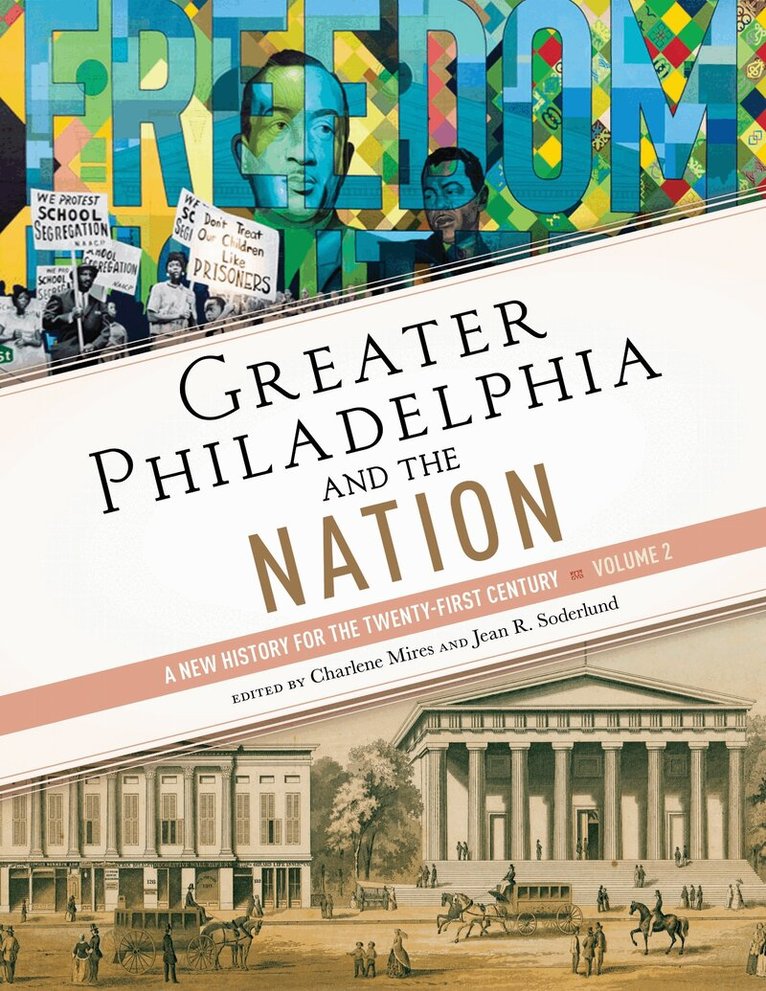
Informed by current scholarship and richly illustrated with full-color photographs and maps, Greater Philadelphia and the Nation and its companion volumes The Greater Philadelphia Region and Greater Philadelphia and the World bring to the public an up-to-date, diverse history of Philadelphia across its many dimensions. This visually stunning reference—assembled by the editorial team of the online Encyclopedia of Greater Philadelphia—begins with Philadelphia’s role during the American Revolution, as the nation’s first capital until 1800, and as home to one of the North’s largest free African American communities in the Antebellum period. From the Civil War to woman suffrage, from the Lenape people to the Gray Panthers, from Black Power to Occupy Philadelphia, the book chronicles the ongoing dynamics of citizenship and nationhood as they unfolded in the Philadelphia region from the eighteenth through the twenty-first centuries. The book is arranged thematically, with chapters containing: · Historical accounts of the events leading up to and during the Revolution, as well as how it continues to be remembered in parks, institutions, and national celebrations; · A chronicle of the journey the region took from enslavement to freedom, from the Underground Railroad to the Pennsylvania Emancipation Exposition, from the Mother Bethel AME Church to the Civil Rights movement, and beyond; · A review of the many ways the Philadelphia area defends the nation, including armories, the Navy Yard, and veterans’ organizations; · An overview of the region’s innovations in banking, communications, and transportation, as well as its contributions to American popular culture. Each chapter also features an “Explore More” section that provides opportunities for further reading and research, including places to visit and sites to investigate, to encourage discovery beyond the book’s pages. From the Revolution and rebellions of early America to the violent riots of the nineteenth century to the nonviolent protests of the twenty-first, Greater Philadelphia and the Nation demonstrates how Philadelphia, and its periphery across southeastern Pennsylvania, southern New Jersey, and northern Delaware, create, challenge, and sustain the nation.
373 kr
Skickas inom 7-10 vardagar
A chronicle of the lost history of Independence Hall in Philadelphia, reissued on the occasion of the 250th anniversary of the nation's founding, with a new preface updating the constantly evolving public perception of Independence HallIndependence Hall is a place Americans think they know well. Within its walls the Continental Congress declared independence in 1776, and in 1787 the Founding Fathers drafted the U.S. Constitution there. Painstakingly restored to evoke these momentous events, the building appears to have passed through time unscathed, from the heady days of the American Revolution to today. But Independence Hall is more than a symbol of the young nation. Beyond this, according to Charlene Mires, it has a long and varied history of changing uses in an urban environment, almost all of which have been forgotten.During its existence, Independence Hall has functioned as a civic and cultural center, a political arena and courtroom, and a magnet for public celebrations and demonstrations. Artists such as Thomas Sully frequented Independence Square when Philadelphia served as the nation's capital during the 1790s, and portraitist Charles Willson Peale merged the arts, sciences, and public interest when he transformed a portion of the hall into a center for natural science in 1802.In the 1850s, hearings for accused fugitive slaves who faced the loss of freedom were held, ironically, in this famous birthplace of American independence. Over the years Philadelphians have used the old state house and its public square in a multitude of ways that have transformed it into an arena of conflict: labor grievances have echoed regularly in Independence Square since the 1830s, while civil rights protesters exercised their right to free speech in the turbulent 1960s. As much as the Founding Fathers, these people and events illuminate the building's significance as a cultural symbol.In Independence Hall, Mires rediscovers and chronicles the lost history of Independence Hall, in the process exploring the shifting perceptions of this most important building in America's popular imagination. According to Mires, the significance of Independence Hall cannot be fully appreciated without assessing the full range of political, cultural, and social history that has swirled about it for nearly three centuries. This timely reissue of the book features a new preface that brings the story up to the present, including the creation of the President's House site, and updates the constantly evolving public perception of Independence Hall.
Greater Philadelphia
A New History for the Twenty-First Century, Three-Volume Set
Inbunden, Engelska, 2025
1 361 kr
Skickas inom 7-10 vardagar
Informed by current scholarship and richly illustrated with full-color photographs and maps, Greater Philadelphia: A New History for the Twenty-First Century brings to the public an up-to-date, diverse history of Philadelphia across its many dimensions.Volume 1 adopts "Greater Philadelphia" to indicate a regional scope, but not one limited by a fixed geographical boundary. Instead, "Greater Philadelphia" refers to the interdependence between the city and its periphery across parts of three states: southeastern Pennsylvania, southern New Jersey, and northern Delaware. The Greater Philadelphia Region represents a collection of stories fundamental to the Philadelphia area's history and evolution based on the belief that regions work best when residents, divided in space but linked in multiple ways through social and economic connections, possess shared knowledge about the people and the places that surround them.Volume 2 begins with Philadelphia's role during the American Revolution, as the nation's first capital until 1800, and as home to one of the North's largest free African American communities in the antebellum period. From the Civil War to woman suffrage, from the Lenape people to the Gray Panthers, from Black Power to Occupy Philadelphia, the book chronicles the ongoing dynamics of citizenship and nationhood as they unfolded in the Philadelphia region from the eighteenth through the twenty-first centuries. Greater Philadelphia and the Nation demonstrates how Philadelphia, and its periphery across southeastern Pennsylvania, southern New Jersey, and northern Delaware, create, challenge, and sustain the nation.Volume 3 reveals the influence of empires and nations on Greater Philadelphia while also emphasizing the dynamic role the region and its people have played in shaping the modern world. Exploring the immigrants who peopled the Delaware Valley, the faiths they practiced, the environment they shaped, the wars they waged, and the global connections they forged, Greater Philadelphia and the World reveals a city and its surroundings that has been continually molded by its links to the Atlantic, the Americas, and the Pacific.